Vera Clarissa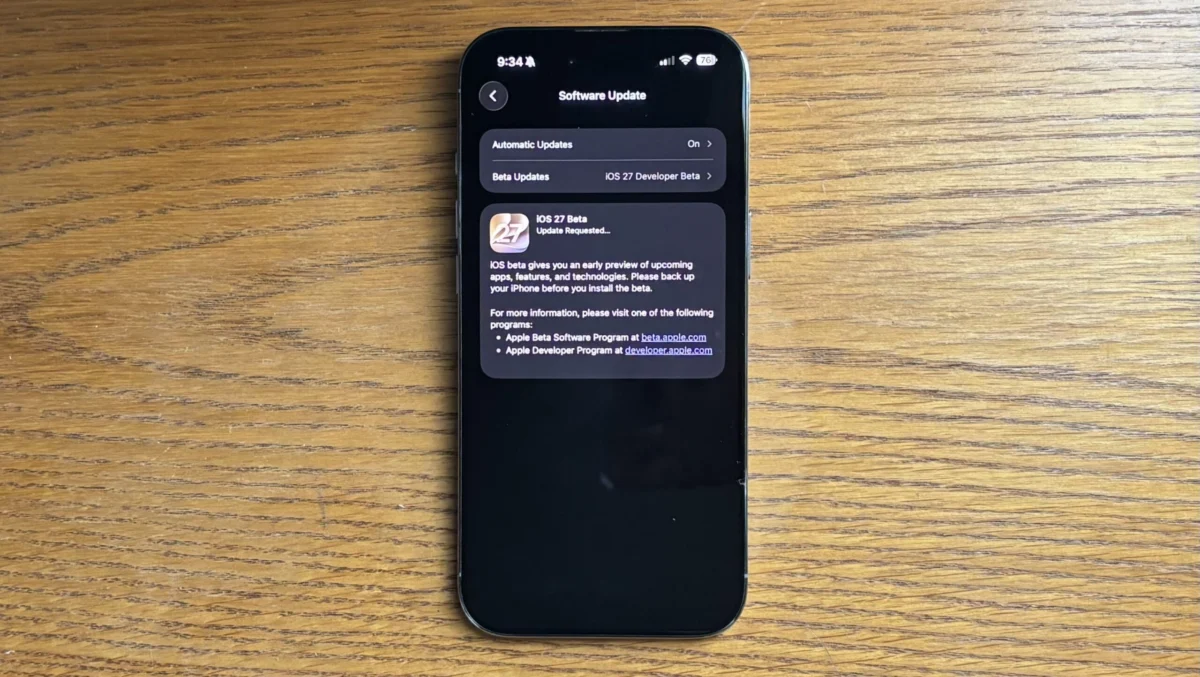
Apple has officially released the first developer beta for iOS 27, following its unveiling at the highly anticipated Worldwide Developers Conference (WWDC) 2026. This initial beta build offers users and developers a first look at the significant changes and performance enhancements slated for the upcoming iteration of Apple’s mobile operating system. While early impressions highlight notable speed improvements and refined user experiences, the inherent nature of prerelease software means that some inconsistencies and bugs are to be expected as development progresses towards the public release.
The release of iOS 27 Developer Beta 1 marks another significant milestone in Apple’s annual software development cycle, providing a glimpse into the future of the iPhone and iPad operating systems. Similar to previous years, early adopters and tech enthusiasts have begun testing the beta to assess its capabilities and identify potential issues. This proactive engagement is crucial for Apple, allowing for extensive real-world testing and feedback collection before the software reaches a wider audience.
WWDC 2026: A Platform for Innovation
The annual Worldwide Developers Conference (WWDC) serves as Apple’s premier event for showcasing its latest software innovations and providing developers with the tools and insights needed to build cutting-edge applications. WWDC 2026, held earlier this month, was the stage upon which iOS 27, along with updates to macOS, watchOS, and tvOS, was officially introduced. The conference typically features keynote presentations, technical sessions, and hands-on labs, empowering developers to engage directly with Apple’s engineering teams and gain a deeper understanding of new features and APIs. The announcement of iOS 27 Beta 1 shortly after the keynote signals Apple’s commitment to a rapid development and testing pipeline, aiming for a stable and feature-rich public release in the fall.
Development Timeline and Beta Releases
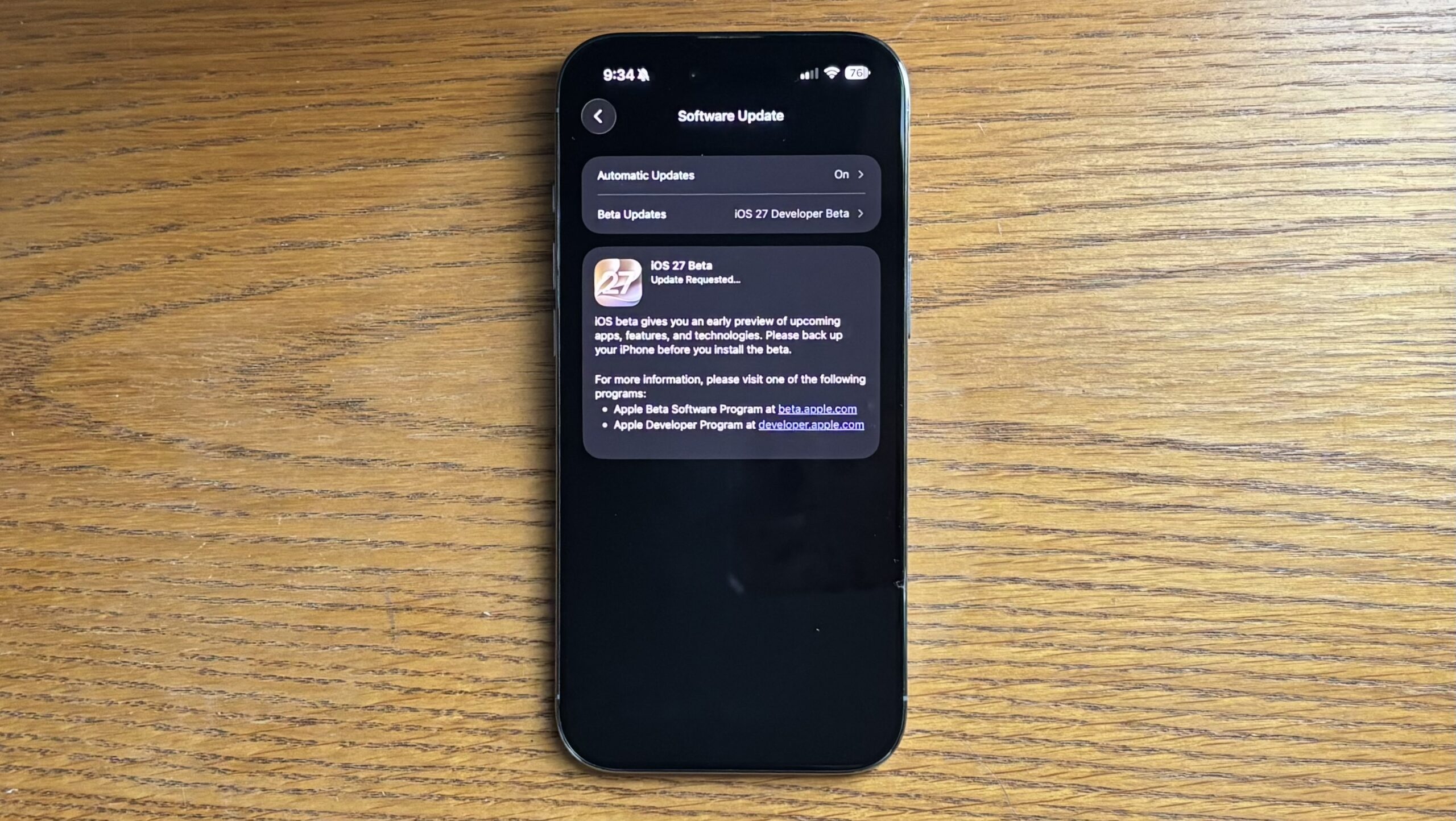
The release of iOS 27 Developer Beta 1 on June 10, 2026, immediately following the WWDC keynote, initiates a rigorous testing phase. Historically, Apple follows a structured beta release schedule, typically offering several developer betas over the summer months. A second developer beta is anticipated within the next two weeks, followed by subsequent releases that progressively address bugs and refine features. This iterative process allows Apple to gather feedback from a broad spectrum of users and devices, ensuring a polished final product. Public betas, offering a less restrictive testing environment for a wider user base, are usually introduced later in the summer, culminating in the final public release around September, coinciding with the launch of new iPhone hardware.
Initial Impressions and Performance Metrics
Early reports from users who have installed iOS 27 Developer Beta 1 indicate a noticeable uptick in overall system performance. Anecdotal evidence suggests that the operating system feels "snappier," with applications launching more rapidly and multitasking appearing smoother. This is a critical area of focus for Apple, as user experience is heavily influenced by responsiveness and efficiency.
To quantify these perceived improvements, benchmark testing has been conducted using Geekbench 6, a widely recognized cross-platform benchmarking tool. Initial Geekbench 6 results, as observed on a "Sky Blue 256 GB iPhone Air," suggest an increase in both single-core and multi-core CPU performance compared to its predecessor, iOS 26. While the gains in single-core performance are particularly noteworthy, contributing directly to faster app load times and a more fluid interface, the multi-core improvements are also substantial, indicating enhanced processing capabilities for more demanding tasks.
Furthermore, Metal performance, which governs graphics processing, appears to have seen a significant boost. This enhancement is crucial for delivering smoother animations, more responsive gaming experiences, and improved performance in graphically intensive applications. The sustained improvement in Metal scores suggests that developers can expect to leverage more powerful GPU capabilities within iOS 27.
The Test Environment: iPhone Air
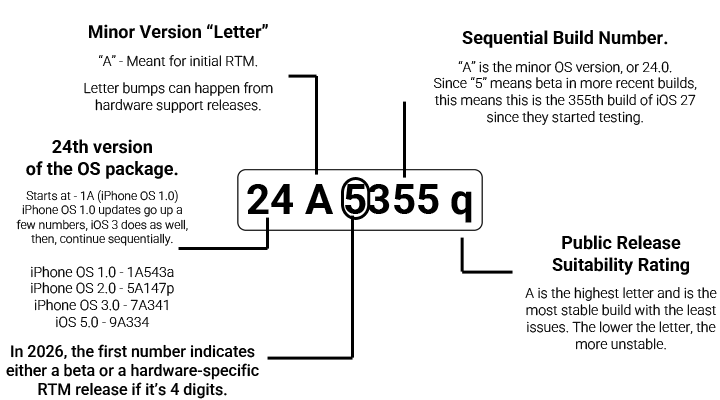
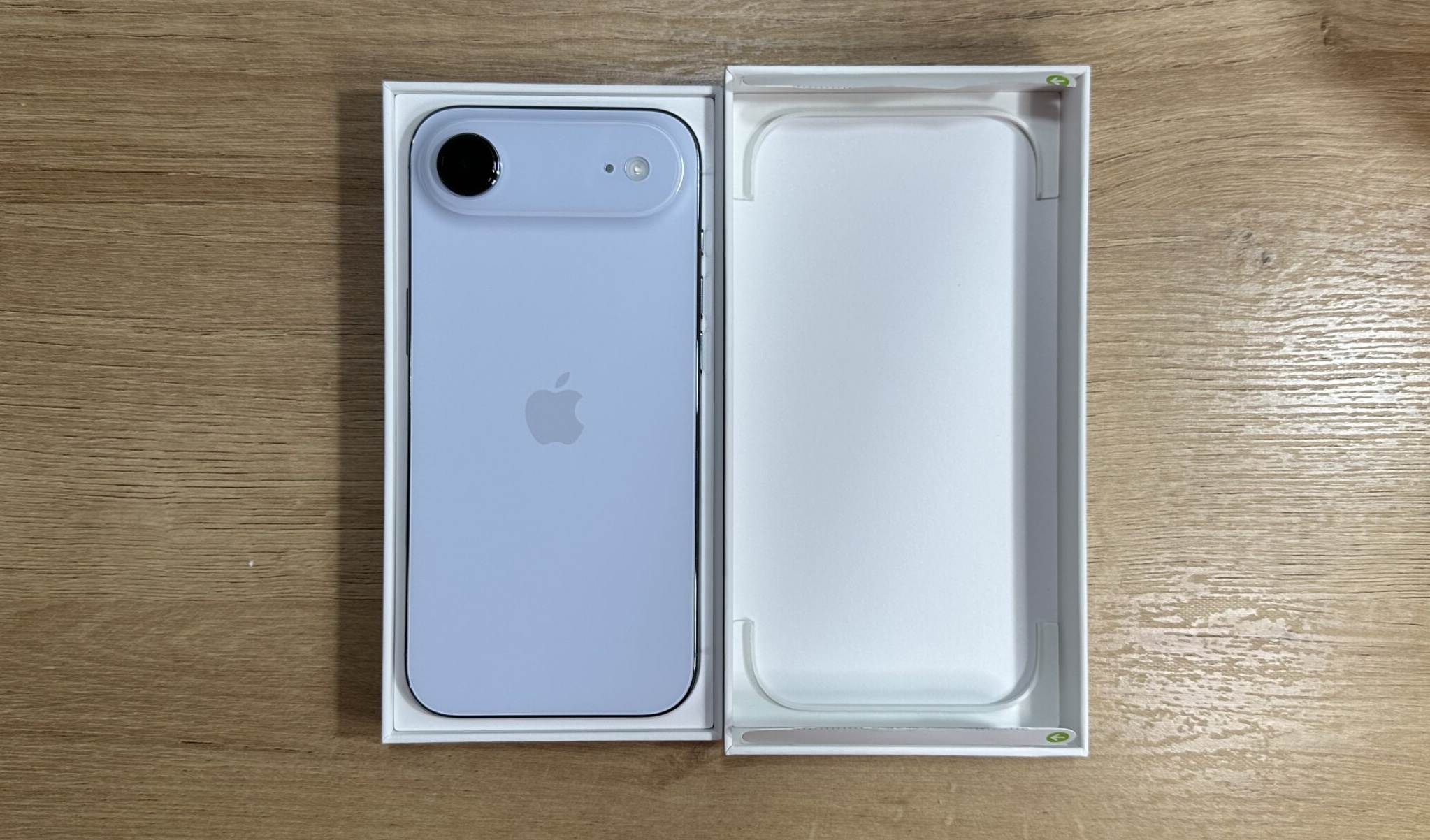
The insights provided in this initial assessment are drawn from a "Sky Blue 256 GB iPhone Air," a device that has been the daily driver for the tester since its upgrade in September of the previous year. Described as a "super sturdy, reliable, blistering-fast, beautiful phone," the iPhone Air serves as a representative platform for evaluating the beta software. The choice of a high-capacity model and a recent hardware release ensures that the testing environment is robust and capable of showcasing the potential of iOS 27 without being limited by hardware constraints. The device’s consistent performance over the past year under iOS 26 provides a strong baseline for comparison.
Observed Changes and Early Quirks
During the initial days of running iOS 27 Developer Beta 1, some users have reported peculiar behaviors. One notable observation is an unusual sensitivity of the touchscreen, accompanied by some erratic touch-related interactions. These are not uncommon in early beta stages and are often attributed to optimizations or new input handling mechanisms that are still being refined. While these issues can be momentarily disruptive, they are generally resolved in subsequent beta updates.
Another observed phenomenon is that while the phone generally feels faster, some animations appear to be either glitching or exhibiting an excessively sped-up rate. This could be a side effect of the performance optimizations, where the underlying rendering engine is operating at a higher frequency, leading to visual anomalies. Developers will likely fine-tune these animations to ensure a visually pleasing and consistent experience across the system.
Potential Implications of Performance Gains
The reported performance enhancements in iOS 27, particularly in single-core CPU and Metal performance, carry significant implications for both users and developers. For end-users, this translates to a more responsive and efficient device, leading to quicker app launches, smoother scrolling, and a generally more pleasant interaction with their iPhones. This is particularly important for everyday tasks that rely heavily on quick processing, such as opening messages, browsing the web, or switching between applications.
For developers, the increased performance capabilities open up new avenues for application design and functionality. The enhanced Metal performance, for instance, allows for the creation of more visually complex and interactive mobile games and augmented reality experiences. Developers can also take advantage of the improved CPU power to implement more sophisticated features within their apps, such as advanced AI processing or more complex data analysis, without significantly impacting device performance or battery life.
The benchmark data, while showing promising gains, also serves as a reminder of the dynamic nature of software development. Performance metrics can fluctuate with subsequent builds and real-world usage patterns. However, the consistent trend towards improved performance across key metrics suggests that Apple is prioritizing speed and efficiency in iOS 27.
Future Expectations and User Feedback
As the beta testing phase progresses, users and developers will be closely monitoring the development of new features, including the much-anticipated advancements in Siri AI. The integration of more intelligent and conversational AI capabilities is expected to be a cornerstone of iOS 27, potentially transforming how users interact with their devices. Early reports and expectations suggest a significant leap forward in Siri’s ability to understand context, perform complex tasks, and offer more personalized assistance.
While the immediate improvements in performance are encouraging, it is crucial to reiterate that iOS 27 Developer Beta 1 is not recommended for mission-critical devices. The presence of bugs and the need for workarounds, while part of the beta process, can impede daily productivity for users who rely on their devices for essential functions. However, for those who wish to contribute to the development process and experience the cutting edge of Apple’s mobile software, the beta offers a valuable opportunity.
The broader impact of iOS 27 will ultimately be determined by the stability, feature set, and overall user experience of the final public release. Apple’s track record suggests a commitment to refining the operating system to deliver a polished and robust experience, building upon the promising foundations laid by this initial developer beta. The ongoing dialogue between Apple and its developer community, facilitated by the beta program, will be instrumental in shaping the future of the iOS ecosystem.