Cecilia Chamidah Nur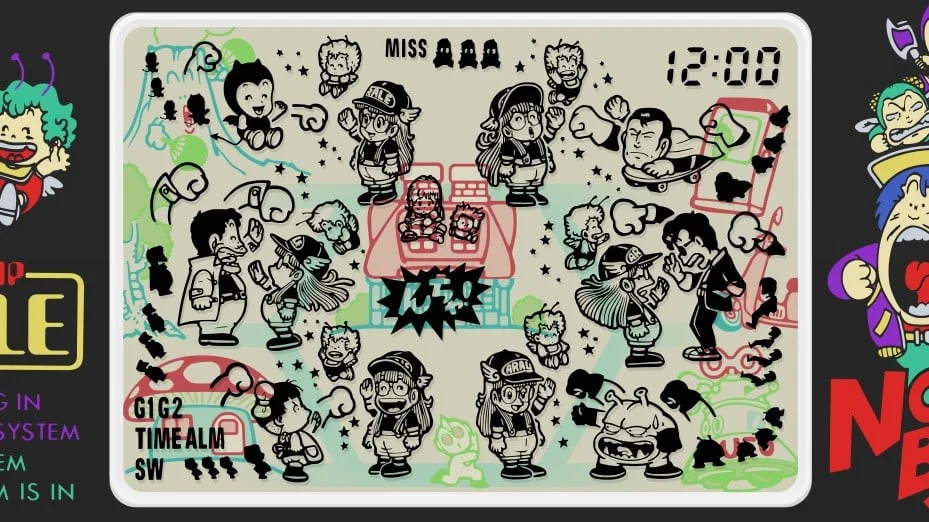
The digital preservation of video game history has reached a significant milestone with the BrickEmuPy project, an ambitious open-source initiative dedicated to emulating and archiving handheld LCD games, recently achieving what is believed to be the first public dump of a Nintendo Mini Classics title. This development, centering on "Nintendo Mini Classics Soccer," marks a crucial step in recognizing and safeguarding a frequently overlooked segment of interactive entertainment that played a formative role for countless gamers globally.
The Underappreciated Legacy of LCD Games
For decades, the narrative of video game history has predominantly focused on arcade cabinets, home consoles, and personal computers, often relegating handheld LCD (Liquid Crystal Display) games to a footnote. These devices, characterized by their fixed-sprite graphics and simplified gameplay mechanics, have frequently been dismissed as mere "cheap plastic tat" rather than significant artifacts of gaming evolution. However, such a perspective overlooks their profound historical and cultural importance. Emerging prominently in the late 1970s and flourishing through the 1980s and 1990s, LCD games served as an accessible, lower-cost gateway to interactive entertainment for millions. In an era when dedicated home consoles or arcade visits were often expensive luxuries, these portable devices offered a personal, immediate, and affordable taste of the burgeoning digital world.
Early pioneers like Mattel Electronics’ Auto Race (1976) and subsequent innovations from Nintendo with its iconic Game & Watch series (starting in 1980 with Ball) demonstrated the commercial viability and widespread appeal of these simple yet engaging devices. Companies such as Tiger Electronics, Casio, Tomy, and Bandai further popularized the format, producing a vast array of licensed and original titles across various genres, from sports simulations to adaptations of popular arcade hits and animated series. Their widespread availability in toy stores, department stores, and even convenience shops meant that they often served as the very first introduction to video games for an entire generation, fostering foundational concepts of interaction, challenge, and reward in a portable format.
The technology underpinning these games, while primitive by today’s standards, was ingeniously cost-effective. Segment LCDs displayed pre-rendered sprites that could be toggled on or off, creating the illusion of movement within a fixed background. Basic microcontrollers managed game logic, scorekeeping, and simple sound effects, typically powered by readily available button-cell batteries. This minimalist design facilitated mass production and affordability, making gaming accessible to a broader demographic than ever before. Despite their technological constraints, many LCD games were remarkably well-designed within their limitations, offering surprisingly deep challenges and addictive gameplay loops that captivated players for hours.
The Imperative of Digital Preservation
The challenges of preserving LCD games are multifaceted and often more complex than those associated with cartridge-based console games. Physical devices are susceptible to degradation over time: battery leaks can destroy internal circuitry, plastic casings become brittle, and the LCD screens themselves can suffer from "bleeding" or pixel loss. Furthermore, many of these games were produced in limited runs, and comprehensive archives are scarce. Unlike console games, which often have standardized hardware and software architectures making emulation relatively straightforward, LCD games frequently employed bespoke designs, making a universal emulation solution difficult. This has historically led to them being underrepresented in major emulation projects, leaving a significant gap in the digital record of gaming history.
The absence of dedicated preservation efforts risks losing a vital piece of the interactive medium’s heritage. Historians, researchers, and future generations would be deprived of understanding the evolutionary path of game design, the cultural impact of early handhelds, and the foundational experiences that shaped millions of gamers. This is where projects like BrickEmuPy become indispensable, bridging the gap between physical obsolescence and digital immortality.

Introducing BrickEmuPy: A New Frontier in Handheld Emulation
BrickEmuPy stands as a beacon for handheld LCD game preservation. Developed by Azya52 and Andrei Cherniaev, this ambitious project is described as a "Handheld LCD games emulator in Python with PyQt6." Its core mission is to safeguard these often-forgotten titles for posterity by providing a playable, emulated environment that faithfully recreates the original hardware experience. The choice of Python and PyQt6 offers a flexible and cross-platform framework, allowing the emulator to run on widely used operating systems such as Windows and Linux, thereby democratizing access to these historically significant games.
The project’s current scope is impressive, supporting over 60 distinct LCD game titles. This extensive library includes a diverse array of classics and cult favorites. Among the prominent names are various iterations of Tamagotchi games, which revolutionized the virtual pet craze of the 1990s; adaptations of popular Japanese media franchises such as Space Cobra, Dr Slump, and Doraemon; and even licensed LCD game watches based on iconic Nintendo properties like The Legend of Zelda and Super Mario Bros. The inclusion of such a broad spectrum of games underscores the developers’ commitment to comprehensive preservation, covering different manufacturers, genres, and cultural origins within the LCD game landscape.
Beyond merely making these games playable, BrickEmuPy contributes significantly to academic and historical research. By providing a stable, digital platform, it enables researchers to study the design philosophies, user interfaces, and technical limitations that defined early portable gaming. It allows a new generation of players to experience the roots of mobile gaming, offering context to the sophisticated handheld devices of today. This emulator is not just a tool for nostalgia; it is a vital archival instrument.
The Landmark Dump of Nintendo Mini Classics Soccer
Perhaps the most significant recent achievement of the BrickEmuPy project is the successful dumping of "Nintendo Mini Classics Soccer." This event is particularly noteworthy because, as far as the developers and the wider preservation community are aware, it represents the first instance of a Nintendo Mini Classics title being publicly dumped and made available for emulation. This achievement highlights the dedication and technical prowess of Azya52 and Andrei Cherniaev in tackling previously uncharted territories in game preservation.
The Nintendo Mini Classics line, which debuted in 1998, represented Nintendo’s late-era foray into the dedicated LCD game market. These small, keychain-sized devices were licensed by Nintendo and often featured simplified versions of their iconic franchises, such as Super Mario Bros., Donkey Kong, Zelda, and indeed, Soccer. While not as technologically advanced or commercially dominant as their Game Boy line, the Mini Classics held a unique place as affordable collectibles and accessible gaming novelties, particularly for younger audiences or as impulse purchases. They capitalized on the enduring appeal of Nintendo’s intellectual properties in a miniature, portable format.
The process of "dumping" a game involves extracting its proprietary data, typically the ROM (Read-Only Memory) containing the game’s code and assets, from the physical hardware. For LCD games, this often requires specialized tools and expertise to interface with the unique microcontrollers and memory chips used in their construction. The successful dumping of "Nintendo Mini Classics Soccer" suggests that the BrickEmuPy team has developed or adapted techniques capable of extracting data from these previously unaddressed devices. This breakthrough is not merely about one game; it establishes a precedent and methodology that could potentially be applied to other elusive Mini Classics titles and similar handheld devices, thereby unlocking a treasure trove of historical data.
The significance of this dump extends beyond just the technical achievement. It sheds light on a specific, later phase of Nintendo’s engagement with the LCD game market, distinct from the earlier, more iconic Game & Watch series. Understanding the design choices, adaptations of popular franchises, and technological constraints of the Mini Classics provides a more complete picture of Nintendo’s diverse product strategy and the broader evolution of handheld gaming.

Broader Impact and Future Implications
The BrickEmuPy project, with its dedication to emulating and preserving handheld LCD games, including the pioneering dump of "Nintendo Mini Classics Soccer," carries profound implications for the future of digital game preservation.
Firstly, it underscores the critical role of independent developers and open-source communities in filling the gaps left by commercial entities or larger archival institutions. While major archives like the Internet Archive and the Museum of Modern Art have made strides in preserving video games, niche hardware and less glamorous titles often require the focused passion and technical skill of dedicated hobbyists. BrickEmuPy exemplifies how community-driven efforts can significantly contribute to a more comprehensive and inclusive historical record of interactive media.
Secondly, this initiative highlights the ongoing debate surrounding intellectual property rights and game preservation. While Nintendo, like many game companies, maintains strict control over its intellectual property, projects like BrickEmuPy operate within a complex legal and ethical landscape. The act of dumping ROMs for preservation purposes is often viewed as a legitimate historical and cultural endeavor by archivists, even if it sometimes conflicts with copyright holders’ commercial interests. The widespread availability of information for setting up BrickEmuPy on Windows and Linux, along with instructions on which games require users to supply their own ROMs, reflects this delicate balance, encouraging legal acquisition where possible while facilitating emulation for historical purposes.
Thirdly, the success of BrickEmuPy could inspire similar projects focusing on other under-preserved segments of gaming history. The methodologies developed for dumping and emulating Mini Classics could be adapted for other obscure handhelds, electronic toys, or even early educational devices that incorporated game-like elements. This ripple effect is crucial for ensuring that no significant piece of gaming heritage is lost to technological obsolescence or neglect.
Finally, the project contributes to a more nuanced understanding of video game history itself. By bringing "simpler" games into the fold of serious preservation, it challenges the often elitist view that only technologically advanced or commercially successful titles are worthy of study. It affirms that the ubiquitous, affordable, and culturally pervasive LCD games are just as integral to the story of interactive entertainment as their more complex counterparts. They represent a democratizing force in gaming, shaping the tastes and expectations of millions before the advent of smartphones and sophisticated mobile consoles.
The BrickEmuPy project and its landmark achievement with "Nintendo Mini Classics Soccer" serve as a powerful reminder that every facet of gaming history holds value. By meticulously preserving these handheld relics, Azya52 and Andrei Cherniaev are not just creating an emulator; they are building a bridge to the past, ensuring that the legacy of LCD games continues to inform, entertain, and inspire future generations. Further details on how to get BrickEmuPy up and running, including a full list of supported games and ROM requirements, can be found on the project’s official GitHub repository.