Farhan hamdan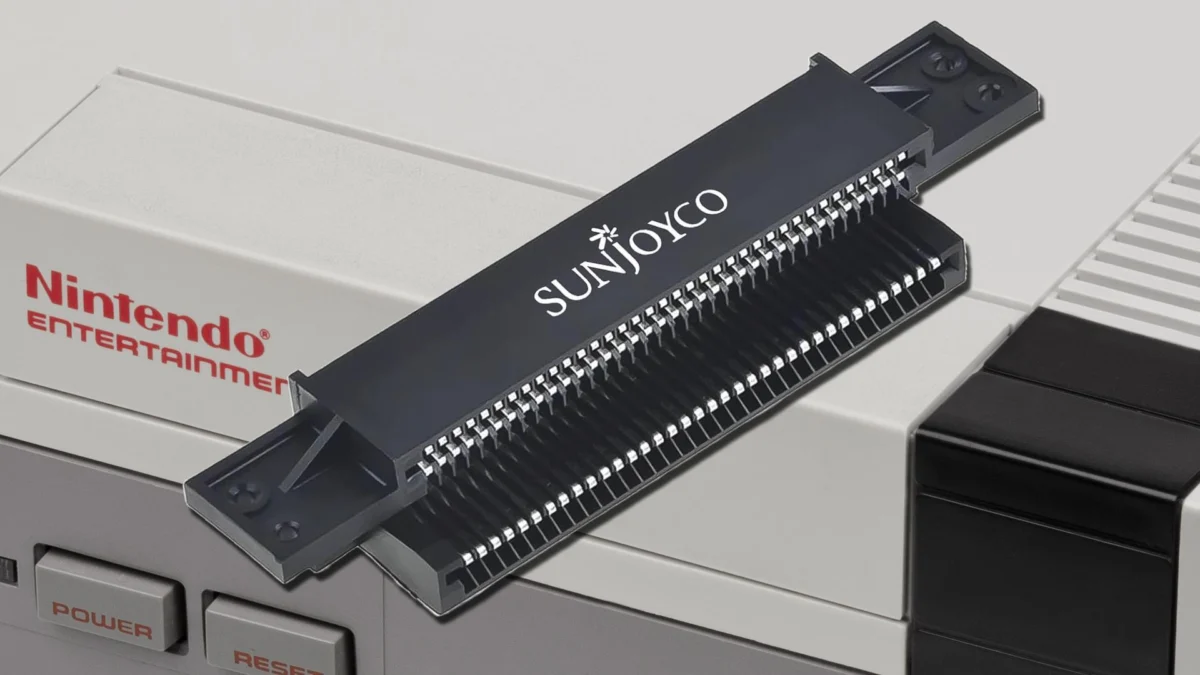
The persistent issue of the "blinking light" plaguing original Nintendo Entertainment System (NES) consoles, a common frustration for retro gaming enthusiasts, continues to drive demand for effective and reliable replacement parts. Amidst a market offering various solutions, the Sunjoyco 72-Pin connector has garnered attention for its reported efficacy and affordability, particularly for those seeking to restore the iconic console’s functionality while preserving its original tactile experience. A recent testimonial highlights its consistent performance since September 2023, positioning it as a viable option for NES owners confronting connection failures.
The NES, launched in North America in 1985, revolutionized the home video game industry, pulling it out of a severe crash and establishing Nintendo as a dominant force. Its innovative design, including the front-loading cartridge mechanism, was a significant departure from previous consoles. However, this very design, particularly the 72-pin connector that interfaces with game cartridges, became notorious for its susceptibility to wear and tear. Over decades of use, the pins would bend, corrode, or lose their spring tension, leading to intermittent connections, commonly manifested as the dreaded "blinking light" and a blank screen, signaling the console’s failure to read a game cartridge. This issue, alongside the console’s lockout chip, the CIC (Challenge-Response Interface Chip), often conspired to prevent seamless gameplay.
The problem stems primarily from the ZIF (Zero Insertion Force) connector design of the original NES. While intended to reduce wear on cartridges, the design placed significant stress on the connector pins over time. Repeated insertions and removals, combined with the "push-down" locking mechanism, caused the pins to flatten, making poor contact with the cartridge’s traces. This mechanical degradation, coupled with the CIC chip’s authentication routine—which would cause the console to reset if a valid connection was not maintained—created the infamous blinking light cycle. For a generation of gamers, troubleshooting often involved blowing into cartridges, a ritualistic but largely ineffective practice, or pressing down forcefully on the game, sometimes to no avail.
The aftermarket for NES replacement parts has flourished, driven by a passionate retro gaming community dedicated to preserving and maintaining original hardware. Products like the Sunjoyco 72-Pin connector directly address this critical hardware vulnerability. Designed as a direct replacement for the original part, these connectors aim to restore the console’s ability to reliably read game cartridges. The Sunjoyco model, specifically, has been noted for its ability to resolve connection issues without necessitating alterations to the console’s original operational feel. Its reported performance, maintaining functionality since late 2023, suggests a level of quality that resonates with users seeking a straightforward and economical fix. The product is readily available through online retailers, including Amazon, where it is often promoted via affiliate programs, indicating its accessibility within the broader consumer electronics market.
However, the landscape of NES connector solutions is not monolithic. While the Sunjoyco connector appeals to users who prioritize the original "push-down" cartridge loading experience, other manufacturers have engineered more robust, albeit different, solutions. Two prominent examples are the Slotmaster and the Nin10-Drawer. These alternatives typically feature a "slide straight in" design, eschewing the push-down mechanism entirely.
The Slotmaster, for instance, is often lauded for its high-quality construction and improved pin design, engineered to provide a more secure and lasting connection. Its development arose from a desire within the community for a superior, long-term replacement that minimizes the stress on both the connector and cartridges. Similarly, the Nin10-Drawer has been described as an "over-engineered" solution, suggesting a focus on maximum durability and reliability through advanced materials and design principles. These robust alternatives often come at a higher price point and are generally aimed at enthusiasts who prioritize longevity and optimal performance above all else, even if it means deviating from the console’s original tactile feedback.

The distinction between "push-down" and "slide-in" mechanisms highlights a fascinating aspect of the retro gaming culture: the profound influence of nostalgia on user preference. For many, the act of inserting an NES cartridge, pushing it down, and then powering on the console is more than just a functional step; it is an integral part of the nostalgic experience. This tactile interaction, deeply ingrained in the memories of those who grew up with the system, contributes significantly to the emotional connection they feel with the original hardware. While functionally, a "slide-in" mechanism might offer superior long-term reliability by reducing mechanical stress, it fundamentally alters a core aspect of the NES interaction. For purists, maintaining this original experience, even with a replacement part, is paramount. The Sunjoyco connector, by preserving the push-down functionality, directly caters to this demographic.
This preference for original hardware extends beyond just the connector. The retro gaming community often engages in discussions comparing original consoles to modern emulation solutions, such as the MiSTer FPGA (Field-Programmable Gate Array). The MiSTer FPGA project offers highly accurate hardware emulation of various classic consoles, including the NES, providing pristine video output, low latency, and consistent performance without the maintenance headaches of aging hardware. Despite these technical advantages, a significant segment of the community continues to advocate for playing on original NES hardware. This dedication stems from a desire for authenticity, the unique feel of the original controller, the specific characteristics of analog video output on a CRT television, and indeed, the complete ritual of interacting with the console—including the sometimes finicky cartridge insertion. The "blinking light" itself, while frustrating, has become part of the console’s historical narrative, a challenge to overcome in pursuit of authentic play.
Beyond connector replacements, another common modification undertaken by NES enthusiasts to combat connection issues and expand game compatibility is the disabling of the CIC lockout chip. The CIC chip was originally implemented by Nintendo as a form of digital rights management (DRM) and regional lockout, preventing unauthorized games or games from different regions from running on the console. However, its constant communication with a similar chip inside the game cartridge could also contribute to the blinking light problem if the connection was unstable. Bypassing or disabling the CIC chip, a modification well-documented on resources like the ConsoleMods wiki, ensures that the console no longer performs this authentication check, allowing games to run more reliably, even with slightly imperfect connections, and enabling the play of import titles or unlicensed games without issue. This modification is often performed in conjunction with a connector replacement for maximum reliability.
The continued demand for products like the Sunjoyco 72-Pin connector underscores the enduring legacy of the NES and the vibrant, active retro gaming community that surrounds it. This niche market for aftermarket parts is sustained by a collective commitment to hardware preservation and the desire to relive classic gaming experiences in their most authentic forms. Manufacturers and distributors catering to this market play a crucial role in extending the lifespan of these beloved consoles, ensuring that new generations can experience the foundational titles that shaped the video game industry.
The economic implications of this market are significant for a segment of the electronics industry. While the primary market for new video game consoles continues to thrive with modern systems, the retro market demonstrates a persistent consumer willingness to invest in maintaining and upgrading older technology. This includes not only replacement parts but also accessories, modding kits, and services for repair and restoration. The involvement of content creators, as evidenced by affiliate links and detailed reviews, further illustrates how digital media influences purchasing decisions within this specialized consumer base, guiding enthusiasts towards proven solutions.
In conclusion, the Sunjoyco 72-Pin connector represents a practical and accessible solution for a common problem afflicting the Nintendo Entertainment System. Its reported reliability, combined with its adherence to the console’s original tactile design, positions it favorably among a diverse range of replacement options. For the millions who cherish the NES, maintaining its functionality and preserving the nostalgic experience it offers remains a key priority, ensuring that the blinking light of frustration is replaced by the steady glow of classic gaming enjoyment. The ongoing evolution of aftermarket parts, from simple replacements to "over-engineered" alternatives, reflects the deep passion and technical ingenuity within the retro gaming community, committed to keeping these historical artifacts alive and playable for decades to come.