Cecilia Chamidah Nur
The highly anticipated Retroid Pocket Nova, a new contender in the increasingly competitive handheld emulation market, has recently provided prospective buyers with an unprecedented look at its real-world performance. Following a period of relative silence since its initial pre-order launch, ten new videos have emerged, demonstrating the device’s capabilities across a diverse range of classic gaming platforms. These videos, uploaded by Retroid employee Chris Covers on his personal YouTube channel, offer a raw, unpolished, and arguably more authentic glimpse into the handheld’s emulation prowess, moving beyond the carefully curated marketing footage typically associated with product launches. This development is crucial for consumers who pre-ordered the device without extensive prior performance demonstrations, particularly given the initial video release featured only an engineering prototype.
The Anticipation and Initial Rollout of the Retroid Pocket Nova
The journey of the Retroid Pocket Nova began with considerable buzz within the retro gaming community. Retroid, a brand synonymous with affordable yet capable handheld emulation devices, first announced the Nova, positioning it as a significant upgrade from its predecessors. The device was made available for pre-order on the official Retroid website towards the end of June, generating immediate interest. However, this early accessibility to pre-orders was accompanied by a scarcity of comprehensive performance footage, leading to some degree of speculation and cautious optimism among potential buyers.
At the time of its pre-order debut, Retroid did release a brief promotional video. This initial footage showcased the Nova emulating several games, providing a glimpse of its potential. Crucially, the company itself underscored that the device featured in this video was an "engineering prototype." This disclosure, while transparent, inevitably raised questions among the tech-savvy emulation community about how the final production model would perform. The distinction between a prototype, often optimized for demonstration purposes, and a consumer-ready unit can be substantial, influencing everything from thermal management to sustained performance under load. For a product category where precise frame rates, input latency, and graphical fidelity are paramount, the lack of definitive, final-product footage created a void that eager consumers were keen to see filled.
Addressing the Information Gap: The Emergence of Unofficial Footage
For several weeks following the pre-order announcement and the prototype video, Retroid maintained a largely quiet profile regarding further performance demonstrations of the Nova. This period of quietude fueled the community’s desire for more tangible evidence of the device’s capabilities. The recent upload of ten new videos by Chris Covers directly addresses this demand. The decision to release these videos through an employee’s personal channel, rather than Retroid’s official corporate channels, is notable. This approach lends an air of authenticity and informality to the footage, suggesting a less controlled environment for the demonstrations.
The unpolished nature of Covers’ videos stands in stark contrast to the typically slick and professionally produced marketing materials often associated with product launches. This "no-frills" presentation is, for many enthusiasts, a welcome change. It allows viewers to observe the device in a more realistic setting, mimicking the user experience that consumers can expect when they receive their own units. Such raw footage is invaluable for evaluating real-world performance, offering insights into potential frame drops, visual glitches, or thermal issues that might not be apparent in highly edited promotional clips. This transparency builds trust and helps manage expectations more effectively than studio-controlled presentations.
Deep Dive into Emulation Capabilities: A Beast Unveiled
The collection of videos uploaded by Chris Covers provides a comprehensive overview of the Retroid Pocket Nova’s emulation prowess across a wide spectrum of gaming platforms. The selections are strategically chosen to demonstrate the device’s ability to handle demanding titles from various generations, underscoring the power of its Qualcomm QCS8550 processor.
Among the most impressive demonstrations are those featuring PlayStation 2 (PS2) titles. Games like God of War II, Outrun 2006, and Burnout Revenge are notoriously challenging to emulate smoothly on portable hardware due to the PS2’s complex architecture and the graphical intensity of its library. The Nova appears to tackle these games with remarkable ease, indicating a significant leap in performance for Retroid devices. Smooth frame rates and consistent visuals in these demanding titles are a strong indicator of the device’s robust processing power and optimized software.
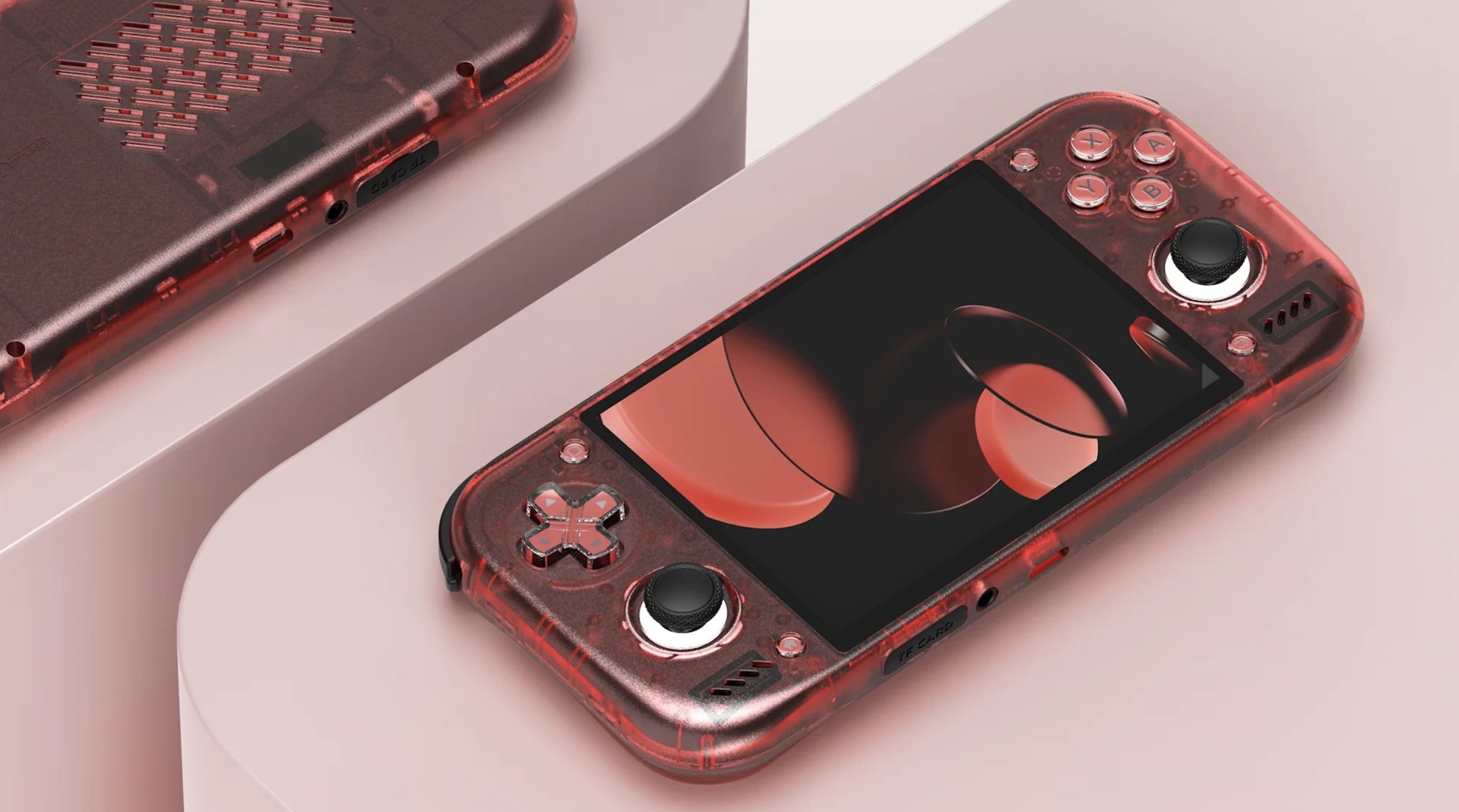
Beyond the PS2, Covers also showcased the Nova’s ability to handle games from other beloved retro platforms. Panzer Dragoon for the Sega Saturn, a console known for its unique and often difficult-to-emulate architecture, performed admirably. Similarly, Dead Or Alive 2 from the Sega Dreamcast, another console that pushed graphical boundaries in its era, ran flawlessly. These demonstrations confirm the Nova’s versatility across different emulation cores and its capacity to deliver a premium experience for a wide range of retro titles.
One of the highlights for many fans was the demonstration of F-Zero GX for the Nintendo GameCube. This particular title is a benchmark for GameCube emulation, known for its fast-paced action and demanding graphics. Covers’ lighthearted joke in the video, "definitely worth the second mortgage" required to buy it, encapsulates the excitement and satisfaction derived from seeing such a challenging game run so smoothly on a handheld. He further drew attention to the "beautiful" 4.5-inch AMOLED screen, emphasizing how the vibrant display enhances the visual experience of these classic games.
Furthermore, the videos extended to more recent handheld generations, demonstrating the Nova’s compatibility with Nintendo 3DS and DS games. This is particularly significant as it highlights the functionality of the Retroid Dual Screen Add-on, an accessory sold separately. The seamless emulation of dual-screen titles, often requiring unique interface solutions for single-screen devices, indicates thoughtful design and robust software integration within the Retroid ecosystem. The ability to play titles from these platforms significantly expands the Nova’s library and appeal, offering a comprehensive portable gaming solution.
Technical Specifications: The Heart of the Nova
The impressive performance showcased in the videos is primarily attributable to the Retroid Pocket Nova’s cutting-edge internal hardware, particularly its Qualcomm QCS8550 processor. This chipset is a variant of the high-performance Snapdragon 8 Gen 2, commonly found in premium flagship smartphones. Its inclusion in a dedicated emulation handheld at the Nova’s price point is a major differentiator. The QCS8550 brings a significant boost in CPU and GPU capabilities, allowing the device to efficiently handle the complex computations and graphical rendering required for accurate and smooth emulation of systems like PS2, GameCube, and 3DS, which were previously beyond the comfortable reach of many mid-range handhelds.
The device’s memory configuration, starting at 8GB of RAM coupled with 128GB of internal storage, provides ample headroom for multitasking, running multiple background applications, and storing a substantial library of games. This memory endowment, combined with the powerful processor, ensures that the Nova can load games quickly and maintain stable performance during extended play sessions.
Complementing its internal power is the Nova’s 4.5-inch AMOLED display. AMOLED technology is renowned for its superior contrast ratios, true blacks, and vibrant color reproduction, offering an immersive visual experience that breathes new life into classic games. The screen’s 4:3 aspect ratio is a deliberate and celebrated design choice, specifically catering to retro gaming enthusiasts. The vast majority of classic console games were designed for 4:3 televisions, and playing them on a native 4:3 screen eliminates the need for distracting black bars (pillarboxing) or distorted stretching that often occurs on modern widescreen displays. This commitment to an authentic retro viewing experience is a strong selling point for the Nova.
The physical design, including the ergonomic considerations and the quality of the buttons and joysticks, also contributes to the overall user experience. While not explicitly detailed in the provided text, the Retroid brand is known for its solid build quality and user-centric designs, which are crucial for comfortable long-term gaming.
The Retroid Ecosystem and Design Philosophy
Retroid has, over the years, cultivated a reputation for building a coherent ecosystem around its devices. The Retroid Pocket Nova continues this tradition, evidenced by its compatibility with the Retroid Dual Screen Add-on. This modular accessory highlights Retroid’s commitment to expanding the functionality and versatility of its handhelds, allowing users to experience games like those from the Nintendo DS and 3DS as they were originally intended. The add-on essentially transforms the single-screen Nova into a dual-screen device, replicating the unique gameplay mechanics of these Nintendo platforms. This level of foresight in design and accessory integration is a significant value proposition for consumers looking for a comprehensive emulation solution.
The choice of a 4:3 aspect ratio screen, as mentioned, is not merely a technical specification but a philosophical statement about the target audience. It signals that Retroid understands and prioritizes the needs of dedicated retro gamers who value authenticity and an uncompromised visual experience for their classic titles. This contrasts with devices that might opt for widescreen displays to cater to modern Android gaming, often at the expense of optimal retro presentation.

Retroid’s Place in the Handheld Emulation Market
Retroid has established itself as a key player in the increasingly crowded handheld emulation market. Starting with popular devices like the Retroid Pocket 2, and evolving through the 2S, 3, 3+, and the innovative Flip, the company has consistently offered a compelling balance of performance, features, and affordability. Its products are often lauded for their community support, regular firmware updates, and robust build quality.
The market itself is vibrant and diverse, ranging from budget-friendly devices from brands like Anbernic to high-end, PC-based handhelds such as the Steam Deck, AYANEO, and GPD Win series. The Retroid Pocket Nova positions itself firmly in the mid-range segment, aiming to offer near-premium performance at a significantly more accessible price point than the high-end Windows-based devices. Its direct competitors would include other Android-based handhelds from brands like Anbernic, AYN, and Powkiddy, all vying for a share of the growing retro gaming enthusiast market.
The introduction of the QCS8550 processor in the Nova is a strategic move that elevates Retroid’s offering, potentially setting a new standard for what consumers can expect from an Android-based emulation handheld in the $200-$300 price bracket. This could force competitors to innovate further or adjust their pricing strategies to remain competitive.
Implications for Consumers and the Emulation Community
The release of these detailed, real-world performance videos carries significant implications for both pre-order customers and the broader emulation community. For those who pre-ordered the Retroid Pocket Nova based on initial announcements and trust in the Retroid brand, these videos serve as crucial validation. They provide concrete evidence that the final production unit is indeed capable of the high-level emulation performance promised, assuaging any lingering doubts that might have arisen from the initial prototype demonstration. This transparency is likely to boost consumer confidence and reinforce brand loyalty.
For the wider emulation community, the Nova’s performance, particularly its ability to handle challenging PS2 and GameCube titles with ease, signifies a positive trend. It indicates that powerful, yet affordable, portable emulation is becoming more accessible. This means that a broader audience can now enjoy a vast library of classic games without needing to invest in more expensive, larger, or less portable solutions. The Nova effectively democratizes access to higher-tier emulation, potentially encouraging new enthusiasts to explore the rich history of video games.
The informal nature of Chris Covers’ videos also fosters a sense of community engagement. It feels less like a corporate dictate and more like a fellow enthusiast sharing exciting findings, which resonates strongly with the grassroots nature of the emulation scene. This approach is often more effective in building genuine excitement and trust than polished marketing campaigns.
Pricing and Availability Reminder
As a reminder for interested parties, the Retroid Pocket Nova starts at a price of $229 for the configuration featuring 8GB of RAM and 128GB of internal storage. It is available in several color options, including Black, 16Bit, and GC (GameCube-inspired). This pricing places it as a premium offering within Retroid’s lineup but remains highly competitive when considering the raw processing power and advanced display technology it incorporates. The pre-order phase has been ongoing, and these new performance videos are expected to further stimulate demand as potential buyers now have a much clearer picture of what the device is capable of delivering. The eventual shipping date for these pre-orders will be the next major milestone for the Retroid Pocket Nova as it transitions from a promising pre-order item to a tangible device in the hands of eager gamers. The full suite of videos remains available for scrutiny on Chris Covers’ YouTube channel, offering an exhaustive look at what could be one of the definitive emulation handhelds of its generation.