Ganda Hendra Perkasa
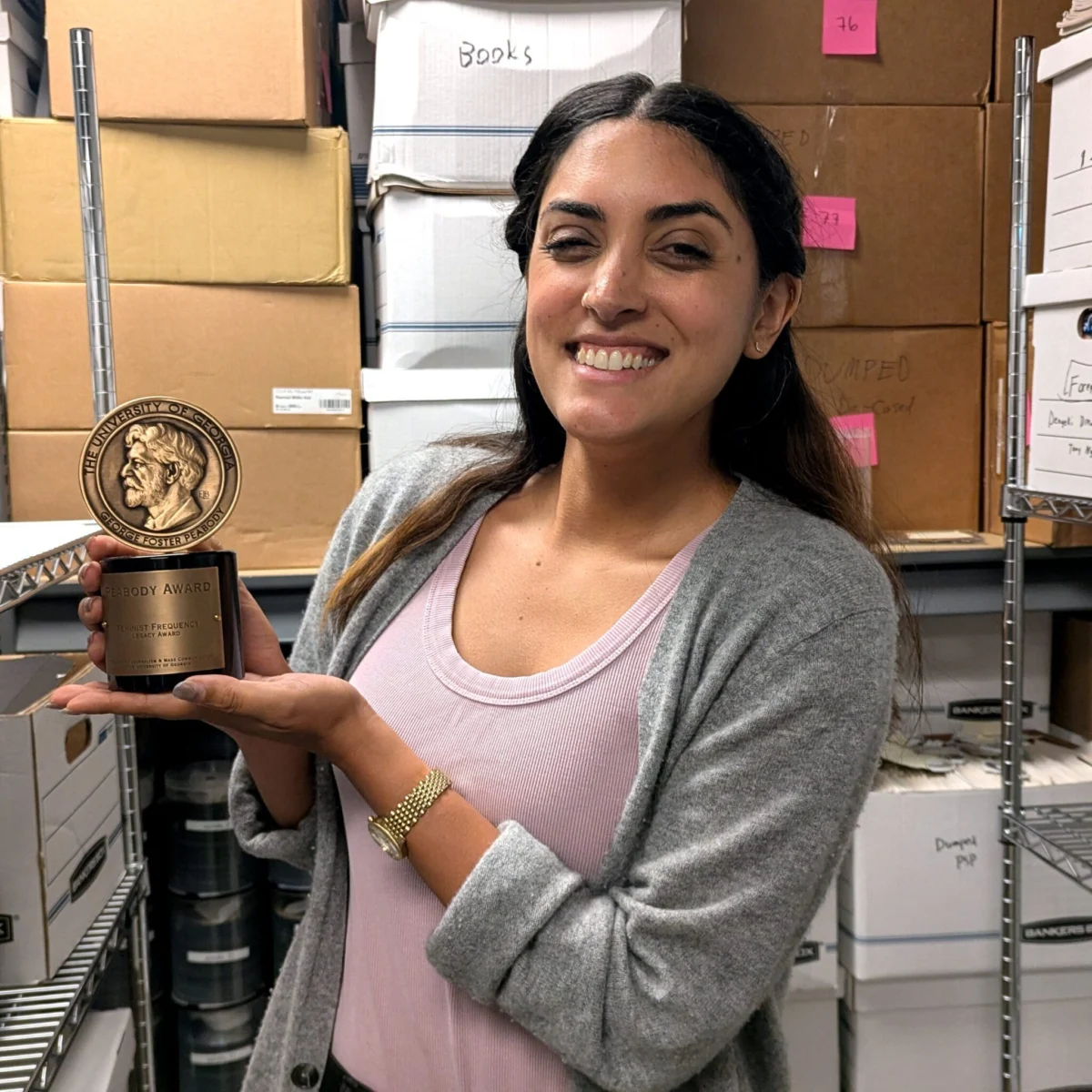
The Video Game History Foundation has kicked off its year with a significant announcement, welcoming Meera Swanson as its new Development Director. This pivotal appointment, detailed in the latest episode of the "Video Game History Hour" podcast, marks a strategic move to bolster the organization’s archival and outreach initiatives. The episode, which recaps the foundation’s first and second quarters of the year, also sheds light on a series of new collection acquisitions and a retrospective on the podcast’s performance and community engagement.
Meera Swanson Appointed Development Director, Charting a New Course for the Foundation
The introduction of Meera Swanson as Development Director represents a significant expansion of the Video Game History Foundation’s leadership structure. Her role is designed to spearhead the development of new projects, enhance existing archival processes, and foster stronger relationships with creators, institutions, and the wider gaming community. Swanson’s vision for the remainder of the year, as shared in the podcast, centers on establishing a robust development department that will be instrumental in securing the future of video game history preservation.
While specific details of Swanson’s background were not elaborated upon in the episode summary, her appointment suggests a strategic focus on growth and innovation. Historically, archival organizations often appoint individuals with a blend of expertise in non-profit management, fundraising, digital preservation, and a deep understanding of the subject matter. The establishment of a dedicated Development Director role indicates a proactive approach to securing the financial and operational resources necessary for the foundation’s ambitious goals. This includes the potential for increased grant funding, corporate sponsorships, and individual donor engagement, all crucial for the long-term sustainability of preserving ephemeral digital and physical media.
A Quarter of Significant Archival Acquisitions: Expanding the Scope of Gaming History
The recap of the foundation’s first and second quarters prominently featured an array of new collections that significantly enrich the understanding of video game history. Phil, a key figure at the foundation, detailed these acquisitions, underscoring their importance in preserving diverse facets of the industry.
Additions to the GamePro CD Collection: The GamePro CD collection represents a critical resource for understanding the transition of gaming magazines into the digital era. GamePro, a prominent publication during the 1990s and early 2000s, provided comprehensive coverage of console and PC gaming. The inclusion of additional GamePro CDs signifies an effort to preserve not only the editorial content but also the interactive elements, demos, and supplemental materials that were integral to these discs. This move is particularly relevant given the rapid obsolescence of CD-ROM technology and the challenges in accessing and emulating software from this period. The preservation of these discs ensures that future researchers and enthusiasts can experience the full breadth of content offered by such publications, offering insights into gaming trends, hardware reviews, and the evolving landscape of game marketing.
Speaker Audio Cassettes from the 2nd Computer Game Developers Conference: The inclusion of audio cassettes from the 2nd Computer Game Developers Conference is a remarkable acquisition, offering a unique window into the early days of game development discourse. The Computer Game Developers Conference (CGDC), a precursor to the Game Developers Conference (GDC), was a pivotal event where pioneers of the nascent video game industry gathered to share knowledge, discuss challenges, and shape the future of the medium. Audio recordings from these early conferences are exceedingly rare and invaluable. They provide direct access to the unvarnished thoughts, technical discussions, and nascent design philosophies of individuals who were literally building the foundations of the industry.
The 2nd CGDC, held in the late 1980s or early 1990s, would have captured a period of significant technological advancement and creative ferment. This era saw the transition from 8-bit to 16-bit systems, the emergence of new genres, and the growing professionalization of game development. The speaker audio cassettes likely contain discussions on topics such as early artificial intelligence techniques, graphics programming for emerging hardware, narrative design, and the business challenges of a rapidly expanding market. Preserving these recordings ensures that the foundational conversations and debates that shaped modern game development are not lost to time. This is especially important as many of the individuals who participated in these early conferences may no longer be active in the industry or alive to share their recollections.
Neopets The Official Magazine: The acquisition of "Neopets The Official Magazine" speaks to the foundation’s commitment to preserving the history of online gaming and its associated culture. Neopets, launched in 1999, was a groundbreaking virtual pet website that garnered immense popularity, particularly among younger audiences. The official magazine served as an extension of this digital phenomenon, offering content related to gameplay, character lore, community events, and merchandise.
Preserving this magazine is crucial for understanding the broader cultural impact of early online games and the strategies employed to monetize and expand virtual worlds. It offers insights into how a digital brand translated into tangible media and fostered a sense of community beyond the screen. The magazine’s content can reveal fan engagement strategies, the evolution of virtual economies, and the development of a dedicated fanbase. Furthermore, it contributes to the growing body of work on the history of digital communities and the intersection of online and offline culture. The material also provides a valuable counterpoint to the often male-dominated narratives in early gaming history, highlighting the significant engagement of a younger, and often female, demographic with interactive entertainment.
Podcast Performance and Community Resonance: A Look Back at the Year So Far
Robin’s review of the podcast’s performance in the first half of the year provided valuable insights into listener engagement and the topics that have resonated most with the "Video Game History Hour" audience. While specific metrics were not detailed, the qualitative assessment suggests a growing and engaged listenership.
The podcast’s format, which typically features in-depth discussions with historians, developers, collectors, and preservationists, has clearly found an appreciative audience. The topics that have resonated most likely include those that tap into nostalgia, offer new perspectives on well-known games and companies, or shed light on overlooked aspects of gaming history. Episodes that delve into the creation of iconic titles, the business machinations of industry giants, or the personal stories of those who shaped the medium often draw significant attention.
The mention of what resonated "with her and others" suggests a conscious effort by the podcast team to gauge listener feedback and tailor future content accordingly. This feedback loop is essential for any media organization aiming to build and maintain a dedicated community. It allows for the identification of popular themes, preferred guest types, and even the desired depth of discussion. The fact that the podcast continues to be released every other Wednesday, with early access for Patreon supporters, demonstrates a commitment to consistent content delivery and a tiered engagement model that rewards loyal patrons.
The Importance of Archival Efforts in the Digital Age
The work of the Video Game History Foundation, as highlighted in this episode, is more critical than ever. The rapid pace of technological change means that digital artifacts, from game code to online experiences, are incredibly fragile. The obsolescence of hardware, the closure of servers, and the loss of source code are constant threats to the preservation of video game history.
Supporting Data and Context:
- Digital Obsolescence: Many classic video games are inaccessible today due to the lack of compatible hardware and operating systems. For example, the vast majority of titles for the Atari 2600 or early PC platforms require specific, often aging, hardware to run. Emulation efforts, while valuable, are not always perfect and can miss nuances of the original experience.
- Ephemeral Nature of Online Games: Massively Multiplayer Online (MMO) games and early online services often disappear when their servers are shut down. The "Neopets" example is pertinent; while the game still exists, its early iterations and the context of its initial popularity are harder to capture without archival materials like official magazines.
- Rarity of Early Developer Materials: The Computer Game Developers Conference audio cassettes represent a treasure trove. Early game development was often a solitary or small-team endeavor, and detailed records of design decisions, technical challenges, and industry debates were not always systematically kept. The oral histories captured in these recordings are invaluable primary sources.
- Magazine as a Primary Source: Gaming magazines of the past served multiple roles: news dissemination, game reviews, previews, and a reflection of gaming culture. The GamePro CD collection, for instance, offers not just articles but also playable demos, which provide a direct interactive experience of the games being discussed. The preservation of these physical and digital artifacts is crucial for understanding the marketing, reception, and evolution of games.
Broader Impact and Implications
The initiatives undertaken by the Video Game History Foundation have far-reaching implications for several stakeholders:
- Researchers and Academics: The foundation’s work provides invaluable primary source material for scholars studying game design, media history, cultural studies, and technology. Access to original magazines, developer conference recordings, and early digital content allows for a more nuanced and accurate understanding of the past.
- Game Developers: Preserving the history of game development can serve as both an inspiration and a cautionary tale for current and future developers. Understanding the challenges and innovations of past eras can inform contemporary design decisions and business strategies.
- The Gaming Community: For players and enthusiasts, the foundation’s efforts ensure that the games and experiences that have shaped their passion are not forgotten. This fosters a sense of connection to the medium’s heritage and allows for a deeper appreciation of its evolution.
- Cultural Heritage: Video games are a significant cultural product of the late 20th and 21st centuries. Their preservation is as important as the archiving of films, music, and literature, contributing to a comprehensive understanding of human creative output.
The appointment of Meera Swanson as Development Director, coupled with the continuous efforts to acquire and preserve significant archival materials, positions the Video Game History Foundation as a vital institution in safeguarding a critical aspect of modern culture. The ongoing success of the "Video Game History Hour" podcast further amplifies this mission, engaging a broad audience and fostering a deeper appreciation for the rich and complex history of video games. The foundation’s work is not merely about collecting old media; it is about ensuring that the stories, innovations, and cultural impact of video games are accessible and understood for generations to come.
About the Video Game History Foundation:
The Video Game History Foundation is a non-profit organization dedicated to preserving, celebrating, and teaching the history of video games. Through archival work, educational initiatives, and public outreach, the foundation aims to ensure that the legacy of this influential medium is not lost to time.
Contact:
Video Game History Foundation
Email: [email protected]
Website: https://gamehistory.org/
Support on Patreon: /gamehistoryorg