Cecilia Chamidah Nur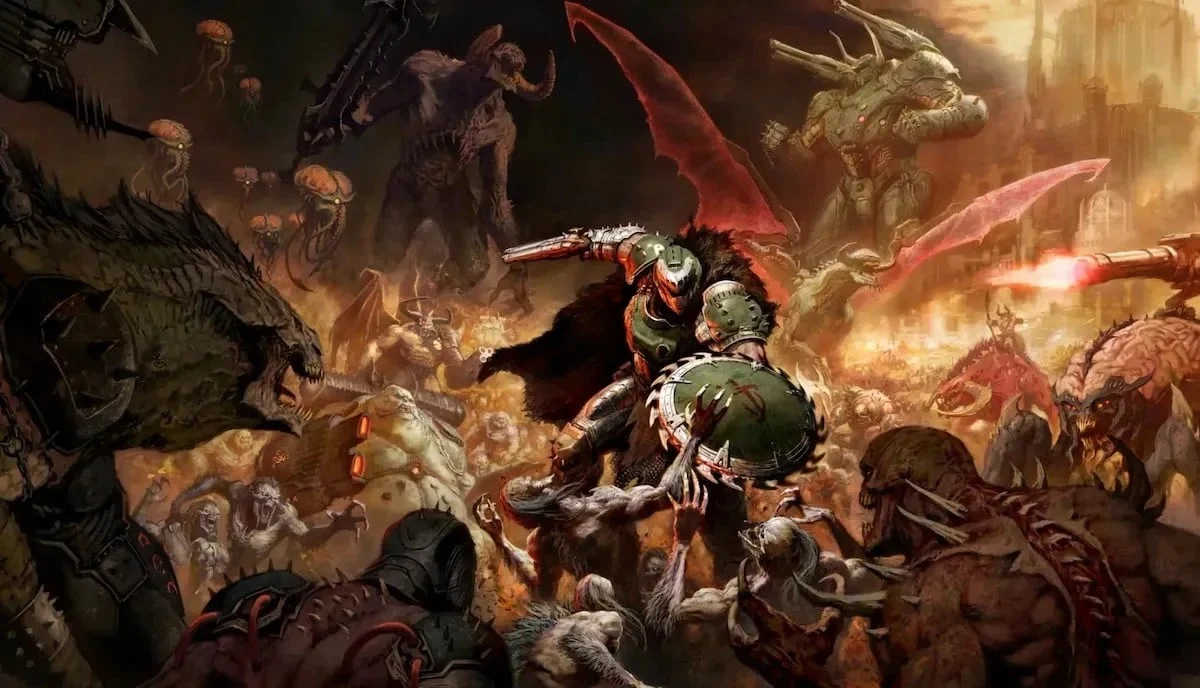
The gaming industry, a dynamic landscape often characterized by rapid innovation and passionate communities, is currently navigating a period of significant upheaval. Amidst widespread corporate restructuring and widespread layoffs, one of the sector’s most storied developers, id Software, the creative force behind iconic franchises like DOOM and Quake, has reportedly been drastically downsized. This development comes as part of a broader layoff campaign initiated by Microsoft, its parent company since 2021. The news has drawn a candid and reflective response from id Software co-founder John Carmack, whose previous optimism about Microsoft’s stewardship now appears tempered by the stark realities of corporate consolidation.
The Recent Restructuring and Its Impact on id Software
Microsoft, a technology titan with extensive interests in gaming through its Xbox division, recently announced a significant round of layoffs impacting its gaming sector. On July 15, 2026, the company confirmed the elimination of approximately 3,200 positions across its Xbox Game Studios, ZeniMax Media, and Activision Blizzard segments. This move, which Microsoft stated was a necessary measure to "align our resources with our strategic priorities and ensure the long-term health of our business," followed a series of similar workforce reductions throughout the tech and entertainment industries over the preceding eighteen months.
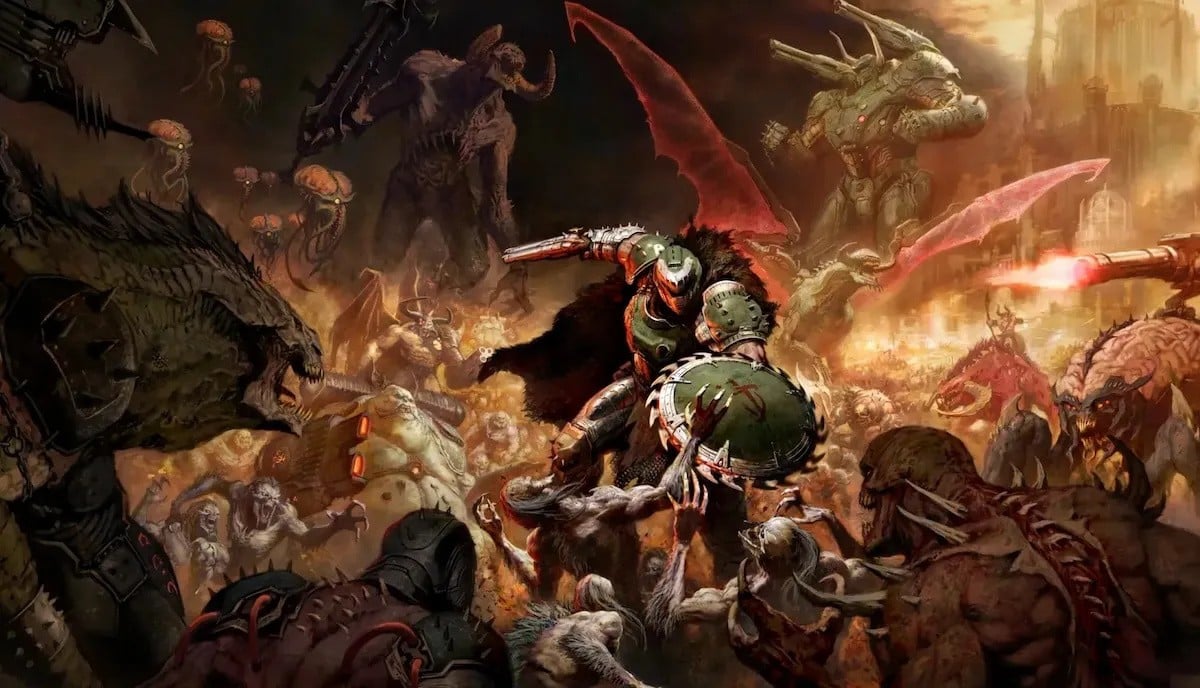
Reports indicate that id Software, a studio celebrated for its groundbreaking contributions to the first-person shooter genre, was particularly hard hit. Sources familiar with the internal changes, which emerged shortly after the launch of the DOOM: The Dark Ages Revelations downloadable content, suggest that the studio has been effectively reduced to a "support studio." This new operational model implies a shift from leading major new game development to primarily assisting other Xbox Game Studios on their projects, a significant departure from its historical role as an independent creative powerhouse. While the exact number of personnel affected at id Software specifically remains undisclosed, the impact is understood to be substantial, with some reports suggesting a reduction of up to half its previous headcount. This drastic measure raises immediate questions about the studio’s future creative autonomy and its capacity to deliver the large-scale, innovative titles for which it is renowned.
John Carmack’s Measured Disappointment
The news prompted a public statement from id Software co-founder John Carmack, a legendary programmer and engineer who played a pivotal role in shaping the studio’s early successes. Taking to social media on July 16, 2026, Carmack shared his perspective on the situation, acknowledging the difficulty of finding "something meaningful to say about the Id Software layoffs." His comments carried a poignant undertone, particularly in light of his past remarks. In 2021, following Microsoft’s acquisition of ZeniMax Media (id Software’s then-parent company), Carmack had expressed a degree of optimism, stating that "Microsoft will probably be a good steward of the brand." He candidly admitted that this earlier sentiment "isn’t aging well," a reflection that casts a shadow over the upcoming founder reunion at QuakeCon, scheduled for the following month. The event, eagerly anticipated as the first time all four id co-founders – John Carmack, Adrian Carmack, Tom Hall, and John Romero – would be together since 1993, now finds itself overshadowed by the recent developments.
Carmack’s reaction, while clearly saddened, was notably devoid of overt anger or outrage. He articulated a pragmatic viewpoint, stating, "I don’t have access to the books, but I suspect that Id Software was a marginal business from Microsoft’s perspective." This assessment aligns with broader industry trends where even critically acclaimed studios may struggle to meet the profitability metrics expected by large corporate entities. He further speculated, "I believe the reports that Minecraft revenues have been carrying several other studios. To continue being produced long term, games need to succeed, not just be beloved." This statement highlights a fundamental tension in the modern gaming industry: the balance between artistic merit and commercial viability, especially within the context of a multi-billion dollar conglomerate.
Delving deeper into the potential reasons for id Software’s perceived "marginal" status, Carmack offered a series of thought-provoking questions, demonstrating his characteristic analytical approach. While acknowledging the cynical possibility that "You can’t rule out the possibility that executives are idiots," he urged against making that a default assumption. Instead, he presented a series of complex business challenges:
- "I don’t think there is any obvious path that would have doubled the revenue from Id games."
- "Could they have gotten more with a different pricing strategy?"
- "Could they have created more things for fans to buy?"
- "Could they have cost-effectively marketed in a way that reached more players who would have loved and bought the games?"
- "Could they have changed the game designs and broadened the appeal to more players without alienating existing ones?"
- "Could they have produced the games at a lower cost, faster or cheaper?"
These questions collectively underscore the multifaceted challenges game studios face in today’s hyper-competitive market, from product development and marketing to monetization strategies. Carmack’s inability to definitively answer these points, despite his deep technical and creative understanding of game development, illustrates the complex economic pressures at play. Despite the grim outlook, Carmack concluded his statement on a cautiously hopeful note: "The game isn’t over yet, and I hope the studio rallies through." This sentiment, while perhaps not universally shared by the remaining id Software staff, speaks to the enduring spirit of innovation that has long defined the studio.
A Legacy Under Scrutiny: The History of id Software
Founded in 1991 by John Carmack, Adrian Carmack, Tom Hall, and John Romero, id Software quickly established itself as a pioneer in the burgeoning PC gaming scene. The studio’s early titles, Wolfenstein 3D (1992), DOOM (1993), and Quake (1996), were not merely successful games; they were technological marvels that pushed the boundaries of 3D graphics, networking, and game engine development. John Carmack’s innovative programming, particularly his work on id Tech engines, licensed to numerous other developers, revolutionized the industry and laid the groundwork for the modern first-person shooter. These games were instrumental in popularizing online multiplayer and modding culture, fostering communities that extended the lifespan and impact of their creations far beyond initial release.
The studio maintained a reputation for technical excellence and creative integrity for decades. However, like many independent studios, id Software eventually sought broader support. In 2009, ZeniMax Media, a private media company, acquired id Software. This acquisition was seen by some as a necessary step for id to secure funding for larger projects and benefit from ZeniMax’s publishing and marketing infrastructure. Under ZeniMax, id Software continued to produce critically acclaimed titles, including DOOM (2016) and DOOM Eternal (2020), which successfully revitalized the classic franchise for a new generation while honoring its brutal, fast-paced roots.
The next major chapter in id Software’s corporate history came in 2021 when Microsoft acquired ZeniMax Media for an estimated $7.5 billion. This monumental acquisition brought a host of high-profile studios, including Bethesda Softworks, Arkane Studios, MachineGames, and id Software, under the Xbox Game Studios umbrella. The move was widely interpreted as a strategic play by Microsoft to bolster its Xbox Game Pass subscription service with exclusive, high-quality content, directly competing with rivals like Sony and Nintendo. At the time, industry analysts hailed the acquisition as a game-changer, providing Microsoft with a deep well of intellectual property and development talent. Carmack’s earlier optimism regarding Microsoft’s stewardship was rooted in the perceived stability and resources that a tech giant could offer, potentially allowing studios like id to focus purely on development without the financial pressures of independent publishing.
Broader Context: The Gaming Industry’s Volatile Landscape
The recent layoffs at Microsoft are not an isolated incident but rather indicative of a wider, unsettling trend sweeping across the global gaming industry. The period between late 2022 and mid-2026 has been marked by an unprecedented wave of job cuts, affecting thousands of employees at companies ranging from small independent developers to major publishers. According to data compiled by various industry trackers, over 20,000 gaming professionals lost their jobs in 2023 alone, with similar or even higher numbers projected for 2024-2026.
Several factors are believed to be contributing to this volatile environment:
- Post-Pandemic Correction: The COVID-19 pandemic led to a surge in gaming activity and investment, prompting many companies to expand rapidly. As pandemic-era boosts waned and consumer spending shifted, many studios found themselves overstaffed relative to current market demands.
- Economic Headwinds: Global economic uncertainties, including inflation and rising interest rates, have led to tighter budgets for both consumers and corporations, impacting game sales and investment in new projects.
- Consolidation and Restructuring: Large acquisitions, such as Microsoft’s purchase of ZeniMax and later Activision Blizzard, often lead to redundancies as parent companies seek to streamline operations and eliminate overlapping roles. The integration of diverse corporate cultures and technological platforms can also be complex and costly.
- Shifting Business Models: The industry’s increasing pivot towards live-service games, subscription models (like Game Pass), and mobile gaming requires different development and operational structures. Studios focused on traditional premium single-player experiences may face challenges in adapting to these evolving market dynamics.
- High Development Costs: The cost of developing AAA games continues to escalate, making each project a high-stakes venture. Publishers are increasingly risk-averse, favoring established franchises or proven formulas, and demanding higher returns on investment.
Microsoft, despite its vast resources, is not immune to these pressures. The company has made massive investments in content, particularly with its Game Pass strategy. While Game Pass has successfully attracted millions of subscribers, the profitability of such a model relies on a delicate balance between content acquisition costs, subscriber growth, and retention. Decisions like reducing a storied studio like id Software to a "support studio" can be interpreted as a move to optimize resource allocation and ensure that every part of its vast gaming empire contributes efficiently to the overarching corporate strategy.
Analysis of Implications and Future Outlook
The reported reduction of id Software to a support studio carries significant implications for the studio itself, for Microsoft’s Xbox strategy, and for the broader gaming industry.
For id Software, the most immediate consequence is a potential loss of creative autonomy. Historically, id Software has been known for its distinct vision and pioneering spirit. Shifting to a support role might mean less freedom to initiate and lead its own projects, instead dedicating its technical prowess to assisting other teams. This could impact morale, potentially leading to the departure of key talent who prefer to work on their own original titles. While supporting other studios can provide valuable cross-pollination of ideas and technologies, it fundamentally alters the identity of a studio that has always been at the forefront of innovation. The future of id Software’s iconic franchises, such as DOOM and Quake, could also be affected, with potential for longer development cycles, different creative directions, or even a shift towards co-development with other studios.
For Xbox/Microsoft, the decision reflects a strategic imperative to maximize return on investment from its massive acquisitions. By consolidating resources and optimizing studio functions, Microsoft aims to ensure that its vast portfolio of intellectual property is efficiently utilized to bolster the Xbox ecosystem, particularly Game Pass. This approach, while financially prudent, risks alienating segments of the gaming community who value the unique artistic visions of individual studios. Balancing the need for profitability with the desire to foster creative excellence remains a persistent challenge for large corporations in the entertainment sector. The public perception of Xbox, already under scrutiny for recent layoffs, will also be impacted by how it manages the legacy of a studio as revered as id Software.
For the gaming industry as a whole, id Software’s situation serves as a stark reminder of the ongoing consolidation and the pressures faced by even the most established developers. It highlights a growing concern about creative freedom within large corporate structures. As more independent studios are acquired by conglomerates, there is an inherent tension between artistic integrity and corporate mandates for efficiency and profitability. The "support studio" model, while not new, signifies a potential trend where specialized teams are leveraged across a broader portfolio rather than focusing solely on their own distinct projects. This could lead to more homogenized experiences or, conversely, to more technically polished games across the board, depending on how effectively these resources are deployed.
John Carmack’s concluding hope that "the studio rallies through" encapsulates the complex mix of admiration for id Software’s past achievements and trepidation for its future. The gaming landscape is continuously evolving, and while financial stability is crucial, the industry also thrives on the unique visions and groundbreaking innovations that studios like id Software have historically provided. How id Software navigates this new chapter, and how Microsoft leverages its talent, will be a significant story to watch in the coming years.