Cecilia Chamidah Nur
Sony Interactive Entertainment has ignited a significant debate within the global gaming community with its recent declaration: the company will cease the production of physical media for its PlayStation 5 console by 2028, with its successor, the PlayStation 6, slated to be an exclusively digital platform. This pivotal strategic shift marks an undeniable turning point for one of the industry’s most influential players, solidifying a trajectory towards an all-digital future that has been years in the making. The announcement has been met with a fervent mixture of apprehension and resignation, sparking widespread discussions about consumer rights, game preservation, and the very nature of ownership in the digital age.
The immediate fallout from Sony’s announcement has been pronounced. Online petitions rapidly garnered hundreds of thousands of signatures, reflecting a deep-seated desire among many gamers for the continuation of physical game releases. However, industry analysts are largely in agreement that these public appeals are unlikely to sway Sony from its course. The transition to digital distribution is not an impulsive decision but rather the culmination of evolving market dynamics and a calculated business strategy aimed at optimizing efficiency and profitability. With digital sales now overwhelmingly dominating the video game landscape, the economic incentives for maintaining a physical media infrastructure have steadily eroded.
The Inevitable Shift: A Chronology of Digital Dominance
The move towards digital-only gaming has been a gradual yet relentless process, driven by technological advancements and shifting consumer habits. Its roots can be traced back to the early 2000s with the advent of robust internet infrastructure and the emergence of PC digital storefronts like Steam, which revolutionized how PC games were purchased and managed. Consoles soon followed suit, with Microsoft’s Xbox Live Arcade and Sony’s PlayStation Network (PSN) providing platforms for digital game downloads, initially for smaller titles and eventually expanding to full-priced retail releases.
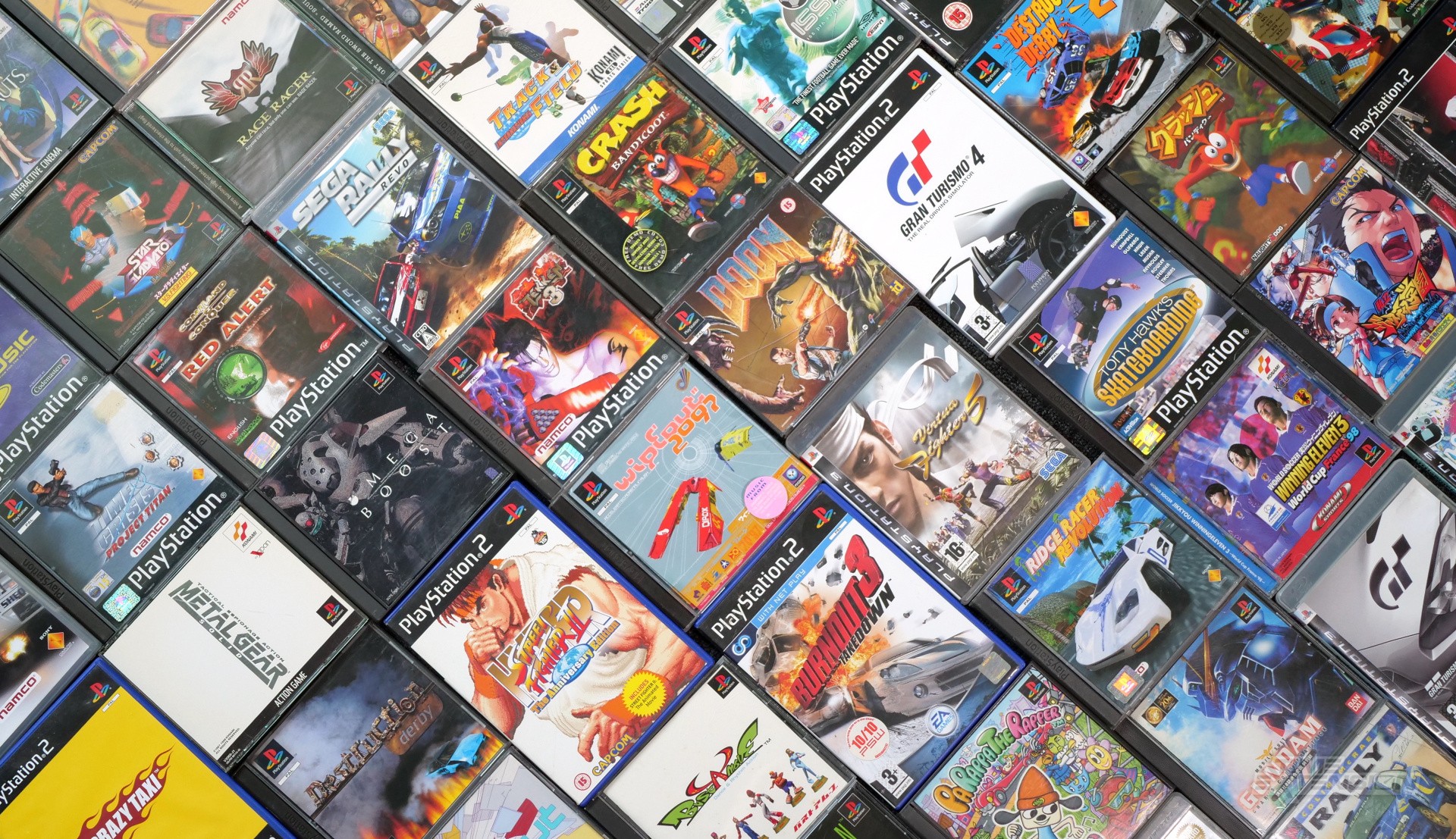
Over the past decade, the balance has decisively tipped. Data consistently shows a sharp decline in physical game sales, paralleled by a dramatic surge in digital purchases. For instance, recent industry reports indicate that digital sales now account for over 80% of the total video game market revenue, a figure that continues to grow year-on-year. This trend is not unique to PlayStation; competitors like Microsoft have already embraced digital-first strategies, exemplified by the launch of the Xbox Series S, a disc-less console, alongside the disc-drive-equipped Series X.
Sony’s own actions have long foreshadowed this transition. The introduction of a Digital Edition for the PlayStation 5, offered at a slightly lower price point without an optical drive, served as a clear precursor to the company’s long-term vision. Furthermore, the expansion of subscription services like PlayStation Plus, which offers access to vast digital libraries and cloud streaming, further accustomed consumers to a model of accessing rather than physically owning games. This incremental acclimatization has paved the way for the radical step announced, demonstrating a calculated progression towards a fully digital ecosystem.
Economic Drivers: Why Sony is Making the Move
At its core, Sony’s decision is driven by compelling economic imperatives. The cessation of physical media production and the removal of optical drives from future consoles yield significant cost savings across multiple operational facets:
- Manufacturing Costs: Eliminating the optical disc drive from console hardware reduces component costs and simplifies the manufacturing process. While the exact savings per unit can vary, this can translate into substantial aggregate savings over millions of consoles produced.
- Production and Distribution Costs of Physical Media: The process of manufacturing physical discs, printing packaging, shipping units to distribution centers, and then to retail stores involves considerable expense. By moving entirely to digital, Sony eliminates these costs, including raw materials, logistics, and warehousing.
- Increased Profit Margins: Digital sales cut out the middleman – the retailer. When a physical game is sold, a portion of the revenue goes to the retailer. In a digital-only model, Sony retains a significantly larger percentage of each sale, directly boosting profit margins. This is often cited as a primary driver for publishers transitioning away from physical distribution.
- Elimination of the Second-Hand Market: The secondary market for used games, while beneficial for consumers, represents "lost sales" for publishers and platform holders. A digital-only ecosystem effectively eradicates this market, ensuring that every "purchase" is a new transaction from which Sony directly benefits. This strategic move aligns with a broader industry trend of consolidating control over game distribution and revenue streams.
Analysts have widely acknowledged that Sony, as a publicly traded company with obligations to its shareholders, is prioritizing revenue generation and operational efficiency. The current market dynamics, where physical media contributes a diminishing percentage to the bottom line, make the decision to discontinue it a logical, albeit controversial, business choice. The chances of Sony reversing this decision, despite public outcry, are considered almost non-existent due to these deeply entrenched financial motivations and the significant investments already made in its digital infrastructure.
Consumer Rights and the Ownership Dilemma
One of the most profound implications of an all-digital future revolves around the fundamental concept of ownership. When a consumer purchases a physical game disc, they acquire a tangible item that they can resell, lend, or keep indefinitely. This represents traditional ownership. In contrast, purchasing a digital game typically grants the consumer a license to play the software, not outright ownership of the software itself. This distinction carries significant ramifications for consumer rights.
The licensing model means that access to a digital game is often contingent on the platform holder’s continued support for the game and its servers. There have been documented instances in the entertainment industry where digitally purchased content – including movies and TV shows – has been revoked or rendered inaccessible by distributors due to licensing agreements expiring or platform shutdowns. For gamers, this raises legitimate concerns about the long-term availability of their purchased libraries. Should a digital storefront close, or specific game licenses expire, consumers risk losing access to titles they "bought" outright, effectively transforming their purchases into long-term rentals without the transparency of a subscription model.
The inability to resell or lend games also fundamentally alters consumer behavior and economic patterns. For many gamers, particularly those with limited budgets, the trade-in system provided an essential avenue for experiencing a wider variety of titles. Trading in a completed game to offset the cost of a new one was a common practice that supported both individual gamers and secondary retailers. The eradication of this system by an all-digital model removes a critical layer of consumer flexibility and economic utility, potentially limiting access to new games for a segment of the player base.
The Preservation Crisis: A Digital Void for Gaming History
Beyond immediate consumer concerns, the shift to an all-digital landscape poses an existential threat to video game preservation. Physical media, despite its vulnerabilities, offers a tangible artifact that can be archived, studied, and accessed independently of a publisher’s ongoing support. Digital-only titles, however, are far more susceptible to becoming "lost media."

The challenges of digital preservation are manifold:
- Server Dependence: Many modern digital games require online authentication or server access to function fully, or even at all. If these servers are shut down, the game can become unplayable.
- Platform Obsolescence: As older consoles and operating systems become obsolete, the digital storefronts that hosted their games may also cease to exist. Migrating these titles to new platforms is not always feasible or prioritized by publishers.
- Constant Updates: Digital games are frequently updated, meaning the original launch version often disappears. This makes it challenging to preserve specific historical iterations of a game, which is crucial for understanding its development and cultural impact.
- Copyright and Licensing: The complex web of copyrights, licenses, and intellectual property rights makes it difficult for third-party archivists or museums to legally preserve and distribute digital-only titles without explicit permission from rights holders, which is rarely granted.
The mobile gaming market provides a stark illustration of this "lost media" phenomenon. Thousands of mobile games have been removed from app stores over the years, rendering them inaccessible and effectively lost to history. Without a physical counterpart, these titles often vanish without a trace, depriving future generations of a complete record of gaming’s evolution. While efforts by organizations like the Video Game History Foundation highlight the dire state of game preservation – with studies indicating a vast percentage of classic games are critically endangered – the move to digital-only exacerbates an already challenging situation, placing the onus entirely on publishers who have historically demonstrated varying levels of commitment to their own legacies.
Impact on Retail and Secondary Markets
The transition to digital-only distribution will undoubtedly have a profound impact on the retail landscape and the secondary market for video games. Brick-and-mortar game stores, already facing intense competition from online retailers and digital storefronts, will see a significant revenue stream disappear. Stores that specialized in new and used physical games, such as the UK’s CeX, have played a vital role in the gaming ecosystem, offering affordable access to titles and providing a means for consumers to monetize their old games.
The elimination of trade-ins and lending further centralizes control over game distribution and sales within the publisher’s ecosystem. For corporations, this is a net positive, as every transaction occurs directly through their channels, eliminating competition and secondary market activity that they perceive as cannibalizing new sales. For consumers, however, it removes flexibility and can increase the overall cost of engaging with the hobby, particularly for those who relied on these systems to manage their gaming budgets. The communal aspect of lending games to friends, a common practice for decades, will also become a relic of the past, further privatizing the gaming experience.
The Collector’s Conundrum and Niche Markets
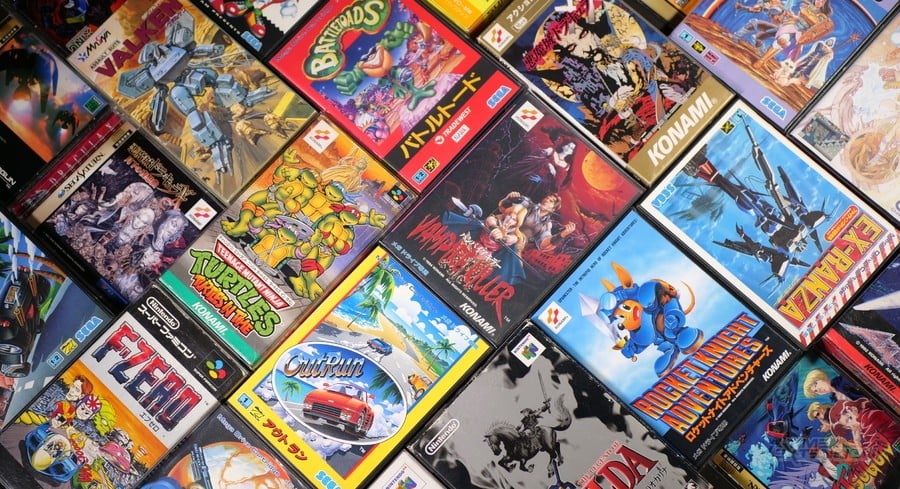
For dedicated collectors, the shift presents a unique conundrum. The allure of collecting physical media lies in the tangible nature of the items – the box art, the disc or cartridge, and the sense of owning a piece of gaming history. While modern game collecting may decline in the mainstream, there’s a strong likelihood that niche markets for physical media will persist, albeit in a specialized form.
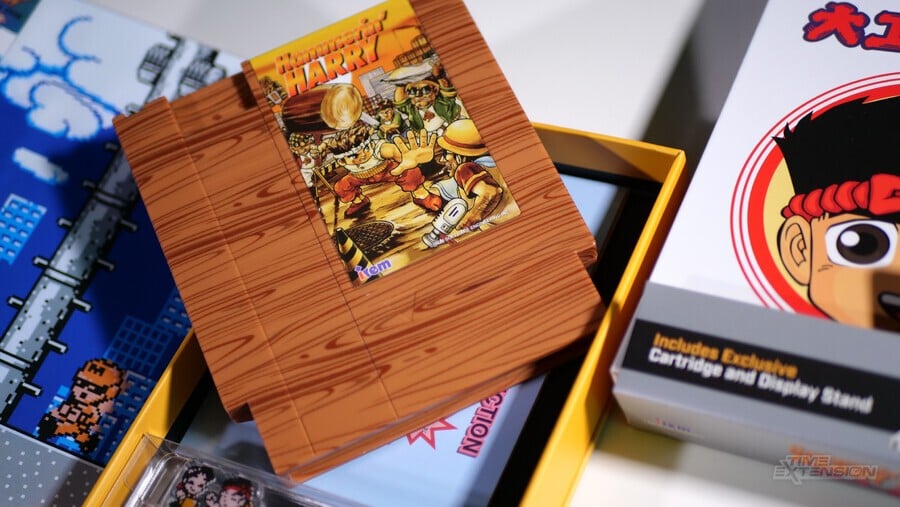
The music industry offers a compelling parallel: despite the dominance of digital streaming, vinyl records have experienced a remarkable resurgence, growing in sales year-on-year. Similarly, "dead" formats like audio cassettes and compact discs are also seeing renewed interest among specific enthusiast groups. This suggests that even as mainstream gaming goes digital, there may always be a passionate segment of the market that values the physicality of media. We already see this in the retro gaming scene, where new physical cartridges are still produced for consoles like the Mega Drive, SNES, and Game Boy.
However, a key distinction for future console releases like the PS5 or PS6 is the proprietary nature of their media. Unlike universal formats, discs pressed for PlayStation consoles are designed to run only on specific Sony hardware. If a niche market for physical PlayStation games were to emerge, it would need to contend with this ecosystem lock-in, potentially requiring specialized, non-official hardware or complex workarounds to function. This makes a widespread "vinyl resurgence" scenario for modern PlayStation titles less straightforward than for music or older, more open gaming platforms.
Potential Unintended Consequences and the Path Forward
Sony’s aggressive move towards an all-digital future is not without potential unintended consequences. One significant concern raised by some observers is the potential for an increase in software piracy. If consumers perceive that they are merely "renting" digital games at full retail price without true ownership rights, the incentive to seek alternative, less legal means of obtaining entertainment might grow. For a segment of the market, the tangible value of a physical item justifies the cost; without it, the perceived value proposition may diminish, potentially pushing some towards piracy as a means of retaining a sense of ownership or ensuring long-term access.
Furthermore, an exclusively digital ecosystem could exacerbate the "digital divide," particularly in regions with unreliable internet infrastructure, limited bandwidth, or prohibitive data costs. Large game downloads and constant updates could become barriers to entry for certain demographics, potentially limiting the accessibility of PlayStation’s offerings.
As the industry navigates this new terrain, the long-term ramifications of Sony’s decision remain to be fully seen. While the immediate economic benefits for Sony are clear, the broader impact on consumer expectations, the preservation of gaming history, and the structure of the video game market will unfold over the coming years. The transition represents a decisive step into a future where digital access, rather than physical ownership, defines the gaming experience, challenging established norms and demanding new considerations for how games are created, distributed, and ultimately, remembered.