Cecilia Chamidah Nur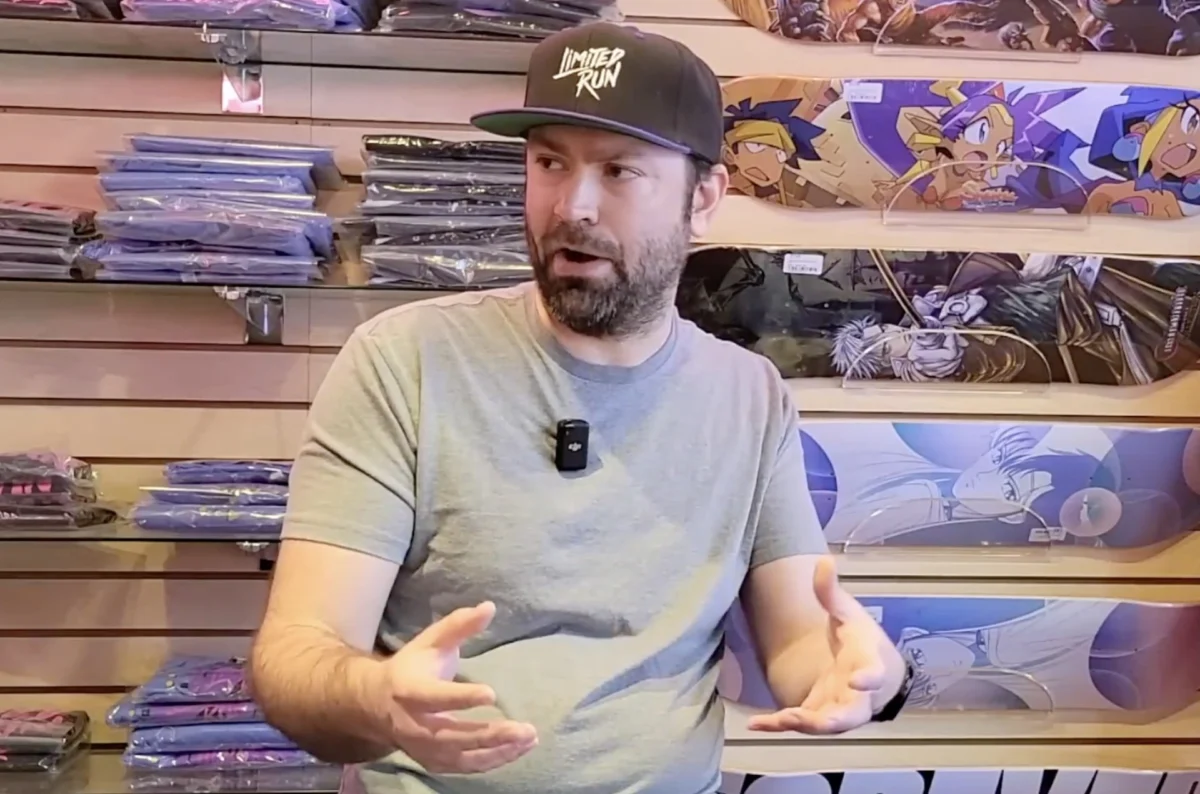
Josh Fairhurst, a pivotal figure in the rise of boutique physical game publishing and co-founder of the influential Limited Run Games, has unequivocally stated that the market segment he helped pioneer is now "oversaturated" and that "trying to enter now as a new company would be a deathwish." This stark assessment comes shortly after Fairhurst’s departure from Limited Run Games, a company he led through significant growth and its eventual acquisition by Embracer Group in 2022. His comments offer a rare, unfiltered look into the competitive landscape of a niche industry that has captivated collectors and preservationists alike.
The Genesis of a Niche: Limited Run Games’ Impact
Limited Run Games emerged over a decade ago, co-founded by Josh Fairhurst and Douglas Bogart. The company’s origins were rooted in Fairhurst’s desire to give physical releases to games from his own Mighty Rabbit Studios, recognizing an unmet demand within the burgeoning digital games landscape. At a time when major publishers were increasingly shifting towards digital-only distribution, leaving many acclaimed indie titles and even some mainstream digital releases without a physical footprint, Limited Run Games carved out a unique space.
Their business model, centered on producing limited-quantity physical editions of previously digital-only titles, resonated deeply with collectors, enthusiasts, and those concerned with game preservation. The inherent scarcity of these releases often led to rapid sell-outs and, in some cases, significant aftermarket value, fueling a collector’s frenzy. Over its lifespan, Limited Run Games forged partnerships with a formidable roster of industry giants, including Capcom, Sega, Atari, Arc System Works, and Konami, bringing hundreds of titles to physical media that might otherwise have been lost to the digital ether or remained inaccessible to physical media purists.
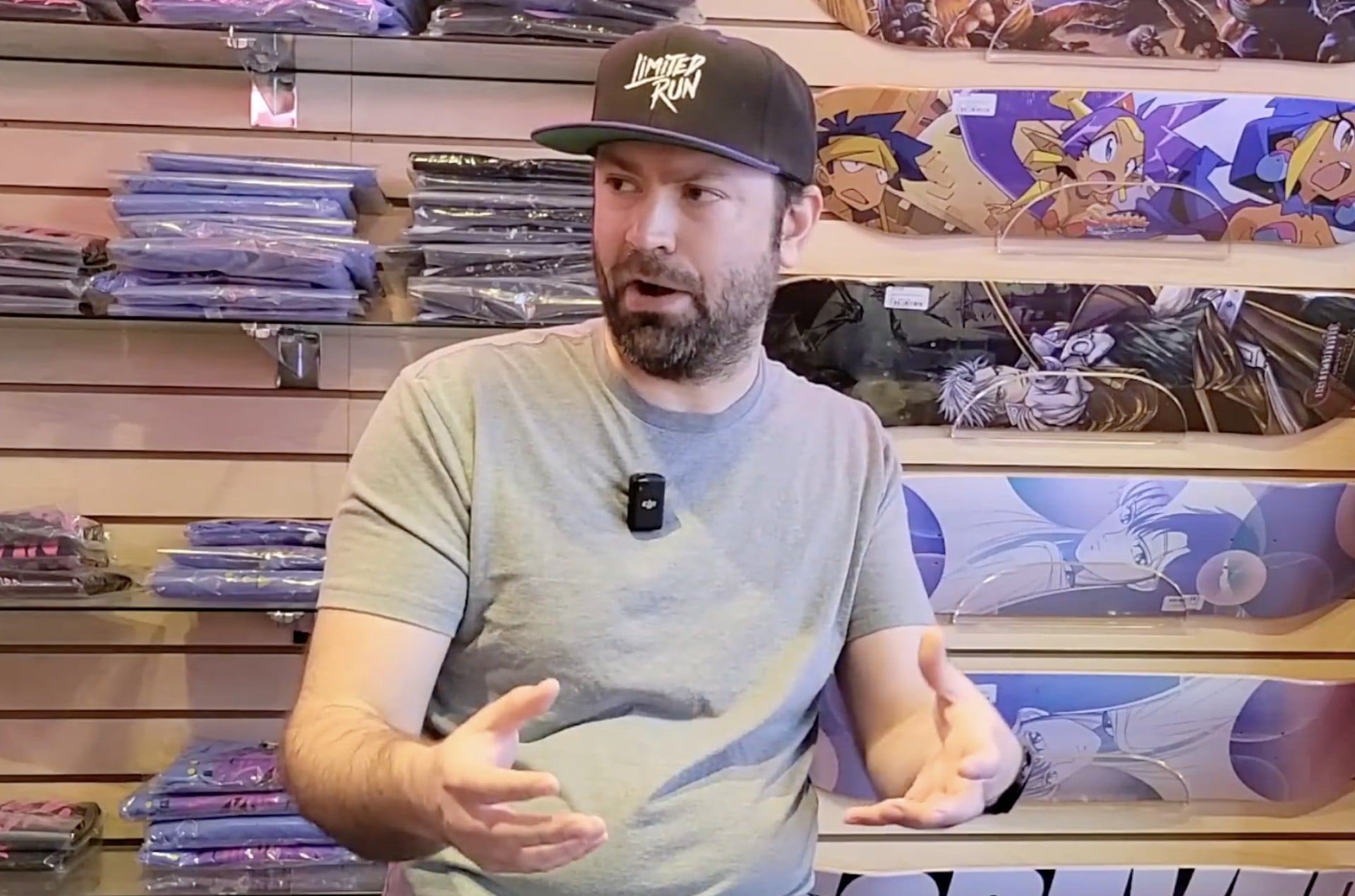
While Limited Run Games undeniably made a substantial impact, contributing significantly to the mainstream acceptance of the boutique publishing model, its journey was not without its controversies. The company faced criticism from parts of its community regarding shipping times, customer service issues, and the perceived exclusivity of certain releases. These challenges, often inherent in a model built on scarcity and high demand, contributed to a complex public perception, though they did not deter the company’s rapid expansion under Fairhurst’s leadership.
A Shifting Landscape: Fairhurst’s Departure and Market Dynamics
Fairhurst’s tenure at Limited Run Games spanned its entire formative period, overseeing its evolution from a nascent idea into a dominant force in boutique publishing. His recent announcement of stepping away from the firm marked a significant transition for both Fairhurst and Limited Run Games. Following his departure, the company’s new leadership team has signaled a strategic shift, articulating a "renewed fan-first focus" aimed at addressing some of the historical community criticisms and refining its operational approach. This strategic pivot underscores the evolving pressures and expectations within the boutique publishing sector.
Fairhurst, however, is not exiting the industry entirely. He has hinted at being "working on several projects that will fully embrace physicality," suggesting a continued commitment to physical media but in a potentially different capacity. He has publicly shared images of his new office, adorned with career-related memorabilia, signaling a fresh start while maintaining ties to his professional past. This continuation of his work in physical media makes his recent assessment of the boutique publishing market all the more noteworthy, as it comes from someone with unparalleled insight and experience.
The direct question about whether his future plans included launching a rival boutique publishing venture was met with an immediate and decisive denial. His full statement articulated a clear rationale: "No. I’m working on other things and honestly, I’m happy to be away from the drama. It’s an oversaturated market and trying to enter now as a new company would be a deathwish. It’s been that way since 2020 – just no room for more."

The Argument for Oversaturation: A Crowded Niche
Fairhurst’s assertion of market oversaturation is supported by a visible proliferation of companies operating in the boutique physical publishing space. What was once a relatively unpopulated niche dominated by a handful of players has, in recent years, seen a significant influx of new entrants. Established players like Strictly Limited Games, Retro-Bit, and iam8bit have been joined by newer entities such as Super Deluxe (in which Limited Run Games itself is involved) and, most recently, 33 Games, which has already announced unique physical editions for titles like Zool and Utopia.
This growing roster of publishers, each vying for a share of the collector’s market, inevitably leads to increased competition for licensing rights, production capacity, and, crucially, consumer attention and disposable income. While the demand for physical media among collectors remains robust, the finite nature of this specific market segment means that an exponential increase in suppliers can quickly outstrip the growth in demand, leading to the conditions Fairhurst describes.
Industry analysts and market observers have noted similar trends in other niche collecting markets, where initial success attracts numerous competitors, eventually leading to market fragmentation and reduced profitability for all but the most efficient or differentiated players. The "drama" Fairhurst references could encompass not only the direct community feedback but also the internal and external pressures arising from intense competition, aggressive bidding for licenses, and the constant need to innovate and differentiate in a crowded field.
Broader Industry Context: The Digital Shift and Future of Physical Media
Fairhurst’s comments also land at a critical juncture for the broader video game industry’s relationship with physical media. While boutique publishers thrive on the scarcity and collectible nature of their offerings, the overall trend among major platform holders and publishers continues to lean heavily towards digital distribution. This shift is driven by numerous factors, including lower distribution costs, instant access for consumers, reduced environmental impact from manufacturing and shipping, and the increasing prevalence of digital-only consoles.
A significant development reinforcing this trend is Sony’s recent announcement to cease manufacturing physical games by 2028. This move by a major console manufacturer sends a powerful signal about the long-term viability and strategic importance of physical media in the mainstream market. While some might argue that such decisions could paradoxically increase the value and demand for specialized physical releases from boutique publishers, others fear it could further marginalize physical media, making it an increasingly niche pursuit.
The implications of Sony’s decision for the boutique market are multi-faceted. On one hand, as the number of mainstream physical releases dwindles, boutique publishers might become the sole providers of physical media for a wider array of games, potentially expanding their addressable market. On the other hand, the broader industry’s move away from physical infrastructure (manufacturing plants, retail shelf space) could make it more challenging and expensive for boutique publishers to operate.
Analysis of Implications and Future Outlook
Fairhurst’s assessment, coming from a pioneer who helped define the "boutique" publishing concept, carries significant weight. His declaration that entering the market now would be a "deathwish" is not merely a personal opinion but a seasoned veteran’s strategic warning. For existing boutique publishers, this suggests a period of intensified competition, where differentiation, efficient operations, and strong community engagement will be paramount for survival and continued success. Companies may need to explore new revenue streams, diversify their offerings beyond traditional game releases, or even consider consolidation.

For consumers and collectors, an oversaturated market could initially mean more choice and potentially more aggressive pricing strategies from competing publishers. However, in the long term, it could lead to market fatigue, a decline in overall quality if companies cut corners, or even the exit of less sustainable players, potentially leaving gaps in game preservation efforts. The market may eventually self-correct through consolidation or natural attrition, leaving only the most robust and strategically sound companies.
Fairhurst’s decision to pursue other "fully embrace physicality" projects, distinct from boutique publishing, highlights a potential shift in how physical media might evolve. It suggests an exploration of new models or applications for physical products that might sidestep the intense competition of the current boutique game market. This could involve innovative physical products, preservation initiatives, or entirely new forms of collectible media.
Ultimately, the boutique physical games market stands at a crossroads. Its foundation was built on passion for games and a commitment to preservation in an increasingly digital world. While the market has expanded significantly, leading to the competitive conditions described by Fairhurst, the enduring appeal of physical ownership, the tactile experience of collecting, and the historical importance of game preservation ensure that this niche will continue to exist. The question is not if physical media will endure, but in what form, and how many publishers can sustainably thrive within its evolving boundaries. Given Josh Fairhurst’s profound experience and instrumental role in shaping this segment of the industry, his candid observations serve as a crucial barometer for its current health and future trajectory.