Chalid Lutfie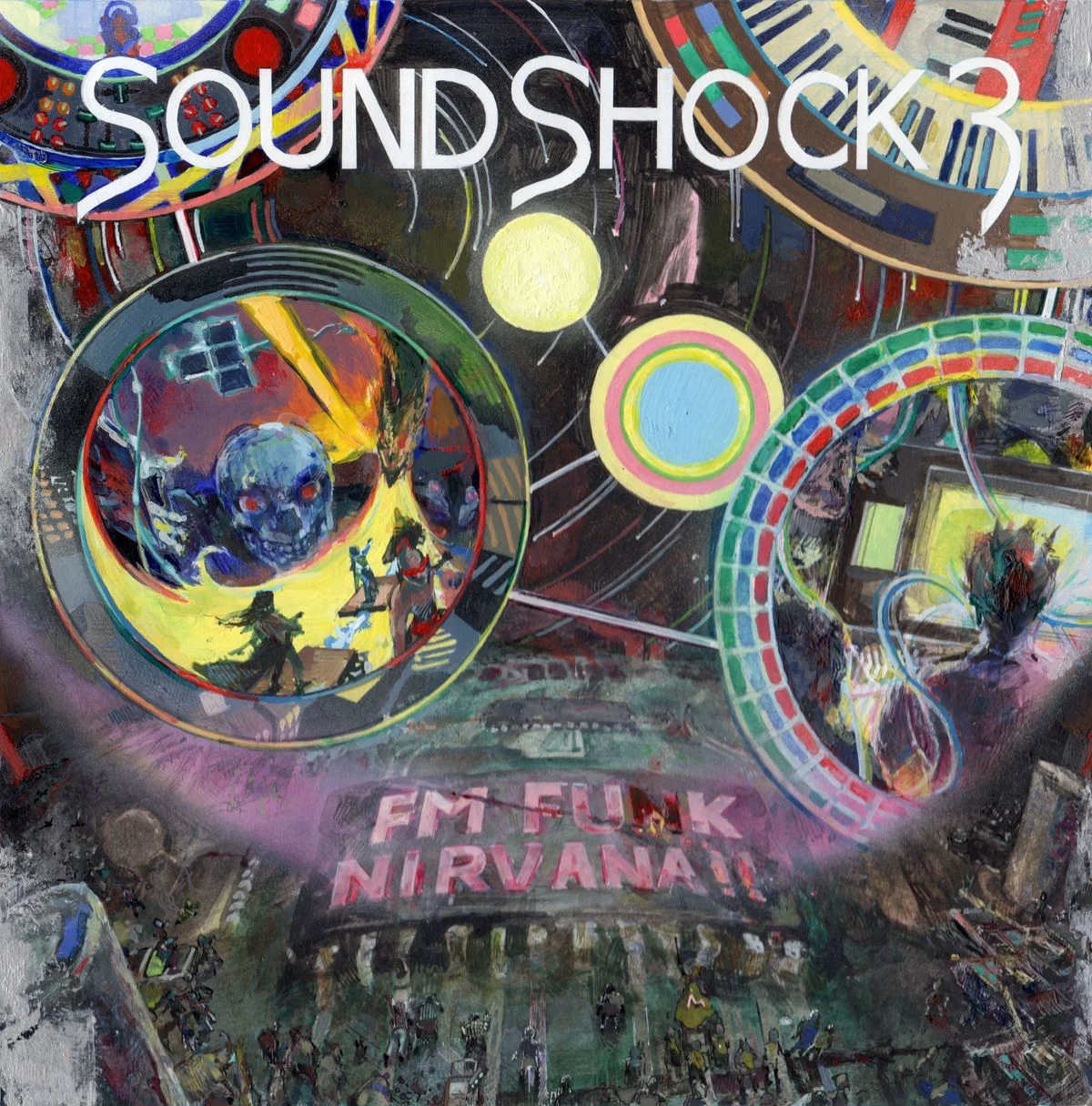
The emergence of the SOUNDSHOCK series represents a pivotal moment in the contemporary history of electronic music, specifically within the niche yet influential domains of chiptune and FM synthesis. Established in 2010 through the collaborative efforts of the producer known as zinger and the independent record label Ubiktune, the project has evolved from a proposed solo venture into a multi-volume anthology that serves as a bridge between disparate musical subcultures. What began as a singular vision to celebrate the auditory aesthetics of 16-bit video game hardware has matured into a comprehensive exploration of the "FM Funk" genre, culminating in the release of SOUNDSHOCK 3: FM FUNK NIRVANA!!. This series not only documents the technical capabilities of legacy sound chips but also fosters a unique international community of composers, historians, and enthusiasts dedicated to the preservation and expansion of hardware-driven music.
Historical Context and the Genesis of the Series
The origins of the SOUNDSHOCK project are rooted in the personal and professional trajectory of its creator, zinger, whose early exposure to the Sega Mega Drive—known in North America as the Sega Genesis—provided the foundational inspiration for the series. Titles such as Golden Axe II and Sonic the Hedgehog, which utilized the Yamaha YM2612 FM synthesis chip, served as primary catalysts for an enduring interest in computer and video game aesthetics. This fascination eventually transitioned into active participation within the global tracker and demoscene communities, where zinger functioned as both a composer and an organizer.
In 2010, C-jeff, the founder of the Ubiktune label, approached zinger with the intent of producing a solo album. However, the proposal was redirected toward a more ambitious concept: a collaborative compilation that would feature a diverse array of artists utilizing frequency modulation (FM) synthesis. This shift marked the beginning of a partnership that would leverage Ubiktune’s infrastructure—a label frequently cited as a premier destination for high-quality chiptune and progressive electronic music—to provide a platform for a global collective of musicians. The project was driven by a desire to explore the "depths of these worlds," referencing the complex internal architectures of vintage Japanese computers and arcade hardware.
The Technical Foundations: FM Synthesis and the 16-Bit Era
To understand the significance of the SOUNDSHOCK series, one must analyze the technical landscape of the late 1980s and early 1990s. Frequency Modulation synthesis, popularized by Yamaha, became the defining sound of the 16-bit era. Unlike the simpler programmable sound generators (PSG) found in 8-bit consoles like the Nintendo Entertainment System, FM synthesis allowed for the creation of complex, metallic, and harmonically rich textures that could approximate "real" instruments or produce entirely alien soundscapes.
The series specifically celebrates hardware such as the Yamaha YM2151 (found in many arcade boards and the Sharp X68000) and the YM2608 (utilized in the NEC PC-8801/9801 series). For Western audiences, these Japanese computer systems were often shrouded in mystery, as they were rarely exported. Conversely, Japanese composers were often fascinated by the Western "demoscene"—a subculture focused on pushing hardware limits to create impressive audiovisual presentations. The SOUNDSHOCK series serves as a focal point where these two historical trajectories intersect, blending the polished, melodic sensibilities of Japanese game music (VGM) with the experimental, technical prowess of the European and American demoscenes.
Chronology of the SOUNDSHOCK Anthology
The progression of the series reflects an increasing sophistication in both production quality and curatorial scope.
- The Inception (2010–2011): The first SOUNDSHOCK album focused on establishing the "FM Funk" aesthetic. It introduced the concept of modern compositions created within the constraints of vintage hardware or through modern software emulations that strictly adhered to those constraints.
- Expansion and Collaboration (2012–2014): As the series gained traction, it began to incorporate legendary figures from the Japanese game music industry. The interaction between zinger and figures such as Ryu Takami and hex125 highlighted a significant cultural exchange. Despite initial language barriers, the shared vocabulary of composer names and game titles facilitated a deep artistic connection.
- SOUNDSHOCK 3: FM FUNK NIRVANA!! (Current Release): The third installment represents the zenith of the project’s mission. It features an expansive roster that includes veteran Japanese composers like Keishi Yonao, known for his work on titles such as Asuka 120% and Mad Stalker, alongside Western demoscene heavyweights like zabutom and Metal. This volume emphasizes the "funk" aspect of FM synthesis, showcasing the chip’s ability to produce slap-bass sounds and percussive leads that defined the 1990s arcade experience.
Bridging the East-West Cultural Divide
One of the most significant achievements of the SOUNDSHOCK series is its role in cultural diplomacy within the music community. The project has successfully integrated Japanese "Chiptune" artists with Western "Trackers." Historically, these two groups operated in relative isolation due to geographic and linguistic differences.
Statements from the project’s leadership indicate that the collaboration with hally (Haruhisa Tanaka), a renowned music historian and chiptune pioneer in Japan, was instrumental in this integration. Hally’s deep knowledge of both the Japanese game center culture and the Western demoscene allowed the project to recruit high-profile Japanese talent. The inclusion of artists such as shogun, Utabi, and MmcM on the same tracklist as Western counterparts demonstrates a unified front in the appreciation of FM synthesis.
This synergy is further evidenced by the reactions of the participating artists. For instance, Keishi Yonao’s interest in Western computer culture mirrored the Westerners’ obsession with NEC and Sharp hardware. This mutual admiration transformed the SOUNDSHOCK series into a "sense of community among people with similar passions," moving beyond a mere collection of songs to become a documented record of cross-cultural artistic respect.
Supporting Data and Market Impact
While chiptune remains a niche genre, the influence of the SOUNDSHOCK series and the Ubiktune label can be measured through the broader "retro" renaissance in the gaming industry. The 2010s saw a massive surge in indie game development, with many developers seeking authentic FM synthesis soundtracks to evoke nostalgia. The artists featured in SOUNDSHOCK have frequently been tapped for major indie projects, citing the compilation as a portfolio of the genre’s modern capabilities.
According to industry observations, the revival of FM synthesis has also influenced modern pop and electronic music production. The distinctive "FM bass" and "crystal E-piano" sounds, hallmarks of the Yamaha DX7 and the YM2151, have reappeared in mainstream synth-wave and "future funk" genres. By providing a high-quality, curated outlet for these sounds, SOUNDSHOCK has helped maintain the technical standards of the genre, ensuring that the use of legacy hardware is viewed as a legitimate artistic choice rather than a mere novelty.
Official Responses and Curatorial Philosophy
The success of the series is attributed to a rigorous curatorial philosophy. Zinger and the Ubiktune team, led by C-jeff, have maintained a strict focus on the "aesthetic of the machine." This involves a commitment to the specific limitations of the hardware—such as channel counts and operator algorithms—which paradoxically fosters greater creativity.
The production team has expressed profound gratitude toward the contributors, including Tsuyoshi Shimokura, Megus, and Rufus Blacklock, for their roles in visual design and technical support. The consensus among the organizers is that the series has "far exceeded any expectations," particularly in its ability to bring together names that were previously thought to belong to entirely different worlds. The "FM FUNK NIRVANA!!" subtitle of the third volume reflects this sense of achievement—a state of perfection in the niche world of frequency modulation.
Broader Implications and Future Outlook
The SOUNDSHOCK series stands as a testament to the power of digital communities in preserving technological and artistic heritage. In an era where music is often ephemeral, the series provides a permanent, high-fidelity archive of what can be achieved when vintage technology is pushed to its absolute limits by modern masters.
As the series moves forward, its impact is likely to be seen in the continued blurring of lines between "game music" and "standalone electronic music." By treating FM synthesis with the same reverence that a classical musician might treat a Stradivarius violin, zinger and Ubiktune have elevated the status of the medium. The project proves that the excitement derived from exploring these digital worlds "doesn’t seem to ever wane," suggesting that as long as there is hardware to be explored, the SOUNDSHOCK legacy will continue to influence the trajectory of electronic music.
In conclusion, SOUNDSHOCK 3: FM FUNK NIRVANA!! is more than just an album; it is the culmination of a decade-long effort to unify a global community. Through its technical rigor, cultural inclusivity, and artistic vision, the series has secured its place as a definitive document of the FM synthesis revival, ensuring that the vibrant, funky sounds of the 16-bit era remain a vital part of the contemporary musical lexicon.