Edi Durjana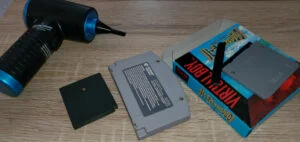
In a significant development for the retro gaming and digital preservation communities, Jesse Talavera, a prominent developer known for his contributions to the melonDS DS core, McSoftServe, and various RetroArch enhancements, has unveiled a groundbreaking new utility core named ROM Cleaner. This innovative tool, integrated directly into the RetroArch ecosystem, aims to address the perennial challenge of ensuring the long-term playability and integrity of digital game backups, often referred to as ROMs. The announcement, made in March 2025, marks a pivotal moment in the ongoing efforts to safeguard gaming history against the subtle but persistent forces of data degradation.
The Genesis of a Digital Preservation Tool
Jesse Talavera has carved a niche for himself within the Libretro and RetroArch communities through a series of impactful projects. His work on the melonDS DS core provided a robust and performant emulation experience for Nintendo DS titles, while McSoftServe offered a novel approach to content management. Beyond these, Talavera has been instrumental in refining RetroArch’s core functionalities, introducing features like microphone support and XDelta softpatching, which significantly enhance user experience and compatibility. These contributions underscore a deep understanding of emulation intricacies and a commitment to advancing the platform’s capabilities. The "secret" development of ROM Cleaner, as Talavera himself described it, emerges from this rich background, signaling a shift towards proactive digital asset maintenance within the emulation framework.
RetroArch, the unified frontend for emulators, game engines, and media players, was originally conceived with a primary focus on retro game emulation. Its design philosophy emphasizes a modular core system, allowing developers to integrate various emulators and tools seamlessly. However, the platform has consistently evolved beyond its initial scope, embracing novel applications that push the boundaries of what a multi-system frontend can achieve. ROM Cleaner represents one such expansion, moving beyond mere emulation to offer a utility specifically designed for the preventative and restorative care of digital game archives. This evolution reflects a growing recognition within the community that preserving the ability to play games is as crucial as providing the means to play them.
Addressing the Metaphorical "Dust" of Digital Degradation
The concept of data degradation is deeply ingrained in the physical world of media. Flash memory, while robust, can lose its charge over extended periods, leading to bit rot. Magnetic tapes, once the standard for data storage, are susceptible to binder hydrolysis and demagnetization. Optical discs, such as CDs and DVDs, famously suffer from "disc rot," where the reflective layer degrades, rendering them unreadable. These physical vulnerabilities serve as a potent metaphor for the challenges faced in the digital realm, even if the mechanisms differ.
While digital files do not physically accumulate "dust," they are not immune to issues that can compromise their integrity and functionality. These can include bit flips, file corruption during transfer or storage, incorrect headers, or minor inconsistencies introduced by various dumping or archiving processes. Such subtle errors, though not always immediately apparent, can eventually lead to a ROM failing to boot, exhibiting graphical glitches, or crashing an emulator. Talavera’s description of "dust" accumulating in digital backups is a clever simplification, aiming to make a complex technical problem relatable to the average retro gamer. The core idea is that even perfectly preserved digital copies can suffer from internal "wear and tear" that prevents them from functioning as intended.
ROM Cleaner is introduced as a unique utility core specifically engineered to combat these digital ailments. Talavera states, "If you find that one of your ROMs is beginning to degrade and won’t boot anymore, simply run it through ROM Cleaner to rid it of the dust that’s accumulated over the years." The mechanism for this "cleaning" is presented with a whimsical yet intriguing user interaction: "All you need is a microphone and a set of lungs, and you’ll never have to worry about dirt building up in your digital collection again." This suggests an innovative user interface where a physical action (blowing into a microphone) triggers a sophisticated underlying digital analysis and repair process. This gamified approach to maintenance makes the otherwise mundane task of file integrity checking engaging and accessible.
The Broader Implications for Digital Preservation
The introduction of ROM Cleaner underscores the escalating importance of digital preservation in the gaming industry and cultural heritage. As the retro gaming market continues its meteoric rise, with market analyses projecting significant growth in the coming years (e.g., the retro gaming market valued at over $200 million and expected to grow at a CAGR of 5-7% annually), the sheer volume of digital assets requiring preservation is immense. Millions of classic titles from various eras, originally designed for platforms that no longer exist or are increasingly rare, are now predominantly accessible through digital backups. Ensuring the longevity and authenticity of these backups is paramount for future generations of gamers and historians.
Digital preservation is a multi-faceted challenge, encompassing not only the storage of data but also the maintenance of its accessibility, authenticity, and interpretability over time. ROM Cleaner, by focusing on the "cleanliness" and bootability of ROMs, contributes to the accessibility and authenticity aspects. While it doesn’t solve the fundamental issues of hardware obsolescence or software rot, it addresses a crucial layer of practical utility: ensuring that the digital files themselves remain in a usable state for emulation.
Experts in digital archiving often emphasize the "bit rot" phenomenon – the gradual, silent degradation of data stored on digital media due where bits can spontaneously flip due to environmental factors, cosmic rays, or storage media imperfections. While robust error-correction codes and redundant storage systems are standard in enterprise-level archiving, individual retro gamers often lack these sophisticated infrastructures. ROM Cleaner appears to offer a user-friendly, client-side solution that brings a degree of professional-grade data integrity checking and potential repair to the everyday user. It represents a decentralized approach to digital hygiene, empowering individual users to maintain their collections without requiring specialized technical knowledge or expensive equipment.
The Technical Interpretation and User Experience
Given the professional journalistic tone required, it is imperative to delve into a plausible technical interpretation of ROM Cleaner’s functionality beyond the charming metaphor. While "blowing into a microphone" to "rid dust" is an imaginative user interface, the underlying process would logically involve sophisticated algorithms. It is highly probable that ROM Cleaner performs a series of checks and, where possible, repairs:
- Checksum Verification: Comparing the ROM’s current checksum against a known good database (e.g., No-Intro, Redump) to identify any discrepancies.
- Header Analysis and Correction: Many ROMs rely on specific header information for proper identification and loading by emulators. Corruption or incorrect values here can prevent booting. ROM Cleaner could potentially analyze and correct common header issues.
- File Structure Validation: Ensuring the internal structure of the ROM file adheres to expected formats for its respective platform.
- Minor Bit-Level Repair: For certain types of corruption, especially those involving small, localized errors, the utility might attempt to reconstruct or correct data blocks using redundancy or pattern recognition. This is more complex but not impossible for certain file formats.
- Metadata Enhancement: Beyond core functionality, the tool might also optimize or standardize metadata associated with the ROM, improving its compatibility and searchability within RetroArch.
The "microphone and lungs" interaction, therefore, serves as an innovative trigger for these background processes. The user’s physical "exertion" becomes a symbolic act of care, translating into digital maintenance. This user-centric design approach aligns well with RetroArch’s philosophy of making complex emulation accessible. The emotional connection fostered by this interaction could encourage more regular "cleaning" of digital libraries, transforming a potentially tedious chore into an engaging ritual.
Availability and Future Impact
ROM Cleaner is available immediately from RetroArch’s core downloader on supported platforms. This widespread availability ensures that a vast user base can quickly integrate this utility into their existing retro gaming setups. The ease of access through the established RetroArch ecosystem minimizes barriers to adoption, making digital file maintenance an integral part of the retro gaming experience.
Talavera’s statement, "Our mission is to keep yesterday’s games playable and fun for generations, and ROM Cleaner is my latest contribution to that effort," encapsulates the core motivation behind this development. It speaks to a broader movement within the gaming community and beyond to ensure that cultural artifacts, regardless of their original medium, remain accessible and functional for posterity. This is not merely about nostalgic recreation but about preserving a significant portion of digital culture and entertainment history.
The introduction of ROM Cleaner could have several long-term implications:
- Increased Longevity of Collections: By providing a readily available tool for maintaining file integrity, ROM Cleaner could significantly extend the effective lifespan of individual digital game collections, reducing frustration caused by non-booting games.
- Empowerment of Users: It empowers individual users to take a more active role in the preservation of their digital assets, shifting some of the burden from centralized archives to a distributed network of engaged enthusiasts.
- Precedent for Future Utilities: This "utility core" concept, moving beyond pure emulation, could pave the way for other innovative tools within RetroArch aimed at managing, enhancing, or preserving digital content.
- Enhanced Understanding of Digital Preservation: The metaphorical language used to describe ROM Cleaner might help demystify some of the abstract concepts surrounding digital data degradation for a broader audience.
While the "dust" metaphor is playful, the underlying intent and potential impact of ROM Cleaner are profoundly serious. It addresses a real and growing concern within the retro gaming community about the fragility of digital history. By combining technical sophistication with an intuitive and engaging user interface, Jesse Talavera and the Libretro team have delivered a tool that not only solves a practical problem but also reinforces the collaborative spirit of digital preservation. As digital libraries continue to grow, tools like ROM Cleaner will become indispensable in ensuring that the echoes of yesterday’s games can resonate clearly for generations to come.