Cecilia Chamidah Nur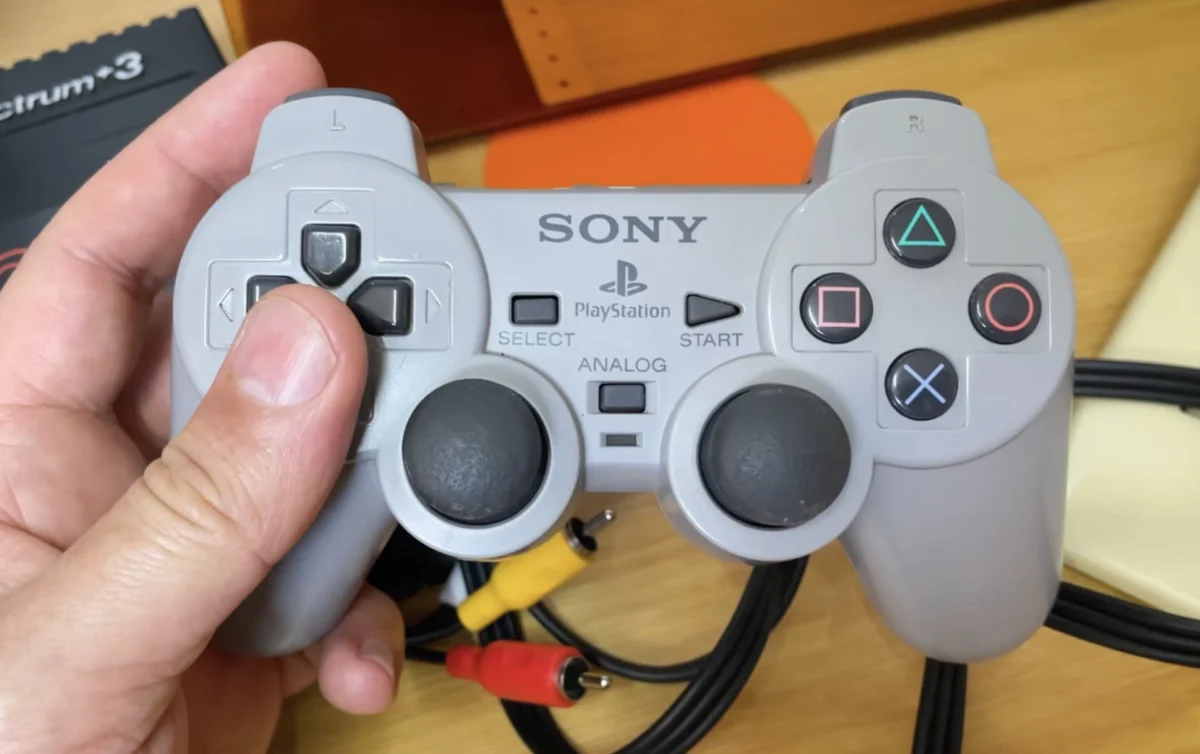
A previously unknown prototype, the "PlayStation PUGA," designed to integrate a PlayStation 1 (PS1) gaming experience directly into a DualShock-style controller, has been brought to light by former Sony and DMA Design staffer Brian ‘Biscuit’ Watson. This ambitious hardware project, intended for the Brazilian market, ultimately never saw release due to intractable internal disputes within Sony over royalty terms for the pre-loaded games. The revelation offers a rare glimpse into the innovative yet often complex world of product development within major technology corporations.
The Revelation and its Source
The existence of the "PlayStation PUGA" was disclosed during a recent event held at The Retro Collective museum in the UK, where Brian Watson, a veteran of the gaming industry with over four decades of experience, presented the non-functional prototype. Watson, known for his contributions to iconic titles such as Lemmings, Turok 2: Seeds of Evil, Shadow Man, Re-Volt, and Medal of Honor: Rising Sun, detailed the device’s design, purpose, and the unforeseen corporate hurdles that led to its cancellation. His account provides a unique, first-hand perspective on the project, underscoring the passion and frustration that often accompany such ventures. The public unveiling of the PUGA prototype has sparked considerable interest among gaming historians, enthusiasts, and industry analysts, offering a tangible artifact of a "what if" moment in PlayStation’s storied history.
The PlayStation PUGA: Concept and Design
Dubbed the "PlayStation PUGA," the device was conceived as a self-contained gaming unit, merging a PlayStation-era DualShock controller with the functionality to play PS1 games. Its design philosophy was akin to the popular "plug-and-play" micro-consoles that gained traction in the late 2000s and early 2010s, such as those featuring Atari, Capcom, or Namco arcade classics. These devices offered a simplified gaming experience, often pre-loaded with a selection of games, requiring only a connection to a television set and a power source. The PUGA aimed to deliver a similar convenience for the vast library of PS1 titles.
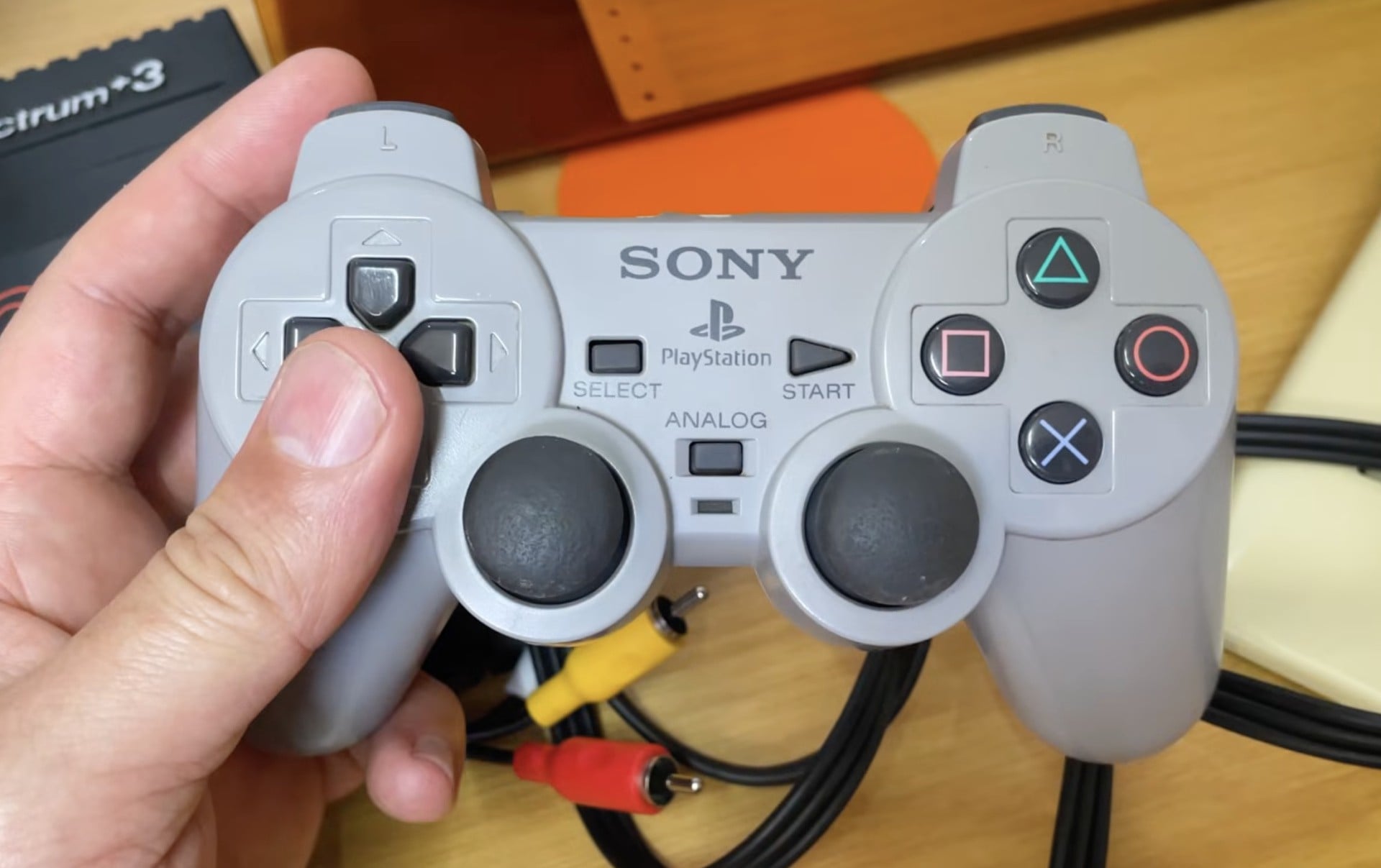
The prototype itself, while no longer operational, visually resembles a slightly bulkier DualShock controller. This form factor was innovative, effectively eliminating the need for a separate console unit, power brick, or extensive cabling. The idea was to create an immediately accessible gaming solution, particularly appealing in markets where traditional console distribution faced significant challenges. Watson explicitly stated, "Yes, it’s a PlayStation controller, but it’s a PlayStation controller with PS1 inside of it." This statement, while evocative, refers to the capability to play PS1 games through emulation rather than literally housing the original PS1 hardware, a distinction clarified by the internal components.
Technical Specifications and Powering the PUGA
A closer examination of Watson’s disclosures reveals the "PlayStation PUGA" was powered by a Texas Instruments OMAP 3530 system-on-a-chip (SoC). This is a critical detail, as the OMAP 3530, featuring an ARM Cortex-A8 CPU, was released around 2008. This places the development of the PUGA significantly later than the original PS1’s heyday (mid-1990s) and even after the launch of the PlayStation 2 (2000) and PlayStation Portable (PSP, 2004/2005). The use of such a modern (for its time) SoC indicates that the device was designed to emulate PS1 games rather than utilizing original PS1 hardware components. This approach would have allowed for greater miniaturization, lower power consumption, and cost-effectiveness compared to integrating actual PS1 chips.
The PUGA was designed to be highly portable and self-sufficient, running off four standard AA batteries. This choice of power source further emphasizes its intended "plug-and-play" nature and ease of use in diverse environments, free from the constraints of an AC adapter. For video output, the device connected to a television via a composite cable, a ubiquitous standard during the late 2000s, ensuring compatibility with a wide range of older and contemporary TV sets. The plan was to ship the unit with ten pre-loaded PS1 games, offering an instant library of classic titles. While the specific games were not named, it is logical to infer they would have been a selection of popular first-party or easily licensable third-party titles, intended to showcase the breadth and appeal of the PS1 library.
Targeting the Brazilian Market: A Strategic Move
The "PlayStation PUGA" was explicitly developed for release solely in Brazil. This strategic decision was directly influenced by the unique market conditions prevailing in the country during the period of the project’s development. Historically, Brazil has imposed significant import restrictions and high tariffs on consumer electronics, including video game consoles. These policies often led to exorbitant retail prices for official hardware, making legitimate consoles inaccessible to a large segment of the population.
As a consequence, the Brazilian gaming market was heavily reliant on "grey" and "black" market channels, where imported consoles and games were sold unofficially, often without warranties or official support. For major manufacturers like Sony, navigating this landscape presented both immense challenges and a substantial untapped market potential. By developing a locally focused, potentially more affordable, and streamlined product like the PUGA, Sony aimed to create a legitimate pathway to capture a share of this challenging market, offering an official product that circumvented some of the import hurdles associated with full-fledged console shipments. This strategy was not unique to Sony; other companies had explored similar localized or simplified hardware solutions for regions with specific economic or regulatory environments.
The Unraveling: Internal Royalty Disputes
Despite the apparent technical feasibility and strategic market targeting, the "PlayStation PUGA" project was ultimately canceled due to an internal licensing impasse within Sony. Watson’s candid assessment points directly to this bureaucratic hurdle: "The unfortunate problem is that Sony licensing couldn’t get their act together about the royalty terms for each of the games." This statement reveals a common, yet often crippling, challenge within large, diversified corporations like Sony.

Sony operates as a vast conglomerate with multiple divisions: Sony Interactive Entertainment (responsible for PlayStation hardware and first-party software), Sony Music Entertainment (handling music rights), Sony Pictures Entertainment (film and television), and various other entities responsible for different intellectual properties (IPs). While all fall under the Sony umbrella, these divisions often operate with semi-autonomous financial structures and distinct licensing departments. For a project like the PUGA, which involved pre-loading ten PS1 games, the licensing team within Sony Interactive Entertainment would have needed to secure rights from various internal Sony IP holders, as well as potentially external third-party publishers whose games were intended for inclusion.
The issue likely stemmed from how these internal divisions would "charge" each other for the use of their IP, even when it was for a product under the same corporate banner. Each division typically has its own profit and loss (P&L) statements, and royalty payments from one division to another are common practice to accurately reflect contributions and revenue streams. In this scenario, the "Sony licensing" that Watson refers to likely represents the complex web of internal negotiations required to agree on fair royalty terms for each of the pre-loaded PS1 titles. If a consensus could not be reached – perhaps due to disagreements over valuation, revenue split, or even the perception of cannibalizing other revenue streams – the project would stall, regardless of its technical readiness or market potential. Such internal friction highlights the intricate balance between fostering innovation and adhering to established corporate financial models.
Brian Watson’s Frustration and Career Legacy
The cancellation of the PlayStation PUGA had a profound impact on Brian Watson. He revealed, "I almost left Sony over that one," a testament to his belief in the project’s potential and his deep frustration with the internal bureaucratic hurdles. This sentiment is not uncommon among developers and innovators who see promising ideas stifled by corporate politics or financial disagreements. For someone like Watson, with a career spanning over four decades and a significant list of successful game titles to his name, such a setback can be particularly disheartening, as it represents a significant investment of time, effort, and creative energy that ultimately went unrewarded.
Watson’s extensive career underscores his credibility and experience. Starting in the early days of computing, he contributed to games across multiple platforms, from the Amiga to the Nintendo 64 and GameCube. Titles like Lemmings (Amiga), a groundbreaking puzzle game, and his work on critically acclaimed action games such as Turok 2: Seeds of Evil and Shadow Man for the Nintendo 64, demonstrate his diverse skill set and adaptability within the rapidly evolving gaming industry. His involvement in Re-Volt and Medal of Honor: Rising Sun further solidifies his reputation as a seasoned developer. His insights into the PUGA project are therefore not merely speculative but come from a direct participant deeply invested in its success.
A Broader Look at Sony’s Innovation and Unreleased Hardware
The "PlayStation PUGA" joins a fascinating, albeit often obscure, pantheon of unreleased or significantly altered hardware in the history of video gaming. These projects serve as reminders that for every successful console or peripheral, there are numerous concepts that never see the light of day, for reasons ranging from technical limitations to market shifts, and as seen here, internal corporate dynamics.
Sony, in particular, has a history of ambitious hardware initiatives. The original PlayStation itself famously emerged from a failed partnership with Nintendo to create a CD-ROM add-on for the Super Nintendo. Later, Sony would successfully venture into portable gaming with the PlayStation Portable (PSP) in 2004, and its successor, the PlayStation Vita, in 2011. The PUGA, had it been released in the late 2000s/early 2010s, would have represented a unique entry in Sony’s portable strategy, distinct from the PSP’s multimedia focus, instead emphasizing a dedicated, retro-gaming experience in a highly integrated form factor. It could be seen as a precursor to the trend of miniaturized retro consoles that became popular much later in the 2010s.
The cancellation due to internal royalty disputes also highlights a broader challenge faced by many large technology and entertainment companies. While intellectual property is their lifeblood, managing the rights and revenue sharing across different internal divisions can become a bureaucratic quagmire. This issue is not unique to Sony and has been a factor in the demise of various cross-divisional projects in other conglomerates. It underscores the critical importance of streamlined internal processes and clear IP management strategies for successful product development.
Implications and Lessons Learned
The story of the "PlayStation PUGA" carries several implications for understanding both Sony’s operational complexities and the broader gaming industry. Firstly, it reveals a potential missed opportunity for Sony to penetrate a challenging but potentially lucrative market like Brazil with an innovative, localized product. Had the PUGA succeeded, it might have established a new category of "retro-integrated" devices, influencing future hardware strategies.
Secondly, the incident serves as a stark reminder of how internal corporate structures and financial mechanisms can inadvertently stifle innovation. The idea itself was sound, the technical implementation feasible with existing SoC technology, and the market need apparent. Yet, the inability of different Sony divisions to align on royalty terms proved to be an insurmountable obstacle. This speaks to the need for clear, pre-defined frameworks for inter-divisional IP utilization, especially for projects that leverage a company’s diverse portfolio.
Finally, the public revelation of such prototypes through industry veterans like Brian Watson is invaluable for preserving gaming history. These unreleased devices offer insights into the creative processes, technological considerations, and business challenges that shape the products consumers eventually see – and those they never do. They enrich our understanding of the industry’s evolution and the countless efforts that precede a product’s market launch.

Conclusion
The "PlayStation PUGA" stands as a testament to Sony’s continuous pursuit of innovation and its willingness to explore diverse hardware concepts, even if some remain confined to the prototype stage. Brian Watson’s courageous decision to share this piece of gaming history not only sheds light on an intriguing unreleased product but also provides a poignant illustration of the internal complexities that can derail even the most promising ventures within large corporations. While the PUGA never made it to market, its story offers valuable lessons on product development, market strategy, and the often-overlooked bureaucratic hurdles that shape the technological landscape.