Cecilia Chamidah Nur
A recent comprehensive exploration of South Africa’s video game, comic, and related hobby scenes reveals a market shaped by unique socio-economic factors, starkly contrasting global retail trends. This deep dive, undertaken by a returning expatriate, aimed to reconnect with the country’s evolving cultural and commercial fabric, offering a granular view of a vibrant yet challenging landscape. The journey highlights the resilience of traditional retail models, the nascent state of e-commerce, and the dedicated communities preserving niche interests.
The Shifting Sands of Physical Media: A Global Trend with Local Nuances
The global decline of printed media has undeniably reached South African shores, fundamentally altering the availability of physical video game magazines. Domestically, the once-ubiquitous presence of gaming periodicals has diminished, with NAG magazine now primarily offering an annual print edition accessible predominantly through online orders. This reflects a broader shift towards digital content consumption that mirrors trends observed in Europe and North America.
The absence of imported magazines is also notable, a consequence of the widespread cessation of most international print publications years ago, save for a few enduring titles like Retro Gamer. This scarcity extends beyond gaming, with general magazine racks in supermarkets reduced to a sparse selection of fashion and lifestyle titles. The most significant indicator of this transformation is the demise of the Central News Agency (CNA), South Africa’s iconic 130-year-old equivalent to WH Smith. Once a cornerstone of South African retail, CNA’s retreat from shopping malls in recent years has left a noticeable void, with no equivalent national chain stepping in to fill the gap. This structural change signifies a profound reorientation of the retail sector away from print media distribution, impacting both casual readers and dedicated hobbyists seeking specialized publications.
Mall Culture: A Resilient Hub in a Challenging Environment
In stark contrast to the global trend of declining mall culture, particularly evident in regions like America as documented by observers such as The 8-Bit Guy, South Africa’s shopping malls continue to thrive as central pillars of communal and commercial life. This enduring prominence is attributed to a unique convergence of socio-economic and environmental factors.
Firstly, the country’s elevated crime rate significantly discourages high-street shopping, steering consumers towards the perceived safety and controlled environments of large shopping centres. These malls offer secure parking, guarded entrances, and an enclosed, protected shopping experience that outdoor commercial districts often cannot provide. Secondly, the often-searing African climate makes air-conditioned indoor spaces highly desirable, transforming malls into comfortable refuges for shoppers seeking respite from the heat.
However, the most critical factor underpinning the sustained vitality of mall culture is the persistent failure of South Africa’s national postal system. Reports consistently highlight issues of lost or stolen parcels, leading to a pervasive lack of trust in online delivery services. This systemic inefficiency has severely hampered the growth of e-commerce, preventing it from gaining the robust foothold seen in many developed nations. Consequently, local consumers are compelled to continue frequenting physical malls for their shopping needs, often combining these trips with social engagements at cafes and restaurants located within these complexes. This dynamic fosters a retail environment where face-to-face transactions and tangible shopping experiences remain paramount, even as the increasing adoption of card payments over cash introduces a modern convenience within a traditional retail framework. This blend of old and new payment methods against a backdrop of enduring mall dominance presents an anachronistic yet functional commercial ecosystem.
The Arcade Legacy: A Fading Era Amidst Shifting Realities
The landscape of entertainment, particularly arcades, has also undergone significant transformation. An encounter with a former arcade operator provided a poignant glimpse into a once-thriving sector. This individual, who supplied arcade cabinets from 1995 until 2015, confirmed the profitability of the business for an extended period. However, the operator ultimately ceased operations due to escalating safety concerns, stating, "it just got too dangerous to operate the areas." This statement underscores the broader societal challenges that impact even niche commercial ventures, forcing business owners to prioritize personal safety over economic viability. The discovery of a garage filled with hundreds of MVS (Neo Geo Multi Video System) cartridges, remnants of this past enterprise, highlights the rich history of arcade gaming in South Africa and the potential for these collections to find new life within the retro gaming community. Efforts are underway to connect the operator with community members to assess and potentially preserve this significant collection.
Gaming Retail: A Search for Specialized Treasures
Despite the consistent presence of malls, the number of dedicated video game stores appears to be fewer than in markets like the UK. Notably, there is no direct equivalent to chains like CEX, which specialize in pre-owned games and electronics. The prevalent model often involves general tech stores that allocate a small corner to new game releases, or pawn shops like Cash Converters and Cash Crusaders, which offer a limited inventory, rarely extending beyond the PlayStation 3 era.
For enthusiasts of retro games, the pursuit requires deliberate effort. Accidental discoveries are rare; instead, collectors must actively seek out specialist independent retailers, often necessitating travel to specific locations outside main shopping arteries. This segmentation of the market emphasizes the niche nature of retro gaming and the dedication required to engage with it in South Africa.
The Digital Frontier: Bob Shop and the Online Marketplace
In the absence of an official eBay presence, South Africa has cultivated its own robust domestic online marketplace: Bob Shop, formerly known as Bid or Buy. This platform serves as the primary online auction and retail site for local transactions. While providing a vital service, a review of its listings for retro gaming items reveals certain limitations. There is a noticeable scarcity of highly sought-after rarities such as the Vectrex or Virtual Boy, and vintage game magazines are few and far between. Furthermore, listed retro games can often be quite expensive, reflecting import costs, collector demand, and the relatively smaller pool of available items compared to international markets. For international buyers, a rough conversion rate suggests dividing local prices by approximately 20 to ascertain the equivalent value in Great British Pounds (GBP). This online ecosystem, while functional, underscores the challenges and unique pricing dynamics within the South African retro gaming community.
Spotlight on Specialized Retailers: Preserving Hobbies and Nurturing Communities
The journey into South Africa’s hobby scene brought to light several exceptional independent retailers, each contributing uniquely to the cultural landscape.
Readers Den: A Sanctuary for Comics and Local Talent
Readers Den, a small, family-run operation with two branches, stands as a fortified yet welcoming haven for comic book enthusiasts. The visited south side store, despite its imposing exterior, offers a warm environment where staff engage readily with patrons. A key feature is its dedicated section for local talent, including artists from neighbouring Zimbabwe. While this section is smaller compared to the extensive Japanese manga and American comic offerings, it provides a crucial platform for indigenous creators.
Conversations with the staff revealed intriguing insights into the local comic industry:
- Artistic Emulation: Many South African artists frequently emulate the Japanese manga style, indicating a strong international influence on local artistic trends rather than a fully developed unique domestic style.
- International Success: Several South African artists have achieved international acclaim, illustrating major series for publishers like Marvel, making their work particularly popular among local readers who take pride in their countrymen’s achievements.
- Publishing Challenges: The primary impediment to a flourishing domestic comic industry is the lack of established publishers. Most local comics are self-published and distributed primarily at conventions, making wider market penetration difficult.
- Notable Exceptions: Despite these challenges, certain titles have broken through. Kwezi, a superhero series, stands out for its high production values and local relevance. Mengelmoes, an internationally published six-part autobiographical series, chronicles an Afrikaans boy’s growth in post-Apartheid South Africa to become a successful international comics artist. Its themes of personal journey and national identity resonate deeply, particularly with those who experienced similar eras. The Number 1 Game also merits mention for its post-apocalyptic narrative rendered with a distinctively African art style, offering a fresh perspective within the genre.
These insights highlight the creative potential within South Africa’s comic scene, juxtaposed against the structural challenges that limit its broader commercial development.
Galactic Traders: A Goldmine of Printed Material and Eclectic Collectibles
Galactic Traders emerged as a significant destination for printed material, boasting multiple shelves laden with books, magazines, and comics spanning several decades. The sheer volume and variety were remarkable, offering everything from vintage issues of NAG to British and American magazines, including copies of GameFan priced at approximately £3 each. This establishment presents a rare opportunity for collectors to acquire physical media that is increasingly difficult to find elsewhere.
Beyond printed matter, Galactic Traders houses an enormous and eclectic range of video game ephemera and other collectibles. Its inventory includes items from old Atari consoles to modern systems, with unique finds such as Dragon 32 cassettes and other obscure artifacts. The store’s expansive collection also encompasses cameras, toys, trading cards, and board games, making it a veritable bazaar for enthusiasts of various hobbies.
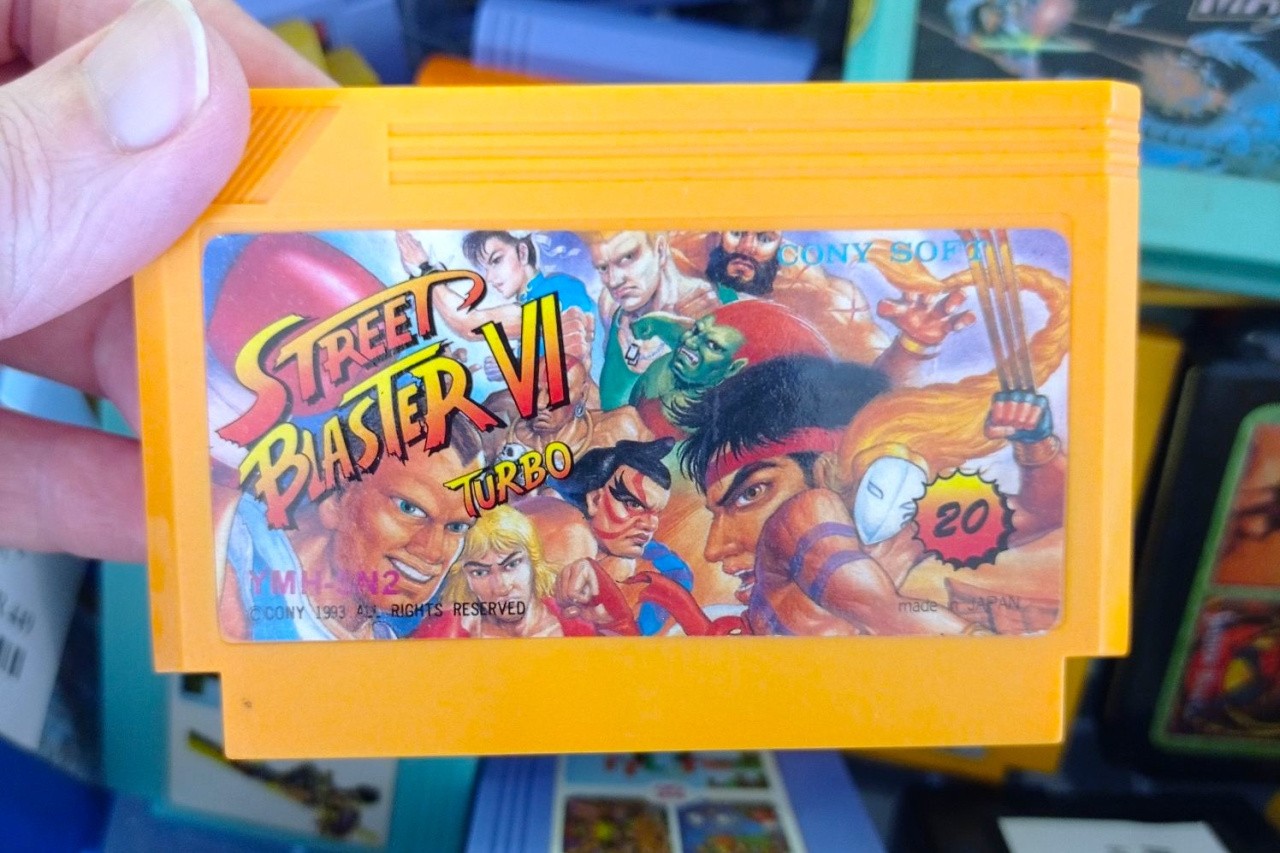
However, the extensive collection often comes with a premium price tag. For instance, a loose Master System II console was observed at approximately £200, while loose bootleg Famicom cartridges were priced around £40 each. Despite these higher prices, the sheer breadth of stock makes Galactic Traders an essential visit for anyone looking to rummage for unique finds. The store also maintains an online presence, extending its reach beyond its physical location.
Back in Time Vintage Toy Store: A Collector’s Haven
Tucked away in a suburban private home, Back in Time Vintage Toy Store is a must-visit for collectors of vintage toys and video games. This establishment offers a selection that, while potentially smaller than Galactic Traders, is notably more reasonably priced. The store’s extensive inventory of toys from the 1980s and 1990s caters directly to nostalgic collectors.
Owner Heinrich provides not only a curated selection but also a wealth of knowledge and anecdotes from his life as a collector. During a visit, he showcased a rare South African NES console, highlighting the unique regional variations that appeal to international collectors. Discussions with Heinrich illuminated the vibrant bootleg Famicom scene in South Africa, a niche market that attracts buyers globally, and shed light on the rising costs of private couriers for international shipments. He recounted the sale of a particularly rare Famicom bootleg, unique to South Africa, for $100 to a collector in China, underscoring the global demand for such distinctive regional items. The specifics of the Famiclone content are slated for a separate, more detailed piece, but these interactions provided valuable insight into the intricate world of niche collecting and its international dimensions. For those in Cape Town, a prior call to Heinrich is recommended to arrange a visit to this treasure trove.
Kalk Bay: A Broader Canvas of Nostalgia and Collectibles
Beyond the specialized game and comic stores, the coastal village of Kalk Bay offers a broader and equally compelling experience for those interested in vintage items, antiques, and curios. Along a stretch of Main Road, particularly around the Kalk Bay Trading Post, over 15 shops specialize in old books, magazines, antiques, oddities, relics, and general retro paraphernalia. Exploring the numerous alleys and side roads, such as Colyn and Belmont, reveals a concentrated zone of nostalgia, with materials dating back over a century. The eclectic finds range from unusual items like an ostrich foot to more conventional collectibles.
Among these diverse offerings, one store even featured a selection of boxed Intellivision games, priced at approximately £10 each, demonstrating that unexpected gaming treasures can be found outside dedicated retailers. A full day is easily spent exploring Kalk Bay’s various establishments. The experience can be rounded off with a visit to the harbour for a fresh lobster lunch at Kalky’s, complemented by an open-air market showcasing local artisans. Kalk Bay thus represents a holistic cultural experience, intertwining historical commerce with contemporary leisure, appealing to collectors and casual visitors alike.
Broader Implications and Future Outlook
The unique confluence of factors in South Africa—a struggling postal service, resilient mall culture, a burgeoning yet challenged local creative scene, and a dedicated community of collectors—paints a complex picture for the hobby market. While traditional physical retail persists, the lack of robust e-commerce infrastructure limits market reach and growth, particularly for smaller independent businesses. The premium pricing on many retro items reflects the challenges of importation and the scarcity of local stock, making local finds particularly valuable to collectors.
The insights gleaned from shop owners and operators underscore the dedication required to sustain these niche markets. From arcade operators navigating safety concerns to comic store owners nurturing local talent against publishing hurdles, and vintage toy dealers facilitating global transactions, the landscape is one of persistent adaptation. As South Africa continues to navigate its socio-economic development, the hobby sector, with its blend of international influence and unique local characteristics, stands as a testament to the enduring human desire for collection, creativity, and connection. The future will likely see a continued evolution, where digital platforms may eventually gain more traction if infrastructural challenges are addressed, but the foundational role of physical spaces and community interactions seems set to remain a defining feature of South Africa’s vibrant hobby scene.