Farhan hamdan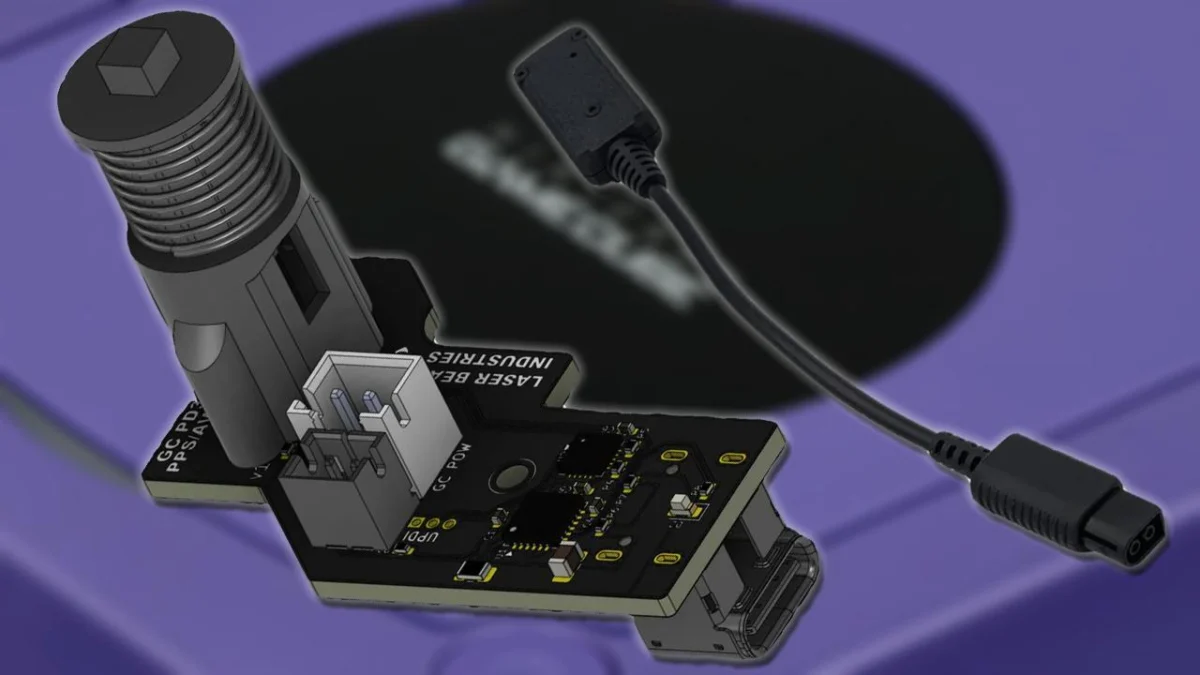
Greg from Laser Bear, a prominent figure in the retro gaming hardware modification community, has announced the opening of pre-orders for two distinct USB-C power adapters designed specifically for the Nintendo GameCube console. These new offerings aim to modernize the power delivery system of the beloved console, addressing common issues associated with aging proprietary power supplies and enhancing user convenience. The solutions, priced at $25 each, are anticipated to commence shipping within approximately one month, representing a significant step forward in the ongoing effort to preserve and improve classic gaming hardware.
The Imperative for Modernized Power: Addressing GameCube’s Aging Infrastructure
The Nintendo GameCube, originally launched in September 2001 in Japan and November 2001 in North America, quickly garnered a reputation for its distinctive design, powerful hardware, and a library of critically acclaimed titles. However, like all electronics from its era, the console relies on a proprietary external power supply unit (PSU) that connects to a unique input port. Over two decades since its debut, these original power bricks are increasingly susceptible to degradation, failure, or loss. Users often face challenges in sourcing reliable replacements, especially as original components become scarce and aftermarket alternatives can be of dubious quality or lack proper safety certifications.
The original GameCube PSU typically outputs 12V DC at around 3.25 Amperes, translating to approximately 39 Watts of power. This specific requirement necessitates a careful approach when developing modern alternatives. Generic power adapters often fail to meet these precise specifications, potentially leading to instability, damage to the console, or even fire hazards. The advent and widespread adoption of USB-C Power Delivery (PD) technology offer a promising solution, providing a standardized, reversible, and high-wattage power interface that can be adapted for older hardware. However, integrating USB-C PD into vintage consoles requires meticulous engineering to ensure compatibility and, crucially, safety.
Dual Solutions for Diverse User Needs: External "Pigtail" and Internal Integration
Laser Bear’s new product line addresses two primary user scenarios with its distinct adapter designs:
The "Pigtail" External Adapter
The first option is an external "pigtail adapter." This plug-and-play cable is designed for users who possess a functional GameCube power input port but require a new, reliable external power source. The adapter features a connector that plugs directly into the console’s original power input, while the other end terminates in a USB-C port. This allows users to power their GameCube using a modern, readily available, and vetted USB-C Power Delivery (PD) charger. The simplicity of this solution makes it ideal for those seeking a straightforward replacement without needing to open their console. It maintains the original aesthetic of the GameCube while providing access to contemporary power standards. This option is particularly appealing for casual retro gamers or those with multiple GameCubes, as a single USB-C PSU could potentially power several consoles via their respective pigtail adapters.
The Internal Replacement Board
The second, more integrated solution is an internal USB-C power board. This option caters to users whose internal power supply components have failed, or those who desire a cleaner, more permanent modification. Installation of this internal board requires disassembling the GameCube console and replacing its original power board with Laser Bear’s USB-C variant. Once installed, the USB-C power cable plugs directly into the GameCube’s rear, eliminating the need for an external adapter and offering a streamlined appearance.
A notable feature of the internal version is its "soft" power button functionality. Unlike the original GameCube’s latching power button, which physically toggles between on and off states, the internal USB-C adapter introduces a momentary switch system. A single press will turn the console on, and another single press will initiate shutdown. While this deviates from the tactile feel of the original mechanism, it aligns with modern device power controls and is unlikely to pose a significant inconvenience for most users, offering a consistent and reliable power management interface. This design choice also potentially simplifies the internal circuitry, contributing to the adapter’s robustness and ease of manufacture.
Engineering for Safety and Compatibility: The Core of Laser Bear’s Design
One of the most critical aspects of adapting modern power standards to vintage electronics is ensuring safety and compatibility. The original article highlights Laser Bear’s meticulous approach in this regard, a commitment that stands as a cornerstone of reputable console modification. Greg from Laser Bear has implemented several key safety features:
Intelligent Power Negotiation with MCU
At the heart of these adapters lies a Microcontroller Unit (MCU). This MCU plays a vital role in validating the correct voltage negotiation between the USB-C Power Delivery (PD) charger and the GameCube adapter. It ensures that the connected PSU can reliably deliver the necessary current draw required by the GameCube, thereby protecting both the console from under-powering or over-voltage, and the USB adapter from excessive load. This intelligent negotiation process prevents potential damage that could arise from using an incompatible or insufficient USB-C power source, a common concern with DIY power solutions.
Broad USB-PD Compatibility
The adapters are designed with advanced USB-PD capabilities, allowing them to negotiate PD12, AVS (Adjustable Voltage Supply), and PPS (Programmable Power Supply) standards. This broad compatibility ensures that the adapters can work with a wider range of newer USB-C PSUs, many of which might lack support for older, deprecated PD standards like the original fixed-voltage 12V profile. By embracing these modern protocols, Laser Bear maximizes the chances that users can leverage their existing high-quality USB-C chargers, promoting convenience and reducing the need for specific, dedicated PSUs.

Vetted Power Supply Recommendations
Despite the advanced engineering, Laser Bear strongly recommends using pre-vetted and confirmed compatible USB-C PSUs. The article provides direct links to several such power bricks, simplifying the selection process for consumers. For users who prefer to utilize their own existing USB-C adapters, the guidelines specify that the PSU must supply at least 3 Amperes (A) or more at 12 Volts. Examples of compatible power brick labels include "12V-3A" or "5.0V-16V 3A," indicating their ability to deliver the necessary power profile. This clear guidance empowers technically savvy users while providing a safe fallback for others.
The Broader Impact: Sustaining Retro Gaming and Promoting Modding Innovation
The release of these USB-C power adapters by Laser Bear is more than just a product announcement; it signifies a broader trend in the retro gaming community: the concerted effort to not only preserve but also enhance classic hardware for future generations of players.
Extending Console Lifespan
Original GameCube PSUs are a common point of failure. By providing modern, robust replacements, Laser Bear directly contributes to extending the operational lifespan of countless GameCube consoles. This is crucial for a console whose original components are no longer in production, making repair and maintenance increasingly reliant on aftermarket innovation. The shift to a universal power standard like USB-C also mitigates the logistical headache of finding region-specific or proprietary power bricks, as a single USB-C charger can theoretically power a GameCube regardless of its regional origin, provided the adapter is installed.
Environmental and Economic Benefits
The transition to USB-C offers significant environmental advantages. By allowing GameCube owners to utilize existing USB-C Power Delivery chargers—many of which are already used for laptops, phones, and other modern devices—these adapters reduce the demand for new, dedicated power bricks. This contributes to a reduction in electronic waste (e-waste) and promotes a more sustainable consumption model. Economically, it offers convenience and cost savings to consumers, as they are less reliant on expensive or unreliable proprietary replacements.
Fueling the Retro Gaming Ecosystem
The retro gaming market continues to expand, driven by nostalgia, the desire for unique gaming experiences, and the collectibility of vintage hardware. Innovators like Laser Bear play a pivotal role in this ecosystem by developing solutions that address the practical challenges of owning and maintaining old consoles. These power adapters join a growing list of modifications—such as HDMI outputs, optical drive emulators, and controller adapters—that collectively make retro gaming more accessible and enjoyable in the 21st century. The trust built through meticulously engineered and safety-conscious products reinforces the credibility of the modding community.
A Precedent for Future Console Modernization
The success and thoughtful design of Laser Bear’s GameCube USB-C adapters could set a precedent for similar solutions for other classic consoles that suffer from aging or proprietary power supplies. Consoles like the PlayStation 2, original Xbox, or even older Nintendo systems could potentially benefit from similar modern power adaptations, assuming their power requirements can be safely met by USB-C PD specifications. This ongoing innovation underscores the ingenuity and dedication within the retro gaming hardware community.
Installation and User Guidelines
For users opting for the external "pigtail" adapter, installation is as simple as plugging the adapter into the GameCube’s power input and connecting a compatible USB-C PSU. No tools or technical expertise are required.
For the internal replacement board, users will need to:
- Disassemble the GameCube: This typically involves removing external screws and carefully separating the console’s casing.
- Locate and remove the original power board: This component is usually situated near the console’s power input port.
- Install the new USB-C power board: The Laser Bear board is designed to be a direct fit, replacing the original.
- Reassemble the console: Ensure all connections are secure and the casing is properly closed.
While the internal installation is described as "plug and play" for the board replacement itself, the prerequisite of disassembling the console means it is best suited for individuals comfortable with basic electronics repair or console modding.
Regardless of the chosen adapter type, the critical factor for safe operation remains the USB-C Power Delivery unit. Users are strongly advised to purchase one of the PSUs recommended by Laser Bear, or to ensure any existing PSU meets the strict 12V at 3A (or greater) specification and is from a reputable manufacturer known for adhering to USB-PD standards. The MCU in the adapter provides a layer of protection, but starting with a high-quality, compatible power source is the best practice to safeguard the console.
Conclusion
Laser Bear’s introduction of USB-C power adapters for the Nintendo GameCube represents a significant contribution to the retro gaming community. By offering both external and internal solutions, backed by robust engineering and critical safety features, Greg from Laser Bear is addressing a pressing need for reliable, modern power alternatives for a beloved classic console. These adapters not only enhance convenience and extend the life of the GameCube but also exemplify the innovative spirit driving the preservation and modernization of vintage gaming hardware, ensuring that the console’s legacy can continue for many years to come with the efficiency and versatility of contemporary technology. The pre-orders, shipping in about a month, signal an exciting new chapter for GameCube enthusiasts worldwide.