Vera Clarissa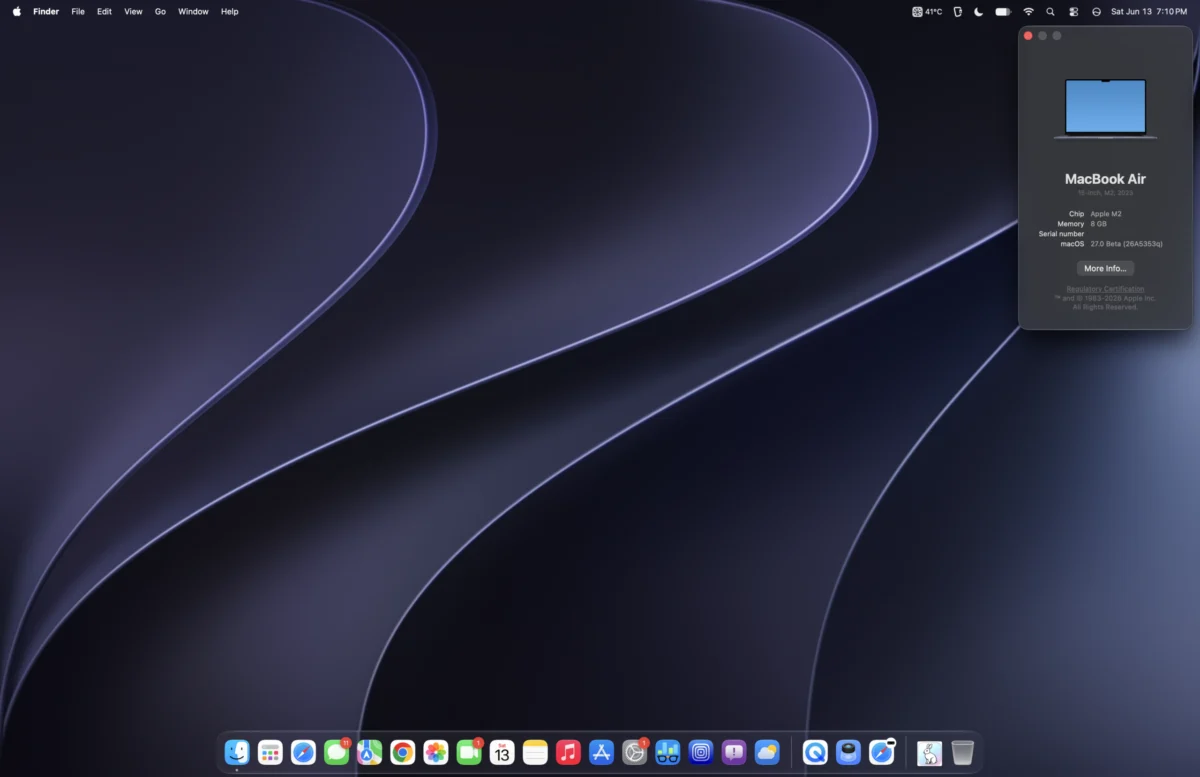
On June 8th, 2026, Apple unveiled macOS Golden Gate, a pivotal release signifying a complete shift in its operating system strategy. This iteration is the first macOS version designed exclusively for Apple Silicon processors, marking a significant departure from its Intel-based predecessors. Golden Gate introduces notable refinements to the Liquid Glass UI, incorporating user feedback to enhance the visual experience. Crucially, it also represents the final version of macOS to offer native support for Rosetta 2, the translation layer that enabled Intel-based applications to run on Apple Silicon. This move signals Apple’s full commitment to its proprietary chip architecture and its long-term vision for a unified ecosystem.
The naming of macOS Golden Gate draws inspiration from the iconic Golden Gate Strait, the geographical marvel connecting the Pacific Ocean to the San Francisco Bay. This choice is not arbitrary; the name was previously used internally during the development of macOS Big Sur, hinting at the foundational shifts and expansive vision associated with this new chapter. Analysts suggest this naming convention underscores a sense of arrival and connection, much like the strait itself, bridging past and future technological landscapes.
A "Snow Leopard" Moment for the Apple Silicon Era
Apple’s approach with macOS Golden Gate is being widely compared to the strategy behind macOS 10.6 Snow Leopard. Released in 2009, Snow Leopard was a performance-focused update that streamlined the operating system by removing support for older PowerPC architectures, thereby optimizing performance and stability for the then-dominant Intel processors. Similarly, Golden Gate is poised to strip out Intel binaries, focusing entirely on the efficiency and capabilities of Apple Silicon. Early reports from developers testing the first beta version of Golden Gate indicate a tangible improvement in responsiveness and overall system performance, suggesting that this deliberate consolidation is yielding positive results. This focus on optimization is expected to translate into a more fluid and efficient user experience across the entire Apple Silicon Mac lineup.
Evolution of the Liquid Glass UI and User-Centric Refinements
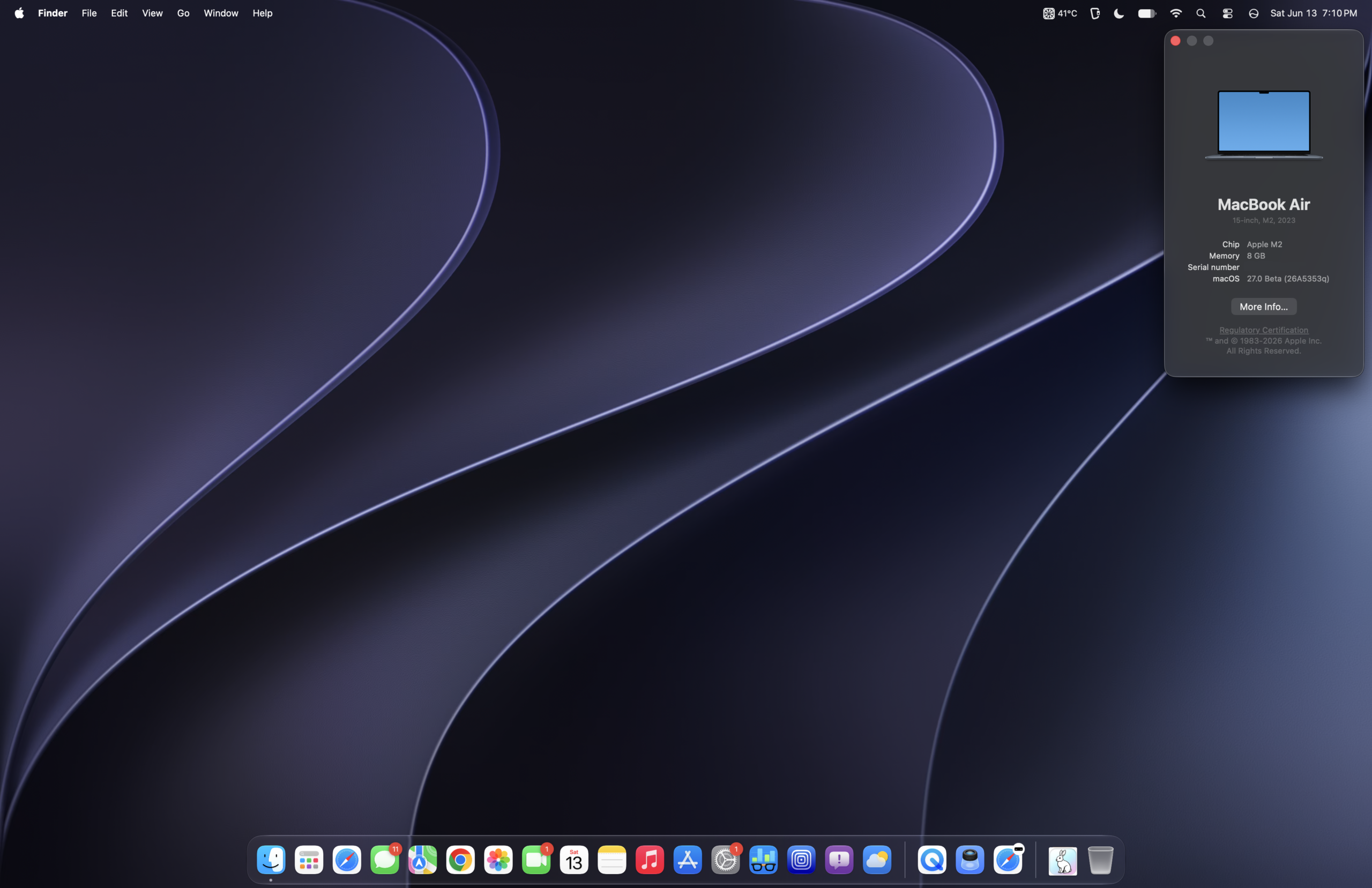
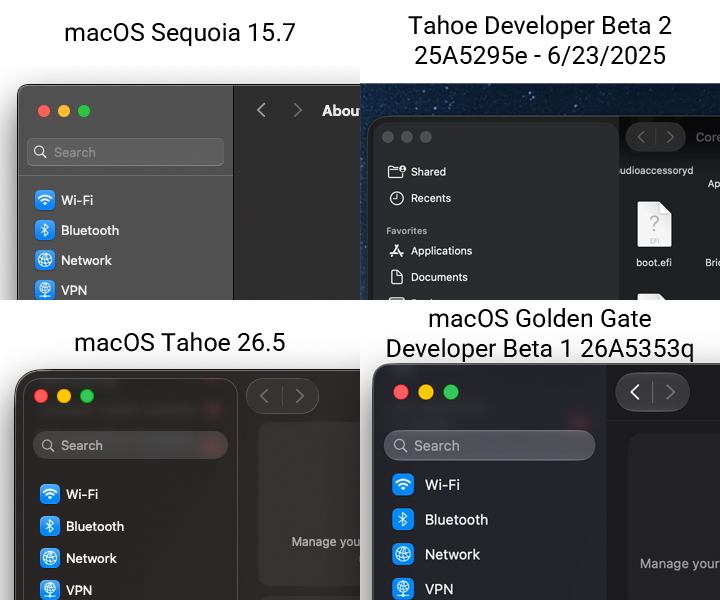
The Liquid Glass UI, first introduced in macOS Tahoe, continues its evolution in Golden Gate. Apple has indicated that a significant portion of the UI changes in this release are a direct response to user feedback gathered since the initial rollout of Tahoe. While specific details of all UI adjustments are still emerging, initial observations suggest a focus on enhanced intuitiveness, refined animations, and improved accessibility. This iterative approach to design, driven by user input, aims to solidify the Liquid Glass aesthetic as both visually appealing and highly functional, further distinguishing the macOS experience. The commitment to refining the user interface based on real-world usage patterns highlights Apple’s ongoing dedication to a user-centric design philosophy.
The Phased Retirement of Rosetta 2 and Its Implications
The inclusion of Rosetta 2 in macOS Golden Gate, while finite, is a significant detail. Rosetta 2 has been instrumental in the smooth transition of the Mac ecosystem from Intel to Apple Silicon, allowing millions of legacy applications to function seamlessly on the new architecture. Its presence in Golden Gate ensures that users migrating to the latest macOS version will continue to have access to their existing software library without immediate disruption. However, the announcement that this is the final version to support Rosetta 2 natively signals a clear endgame for Intel-based software compatibility.
This decision has several implications:
- Accelerated App Development: Developers will be further incentivized to recompile their applications for Apple Silicon, leading to a richer and more optimized software ecosystem. This could result in applications that are faster, more power-efficient, and better integrated with the hardware.
- User Migration: Users who rely on older, un-updated Intel-based applications will eventually need to find compatible alternatives or consider virtualisation solutions for future macOS versions. This encourages users to embrace the modern Mac software landscape.
- Legacy System Considerations: While Golden Gate will eventually be superseded, the decision impacts the longevity of software support for users who may still be operating older Intel Macs. The expectation is that by 2026, a substantial majority of critical software will have made the transition to Apple Silicon.
Apple Intelligence and the Future of Siri Integration
A major focal point of macOS Golden Gate is the deep integration of Apple Intelligence, Apple’s new suite of AI features. This system is designed to leverage both on-device processing and private cloud compute to deliver intelligent capabilities while prioritizing user privacy. The architecture ensures that personal data remains on the user’s device or is processed in a way that guarantees anonymity, a critical aspect given the sensitive nature of AI-driven tasks.
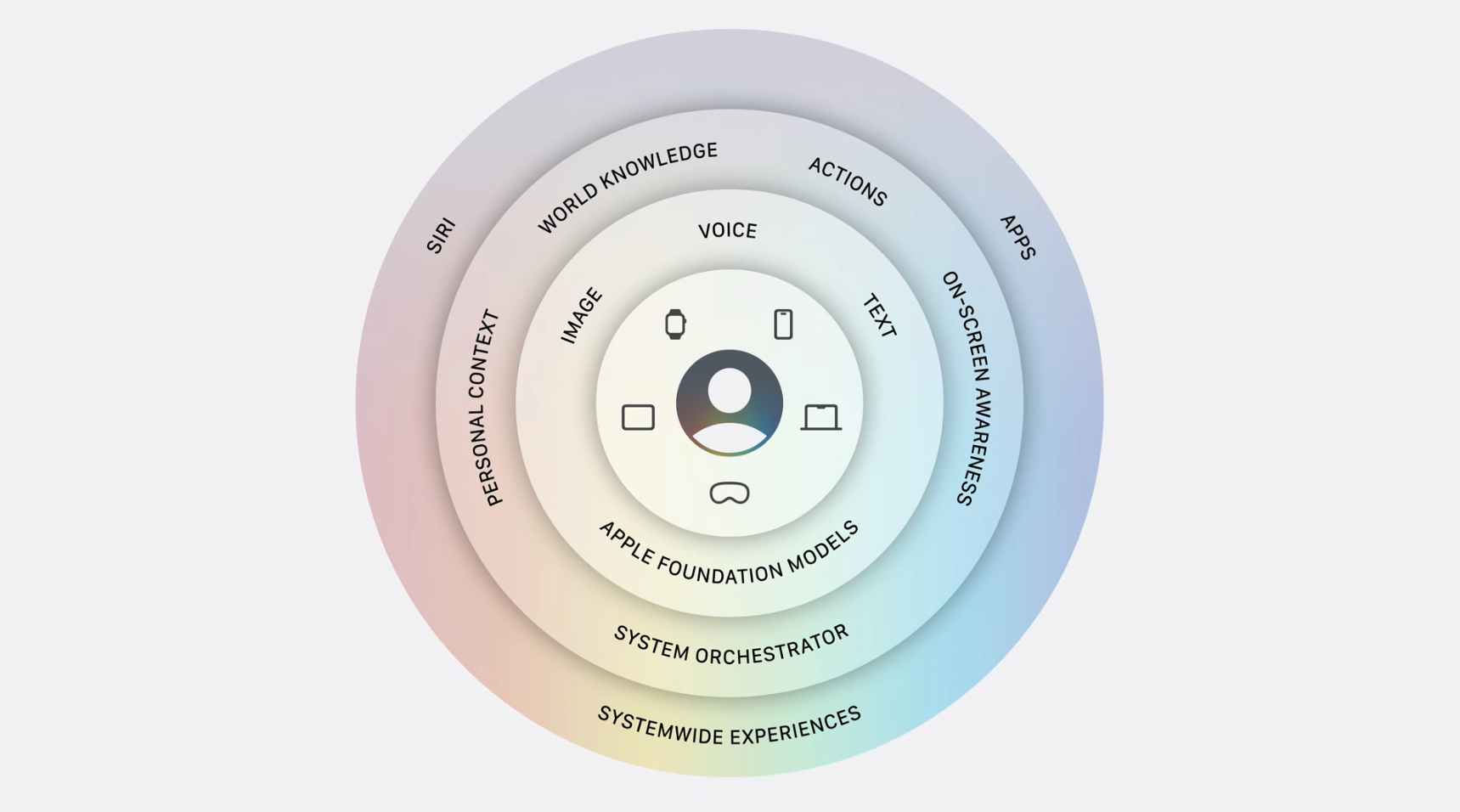
The new iteration of Siri, powered by Apple Intelligence, is a key component. However, its rollout is being managed with a phased approach. Users will need to join a waitlist within the Settings application to gain early access, a strategy that allows Apple to manage server loads and gather further feedback on its performance and capabilities in real-world scenarios. This measured deployment of advanced AI features underscores Apple’s commitment to a stable and secure user experience, even as it pushes the boundaries of what’s possible with AI on its platforms.
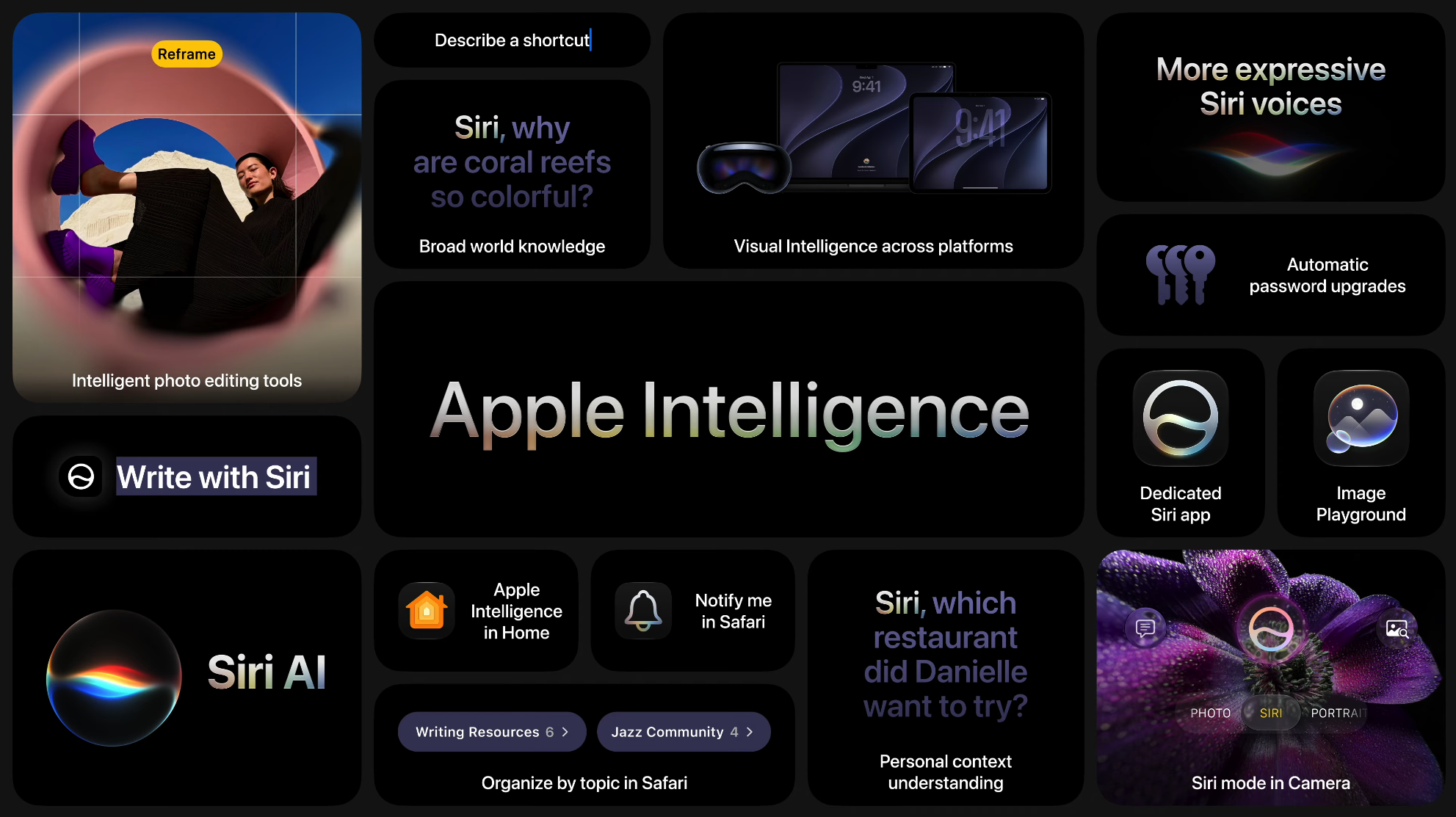
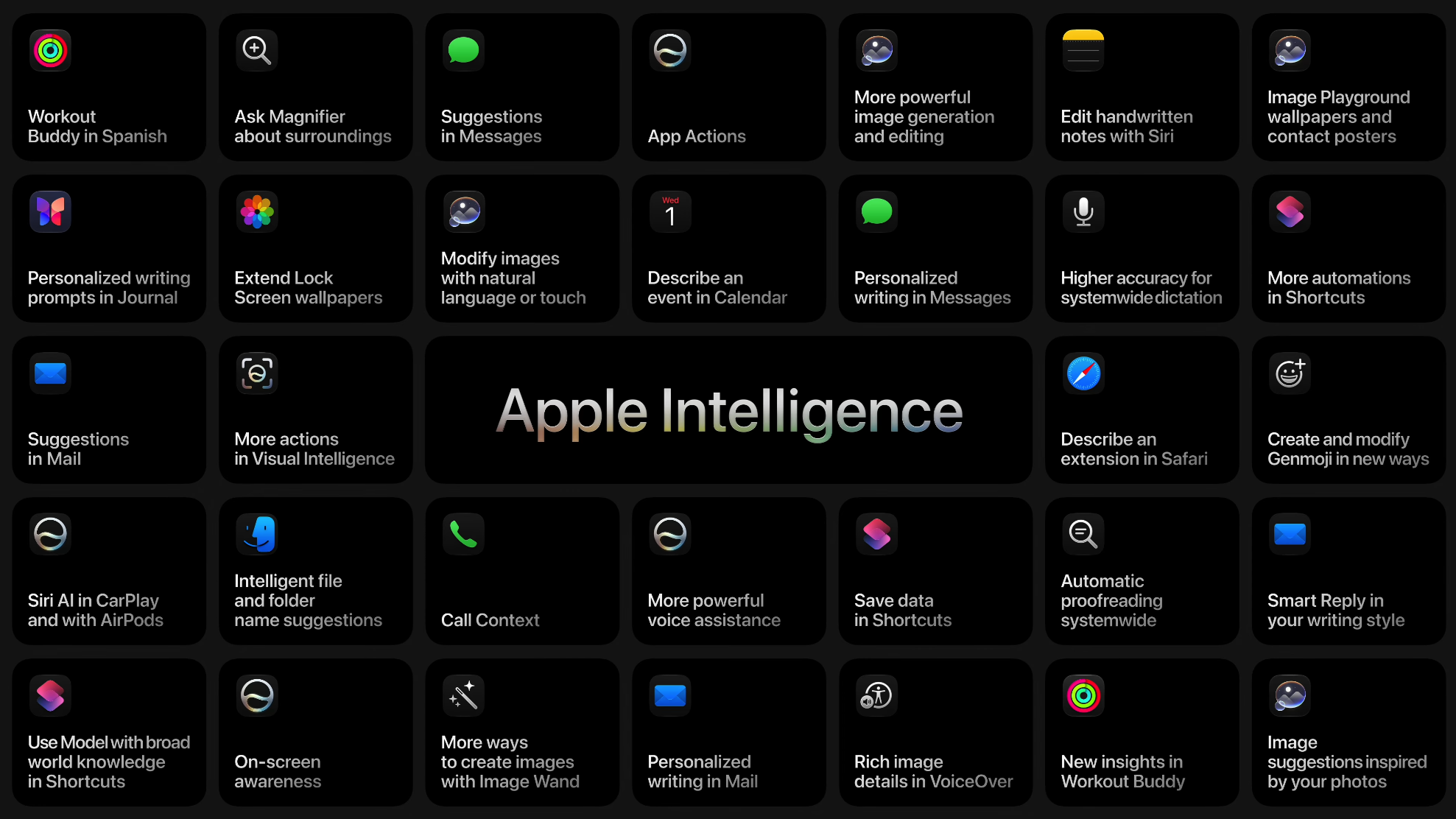
The potential applications of Apple Intelligence within macOS Golden Gate are vast, ranging from enhanced content creation and summarization to more contextual and personalized interactions with the operating system. The system promises to understand and act upon user requests with a level of nuance and sophistication previously unseen in personal computing.
System Requirements: A Focus on Apple Silicon
macOS Golden Gate mandates the use of Apple Silicon Macs. This means that any Mac model equipped with an M-series chip (M1, M2, M3, and subsequent generations) will be compatible. This requirement is a direct consequence of the operating system’s architecture being optimized for the unique capabilities of Apple’s custom silicon.
While Apple has not specified a minimum RAM requirement, it is strongly recommended that users operate Golden Gate with at least 16 GB of RAM for optimal performance. Although 8 GB of RAM will allow the operating system to boot and function, users may experience a less fluid experience, especially when running demanding applications or multitasking extensively. This recommendation aligns with the general trend of increasing RAM needs for modern operating systems and AI-intensive features.
Furthermore, the article strongly advises against running macOS Golden Gate on traditional hard drives. Given that all Apple Silicon Macs are equipped with SSDs as standard, this recommendation emphasizes the performance benefits of solid-state storage, which is crucial for the responsiveness and efficiency of an OS designed for high-performance silicon. The speed of SSDs is integral to the overall user experience, particularly with the advanced features integrated into Golden Gate.
Continued Support for Legacy Hardware: PowerPC VNC Connectivity
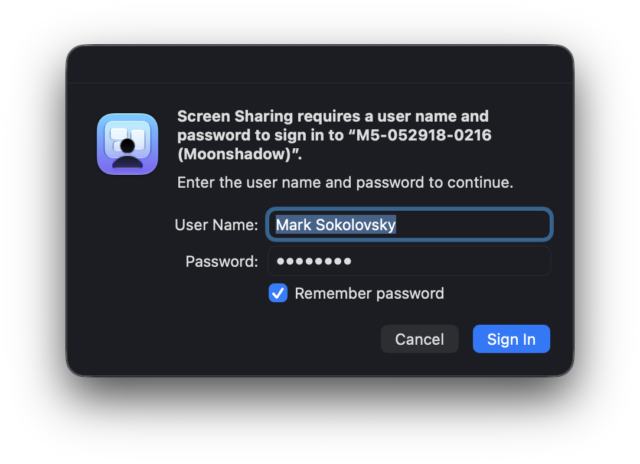
In a move that will be celebrated by vintage Mac enthusiasts, macOS Golden Gate retains support for VNC (Virtual Network Computing) connections to PowerPC-based Macs. This means that users can continue to remotely access and control their older PowerPC machines from their modern Apple Silicon Macs, provided screen sharing is enabled on the PowerPC system, typically from Mac OS X Leopard onwards.
This continuity is a testament to Apple’s recognition of the value some users place on their legacy hardware and the importance of preserving access to older systems for archival, development, or nostalgic purposes. While file sharing between Golden Gate and PowerPC Macs is noted as being "hit-or-miss" in the initial beta, the promise of faster network file browsing in macOS 27 suggests potential improvements in this area, further enhancing the utility of this legacy connectivity feature. This aspect of Golden Gate is particularly significant for those who maintain a diverse collection of Apple hardware.

The Unwavering Commitment to Apple Silicon: No Patching for Unsupported Macs
With macOS Golden Gate’s exclusive focus on Apple Silicon, the era of using bootloaders like OpenCore to run modern macOS versions on unsupported Intel Macs has effectively concluded for this particular release. OpenCore, a bootloader that injects and patches data in memory to enable near-native experiences on incompatible hardware, was crucial for extending the life of macOS on older Intel machines. However, Golden Gate’s architecture is intrinsically tied to Apple Silicon, and no patches are currently available or anticipated to allow its installation on unsupported Macs. This reinforces Apple’s strategy to drive users towards its latest hardware and software platforms, consolidating its ecosystem and simplifying its development and support efforts.
Timeline of Development and Release
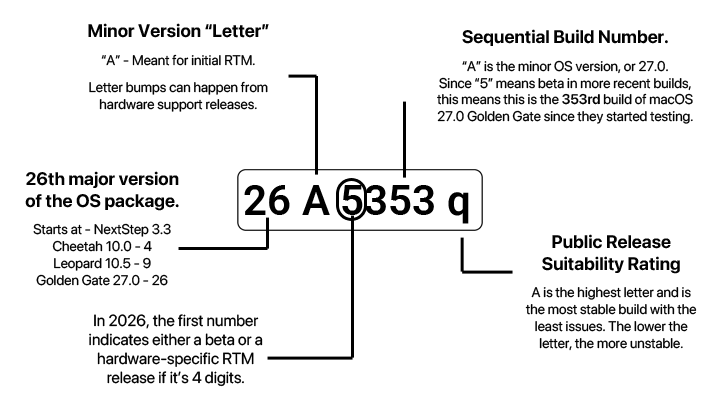
The announcement on June 8th, 2026, marks the initial public unveiling of macOS Golden Gate, with the first Developer Beta (Build 26A5353q) immediately following. This timeline is consistent with Apple’s typical release cycle for major operating system updates, which usually involves a WWDC announcement followed by a series of developer and public betas leading up to a fall release. The subsequent progression of builds will likely introduce further refinements, bug fixes, and performance optimizations. The final public release is anticipated for later in the fall of 2026, following a period of extensive testing and feedback incorporation.
Broader Implications and Future Outlook
The introduction of macOS Golden Gate represents more than just an operating system update; it signifies a fundamental shift in Apple’s hardware and software strategy. By fully embracing Apple Silicon and phasing out legacy support, Apple is streamlining its product line, enhancing performance, and reinforcing its commitment to a vertically integrated ecosystem.
The move is expected to accelerate innovation across the Mac platform. With a unified architecture, developers can create more powerful and efficient applications, and Apple can introduce new hardware and software features with greater ease. The focus on privacy with Apple Intelligence further solidifies Apple’s brand identity and its dedication to user trust.
While the transition will inevitably present challenges for users with older software or hardware, the long-term benefits of a streamlined, high-performance, and secure macOS ecosystem powered by Apple Silicon are substantial. macOS Golden Gate is not just a new version of the operating system; it is a declaration of intent, charting the course for the future of the Mac.