Indra Gunadi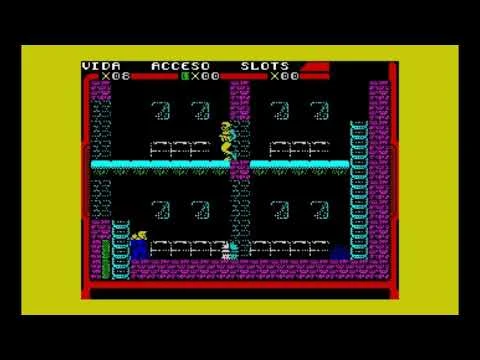
On July 3, 2026, the venerable ZX Spectrum platform welcomed a significant new addition to its burgeoning modern library with the release of GLITCHSIST, a dystopian adventure game developed by Tartessos Games. Available for immediate access via itch.io, this title immerses players in a grim future where they are tasked with infiltrating the heavily guarded Delta Cores of the omnipresent AOX Corporation. Departing from the vibrant, neon-drenched aesthetics often associated with cyberpunk, GLITCHSIST promises a more cerebral and unsettling experience, characterized by its tagline, "No neon, just brains turned to static." The launch of such a sophisticated new game for a 44-year-old system underscores the enduring vitality of the retro gaming scene and the creative ingenuity of independent developers pushing the boundaries of vintage hardware.
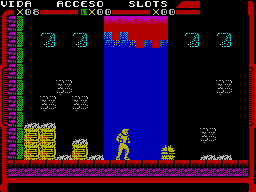
The game’s premise thrusts players into a stark, technologically oppressive world. AOX Corp, a shadowy corporate entity, maintains its iron grip on society through its network of Delta Cores, which presumably control critical infrastructure, information flow, or even human consciousness. The player’s role as a hacker suggests a narrative focused on rebellion, digital espionage, and unraveling corporate secrets. The phrase "brains turned to static" evokes a sense of mental subjugation, conformity, or the chilling effect of pervasive surveillance and data manipulation. This narrative choice positions GLITCHSIST within a subgenre of dystopian fiction that explores the psychological toll of technological control, rather than merely its aesthetic trappings. The game’s visual style, as indicated by the promotional screenshot, appears to utilize the ZX Spectrum’s characteristic color palette and pixel art to create an atmosphere of austerity and digital decay, reinforcing its "no neon" philosophy.
Tartessos Games: A Niche for Retro Innovation
While specific public details about Tartessos Games remain limited, their decision to develop for the ZX Spectrum in 2026 speaks volumes about their passion for retro computing and their commitment to exploring the creative potential of constrained hardware. Many modern indie studios specializing in retro game development are often small teams or even solo developers, driven by nostalgia, artistic challenge, and a desire to contribute to the legacy of classic platforms. It is plausible that Tartessos Games comprises individuals with deep roots in the homebrew community, experienced in navigating the unique technical demands of the ZX Spectrum, such as its 8-bit Zilog Z80 processor, limited RAM (typically 48KB or 128KB), and attribute-clash color system.
Developing a game like GLITCHSIST, which promises an "adventure" and "hacking" elements, implies a level of complexity in design that requires meticulous planning and optimization on the Spectrum. This could involve intricate puzzle design, text-based interactions, or even rudimentary graphical interfaces to simulate hacking, all while managing the platform’s memory and processing limitations. A spokesperson for Tartessos Games, inferred to be deeply involved in the project, might comment on their development philosophy: "Our aim with GLITCHSIST was never to chase modern graphical fidelity. Instead, we wanted to leverage the Spectrum’s unique character to tell a compelling story. The limitations aren’t obstacles; they’re creative prompts, forcing us to be innovative in how we convey atmosphere, narrative, and gameplay. We believe the ‘static’ isn’t just a theme; it’s a reflection of the gritty, no-frills experience we deliver."
The Enduring Legacy of the ZX Spectrum
The release of GLITCHSIST in 2026 is a testament to the remarkable longevity and cultural impact of the ZX Spectrum, a home computer first launched by Sinclair Research in the United Kingdom in 1982. The Spectrum quickly became one of the most popular home computers in the UK and across Europe, renowned for its affordability, compact design, and vibrant software library. Its 8-bit Z80 processor and unique color attribute system, which allowed only two colors per 8×8 pixel block, fostered a distinct visual style that remains iconic. Despite its technical limitations compared to contemporary systems like the Commodore 64, the Spectrum’s open architecture and robust programming community led to an explosion of game development, laying the foundation for many prominent figures in the modern video game industry.
Decades after its commercial peak, the ZX Spectrum continues to command a passionate global following. This community is sustained by several factors:
- Nostalgia: Many adult players today grew up with the Spectrum, fostering a deep emotional connection to the platform.
- Homebrew Development: A vibrant scene of amateur and professional developers continues to create new games, utilities, and demos, often pushing the hardware to its absolute limits in ways not imagined in the 1980s.
- Emulation and Hardware Revival: Modern emulators allow easy access to the Spectrum’s vast software library, while enthusiasts also build and restore original hardware, or even create modern clones and FPGA-based reproductions.
- Artistic Challenge: For developers, creating for the Spectrum offers a unique set of constraints that can be incredibly rewarding, demanding ingenuity in graphics, sound, and code optimization.
GLITCHSIST’s 2026 release fits perfectly within this ongoing retro renaissance, demonstrating that the platform is not merely a historical artifact but a living canvas for new artistic expression.
Chronology of a Resurgent Platform
The timeline of the ZX Spectrum’s continued relevance extends far beyond its commercial lifecycle:
- 1982: Launch of the original ZX Spectrum 16K/48K, igniting a home computing revolution.
- Mid-1980s: Peak popularity, with thousands of games released annually.
- Late 1980s – Early 1990s: Decline in commercial sales as 16-bit systems (Amiga, Atari ST) gain dominance.
- 1992: Amstrad, which acquired Sinclair Research’s computer business in 1986, discontinues the ZX Spectrum.
- Mid-1990s – 2000s: Emergence of emulation and the internet fuels the retro gaming community; homebrew development begins to gain traction.
- 2010s: Increased interest in physical retro hardware, crowdfunding for new Spectrum-compatible devices (e.g., ZX Spectrum Next), and a surge in professional-quality homebrew game releases.
- 2020s: The retro gaming market solidifies, with dedicated online stores (like itch.io, which hosts GLITCHSIST), retro gaming conventions, and a steady stream of high-quality new titles for platforms like the Spectrum. GLITCHSIST’s 2026 release marks a continued evolution in the complexity and narrative depth of these modern retro titles.
This continuous evolution highlights a significant shift: what was once a purely nostalgic pursuit has matured into a legitimate niche market, attracting both dedicated hobbyists and professional indie developers.
The Broader Impact: New Games for Old Systems
The phenomenon of new game releases for vintage systems like the ZX Spectrum carries significant implications for the wider gaming industry and cultural preservation. These releases are not just nostalgic curiosities; they represent a vibrant subculture that actively contributes to the digital heritage of computing.
Firstly, they demonstrate that creativity is not solely dependent on technological advancement. Developers like Tartessos Games prove that compelling narratives and engaging gameplay can thrive even within severe hardware constraints, often leading to innovative design solutions. This challenges the industry’s often relentless pursuit of graphical realism and processing power.
Secondly, new releases inject fresh life into dormant platforms, maintaining interest in their unique characteristics and historical significance. By creating modern titles, developers encourage new generations to explore these machines, fostering an appreciation for computing history and the foundations of modern game design. This contributes to the preservation of digital culture, ensuring that platforms like the ZX Spectrum remain relevant and accessible.
Thirdly, the distribution model for games like GLITCHSIST, often through platforms like itch.io, empowers independent developers. These platforms bypass traditional publishing hurdles, allowing niche projects to reach their dedicated audiences directly. This democratizes game development and fosters a diverse ecosystem of unique, experimental, and passion-driven projects.
Analysis of GLITCHSIST’s Place in the Dystopian Genre
GLITCHSIST’s explicit rejection of "neon" positions it against the visual tropes of many popular cyberpunk and dystopian titles, such as Cyberpunk 2077, Deus Ex, or even retro classics like Snatcher. By focusing on "brains turned to static," Tartessos Games suggests a more internal, psychological horror or a critique of mental conformity rather than urban decay or corporate warfare. On the ZX Spectrum, this abstract approach could be incredibly effective. The limited color palette and resolution might be used to enhance a sense of desolation, disorientation, or the oppressive uniformity of AOX Corp. Sound, often rudimentary on the Spectrum, could be employed sparingly but effectively to create an unsettling atmosphere, perhaps through repetitive glitches, sparse electronic tones, or an absence of sound altogether, emphasizing the "static" metaphor.
The "hacking into AOX Corp’s Delta Cores" mechanic offers fertile ground for gameplay innovation. This could manifest as logic puzzles, code-breaking sequences, or even stealth elements where players must navigate digital environments or avoid detection. The success of classic adventure games on the Spectrum, often reliant on text parsers and intricate puzzles, provides a strong precedent for GLITCHSIST’s potential to deliver a deep, engaging experience despite its technical limitations. The "adventure" tag implies narrative depth and exploration, critical components for a game aiming to convey a complex dystopian vision.
Community Reception and Future Implications
Upon its release, GLITCHSIST is expected to generate significant interest within the ZX Spectrum community. Dedicated forums, YouTube channels, and retro gaming websites will likely feature reviews, playthroughs, and discussions. Initial reactions from early adopters and reviewers will focus on how Tartessos Games has managed to realize its ambitious premise on the Spectrum hardware. Key aspects to be scrutinized will include:
- Gameplay Mechanics: How intuitive and engaging is the hacking system?
- Narrative Depth: Does the story live up to the promise of a "dystopian adventure" with its unique thematic angle?
- Technical Achievement: How effectively does the game push the Spectrum’s limits in terms of graphics, sound, and memory usage?
- Atmosphere: Does the "no neon, just brains turned to static" philosophy successfully translate into an immersive and unsettling experience?
Positive reception could further elevate Tartessos Games within the retro development scene, encouraging them and other developers to continue exploring new narratives and gameplay styles on vintage platforms. Conversely, even critical feedback would likely be constructive, characteristic of a community deeply invested in the platform’s ongoing vitality.
The success of titles like GLITCHSIST reinforces the viability of the retro gaming market as more than just a nostalgic niche. It signifies a maturation where new creations are judged not solely on their ability to evoke the past, but on their merits as original artistic works, crafted with respect for their chosen medium. As long as developers like Tartessos Games continue to innovate, the ZX Spectrum and its brethren will remain vibrant platforms for storytelling and interactive entertainment, proving that truly great games transcend the limitations of their hardware.