Edi Durjana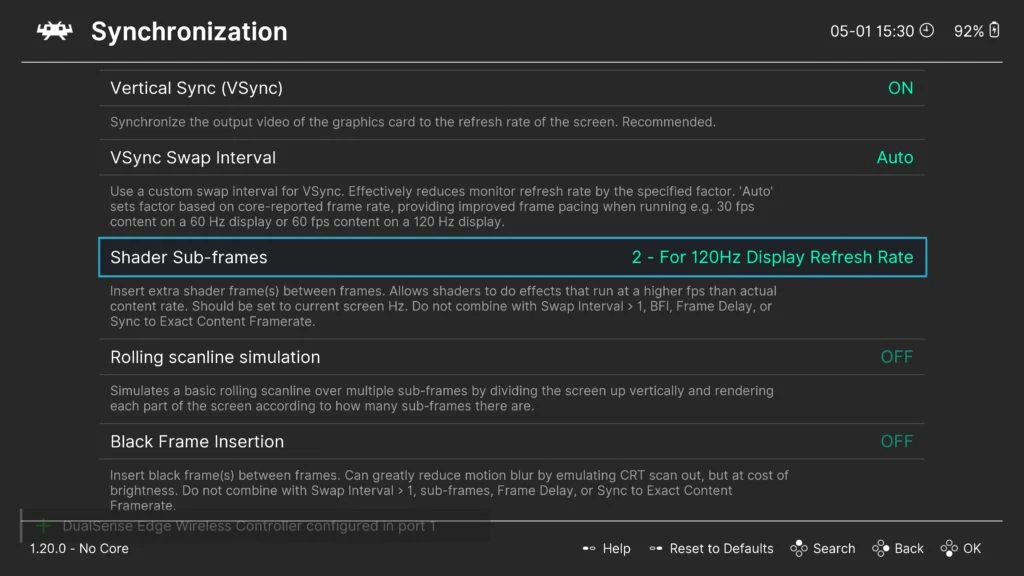
In a significant advancement for display technology and retro gaming enthusiasts, RetroArch, the popular open-source frontend for emulators, game engines, video games, media players, and other applications, has officially unveiled a revolutionary new shader designed to dramatically enhance motion clarity on modern high-refresh-rate displays. This innovation, dubbed the "CRT Beam Racing" shader, is the collaborative brainchild of Mark Rejhon, a leading expert in display motion clarity from BlurBusters, and Timothy Lottes, the acclaimed creator of the original FXAA (Fast Approximate Anti-Aliasing) and crt-lottes shaders. Leveraging RetroArch’s recently integrated "subframe" shader capabilities, this cutting-edge technology promises to deliver an unprecedented visual experience, effectively mitigating the pervasive issue of motion blur on contemporary screens without the inherent compromises typically associated with traditional black-frame insertion (BFI) methods.
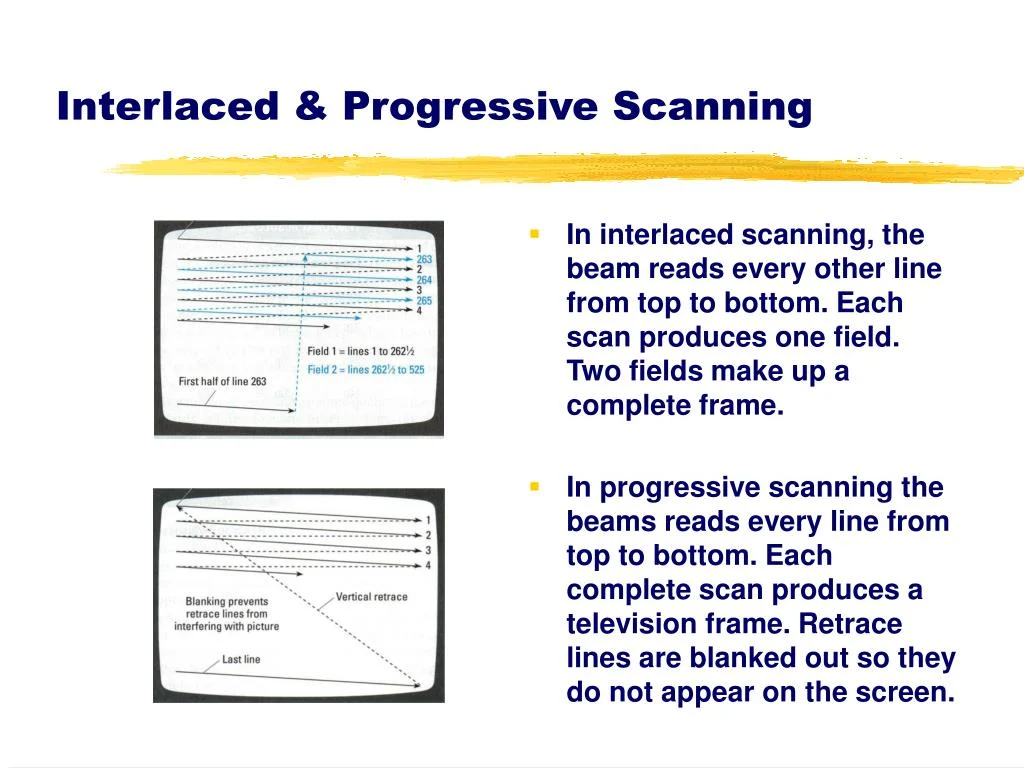
The introduction of this shader marks a pivotal moment in the ongoing quest to replicate the pristine motion clarity once characteristic of Cathode Ray Tube (CRT) displays. Modern flat-panel displays, despite their myriad advantages in resolution, brightness, and color reproduction, have long struggled with a phenomenon known as "sample-and-hold" motion blur. Unlike CRTs, which rapidly scan an electron beam across the screen, illuminating pixels for only a fleeting moment before they fade, LCDs, OLEDs, and other flat panels typically hold a static image for the entire duration of a frame. When combined with eye tracking, this sustained illumination causes distinct blurring of moving objects as the eye attempts to follow them across the screen. This effect is particularly pronounced in fast-paced games and has been a persistent point of contention for purists and competitive gamers alike.
For years, the primary solution to counteract sample-and-hold blur on flat panels has been Black-Frame Insertion (BFI). BFI works by inserting a black frame between each rendered game frame. This brief period of darkness effectively reduces the "hold" time of each image, mimicking the impulse-driven display characteristic of CRTs. While BFI can significantly improve perceived motion clarity, it comes with a substantial set of drawbacks. These include a noticeable reduction in overall screen brightness, which can diminish visual fidelity and impact contrast ratios. Furthermore, the rapid on-off flickering inherent to BFI can lead to increased eye strain, headaches, and in some sensitive individuals, even motion sickness. There’s also a potential risk of accelerated image persistence or "burn-in" on certain panel types due to the repeated voltage cycling. These limitations have often made BFI a compromise rather than a definitive solution, leaving a significant gap in the pursuit of true CRT-like motion.
The CRT Beam Racing shader fundamentally redefines this landscape by offering a superior alternative that sidesteps these conventional BFI pitfalls. Its core innovation lies in its ability to operate at multiples of the standard content framerate, a feat made possible by RetroArch’s newly implemented "subframe" shader capabilities. Instead of simply inserting a black frame, this shader intelligently manipulates the display’s output across multiple subframes to simulate the precise scanning behavior of a CRT’s electron beam. It does this by rendering parts of the current and next frame within the display’s refresh cycle, creating a "rolling scanline" effect that progressively illuminates the screen, much like an electron beam sweeping from top to bottom. This technique ensures that pixels are illuminated for a much shorter duration within each frame, drastically reducing the sample-and-hold effect without resorting to aggressive black-frame insertion.
The genesis of this groundbreaking shader can be traced back to a collaborative effort between two highly respected figures in their respective fields. Mark Rejhon, widely recognized through his work at BlurBusters.com, has dedicated his career to researching and advocating for improvements in display motion clarity. His extensive knowledge of display mechanics and human visual perception has been instrumental in understanding the nuances of perceived blur and developing strategies to combat it. Timothy Lottes, on the other hand, is a revered graphics programmer known for his pioneering work on Fast Approximate Anti-Aliasing (FXAA), a widely adopted post-processing technique, and the highly regarded crt-lottes shaders, which aim to replicate the aesthetic of CRT displays. The combination of Rejhon’s deep understanding of display physics and Lottes’s unparalleled shader development expertise created a formidable partnership, culminating in the original Shadertoy implementation of this concept, which can be explored at www.shadertoy.com/view/XfKfWd. Their combined vision and technical prowess, coupled with RetroArch’s forward-thinking integration of subframe processing, have brought this theoretical breakthrough into practical application.
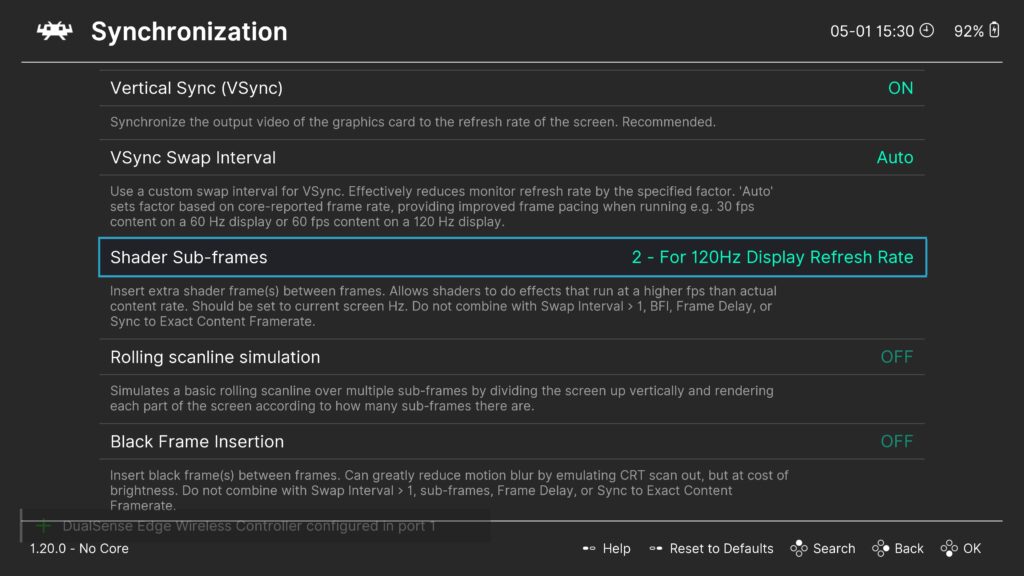
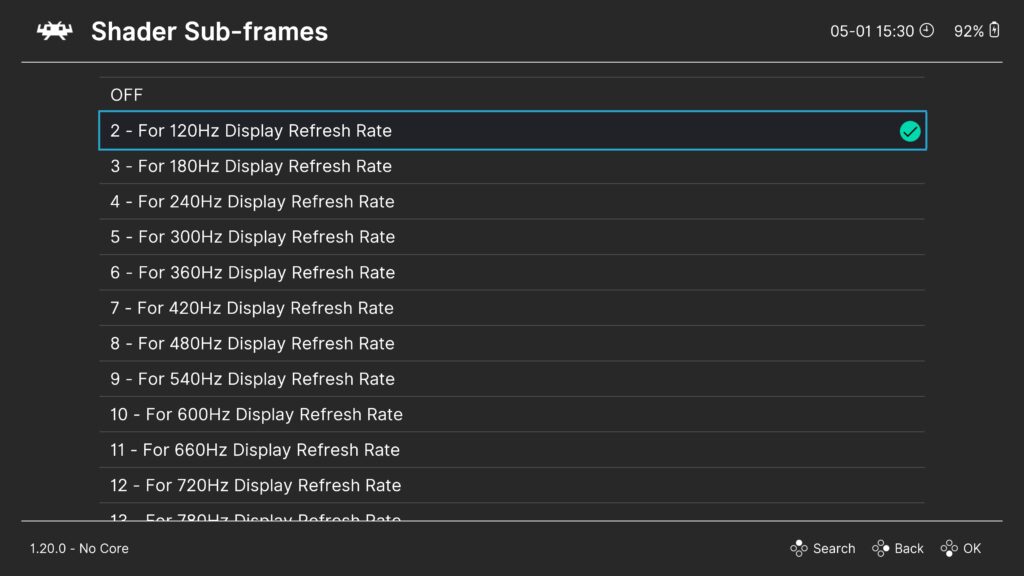
For users eager to experience this enhanced motion clarity, specific system requirements and configuration steps are essential. Crucially, the shader relies on RetroArch’s "Shader Sub-frames" feature, which was introduced in version 1.20.0. Therefore, users must ensure they are running RetroArch 1.20.0 or a more recent version (any nightly build will suffice) to utilize this functionality. Older versions of the software will not support the shader. Furthermore, the benefits of the CRT Beam Racing shader are most pronounced on high-refresh-rate monitors, specifically those operating at 120 Hz or higher. These higher refresh rates provide the necessary temporal resolution for the subframe processing to effectively simulate the CRT scanning effect.
The implementation process within RetroArch is designed to be user-friendly, allowing both seasoned enthusiasts and newcomers to benefit from the technology. Once the correct RetroArch version is installed, users can navigate to the shader settings within the RetroArch menu. The shader itself is typically found under the shaders_slang/crt-beam-simulator directory, where pre-made presets are also available. A significant advantage of this shader’s design is its modularity; it can generally be "prepended" to existing shader presets, allowing users to combine its motion clarity benefits with their favorite CRT shaders or other visual enhancements without conflict. This flexibility ensures that users don’t have to choose between improved motion and their preferred aesthetic.
Upon activation, the shader requires some fine-tuning to optimize its performance and visual output for individual display characteristics. The developers have thoughtfully included several runtime parameters that allow for granular control over the effect. One key parameter allows users to adjust the gamma, which is crucial for achieving a neutral image and eliminating any unusual dark lines that might appear due to the simulated raster scan. Another vital control enables users to fine-tune the trade-off between brightness and motion clarity. For instance, on 120 Hz monitors (which typically utilize 2 subframes for this effect), a gamma value of approximately 0.5 is often ideal, striking a good balance. For higher refresh rate 240 Hz monitors (leveraging 4 subframes), a value around 0.7 tends to yield the best results. These adjustments empower users to customize the experience to their specific preferences and display capabilities, ensuring optimal visual fidelity without excessive brightness reduction or flicker.
The CRT Beam Racing shader presents several distinct advantages over conventional BFI methods, making it a compelling upgrade for anyone seeking superior motion clarity:
- Elimination of Flicker: Unlike BFI, which relies on rapid on-off cycles, this shader avoids aggressive flickering, significantly reducing eye strain and discomfort, making long gaming sessions more enjoyable.
- Minimal Brightness Reduction: By intelligently distributing pixel illumination across subframes rather than inserting entirely black frames, the shader minimizes the overall reduction in screen brightness, preserving the display’s vibrant colors and contrast.
- Reduced Image Persistence/Burn-in Risk: The method of pixel illumination is less stressful on the display panel compared to the harsh on/off cycling of BFI, thereby mitigating the risk of image persistence or burn-in on susceptible display technologies.
- Authentic CRT Feel: Beyond just reducing blur, the simulated rolling raster line provides a more authentic "CRT feel" that many retro gaming enthusiasts crave, contributing to a more immersive and historically accurate experience.
It is also important to note that the risk of image persistence, caused by voltage accumulation from rapid on/off flickering, is not uniform across all flat-panel monitors. For instance, OLED panels are inherently less susceptible to this issue due to their self-emissive nature. Similarly, monitors running at odd integer multiples of 60 Hz, such as 180 Hz, may also exhibit different characteristics. Recognizing these variations, the shader includes a runtime parameter to disable the cycle timing offset. This feature stops the simulated raster line from "rolling up the screen," which can be advantageous for displays where persistence is not a concern or for users who prefer a static scanline effect. Additionally, a parameter is available to adjust the vertical position of the raster line, allowing users to place it in the least obtrusive spot for their specific setup and viewing habits. This level of customization underscores the thoughtful design behind the shader, aiming to cater to a diverse range of hardware and user preferences.
The implications of the CRT Beam Racing shader extend far beyond mere visual enhancement. For the retro gaming community, it represents a monumental step towards accurately preserving and experiencing classic titles as they were originally intended. The authentic motion clarity, combined with the ability to integrate with existing CRT shaders, allows modern displays to genuinely mimic the visual characteristics of their historical counterparts, closing a long-standing gap in emulation fidelity. For competitive gamers, particularly in genres where precise visual tracking is paramount, the reduction in motion blur can offer a tangible advantage, improving target acquisition and overall responsiveness. More broadly, this innovation demonstrates the potential for software-driven solutions to overcome hardware limitations, pushing the boundaries of what’s possible with existing display technologies. It highlights a path forward for future display development, where sophisticated processing can deliver a superior visual experience without sacrificing other critical display attributes.
The development team, including Mark Rejhon, remains committed to refining the shader and providing comprehensive support. For users who encounter any issues or require assistance with configuration, a dedicated FAQ and troubleshooting guide is available on Mr. Rejhon’s GitHub repository at https://github.com/blurbusters/crt-beam-simulator/issues/4. Furthermore, RetroArch’s robust support channels, including its official Discord server, Reddit community, and Libretro forums, are readily available for users seeking community assistance or direct developer insights. The collaborative and open-source nature of RetroArch ensures that this technology will continue to evolve, benefiting from user feedback and ongoing development.
The significance of this development has also been acknowledged by independent display technology experts. A comprehensive video analysis by a knowledgeable individual in display technologies, available at https://www.youtube.com/watch?v=PmXmr4Yiz_0, further elucidates the technical intricacies and practical benefits of the CRT Beam Racing shader. This external validation underscores the technical merit and the profound impact this innovation is poised to have on how we perceive motion on modern screens. As display technology continues to advance, solutions like the CRT Beam Racing shader demonstrate a compelling future where the best aspects of classic and modern displays can converge, offering an unparalleled visual experience for all users.