Edi Durjana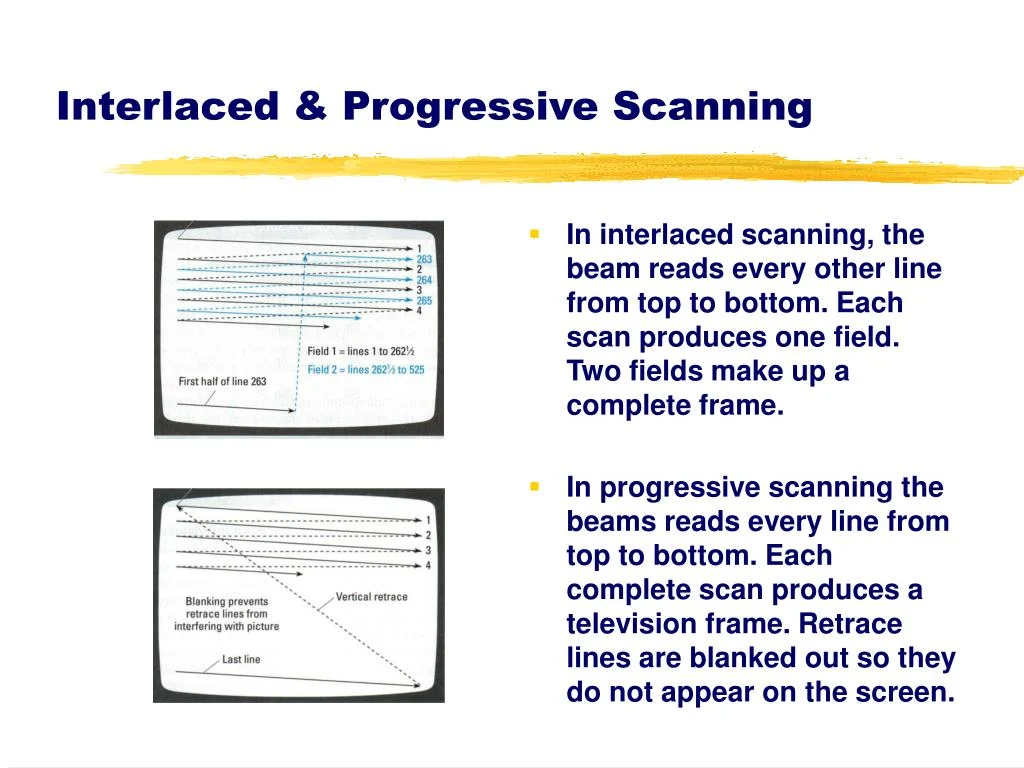
The PlayStation 2 (PS2), a console that sold over 155 million units worldwide, was a system meticulously engineered for the cathode ray tube (CRT) televisions prevalent at its launch. Unlike modern consoles designed around digital pixels and high resolutions, the PS2’s core video output architecture was rooted in the analog domain, prioritizing scanlines and precise timing. While a niche VGA monitor attachment existed for the official PS2 Linux toolkit, offering some VESA display modes, this was an afterthought, with virtually no commercial games leveraging it. This foundational design choice profoundly influenced its technical specifications, game development, and the visual experience it delivered, particularly regarding frame rates, widescreen presentation, and the adoption of progressive scan.
Understanding the PS2’s Core Architecture and Display Philosophy
At the heart of the PS2’s graphical prowess was its Graphics Synthesizer (GS), the console’s GPU, which boasted 4MB of embedded VRAM. This memory, while fast, was often considered a "scratchpad" by Sony rather than conventional VRAM, as it was frequently insufficient to hold a full 640×480 framebuffer. Despite this apparent limitation, the GS compensated with unparalleled bandwidth, making operations like alpha blending, multipasses, and framebuffer copies—tasks that would cripple many contemporary GPUs—remarkably efficient. Complementing the GS were the console’s two Vector Units (VU0 and VU1), SIMD coprocessors that enabled a fully programmable geometry pipeline, predating modern hardware features like mesh shaders seen in GPUs almost two decades later.
This unique architecture incentivized developers to maintain strict frame rate targets: 60 frames per second (fps) for NTSC regions (America/Japan) and 50 fps for PAL regions (Europe). This wasn’t merely a quest for smoother gameplay; it was a technical imperative dictated by the PS2’s interlaced video output and memory constraints.
The 60fps Imperative: Field Rendering and Image Stability
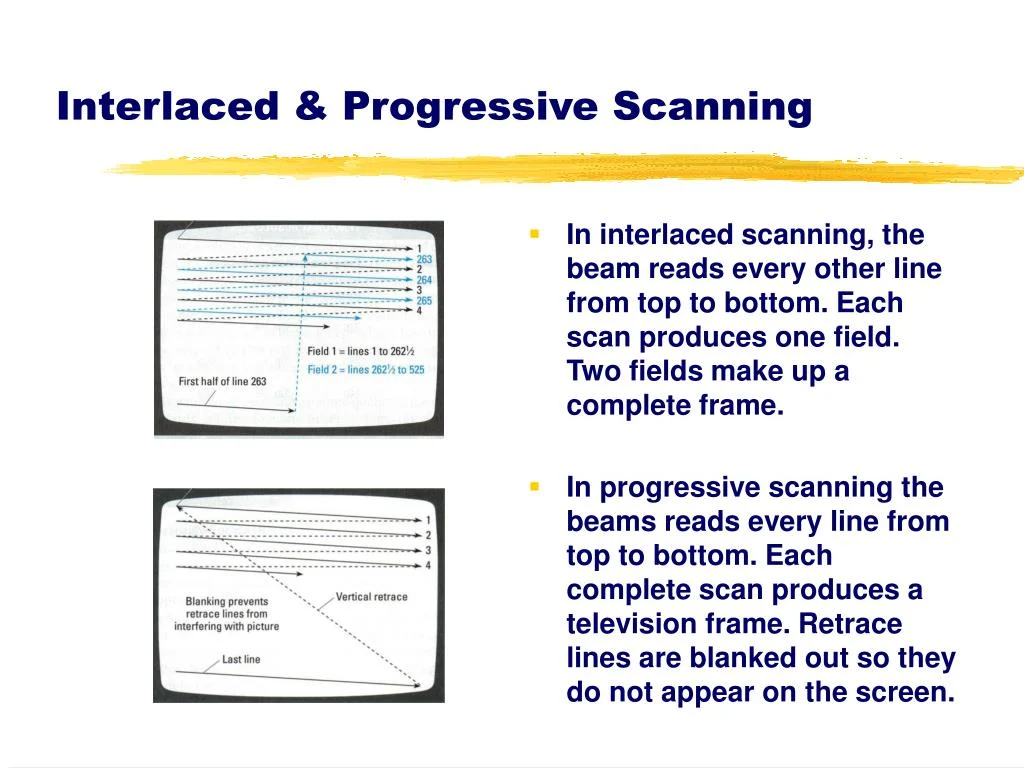
Early versions of the PS2’s Software Development Kit (SDK) predominantly supported interlaced scanline modes, requiring a 60Hz refresh rate to achieve a resolution like 640×448. Developers later gained the option of using either "frame mode" (full frames) or "field rendered mode" (interlaced fields).
Field rendering, by outputting interlaced frames, effectively halved the memory requirements per frame, rendering at resolutions like 640×240 or even 512×224. This was a critical advantage given the GS’s modest 4MB eDRAM. It also reduced the time needed to render the final output image, making it an attractive option for developers aiming for high performance. However, this efficiency came with a significant caveat: if a game failed to render a new frame in time and the previous one had to be displayed twice, the entire image would visibly shift its vertical position by one scanline. This "Y-shift" artifact was jarring and highly undesirable. Consequently, developers were forced to ensure a perfectly locked 60fps (or 50fps in PAL), often by internally slowing down the game or selectively skipping frames during intense sequences (as seen in titles like SSX 3) to maintain the target frame rate rather than letting it fluctuate and degrade image quality.
In contrast, "frame mode" rendered full frames (e.g., 640×448 or 512×448), demanding more rendering time and making a consistent 60fps target harder to achieve. However, this mode was more forgiving; if a frame was missed, the screen would simply display the second field from the previous frame without the disruptive Y-shift.
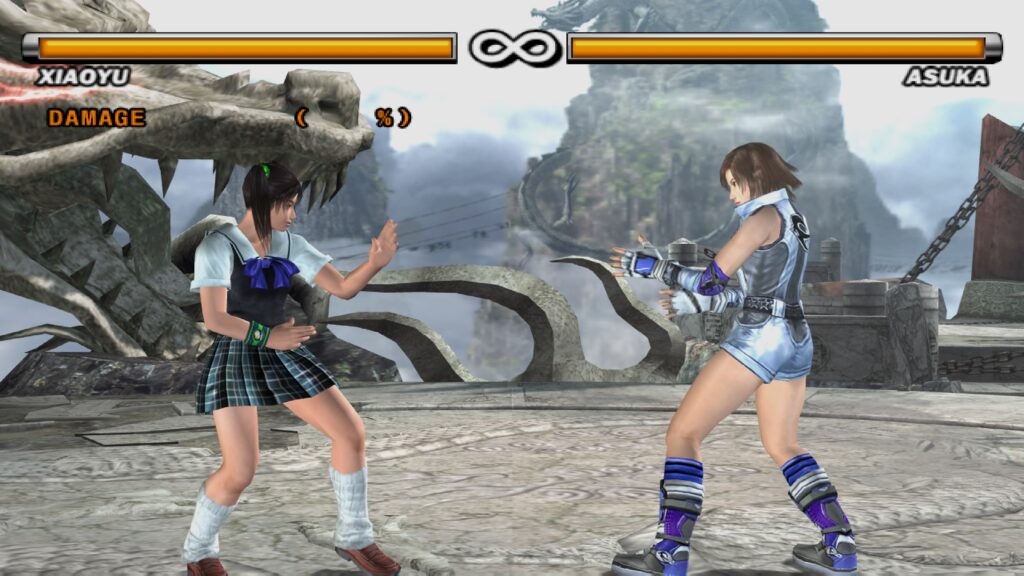
Ultimately, for games capable of maintaining a consistent 60fps, field rendering on a CRT TV delivered an experience indistinguishable from a full frame to the average user. The CRT’s analog nature effectively blended the half-frames, creating a seamless picture. This reliance on CRT technology allowed the PS2 to achieve impressive performance despite its comparatively lower display resolutions, leading to a notable abundance of 60fps titles, particularly during its launch period—a direct result of these technical constraints and developer ingenuity.
The PS2’s initial launch also drew criticism for "jaggies" (jagged edges) and a perceived lack of anti-aliasing, especially when compared to rivals like the Sega Dreamcast. This issue was exacerbated by early game magazines and journalists often performing single-field screen captures, resulting in screenshots that showed only half the vertical resolution and made games appear significantly more aliased in print than they did on a live CRT display. The combination of lower output resolution to fit within the GS eDRAM and media misrepresentation contributed to these misconceptions.
Expanding the Canvas: Widescreen on Analog Displays
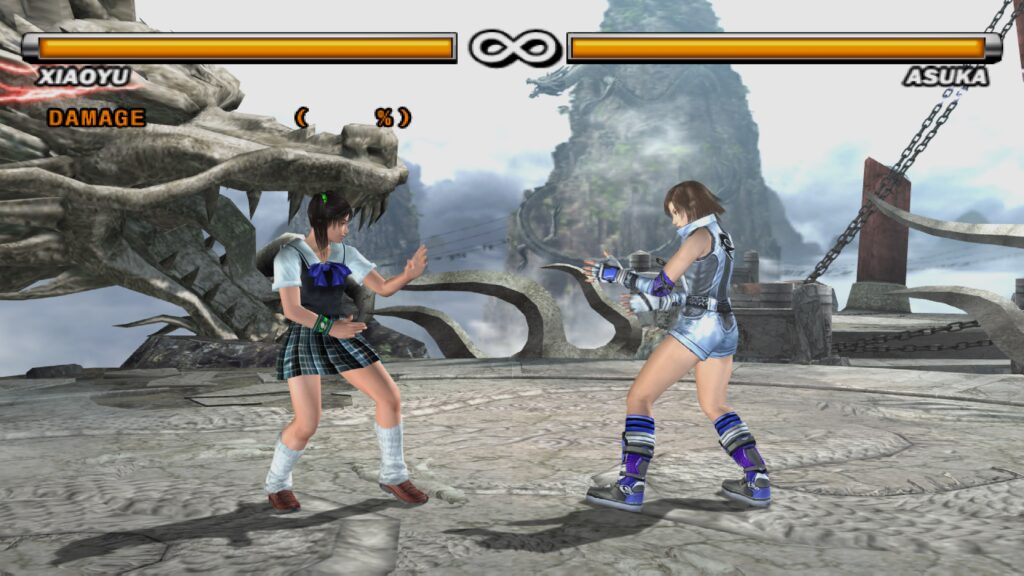
While the PlayStation 1 had dabbled in widescreen modes, the vast majority of console games prior to the PS2 era were designed for the 4:3 aspect ratio. The PS2, however, arrived during a pivotal shift in home entertainment. Its dual functionality as a DVD player, coupled with the rising popularity of "anamorphic widescreen" for movies, began to drive demand for 16:9 displays. By the early to mid-2000s, widescreen CRT TVs started gaining traction, prompting game developers to consider wider aspect ratios.
The PS2 implemented widescreen in three general ways:
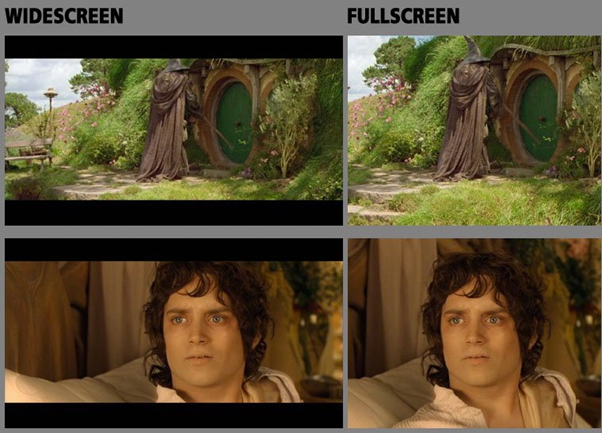
- Vert- (Vertical Minus): The image is cropped at the top and bottom to fit a 16:9 aspect ratio, essentially sacrificing vertical field of view and often zooming the remaining image. This was the most common implementation due to its simplicity and resource efficiency.
- Hor+ (Horizontal Plus): The horizontal field of view is expanded, rendering more of the game world on the sides. This is generally considered the "correct" widescreen implementation as it adds to the player’s view without removing information.
- Hybrid (Hor+ and Vert-): A combination where some horizontal view is gained, but also some vertical view is lost, often with a slight zoom.
The vast majority of PS2 games, including popular titles like Tekken 5 and all Ratchet & Clank and Jak and Daxter entries, opted for Vert-. This choice was primarily driven by system resource management and the GS’s 4MB VRAM. Cropping and zooming were computationally inexpensive on the GS, allowing developers to adapt to 16:9 without significantly increasing memory footprint or rendering load. Implementing Hor+ would typically require rendering a wider horizontal resolution, increasing VRAM usage and potentially impacting performance—a trade-off many developers were unwilling to make given the PS2’s existing resolution challenges. This led to many early widescreen experiences on 6th-generation consoles being disappointing for enthusiasts, as they often offered less visual information rather than more.
Pioneering Clarity: The Advent of Progressive Scan
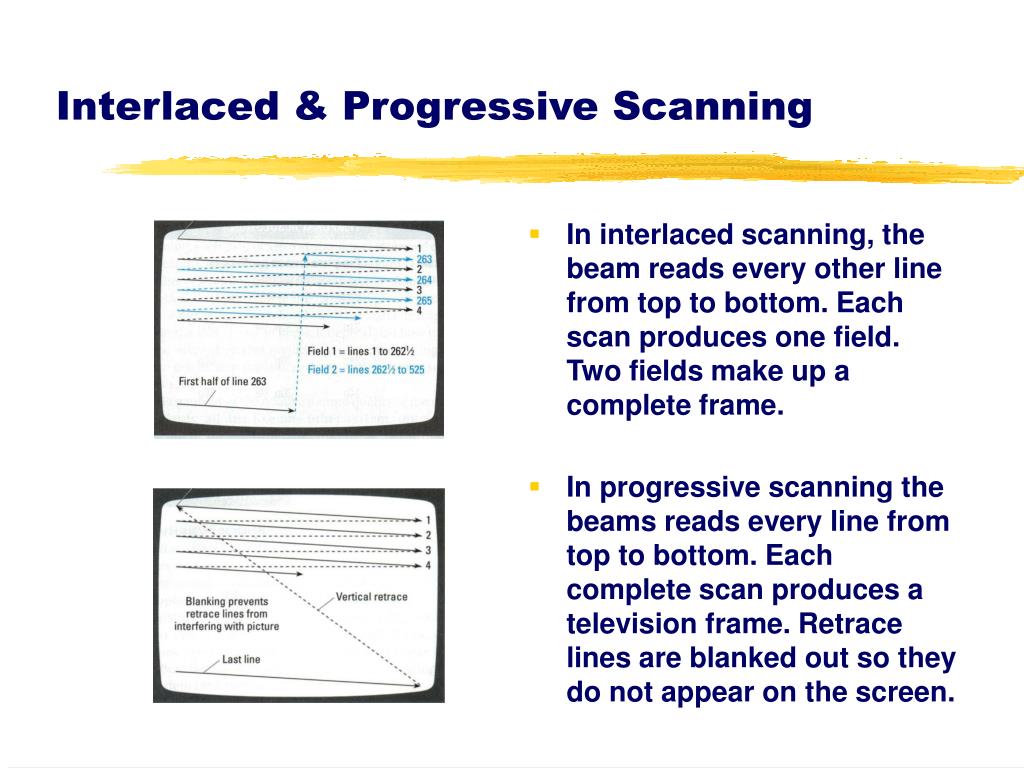
The PS2 emerged towards the end of the CRT’s dominance, coinciding with television manufacturers’ efforts to extend the life of analog displays through innovations like Enhanced-Definition Television (EDTV). EDTV-capable CRTs, appearing around 2001, supported 480p and 576p progressive scan signals. Progressive scan modes were non-interlaced, rendering full frames without the flickering artifacts inherent to interlaced video.
To utilize progressive scan, users typically needed higher-quality analog cables: component cables for NTSC TVs or RGB SCART cables for Japanese and European TVs, as composite and RF-AV connections did not support this feature. Games supporting progressive scan often presented a startup prompt (activated by holding X and Triangle) allowing users to choose between normal interlaced and progressive scan modes.
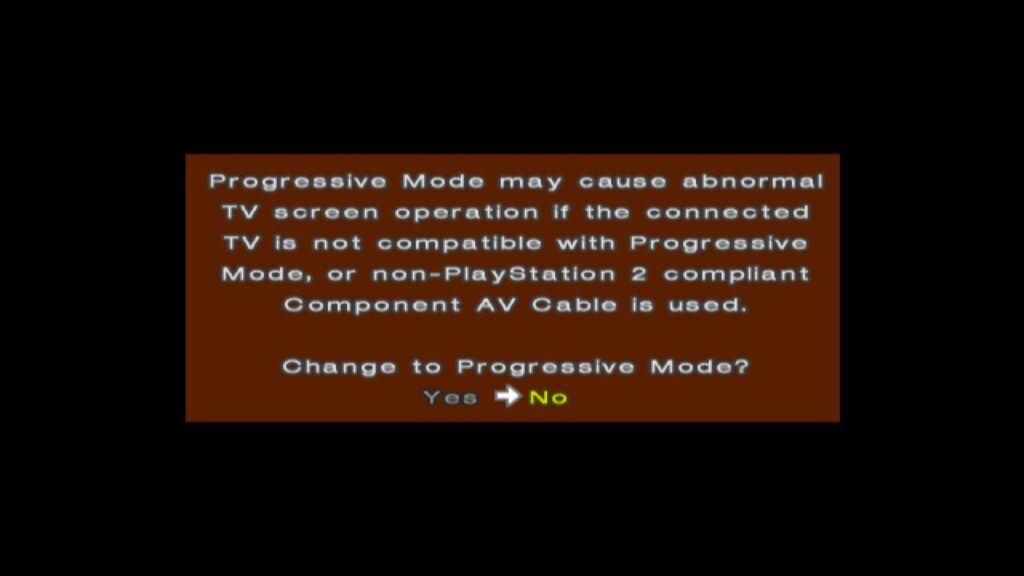
The benefits were clear: a sharper, more stable image with full-height framebuffers. However, some progressive scan-capable games made a trade-off, reducing the framebuffer depth to 16 bits per pixel (16bpp) or lower to fit within the GS’s 4MB eDRAM. This could result in minor color banding, but for most users, the absence of interlacing artifacts made progressive scan the superior visual experience.
Interestingly, some late-generation PS2 titles like Valkyrie Profile 2 and Gran Turismo 4 even offered "1080i" progressive scan modes. This was not a true 1920×1080 resolution, but rather an advanced framebuffer trick. For instance, Gran Turismo 4 rendered internally at 640×540, then used the GS’s Cathode Ray Tube Controller (CRTC) to magnify this image (e.g., 640 horizontally by 3 to 1920, and 540 vertically by 2 to 1080) to simulate a higher resolution. While convincing on a CRT at the time, this magnified image often looked less sharp than a true 480p signal on modern high-definition displays.
The European Quandary: PAL, 50Hz, and the NTSC Workaround
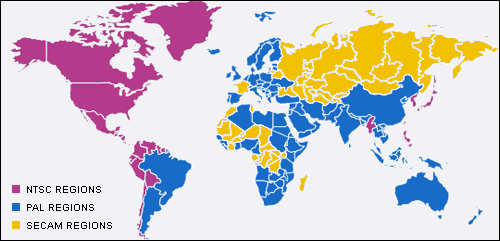
European gamers faced additional display challenges due to the PAL television standard, which operated at 50Hz, compared to NTSC’s 60Hz in Japan and America. This often resulted in PAL game versions running 16.9% slower than their NTSC counterparts and frequently featuring "letterboxing" due to PAL’s higher vertical resolution (typically 576 lines compared to NTSC’s 480).
The Dreamcast, a direct competitor, had often offered a "PAL60" mode, providing a 60Hz image on compatible TVs and mitigating these issues. However, Sony explicitly refused to officially back PAL60 for the PS2, considering it a non-standard. This decision meant that many PS2 launch titles in Europe were initially stuck at 50Hz, much to the chagrin of European gamers.
While some UK-based developers like Psygnosis (known for Wipeout), Core Design (Tomb Raider), and Rockstar/DMA Design (Grand Theft Auto) made efforts to optimize PAL conversions, often rendering more scanlines for improved image quality over NTSC versions, the games still ran slower. Some attempted to tweak game speed to compensate, but the experience was generally inferior to a 60Hz NTSC version.
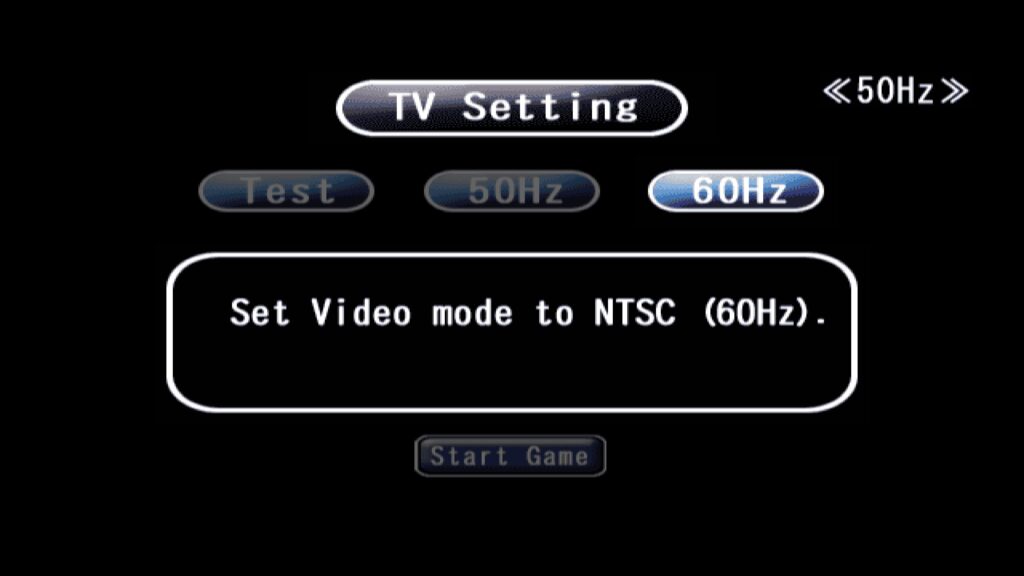
Around 2002, a workaround began to emerge. Instead of a PAL60 option, many PS2 games, like ICO, started offering a 50Hz/60Hz selector that would switch the console to an NTSC 480i mode. This was largely compatible with most European TVs sold since the late 1990s, which often supported both PAL and NTSC signals. However, this wasn’t always a simple solution. Developers like Square Enix, with their extensive use of high-quality, large Full Motion Video (FMV) scenes, found it impractical to ship separate 50Hz and 60Hz versions of these sequences on a single DVD, leading titles like Final Fantasy X to remain 50Hz-only despite growing demand for NTSC 60Hz options. Over time, games lacking these 50Hz/60Hz toggles became the exception rather than the rule, reflecting developer adaptation to regional demands.
The Digital Transition: PS2 on Early LCDs and its Modern Legacy
The mid-2000s marked a significant industry-wide shift from CRTs to flat-panel LCD televisions. As the 7th generation of consoles (PlayStation 3, Xbox 360) approached, promising native high-definition, non-interlaced visuals via HDMI, the landscape changed dramatically. For these new consoles, regional display standards like PAL and NTSC became largely irrelevant, with 60Hz output becoming the default.
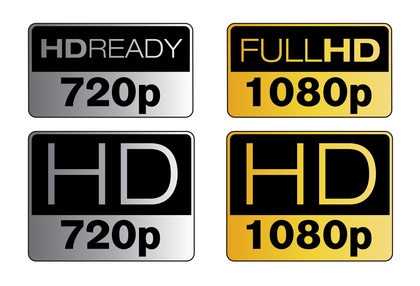
However, this transition was fraught with challenges for older, CRT-centric consoles like the PS2. Early LCD HD-ready TVs, often entering the market around 2005-2006, were plagued by high input latency and significant ghosting artifacts. Features designed for CRTs, such as "feedback blur" used extensively in PS2 games for motion blur effects, looked fantastic on analog displays but appeared disastrously smudged and blurry on these nascent LCD panels. Some developers attempted to mitigate these issues; Soul Calibur 3, for example, included a "Software Overdrive" setting to reduce afterimage effects on LCD screens, though it was a partial solution at best.
The fundamental problems of latency and motion clarity for CRT-era consoles on LCDs persisted for years, often leading to a subpar experience for retro gamers. It is only in recent years, with advancements in display technology (like modern OLEDs) and sophisticated emulation techniques, that these issues are finally being addressed. Innovations such as BlurBusters’ "CRT beam racing simulator" shaders, now integrated into emulators like RetroArch, allow modern displays to simulate the precise motion clarity and low latency of a CRT, combined with the visual fidelity of advanced CRT shaders, offering an experience closer to the original intent than ever before.
In retrospect, the PlayStation 2 stands as a testament to ingenious engineering within the constraints of its era. Its design, inextricably linked to the analog world of CRT televisions, shaped its performance, graphical presentation, and the very development practices of a generation of games. From the 60fps imperative driven by interlaced video and VRAM limitations to the nuanced challenges of widescreen and progressive scan adoption, the PS2’s technical legacy continues to be a fascinating case study in console design at the cusp of a major technological paradigm shift.