Ganda Hendra Perkasa
Host Frank Cifaldi of the Video Game History Foundation welcomed Wes Fenlon, the author of the insightful bi-weekly newsletter Read Only Memo, to the latest installment of The Video Game History Hour. Episode 156, released on [Insert Date of Episode Release – e.g., May 22, 2024], delved deep into the often-niche yet profoundly important world of video game emulation, ROM hacks, fan translations, and decompilations. Fenlon, whose work meticulously documents these fan-driven efforts, underscored their indispensable contribution to making vintage video games accessible to contemporary audiences and ensuring their long-term preservation. The conversation, characterized by its technical depth and passionate exploration of gaming’s past, illuminated the intricate challenges and innovative solutions emerging from the dedicated community working to keep classic titles alive.
The Unseen Pillars of Game Preservation: Emulation and Fan Translations
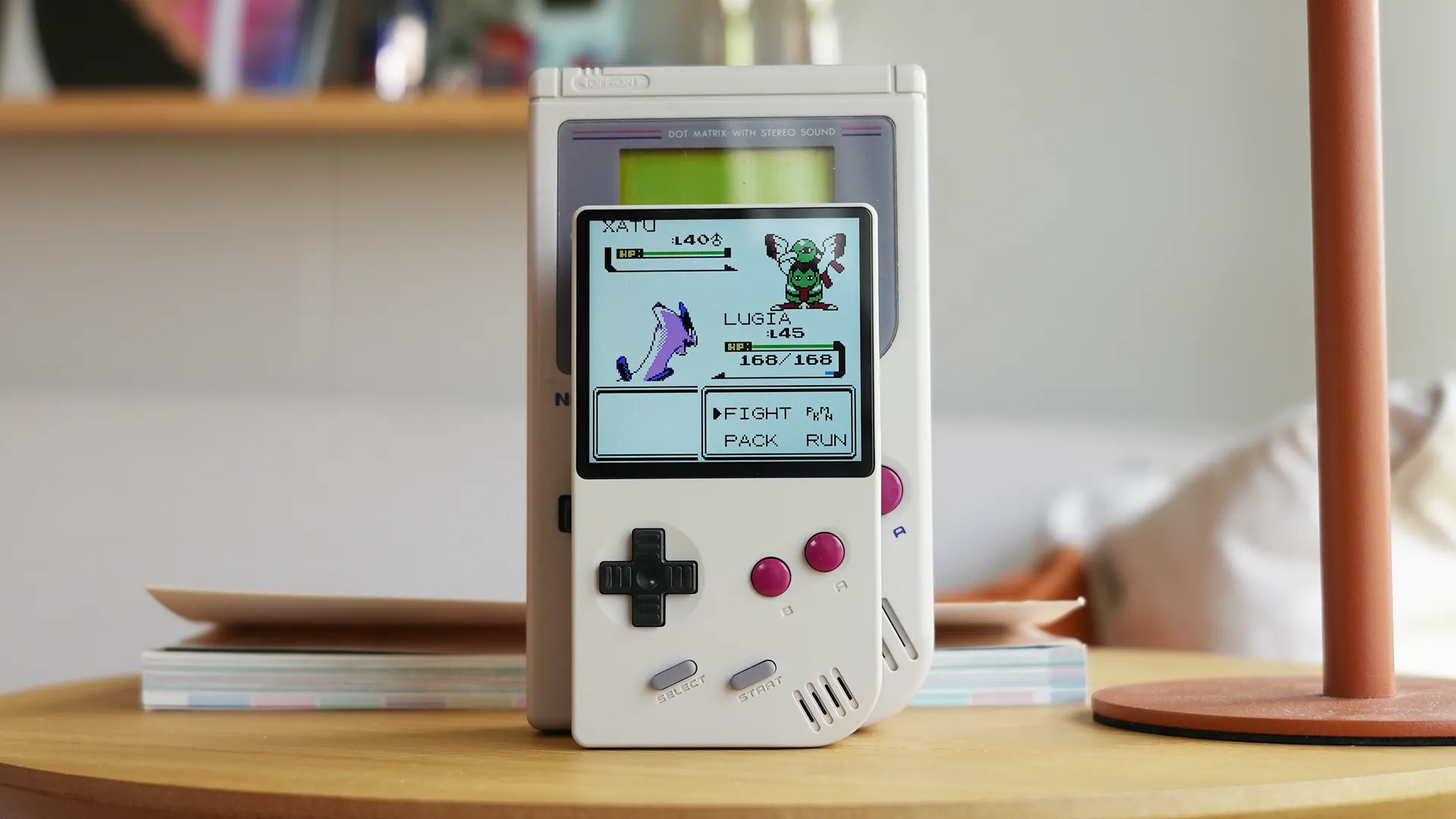
Fenlon’s newsletter, Read Only Memo, serves as a vital conduit for information on these specialized areas of retro gaming. While the subject matter might appear esoteric to the casual observer, its significance in the broader landscape of cultural preservation cannot be overstated. Emulation, the process of recreating the functionality of vintage gaming hardware on modern systems, alongside fan translations and decompilations, forms the bedrock of accessible retro gaming. These fan-made projects are not merely a hobby for a select few; they are crucial tools for historians, researchers, and, most importantly, players who wish to experience games that are otherwise lost to time due to hardware obsolescence, digital rights management, or simply the passage of years.
The conversation between Cifaldi and Fenlon highlighted the inherent difficulties in preserving video game history. Unlike other forms of media, video games are inherently tied to specific hardware and software configurations. As consoles age, their components degrade, and their operating systems become incompatible with current technology. This creates a significant barrier to entry for experiencing these cultural artifacts. Emulation, in this context, acts as a bridge, allowing these digital experiences to transcend their original technological limitations.
Navigating the Technical Depths: Innovations in Emulation
The technical intricacies of emulation were a central theme of the discussion. Fenlon and Cifaldi engaged in a detailed exploration of advanced emulation techniques, such as static recompilation and decompilation. Static recompilation, a method where the emulator translates the original game code into a more efficient format for the target system during the emulation process, offers significant performance gains. Decompilation, on the other hand, attempts to reverse-engineer compiled game code back into a human-readable programming language. This process can be immensely valuable for understanding how a game was built, identifying bugs, and even enabling the creation of entirely new modifications or ports.
These techniques are not just theoretical exercises; they represent the cutting edge of fan-driven innovation in game preservation. The effort involved in decompiling a complex game can span years and require a deep understanding of programming languages, assembly code, and the architecture of vintage hardware. The success of such projects often depends on the collaborative efforts of many individuals, pooling their knowledge and skills to achieve a common goal. This mirrors the broader spirit of open-source development and community-driven innovation that characterizes much of the emulation scene.
The Shadow of Corporate Influence: Nintendo and the Emulation Community
The dynamic between game developers and publishers, particularly entities like Nintendo, and the emulation community was another critical area of discussion. Nintendo, a company with a rich history of iconic gaming franchises, has often taken a firm stance against emulation, citing copyright concerns. This legal posture, while understandable from a business perspective, has created a complex and often adversarial relationship with fan preservationists.
However, the conversation also touched upon the subtle ways in which fan-driven advancements can, paradoxically, influence commercial retro game releases. As emulation technology matures and fan translations make previously inaccessible games playable in new languages, it creates a demand for official retro gaming services. The success of Nintendo’s own Virtual Console, and later its Nintendo Switch Online service, can be seen, in part, as a response to the growing desire among players to access classic titles. The Video Game History Foundation itself has been a vocal advocate for greater accessibility to vintage games, arguing that their preservation is a public good.
Fenlon highlighted that while legal challenges remain a constant concern for emulation developers, the sheer ingenuity and dedication of the community often find ways to overcome obstacles. The ability to play games that would otherwise be lost to the ravages of time or prohibitive cost is a testament to this resilience.
A Timeline of Fan Preservation Efforts
The history of emulation and fan translations is a rich tapestry woven over decades. Early forms of emulation began to emerge in the late 1980s and early 1990s, with the development of emulators for systems like the Atari 2600 and the Nintendo Entertainment System. These early efforts were rudimentary by today’s standards, often plagued by inaccuracies and performance issues. However, they laid the groundwork for the sophisticated emulators that exist today.
The mid-to-late 1990s saw a significant surge in the development of emulators for more complex systems like the Super Nintendo Entertainment System and the Sega Genesis. This era also marked the rise of ROM hacking, where fans would modify existing game ROMs to alter gameplay, graphics, or even create entirely new experiences. Simultaneously, the groundwork for fan translations began to take shape. Early translations were often text-based, requiring significant technical skill to implement.
The 2000s witnessed a maturation of both emulation and fan translation technologies. More powerful computers and improved reverse-engineering techniques allowed for more accurate emulation of more complex consoles, including the PlayStation and Nintendo 64. Fan translation projects became more ambitious, with entire games being translated into dozens of languages, opening up previously inaccessible titles to a global audience.
The current era, marked by the advancements in decompilation and the increasing sophistication of emulation techniques like static recompilation, represents a new frontier. Projects focused on decompiling classic games are not just about making them playable; they are about understanding their fundamental design and potentially breathing new life into them through ports to modern platforms.
Supporting Data and Community Impact
The impact of emulation and fan translations can be quantified in several ways. Firstly, the sheer number of games that have been made accessible through these efforts is staggering. A significant portion of the retro game library, particularly titles that were never officially re-released or are prohibitively rare, owe their continued existence and accessibility to emulation.
Secondly, the community surrounding these efforts is vast and highly engaged. Online forums, Discord servers, and GitHub repositories are teeming with developers, testers, and enthusiasts sharing knowledge, collaborating on projects, and celebrating their successes. The development of tools and techniques within this community often has a ripple effect, benefiting not only emulation but also game development in general.
The mention of the ShaderBeam project and the Blur Busters article on GitHub highlights a specific example of this innovation. ShaderBeam, an overlay that can be run over a window, likely enhances the visual fidelity of emulated games by applying advanced shaders, effectively bringing modern graphical techniques to classic titles. Such innovations demonstrate the continuous drive to improve the retro gaming experience beyond mere functional accuracy.
Broader Implications for the Future of Gaming
The work championed by Wes Fenlon and the broader emulation community has profound implications for the future of video game preservation and even commercial game development. By creating accessible archives of historical games, they are ensuring that future generations can learn from and be inspired by the innovations of the past. This is crucial for understanding the evolution of game design, storytelling, and technology.
Furthermore, the skills and techniques honed within the emulation scene can directly inform commercial retro gaming initiatives. The demand for official retro gaming services, driven in part by the accessibility provided by fan efforts, signals a growing market for classic titles. Companies that engage with this market responsibly, perhaps by collaborating with preservationists or learning from their methods, can tap into a passionate and dedicated audience.
The ongoing debate surrounding copyright and emulation is likely to continue. However, the undeniable value of these fan-driven projects in preserving cultural heritage is becoming increasingly recognized. As technology advances, the methods of preservation will undoubtedly evolve, but the core mission of ensuring that video games, as a significant art form and historical record, remain accessible will persist, driven by the passion and ingenuity of communities like the one highlighted in The Video Game History Hour.
Listeners interested in delving deeper into these topics can find the full episode of The Video Game History Hour on Patreon, Spotify, and the Video Game History Foundation’s website. Further insights into Wes Fenlon’s work can be found on his Bluesky profile, his Read Only Memo newsletter, and his author page at PC Gamer. The Video Game History Foundation can be contacted via email at [email protected], and their website offers further information and support options on Patreon.