Farhan hamdan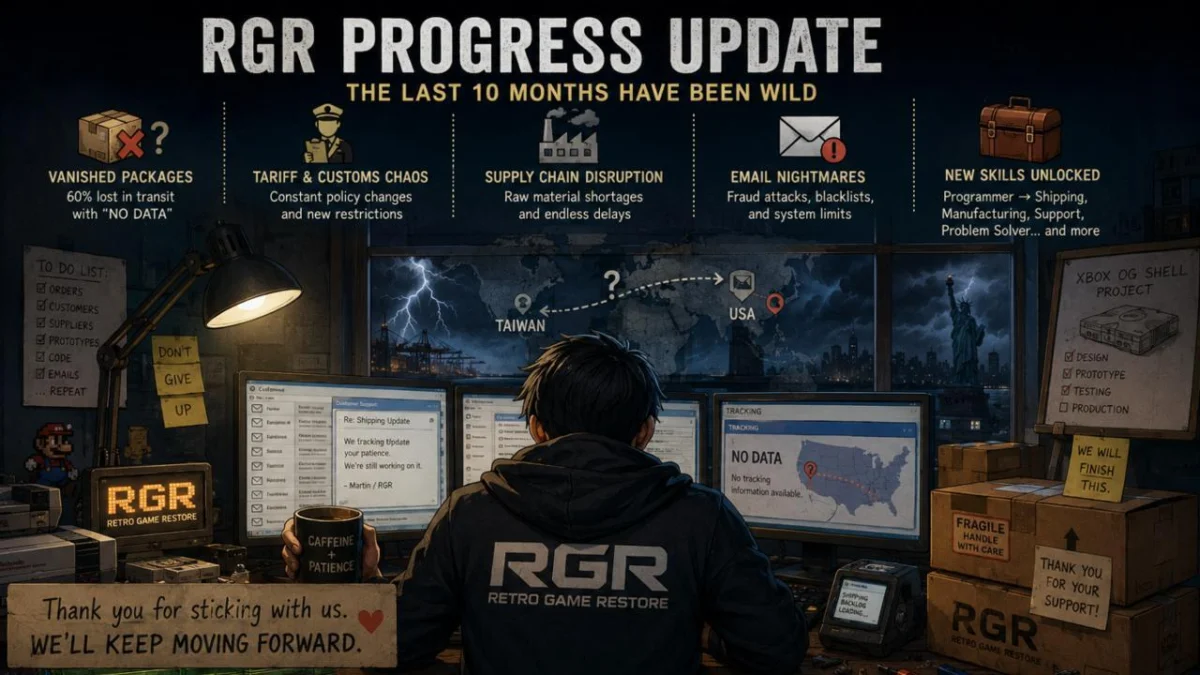
Retro Game Restore (RGR), a prominent name in the niche market of high-quality vintage console restoration parts, has issued a comprehensive status update addressing significant delays impacting several of its highly anticipated products. Martin, the driving force behind RGR, detailed the complex challenges faced, primarily attributing the setbacks to severe disruptions in global supply chains for essential materials and persistent international shipping bottlenecks. In a gesture aimed at alleviating customer burden and acknowledging patience, RGR has committed to absorbing prepaid duties and tax-processing costs for all affected pre-orders placed before July 1st, a move that underscores the financial pressures small businesses are currently enduring.
Unpacking Retro Game Restore’s Latest Update
The core of RGR’s recent communication centers on the ongoing production of its highly anticipated Xbox shell, a flagship product that has garnered considerable interest within the retro gaming community. While progress has been made, including the receipt of samples, the final manufacturing stages are currently hampered by critical shortages of specialized plastics and chemicals. These materials are fundamental to producing the high-quality, durable console shells RGR is known for. Martin’s update serves not only as a specific announcement for RGR customers but also as a candid microcosm of the broader economic difficulties confronting numerous small and medium-sized enterprises (SMEs) worldwide.
The Xbox Shell Project: A Case Study in Supply Chain Vulnerability
The Xbox shell project exemplifies the intricate dependencies within modern manufacturing. Producing a high-fidelity replica or enhancement for a vintage console requires specific grades of plastic, often ABS (Acrylonitrile Butadiene Styrene) or similar polymers, chosen for their durability, finish, and moldability. The global petrochemical industry, which supplies the raw materials for these plastics, has experienced unprecedented volatility over the past two years. Factors such as fluctuating oil prices, unexpected plant shutdowns due to extreme weather events, labor shortages, and a surge in demand from other sectors (e.g., medical supplies, packaging) have created a domino effect, leading to scarcity and significant price hikes.
The chemicals required for specialized finishes, pigments, or structural integrity further complicate the sourcing process. These are often produced by a limited number of suppliers, making the supply chain particularly vulnerable to localized disruptions. For a company like RGR, which prides itself on material quality and precise manufacturing standards, compromising on these inputs is not an option. This commitment to quality, while foundational to RGR’s reputation, inevitably prolongs development cycles when primary suppliers are unable to meet demand. The sampling process itself, which involves iterative adjustments and quality checks to ensure the product meets exacting specifications, adds layers of complexity and time, especially when material availability is inconsistent.
A Global Confluence of Challenges: The Macroeconomic Landscape
The "last 10 months have been wild," as Martin aptly puts it, a sentiment echoed by countless businesses globally. This period aligns directly with the enduring and cascading effects of the COVID-19 pandemic, which triggered a series of economic shocks unparalleled in recent history. The disruptions began with initial lockdowns in early 2020, leading to factory closures, labor shortages, and a drastic shift in consumer demand. While initial recovery efforts were underway, subsequent waves of the pandemic, coupled with geopolitical tensions and other unforeseen events, have sustained a volatile environment.
The Shadow of COVID-19 and Raw Material Scarcity
The pandemic fundamentally altered global manufacturing and logistics. Factories in key production hubs, particularly in Asia, faced intermittent closures, reduced workforces due to health protocols, and difficulties in acquiring necessary components. This created a backlog that has persisted for years. For instance, the demand for plastics surged during the pandemic for personal protective equipment (PPE) and packaging for e-commerce, diverting raw material supplies away from other industries. The petrochemical sector, already grappling with environmental regulations and investment shifts, struggled to keep pace.
Moreover, energy crises in various regions have driven up the cost of manufacturing and transporting goods, further exacerbating the issue. The production of plastics is energy-intensive, and spikes in natural gas or crude oil prices directly translate into higher material costs. For a small business like RGR, which often operates on tighter margins than large corporations, these increased costs cannot always be fully passed on to the consumer without risking market competitiveness, forcing them to absorb a significant portion.
Navigating the International Shipping Maze
Compounding the material shortages is the protracted crisis in international shipping. Beginning in late 2020 and intensifying throughout 2021 and 2022, the global shipping industry has been plagued by a perfect storm of challenges:
- Container Shortages: A critical imbalance of shipping containers, with many stuck in congested ports or at inland depots, rather than being available for new cargo.
- Port Congestion: Major ports worldwide have experienced unprecedented backlogs, with hundreds of vessels waiting to dock and unload, leading to significant delays in transit times. This has been particularly acute in key Asian and North American ports.
- Labor Shortages: A lack of port workers, truck drivers, and warehouse staff has slowed down cargo handling and inland distribution, creating bottlenecks at every stage of the logistics chain.
- Skyrocketing Freight Costs: The cost of shipping a single container has, at times, increased by 500% to 1000% compared to pre-pandemic levels. While these costs have moderated slightly in some lanes, they remain significantly elevated, adding immense financial pressure to importers.
For RGR, these shipping woes translate into longer lead times for receiving samples from manufacturers, delays in final product delivery, and vastly increased shipping expenses. The "global shipping nightmare" referenced in the update is not hyperbole; it represents a tangible and often unpredictable obstacle that can derail meticulously planned production schedules. The absorption of prepaid duties and tax-processing costs, while a goodwill gesture, also highlights the administrative and financial burden associated with navigating complex international trade regulations during such volatile times.
The Financial and Operational Toll on Niche Manufacturers
The challenges outlined above disproportionately affect niche manufacturers and small businesses like Retro Game Restore. Unlike multinational corporations with diversified supply chains, dedicated logistics teams, and substantial financial reserves, smaller entities often rely on a limited number of suppliers and freight forwarders, making them more susceptible to disruptions.
Precarious Margins and Absorbed Costs
The retro gaming hardware market, while passionate, is often characterized by relatively small profit margins, especially for high-quality, custom-made parts. The meticulous R&D, tooling costs, and quality control required for products like console shells mean that initial investment is substantial. When raw material prices surge, and shipping costs multiply, these already thin margins can quickly evaporate. Martin’s decision to absorb duties and tax-processing costs for affected pre-orders, while commendable from a customer service perspective, represents a direct financial hit to the company. These are costs that were likely not factored into the original pricing models and demonstrate RGR’s commitment to its customer base even at personal business expense.

Furthermore, the process of issuing refunds, while a reasonable request from customers facing prolonged delays, also incurs financial penalties for the business in the form of processing fees. When dealing with a large volume of pre-orders, these fees can accumulate to a significant sum, further eroding any remaining profit from a project. This creates a difficult dilemma for creators: risk customer dissatisfaction and potential chargebacks by delaying, or incur financial losses by processing refunds for orders already deep into production investment.
The Intricacies of Custom Production
Developing custom hardware for vintage consoles is a complex endeavor that goes beyond simple off-the-shelf manufacturing. It involves:
- Reverse Engineering/Precision Design: Meticulously replicating or improving upon original designs, often requiring 3D scanning and CAD modeling.
- Tooling and Molds: Significant upfront investment in injection molds, which must be precisely engineered for accuracy and durability. Any material changes or production issues can necessitate costly mold adjustments.
- Multiple Manufacturers: Often, different components or stages of production (e.g., plastic molding, circuit board fabrication, packaging) are handled by various specialized manufacturers, each with their own lead times and potential for delays. Coordinating these disparate elements during a global crisis is a monumental task.
- Quality Control: RGR’s reputation hinges on delivering products that meet or exceed the quality of original parts. This necessitates rigorous quality control at every stage, from material sourcing to final assembly, adding time and cost.
The "time that you’re supposed to be creating new products to continue to move your business forward" is a critical point. When a significant portion of a creator’s time and resources are diverted to troubleshooting delays, chasing suppliers, and managing customer expectations for existing projects, it stifles innovation and future growth. This opportunity cost can have long-term implications for the business’s trajectory and its ability to bring new, exciting products to market.
RGR’s Response and Community Engagement
Martin’s detailed status update is a testament to the importance of transparency in times of crisis. His post is not just an explanation of delays but an educational piece, illustrating the systemic issues affecting global commerce. By openly sharing the challenges, RGR seeks to foster understanding and manage expectations within its community.
Martin’s Candid Communication and Mitigation Efforts
The decision to publish a comprehensive update, rather than a brief notice, demonstrates RGR’s commitment to open communication. Martin’s explanation goes beyond simply stating "delays"; it delves into the "why," connecting RGR’s specific product setbacks to broader geopolitical and economic forces. This level of transparency is crucial for maintaining customer trust, especially when lead times extend far beyond initial estimates. The absorption of duties and taxes is a tangible mitigation effort, directly addressing a potential financial burden on pre-order customers. This proactive step helps to soften the impact of the delays and reinforces RGR’s dedication to customer satisfaction despite external pressures.
The Customer Dilemma: Patience vs. Refund
The article acknowledges the difficult position customers find themselves in. As a customer, the expectation is to receive a product within a reasonable timeframe after payment. When that expectation is not met, requesting a refund is a perfectly legitimate response. However, the unique circumstances facing RGR and similar small businesses create a complex ethical and practical dilemma. Many customers, understanding the quality and dedication behind RGR’s products, may opt for patience, knowing that the eventual delivery will likely meet their high standards. This is particularly true for enthusiasts who value the preservation and enhancement of retro gaming hardware, recognizing the specialized effort involved.
The plea for patience from the author of the original article, underpinned by RGR’s "years long history of delivering extremely high quality products," highlights the weight of a company’s reputation. In a market where trust and quality are paramount, a strong track record can encourage customers to weather the storm, even when faced with significant delays. This demonstrates the unique bond often formed between niche creators and their dedicated communities.
Broader Implications for the Retro Gaming Ecosystem
The situation at Retro Game Restore is not an isolated incident but a clear indicator of the systemic vulnerabilities within the global supply chain, with profound implications for specialized markets like retro gaming.
Sustaining Trust in a Volatile Market
For the retro gaming community, companies like RGR are vital. They fill a crucial gap left by original manufacturers, providing parts and upgrades that keep vintage consoles alive and enhance the gaming experience. Prolonged delays, however, can strain the trust between these vital suppliers and their customer base. Clear, consistent, and empathetic communication, as exemplified by Martin’s update, becomes paramount in preserving this trust. Companies must balance transparency with realistic timelines, acknowledging that in an unpredictable world, sometimes the best intentions are thwarted by forces beyond their control. The long-term health of this niche market relies heavily on the ability of its key players to navigate these challenges while retaining the confidence of their customers.
Resilience and Adaptability in Small Business
The challenges faced by RGR serve as a stark lesson in business resilience and adaptability. Small businesses, by their nature, are often more agile than large corporations, but they also have fewer resources to absorb shocks. The current environment necessitates a re-evaluation of supply chain strategies, potentially exploring diversification of suppliers, maintaining higher inventory levels for critical raw materials (if financially feasible), and building stronger relationships with logistics partners. Contingency planning, which might have once seemed like an academic exercise, has become an urgent operational imperative.
The "nobody wins and we all lose in some way" sentiment powerfully encapsulates the current economic climate. Customers face frustration and delayed gratification, while businesses grapple with financial losses, operational headaches, and the emotional toll of disappointing their clientele despite their best efforts. The global economy is still in a period of significant adjustment, and the ripple effects continue to be felt across all sectors, from consumer electronics to niche retro gaming hardware.
In conclusion, Retro Game Restore’s transparent update is a critical piece of communication that illuminates the complex interplay of global supply chain issues, shipping disruptions, and the inherent challenges of niche manufacturing. While the delays are undoubtedly frustrating for customers, RGR’s commitment to quality, combined with proactive measures like absorbing duties and taxes, reflects a dedication to navigating these unprecedented times with integrity. The situation underscores the need for patience and understanding within specialized communities, as businesses worldwide continue to grapple with a volatile and unpredictable economic landscape, all while striving to deliver the high-quality products their customers cherish.