
 Hartono Sudibyo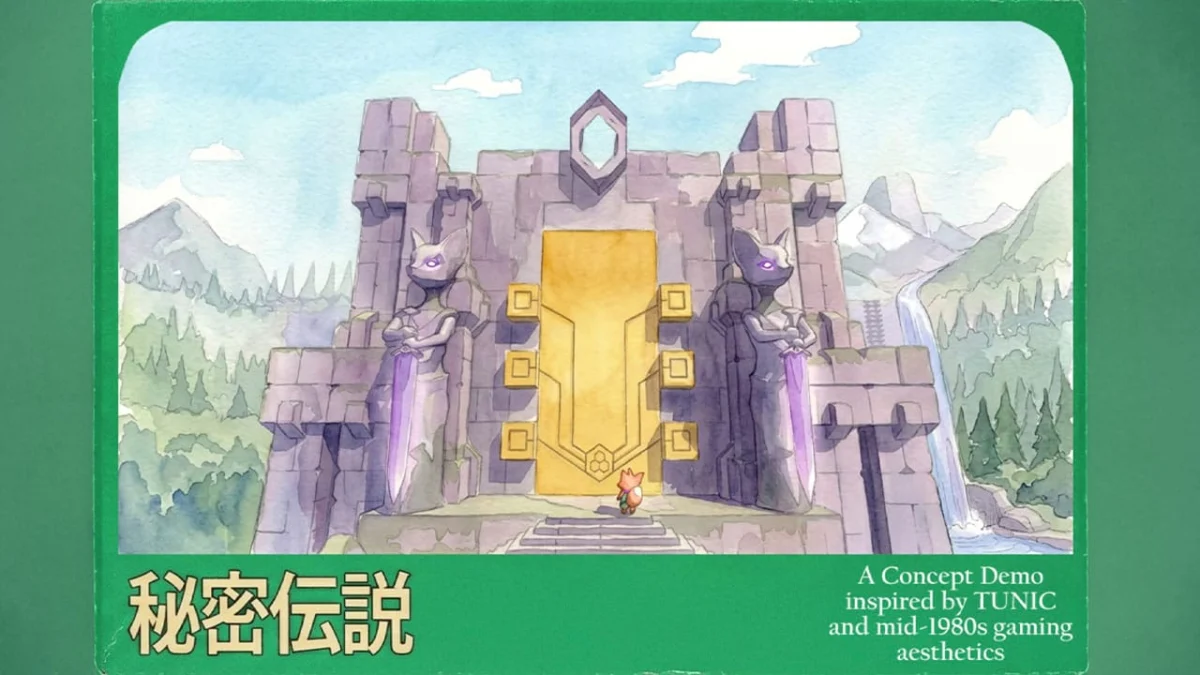
The beloved isometric action-adventure game Tunic, lauded for its charming aesthetic and challenging puzzles, has been masterfully reimagined as a retro Famicom-style demake by independent developer Zeerust. This ambitious project, available for free download and browser play, transports players back to the mid-1980s, offering a glimpse into what the game might have been if it had debuted during the golden age of 8-bit gaming. This latest demake follows Zeerust’s previous success in creating a Game Boy Color version of Tunic, further cementing the game’s adaptability to classic hardware.
The original Tunic, released in 2022 by Isometricorp, captured the hearts of players with its striking resemblance to early Legend of Zelda titles. Its gameplay loop, featuring a small fox protagonist armed with a sword and shield exploring a vast, mysterious world, resonated deeply with fans of classic adventure games. The game’s unique approach to its in-game instruction manual, presented in a cryptic in-game language, added another layer of discovery and puzzle-solving that became a hallmark of its critical acclaim. The success of Tunic underscored a persistent appetite for games that evoke nostalgia while delivering modern gameplay depth.
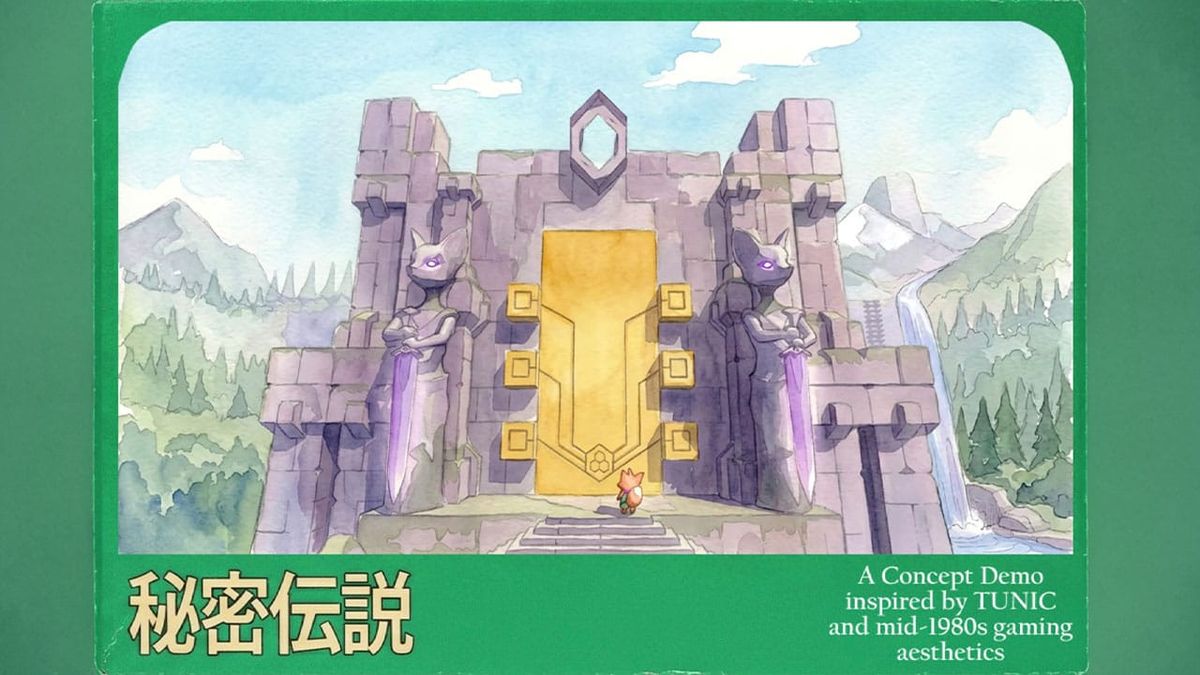
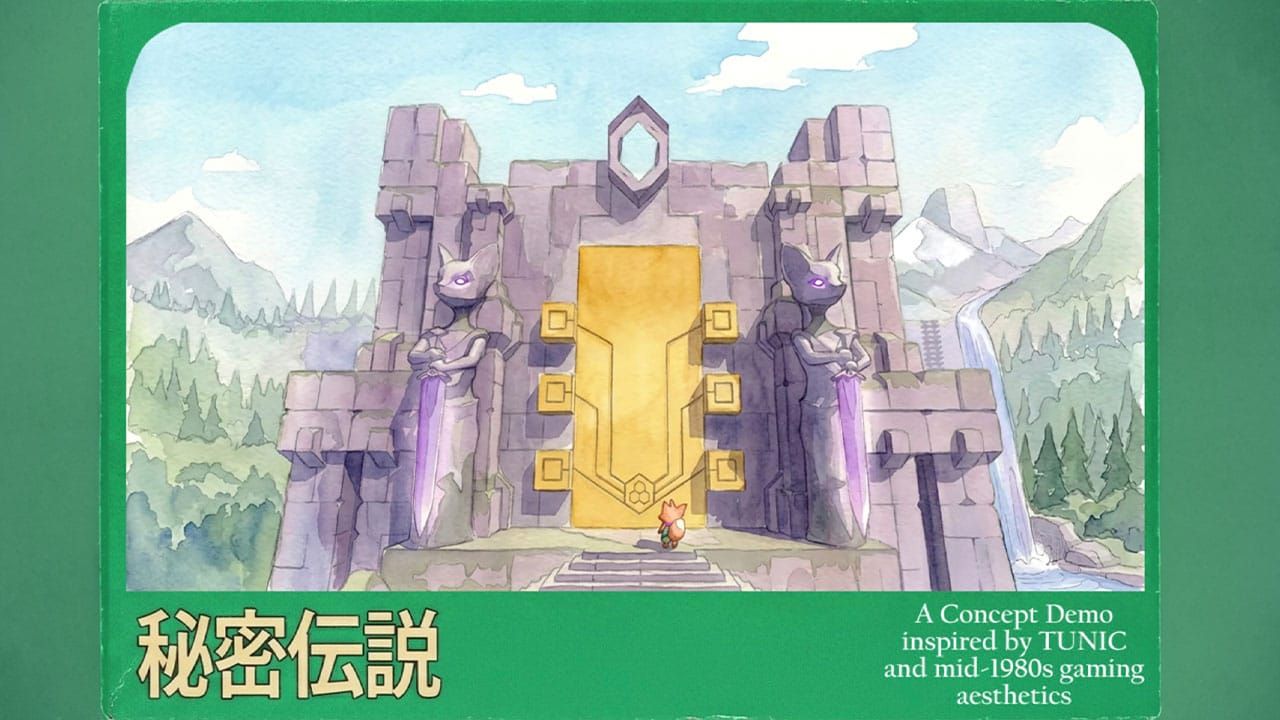
Zeerust’s Famicom demake, titled "1980s Tunic," directly addresses the hypothetical scenario of Tunic existing in the era of the Nintendo Entertainment System. The visual style is a deliberate homage to the Famicom (the Japanese version of the NES), characterized by its limited color palette, chunky pixels, and the distinctive box art aesthetic common to games of that period. The developer has meticulously recreated elements of Tunic’s world and mechanics, translating them into the constraints and conventions of 8-bit hardware. This includes reimagined character sprites, environmental designs, and user interface elements that are all deeply rooted in the visual language of the mid-1980s.
The Genesis of the Famicom Demake
The creation of "1980s Tunic" is not an isolated event but rather the latest iteration of Zeerust’s passion for retro game development and their admiration for Tunic. Having previously demonstrated their skill with a Game Boy Color demake, this new project pushes the boundaries further by targeting the even more restrictive Famicom platform. This undertaking requires a deep understanding of the hardware’s capabilities and limitations, including sprite rendering, memory management, and sound chip limitations.
"Zeerust is back with another concept demo of the game, this time taking inspiration from mid 1980’s gaming aesthetics," the original report noted. "The game says ‘mid-1980s’, but it looks very much as though it’s based on a Famicom title from the graphics and the box art." This observation highlights the meticulous attention to detail Zeerust has invested, ensuring that the demake not only looks the part but also feels authentic to the era. The box art, in particular, is a significant element of 80s gaming culture, often serving as a primary visual hook for potential players before they even saw gameplay.

Gameplay and Design Philosophy
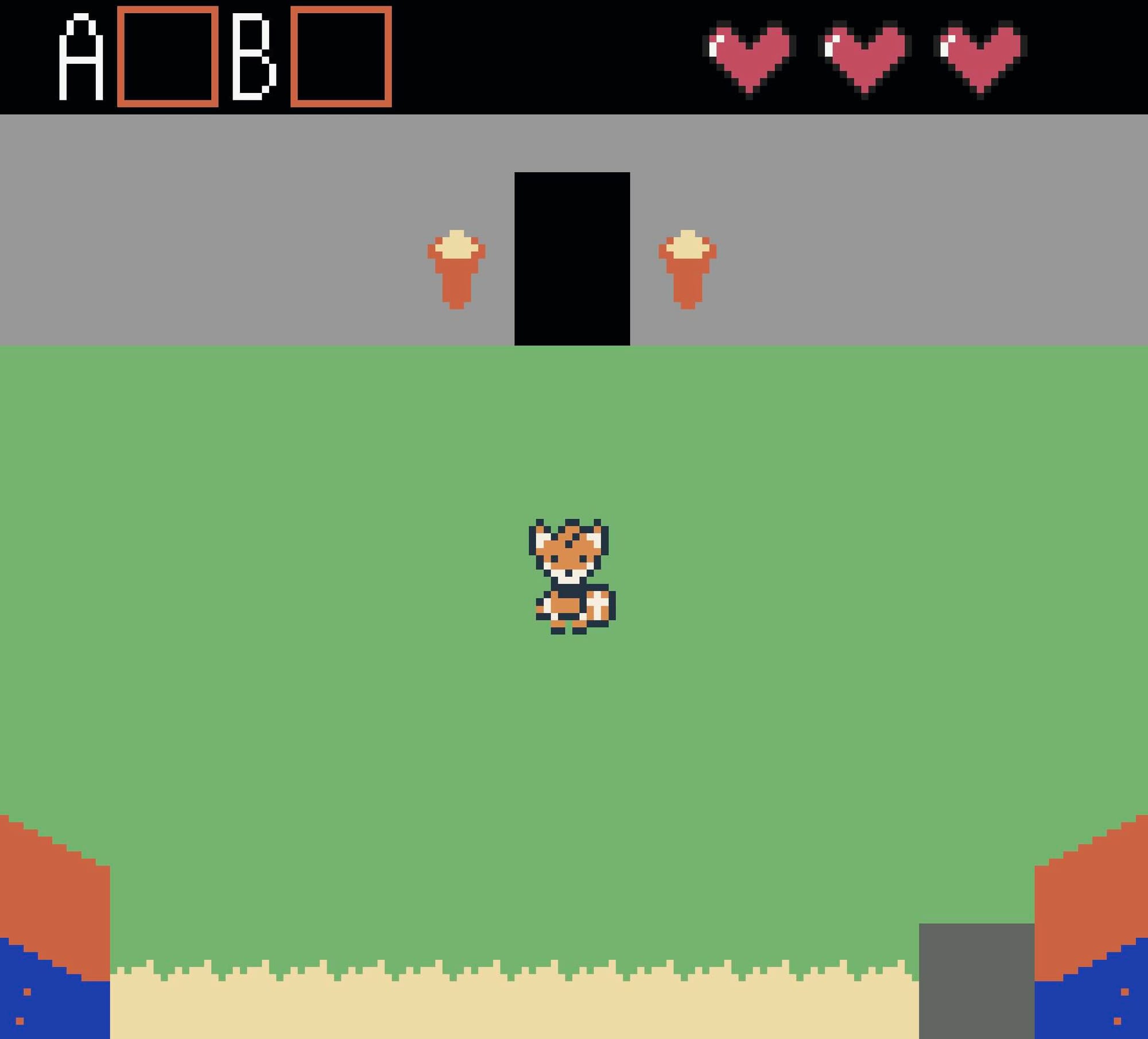
The Famicom demake retains the core gameplay loop of the original Tunic, albeit simplified to suit the 8-bit limitations. Players still control a fox protagonist, navigate environments, engage in combat, and solve puzzles. However, the visual presentation is dramatically altered. Environments are rendered with simpler tile sets and fewer graphical effects, while character animations are more rudimentary, relying on fewer frames of animation. The user interface, including menus and HUD elements, has been redesigned to emulate the look and feel of Famicom games, often featuring blocky text and minimalist icons.
"Everything is super simple with block colours like the ‘good old days’ before Terraflops and people complaining about their ping," the original article observed, capturing the essence of the demake’s aesthetic. This simplification is not a detriment but a testament to the developer’s commitment to authenticity. The challenges of the Famicom hardware force a focus on fundamental game design principles, emphasizing clear visual communication and intuitive controls.
The controls themselves are described as "simple," which is a hallmark of successful 8-bit game design. Developers during this era had to be economical with button inputs, and Zeerust has evidently applied this philosophy to the demake. This ensures that the game is accessible to a wide audience, including those who may not be familiar with the intricacies of modern gamepads.
Accessibility and Distribution
A significant aspect of Zeerust’s demake is its accessibility. The game is available for download and can be played on emulators such as Delta or Afterplay, making it playable on various modern devices, including smartphones and tablets. Alternatively, players can experience the demake directly through their web browser, removing any barriers to entry. This distribution strategy ensures that the project reaches a broad audience and allows for easy sharing and discussion within retro gaming communities.
The choice to distribute through platforms like Itch.io is also notable. Itch.io is a popular platform for independent game developers, fostering a community where experimental and niche projects can thrive. By making the demake available on this platform, Zeerust not only shares their creation but also engages with a community that appreciates such labor-of-love projects.
The "Why" Behind the Demake: Passion and Preservation
The driving force behind projects like "1980s Tunic" is often a deep-seated passion for retro gaming and a desire to explore "what if" scenarios in game design. The original article touches upon this, stating, "The controls are simple, and while the game is short, I just like the fact that people like Zeerust get these ideas into their heads and see them through to completion, just because. As I’ve said before, sometimes we don’t need any more reason than that!"
This sentiment speaks to the intrinsic motivation of many demake creators. It is not about commercial gain but about the joy of creation, the challenge of technical limitations, and the preservation of gaming history. By recreating modern games in retro styles, developers like Zeerust not only pay homage to the past but also introduce new audiences to the unique charm and design philosophies of classic gaming eras. This act of creative interpretation can foster a deeper appreciation for the evolution of video games and the ingenuity required to create them across different technological landscapes.
Broader Implications for the Gaming Landscape
The emergence of high-quality demakes like "1980s Tunic" has several implications for the broader gaming landscape:
- Nostalgia and Intergenerational Appeal: These projects tap into a powerful sense of nostalgia for older gamers while introducing younger players to the aesthetics and gameplay of earlier eras. This can bridge generational gaps within the gaming community.
- Innovation Through Constraint: Demakes demonstrate that creative innovation can thrive even within strict technical limitations. The challenges of retro hardware often force developers to think outside the box and find elegant solutions, which can inspire modern game design.
- Fan Creativity and Community: The proliferation of demakes highlights the power of fan creativity and the vibrant communities that surround classic gaming. These projects are often born out of love for the source material and a desire to contribute to its legacy.
- Preservation of Gaming History: By recreating games in older styles, demakes act as a form of playable preservation, allowing for experiences that might otherwise be lost to time or inaccessible due to hardware obsolescence.
- The Enduring Appeal of Tunic: The fact that Tunic is a popular subject for demakes speaks volumes about its design. Its core mechanics and themes are robust enough to be translated across different eras of gaming, proving its lasting appeal and the strength of its foundational concepts.
The Famicom demake of Tunic by Zeerust is more than just a technical exercise; it is a love letter to a bygone era of gaming and a testament to the enduring power of thoughtful game design. It allows players to experience a modern classic through a nostalgic lens, proving that the magic of 8-bit gaming continues to resonate today. The project serves as a reminder that innovation can come from looking back as much as it does from looking forward, and that the passion of independent creators can bring unique and delightful experiences to the gaming world. The availability of the demake on platforms like Itch.io ensures that this creative endeavor can be shared widely, fostering appreciation for both the original game and the art of retro game development. As the gaming industry continues to evolve, projects like this highlight the value of revisiting and reinterpreting the past, enriching the present and inspiring future creations.








