Vera Clarissa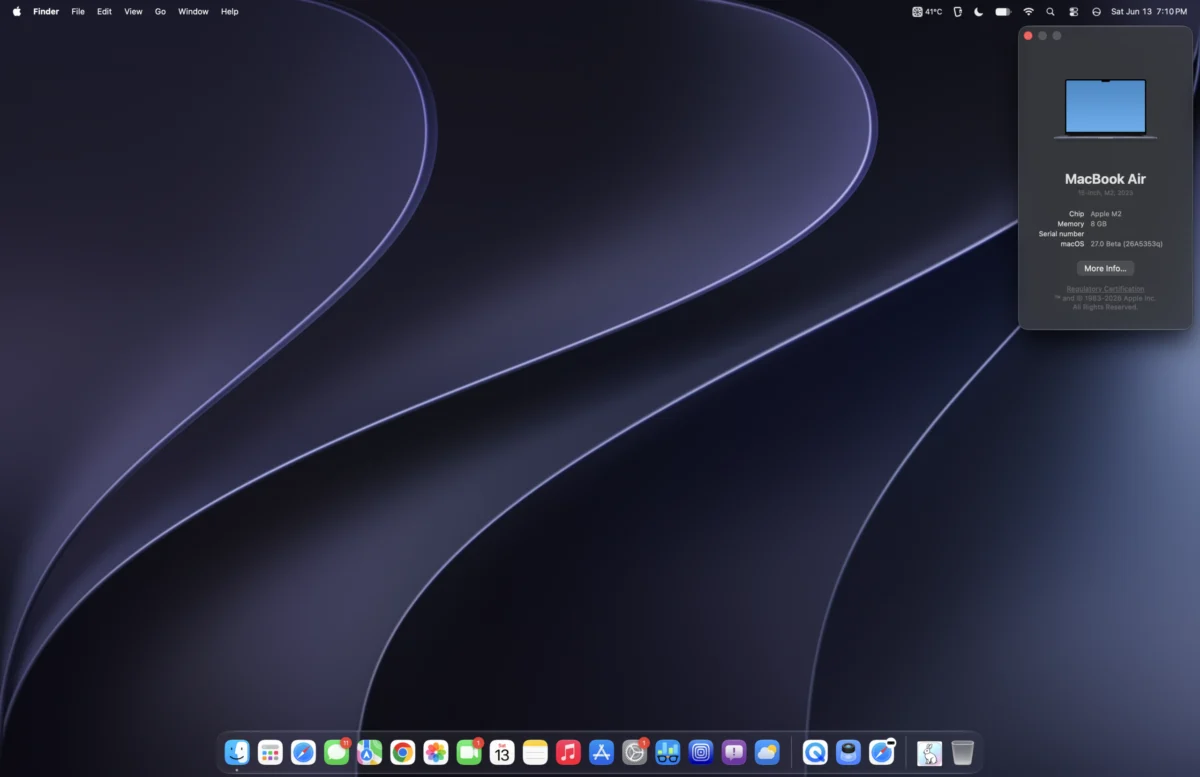
Apple officially unveiled macOS Golden Gate on June 8th, 2026, marking a significant milestone as the first version of its desktop operating system engineered exclusively for Apple Silicon processors. This pivotal release, named in homage to the iconic San Francisco landmark and a moniker previously utilized internally for macOS Big Sur, signifies a strategic and definitive pivot away from Intel-based architecture. macOS Golden Gate promises a refined user experience, incorporating feedback to enhance its Liquid Glass UI, while simultaneously bidding farewell to Rosetta 2, Apple’s translation layer for running Intel-based applications. This transition aims to unlock the full potential of Apple’s proprietary silicon, delivering improved performance and efficiency across the Mac ecosystem.
The naming convention of "Golden Gate" draws a parallel between the strait connecting the Pacific Ocean to the San Francisco Bay and the macOS transition, bridging the gap between legacy and future computing paradigms. This release is deliberately positioned as a "Snow Leopard" moment for macOS, echoing the impactful OS X 10.6 update that streamlined the operating system by removing legacy architecture support while ushering in performance and design enhancements. Early reports from developers accessing the first Beta build of macOS Golden Gate already indicate a more responsive and fluid user experience, hinting at the optimizations enabled by the exclusive Apple Silicon focus.
A Refined User Interface and Enhanced Performance
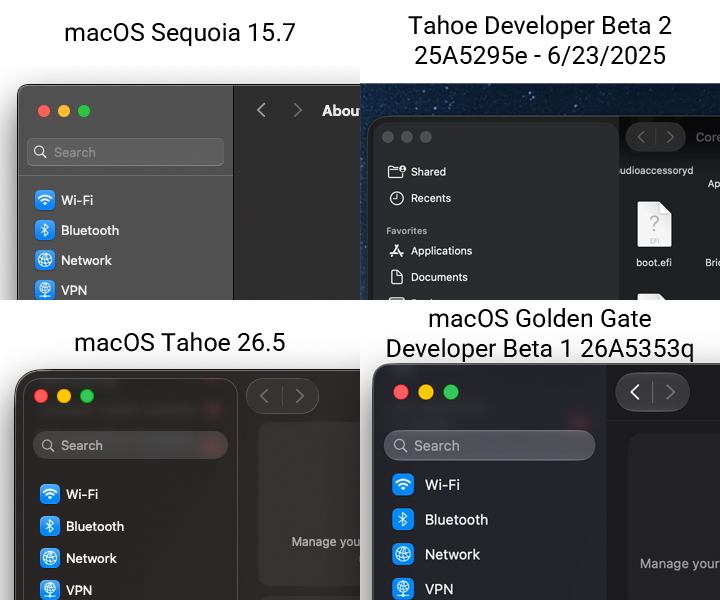
macOS Golden Gate introduces a series of user-facing enhancements to the Liquid Glass UI, a design language that has been evolving since its introduction. While specific details are emerging from early developer previews, the refinements are reportedly driven by extensive user feedback gathered from previous macOS iterations. These adjustments are expected to improve usability and aesthetic appeal, creating a more intuitive and engaging interaction with the operating system.
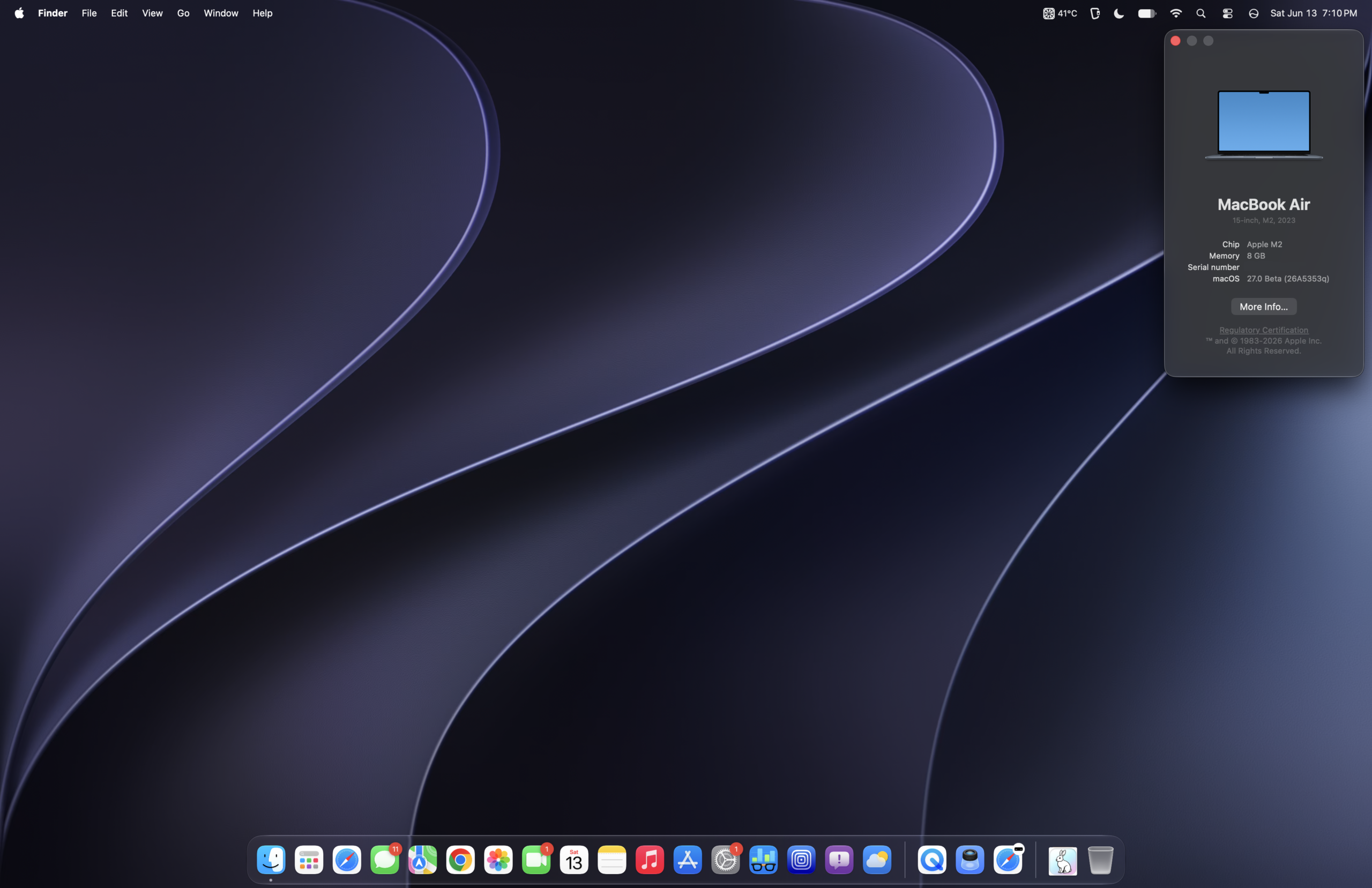
The most impactful change, however, is the native removal of Rosetta 2 support. This move signifies Apple’s confidence in the maturity of its Apple Silicon platform and the growing availability of native applications. Rosetta 2, introduced with the initial transition to Apple Silicon, has been instrumental in ensuring a smooth migration path for users and developers by allowing Intel-based applications to run on M-series chips. Its discontinuation in Golden Gate means that applications not yet updated to run natively on Apple Silicon will no longer be supported. This decision is expected to accelerate the development of Universal apps, further optimizing performance and battery life for Mac users.
The Dawn of Apple Intelligence and a Smarter Siri
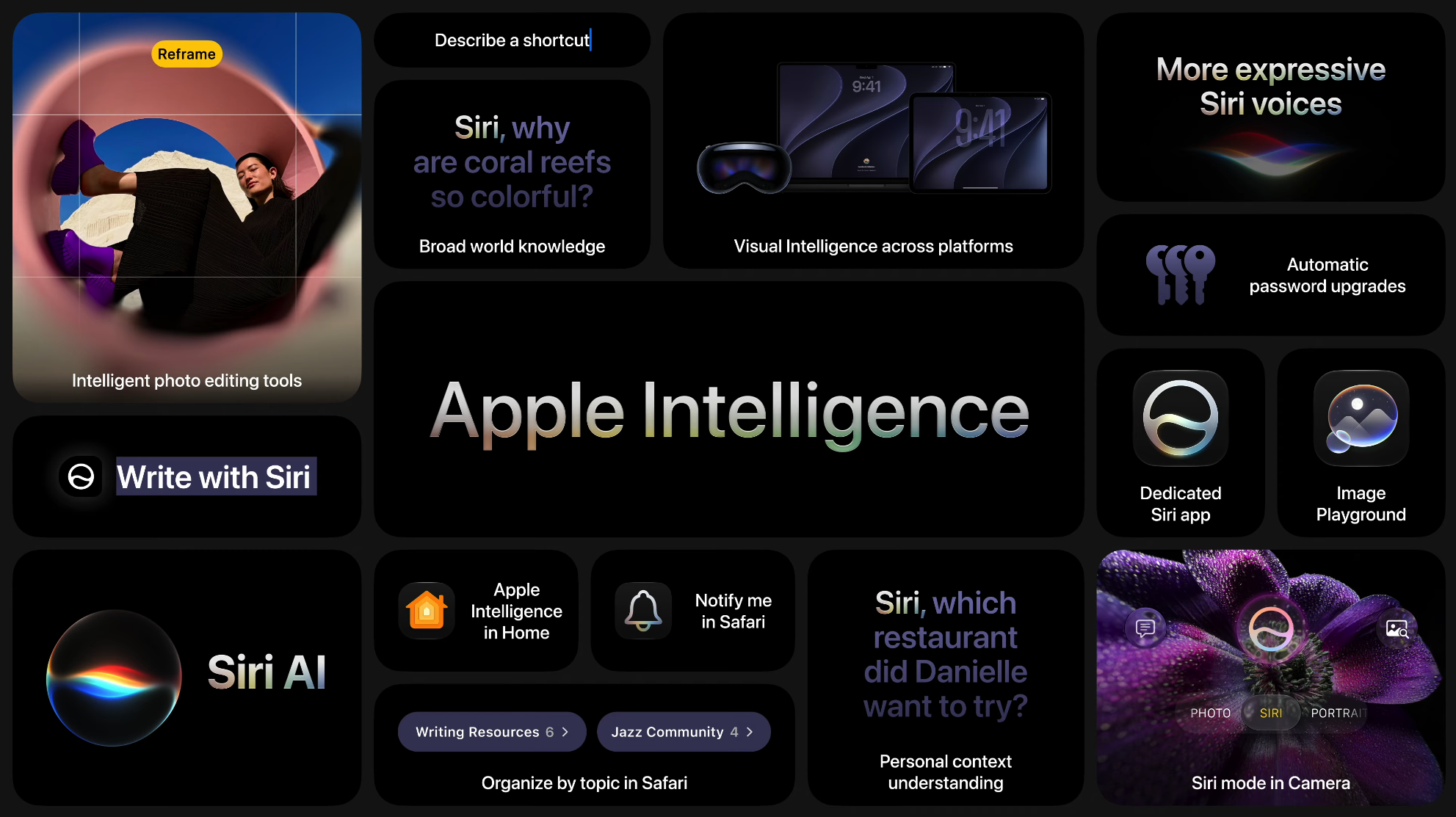
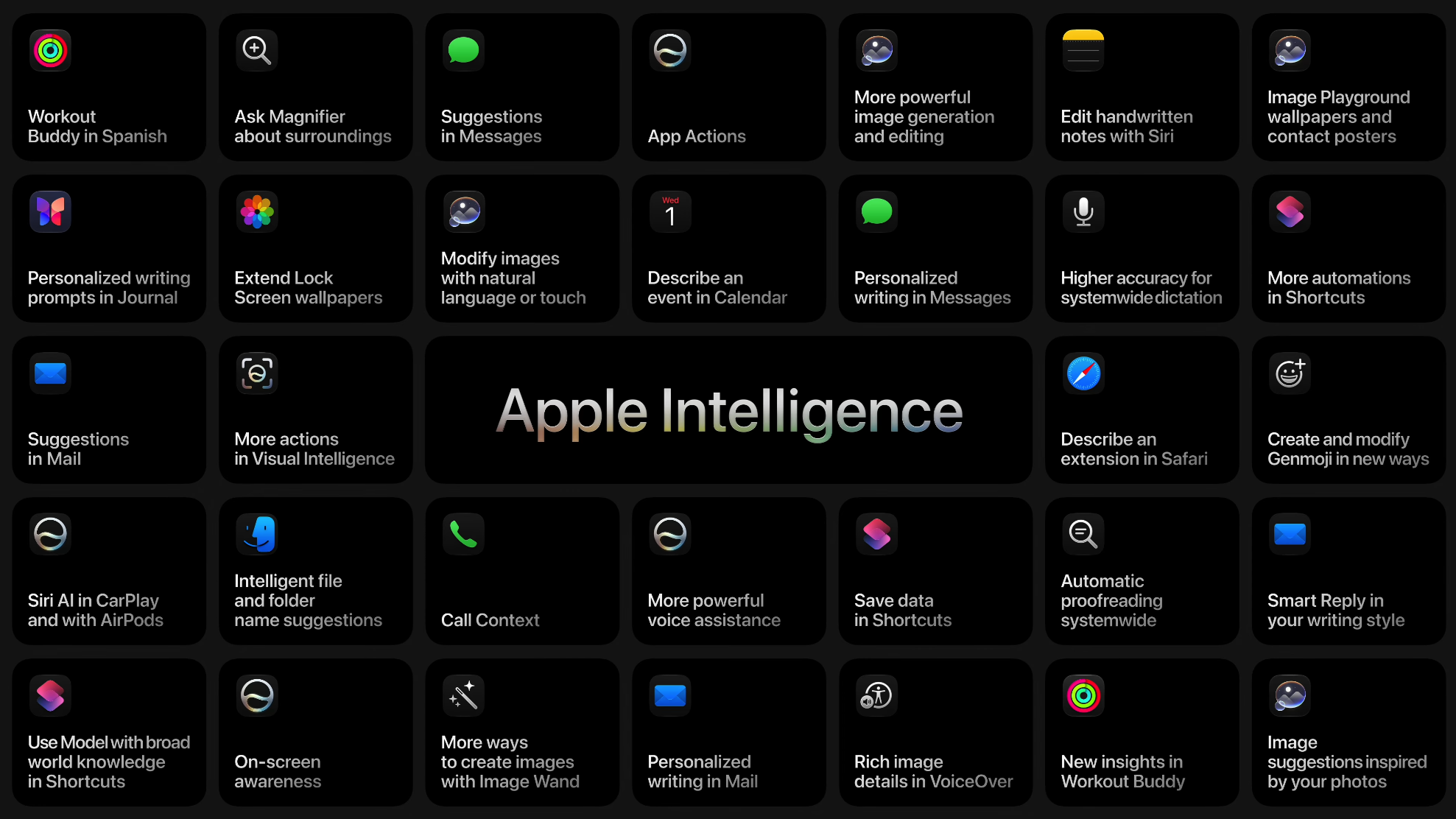
A cornerstone of macOS Golden Gate is the deep integration of Apple Intelligence, Apple’s ambitious suite of AI features. This advanced system leverages both on-device processing and private cloud compute to deliver powerful AI capabilities while prioritizing user privacy. By keeping sensitive data processed locally or within secure cloud environments, Apple aims to provide a robust and privacy-preserving AI experience.
The new iteration of Siri, significantly enhanced by Apple Intelligence, is a key component of this advancement. While the full capabilities are still being explored, it is anticipated that Siri will offer more natural language understanding, proactive assistance, and context-aware responses. However, access to the enhanced Siri is not immediate upon installation. Users will need to join a waitlist through the Settings application, a deliberate rollout strategy likely designed to manage server load and gather further user insights before a broader public release. This phased approach underscores Apple’s commitment to a polished and secure user experience for its most advanced features.
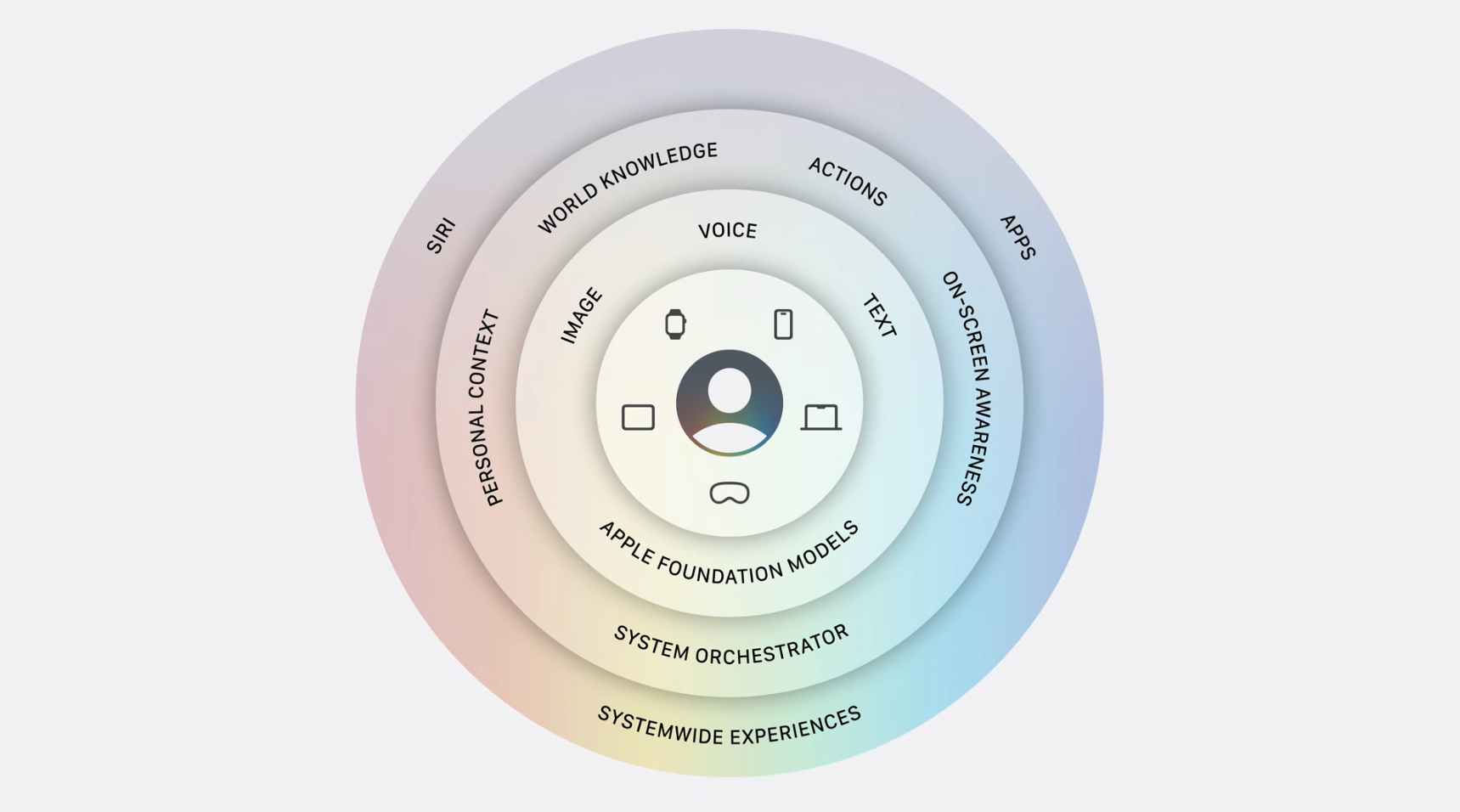
The architecture of Apple Intelligence, as depicted in introductory materials, highlights a dual approach. On-device processing allows for immediate and private execution of many AI tasks, such as text summarization or image generation, directly on the user’s Mac. For more complex or computationally intensive tasks, Private Cloud Compute offers a secure and encrypted pathway to leverage powerful cloud-based AI models without compromising user data. This hybrid model is designed to offer the best of both worlds: speed and privacy for everyday tasks, and immense computational power for advanced applications.
System Requirements and Hardware Compatibility
macOS Golden Gate is exclusively designed for Apple Silicon Macs. This means any Mac equipped with an M-series chip (M1, M2, M3, and subsequent generations) will be compatible. This targeted approach allows Apple to optimize the operating system’s performance and resource management specifically for its custom silicon.
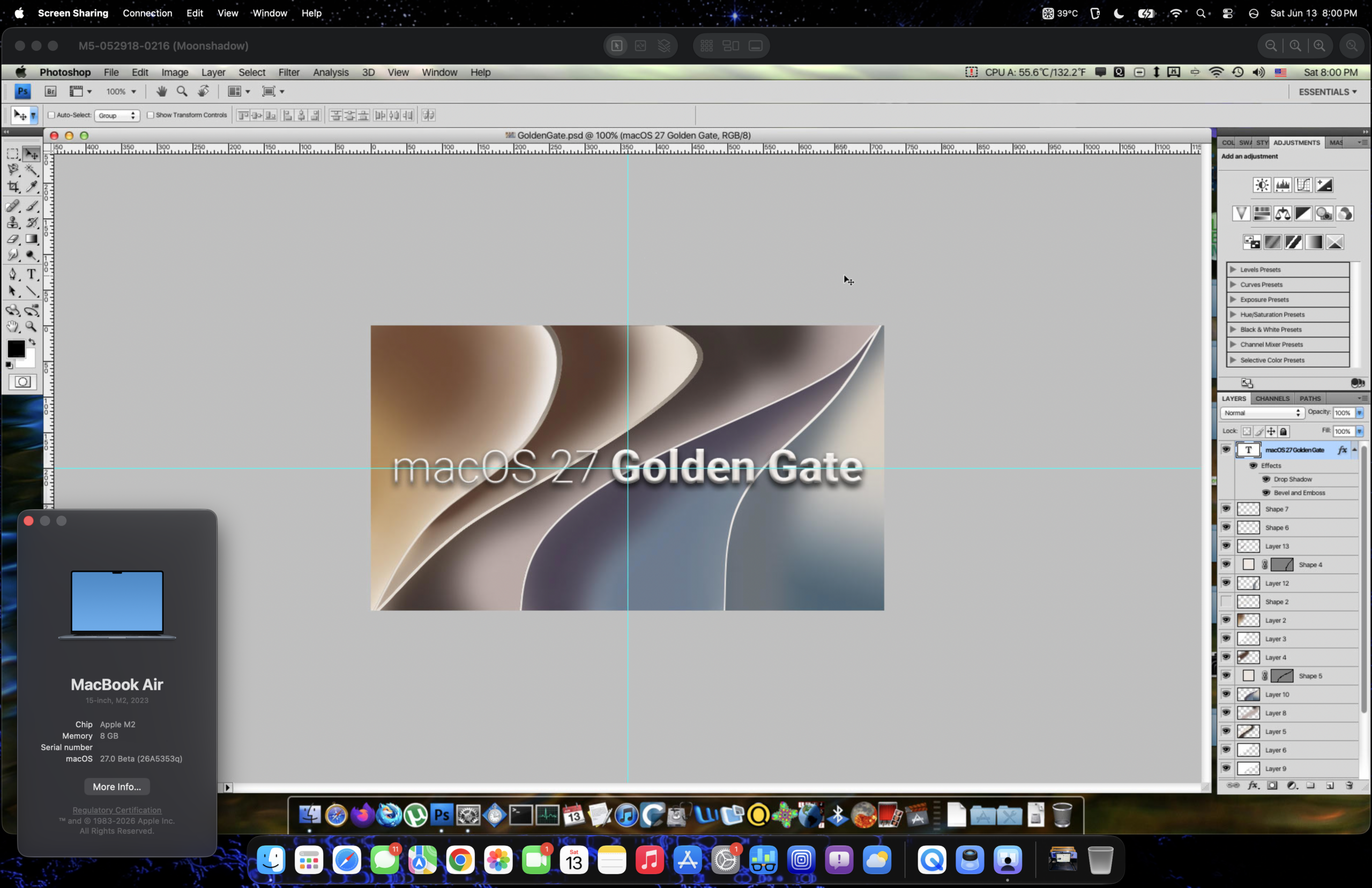
While Apple has not officially specified a minimum RAM requirement beyond the hardware configurations of supported Macs, a strong recommendation has emerged from early testing: 16 GB of RAM is advised for a truly smooth and responsive experience. While 8 GB configurations will likely boot the OS and function for basic tasks, the increased demands of modern applications and the integrated AI features of Golden Gate will benefit significantly from more memory. This aligns with the general trend in computing where increased RAM directly translates to improved multitasking capabilities and overall system fluidity.
Furthermore, the article strongly advises against installing or running macOS Golden Gate on a traditional Hard Disk Drive (HDD). All modern Apple Silicon Macs are equipped with Solid State Drives (SSDs) as standard, which offer vastly superior read/write speeds. Attempting to run Golden Gate on an HDD would result in a significantly degraded user experience, with slow boot times and application loading. The inherent speed of SSDs is crucial for the efficient operation of an OS designed to leverage the performance capabilities of Apple Silicon and its advanced features.
Versions and Build Information
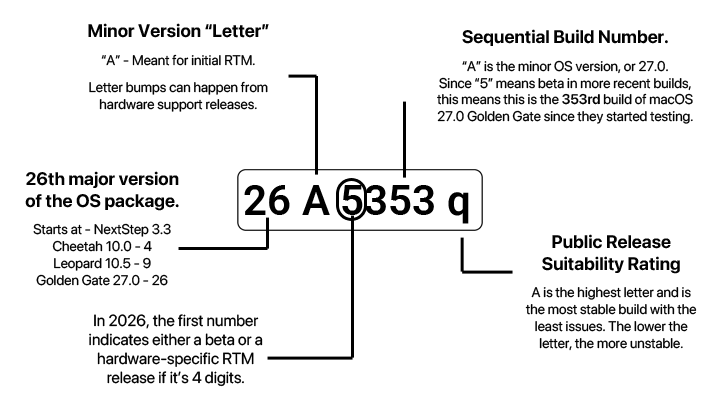
The initial release of macOS Golden Gate is designated as version 27.0. The first Developer Beta build released to developers is identified as Build 26A5354q. This naming convention follows Apple’s established pattern for operating system releases, with the version number indicating the major iteration and the build number providing specific tracking for development stages. As the development cycle progresses, subsequent beta releases will introduce further refinements, bug fixes, and potentially new features before the public release.
Apple typically releases macOS in annual major versions, often coinciding with their Worldwide Developers Conference (WWDC) for initial announcements and developer previews, followed by a public release in the fall. macOS Golden Gate’s announcement on June 8th, 2026, aligns with this established timeline, indicating a public release is anticipated later in the year.
Preserving Legacy Connectivity: PowerPC Mac VNC Support
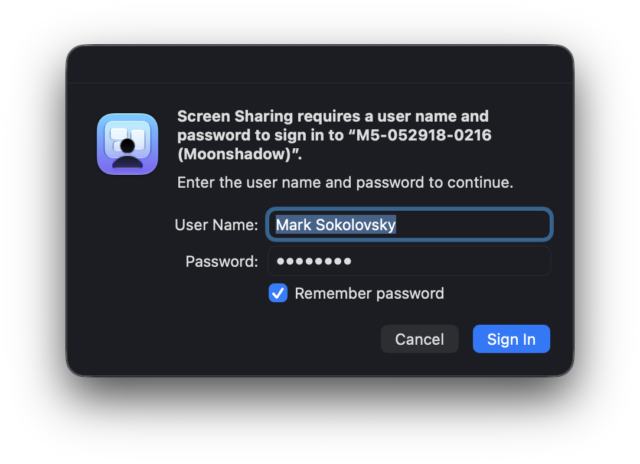
In a surprising and welcome move for users maintaining older hardware, macOS Golden Gate continues to offer support for VNC (Virtual Network Computing) connections to PowerPC-based Macs. This backward compatibility ensures that users with legacy PowerPC machines can still access and control them remotely from their modern Apple Silicon Macs running Golden Gate. This feature is particularly valuable for archivists, developers working with legacy systems, or enthusiasts who wish to preserve and utilize older Mac hardware.

To utilize this feature, Screen Sharing must be enabled on the PowerPC Mac, typically running Mac OS X Leopard (version 10.5) or earlier. The ability to remotely access these older machines facilitates tasks such as data retrieval, software updates on legacy systems, or simply monitoring their status.
Additionally, the article notes that file sharing from PowerPC Macs to Golden Gate Macs is also a presumed capability, contingent on file sharing being enabled on the older Mac. However, it is mentioned that this functionality is currently "hit-or-miss" in Beta 1. The article speculates that improvements to network file browsing in macOS 27, a general enhancement planned for this release, might influence or alter the reliability of this feature. Apple’s continued support for such niche legacy connections, even as it pushes forward with cutting-edge technology, demonstrates a commitment to a broad user base and the preservation of digital heritage.
The End of an Era for Unsupported Macs and the Role of OpenCore
macOS Golden Gate’s exclusive focus on Apple Silicon also signals a definitive break from the possibility of running the OS on unsupported Intel-based Macs through unofficial means. Historically, bootloaders like OpenCore have been instrumental in allowing users to install newer macOS versions on older, unsupported Intel hardware. OpenCore achieves this by injecting and patching data in memory, rather than on disk, creating a near-native experience. This has enabled users to extend the lifespan of their Intel Macs with software that Apple no longer officially supports.
However, with macOS Golden Gate being architected solely for Apple Silicon, these patching methods are rendered irrelevant for this specific release. There are currently no known patches or workarounds available to enable macOS 27.0 to run on Intel Macs. This effectively marks the end of an era for the "hackintosh" community in relation to running the very latest macOS versions on unsupported Intel hardware. The future of running macOS on non-Apple hardware, or on older Apple hardware not equipped with Apple Silicon, is now firmly in the realm of legacy support for older macOS versions.
Implications and Future Outlook
The release of macOS Golden Gate is a pivotal moment in Apple’s computing history. Its exclusive focus on Apple Silicon solidifies the company’s commitment to its in-house chip architecture, promising further integration and optimization between hardware and software. The discontinuation of Rosetta 2, while potentially disruptive for a small segment of users with un-updated software, is a necessary step towards a fully optimized and efficient macOS experience.
The integration of Apple Intelligence signals a new frontier for personal computing, where AI is not an add-on but a fundamental part of the operating system. The emphasis on privacy in its design is a crucial differentiator in a landscape increasingly concerned with data security.
For users with older Intel Macs, this release means that macOS Golden Gate will be inaccessible. This will likely encourage further hardware upgrades for those who wish to experience the latest software innovations from Apple. For users with compatible Apple Silicon Macs, Golden Gate promises a faster, more responsive, and intelligent computing experience, paving the way for future advancements in performance and user interaction. The strategic naming and the "Snow Leopard" approach suggest a release focused on refinement and performance, setting a strong foundation for the macOS ecosystem for years to come. The continued support for PowerPC VNC, however, offers a thoughtful nod to the past, ensuring that even the most vintage of Macs can remain connected in some capacity to the modern Apple ecosystem.