Johny Imanuel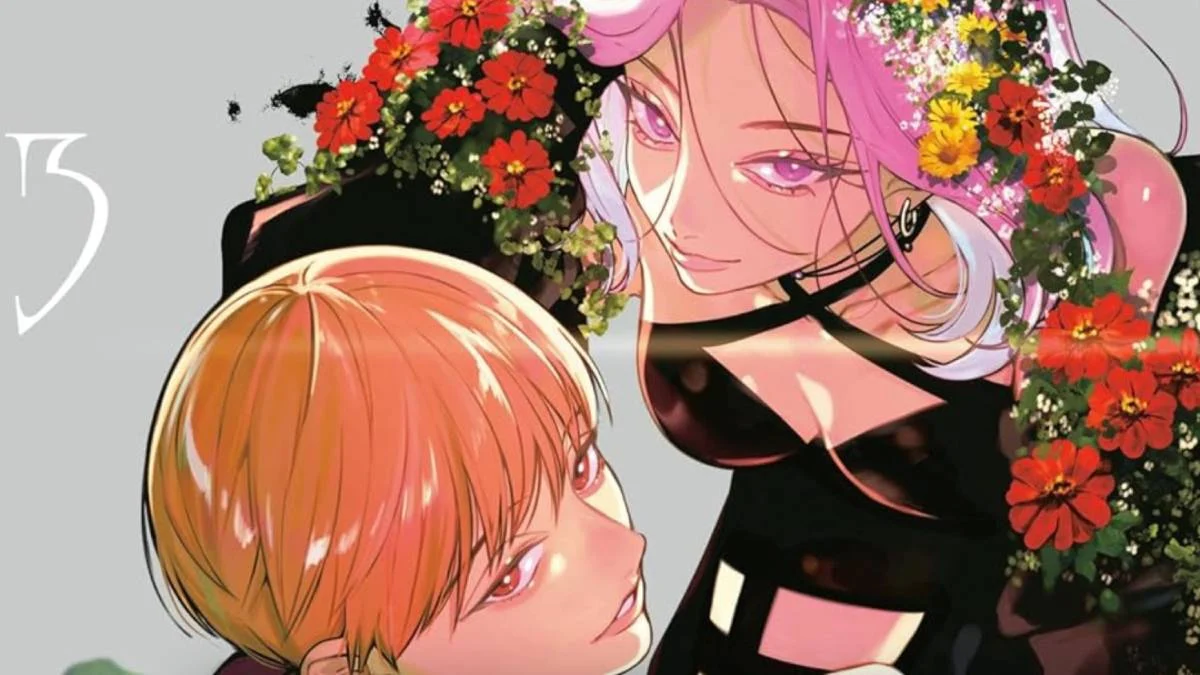
Evolution of the Narrative: From Curse to Reincarnation
The progression of Bride of the Death God has been characterized by a steady escalation of stakes. In the first volume, the story established a relatively straightforward premise: Aibi, a young woman afflicted by a lethal curse, finds herself entwined with Shii, a flawed and enigmatic shinigami. The initial chapters focused on character establishment, detailing Aibi’s status as a social pariah due to her curse and Shii’s role as an unconventional guardian.
By the second volume, the narrative scope widened to include the "Bouquet Syndrome" and the competitive nature of the shinigami hierarchy. The series introduced the concept of a "Bouquet Bride," a figure of immense power that various reapers seek to claim. This phase of the story drew comparisons to classic "battle royale" or "prize-driven" narratives, such as Revolutionary Girl Utena, where characters duel for the hand of a pivotal figure.
Volume 3, however, fundamentally alters the reader’s understanding of these conflicts by revealing that the current struggle is not an isolated event. Instead, it appears to be the latest iteration of a cycle spanning multiple lifetimes. The introduction of reincarnation suggests that the characters are not meeting for the first time in the modern era, but are instead replaying roles they have held in the past. This thematic shift adds a deterministic quality to the plot, suggesting that the "Bouquet Bride" competition is rooted in unresolved historical grievances and ancient bonds.
The Role of Past Lives in Character Motivation
The revelation of reincarnation serves as a primary driver for character development in Volume 3. The most significant impact is seen in the relationship between Shii and Aibi. While previous volumes hinted at Shii’s memories of a past life, Volume 3 provides more concrete evidence of a previous romantic connection. These flashbacks suggest that Shii and a past incarnation of Aibi were once deeply involved, possibly even to the point of marriage. This historical context provides a more profound motivation for Shii’s protective behavior, moving his character beyond that of a mere supernatural guardian to a man seeking to redeem or recapture a lost love.
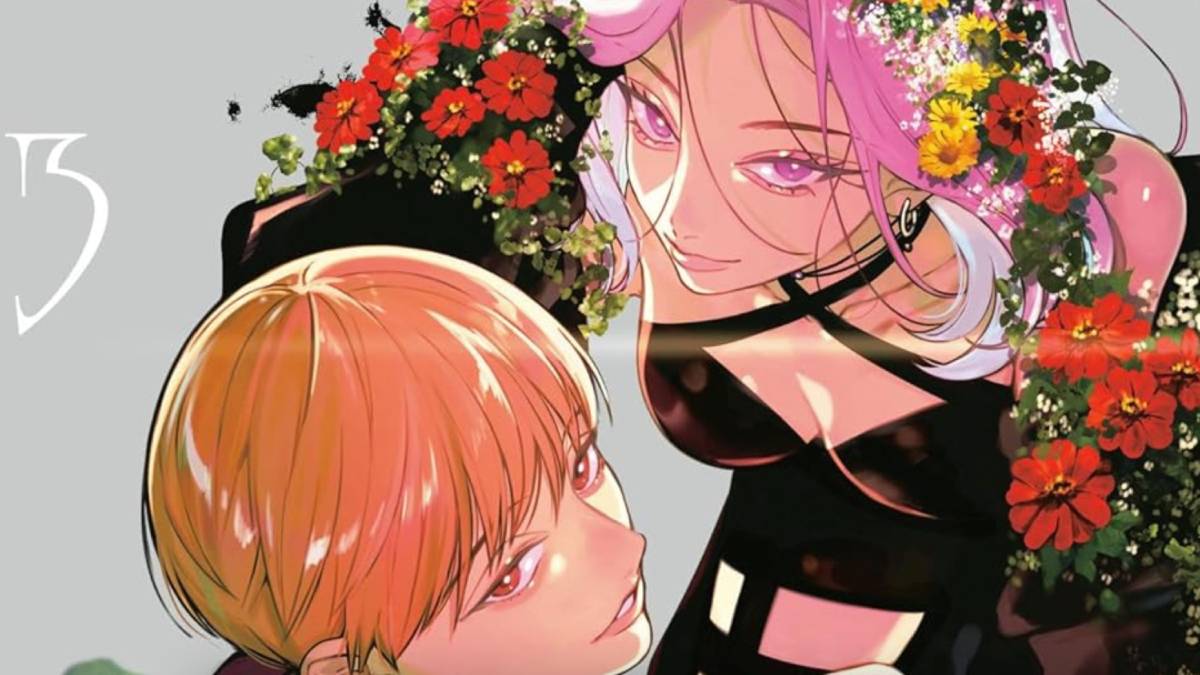
However, Shii is not the only character whose actions are dictated by the past. The introduction of Kei, a rival shinigami who abducts Aibi, adds a new dimension to the conflict. Through a series of flashbacks, it is revealed that Kei was once a human named Azami. In his previous life, he shared a deep, tragic connection with Aibi’s past incarnation, Koume. The imagery of the thistle (Azami) and the memory of their shared history serve as the catalyst for Kei’s obsession with Aibi in the present. This establishes a pattern: the shinigami drawn to the Bouquet Bride are not merely seeking power, but are often individuals who had significant ties to her in their human lives.
This pattern extends to the character of Inia, a reaper who initially appears as an ally to Shii and Aibi. Volume 3 explains Inia’s loyalty through her own past-life connection to Aibi. The mention of a zinnia flower triggers memories of a previous existence where the two shared a meaningful bond. By grounding Inia’s motivations in the past, the author ensures that every major player in the current conflict is tethered to Aibi by more than just the mechanics of the Bouquet Syndrome.
Structural Analysis of the "Bouquet Bride" Competition
The "Bouquet Bride" mechanic functions as the central engine of the series’ plot. In the world of Bride of the Death God, the bride is essentially a vessel for supernatural power, making her the ultimate prize for shinigami looking to elevate their status or fulfill personal agendas. The competition is structured around several key elements:
- The Curse: Aibi’s initial curse serves as the "calling card" that identifies her as the bride, drawing the attention of the supernatural world.
- The Duel: Reapers compete through direct confrontation or strategic abduction, as seen with Kei’s actions in Volume 3.
- The Floral Motif: Each major character and past-life connection is associated with specific flora (thistles, zinnias, etc.), which serve as mnemonic triggers and symbolic representations of their personalities or past tragedies.
- The Memory Trigger: Reincarnated characters often do not have full access to their memories until a specific word, flower, or event triggers a "reawakening."
This structure allows the series to maintain a high level of tension while periodically dropping "lore bombs" that keep the audience engaged. However, the density of these revelations in Volume 3 has raised questions regarding the long-term sustainability of the narrative. The addition of multiple past lives and interconnected backstories risks becoming overwhelming if not managed with precise pacing.
Publication Context and Market Reception
Bride of the Death God is published by Square Enix, a company that has significantly expanded its manga footprint in North America and Europe over the last five years. The series fits into a growing trend of "dark fantasy romance" that appeals to both shonen and shojo demographics. By blending elements of supernatural horror with romantic tragedy and reincarnation tropes, Square Enix has positioned the title to compete with other popular dark fantasy works.
Market data suggests that manga series incorporating reincarnation or "isekai-adjacent" themes (where characters have memories of other lives) have seen a surge in popularity. While Bride of the Death God is not an isekai (it takes place in a consistent world across different eras), it utilizes the "memory of a past life" trope to create immediate emotional investment in new characters. This allows the author to introduce antagonists who feel like they have a long-standing history with the protagonist, even if they have only just appeared in the current timeline.
As of the release of Volume 3, the series has maintained a steady following. The English localization, handled by Square Enix Manga & Books, has been praised for its atmospheric translation and high production quality. However, the publisher has yet to announce a firm release date for Volume 4, leading to a period of anticipation among the fanbase as they wait to see how the next reaper challenge will unfold.
Broader Implications and Narrative Trajectory
The introduction of reincarnation in Volume 3 has broader implications for the series’ finale. If every reaper in the competition is a reincarnated figure from Aibi’s past, the story ceases to be a simple battle for power and becomes a psychological exploration of fate and trauma. It suggests that Aibi’s "curse" may not be a random affliction, but a karmic consequence of events that occurred centuries prior.
Furthermore, this development complicates the agency of the characters. If Aibi and Shii are destined to be together because of their past lives, it raises the question of whether their current feelings are genuine or merely echoes of their previous selves. This philosophical tension—the conflict between destiny and free will—is a common theme in Japanese media involving reincarnation, and Bride of the Death God appears to be leaning heavily into this discourse.
The volume concludes with hints of a new challenger, another reaper who likely shares a historical link with Aibi. This suggests that the formula for future volumes will involve a "villain of the week" style introduction that simultaneously peels back another layer of the overarching historical mystery.
Conclusion
Bride of the Death God 3 successfully transitions the series from a character-driven supernatural romance into a plot-heavy epic centered on the complexities of reincarnation. By linking the motivations of Shii, Kei, and Inia to their previous incarnations, the narrative gains a sense of historical weight and tragic inevitability. While the rapid influx of new lore and characters presents a challenge for narrative clarity, it also provides a rich foundation for future volumes. As the competition for the Bouquet Bride intensifies, the series will likely continue to explore the dark intersections of love, death, and memory, challenging its characters to break free from the cycles of their past. Fans and critics alike remain attentive to how Square Enix will manage the release of the fourth volume and whether the series can maintain the delicate balance between its complex lore and its emotional core.