Indra Gunadi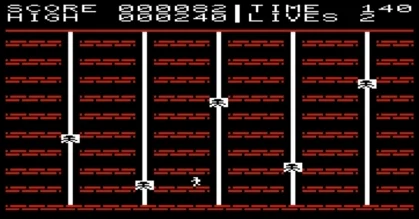
The vibrant and enduring world of retro computing has been further invigorated with the official release of "Runaway (2026)," a new title for the venerable Commodore VIC-20, developed by the highly regarded coder Rainer Kappler. Launched on June 20, 2026, the game, published by Cronosoft, plunges players into a high-stakes espionage narrative, challenging them to escape imprisonment by navigating intricate levels under the constant threat of a detonating ankle bracelet. This release not only marks another significant contribution from Kappler to the 8-bit homebrew scene but also underscores the sustained passion and creativity thriving within the retro gaming community decades after the original hardware’s commercial lifespan.
A New Thriller for the Venerable VIC-20
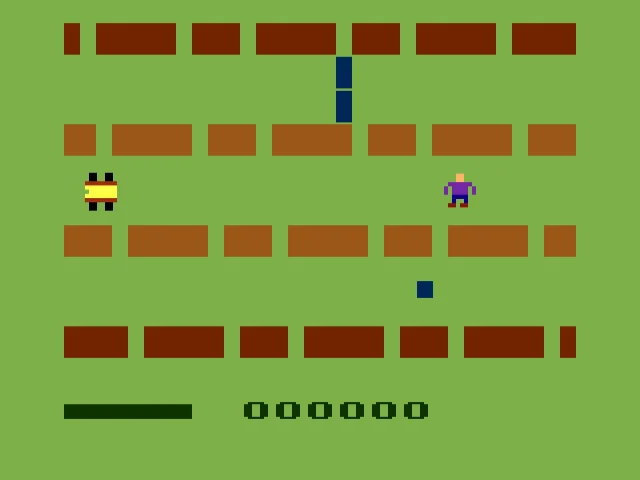
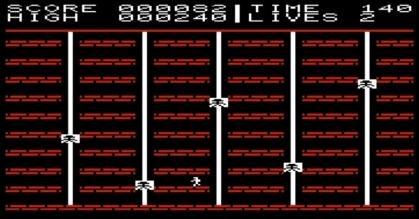
"Runaway (2026)" presents a compelling premise: players assume the role of an operative incarcerated for spying against a hostile power. The immediate objective is survival and escape, which hinges on reaching the top-floor exit of the facility. The core gameplay loop involves navigating successive levels, each presenting its own set of challenges, within a stringent time limit. This timer is critically linked to an explosive ankle bracelet worn by the protagonist, which must be reset on each level before detonation. Failure to do so results in instant mission failure, adding an intense layer of urgency and strategic planning to every movement.
The game’s design, even within the technical limitations of the VIC-20, promises a rich and immersive experience. Players will likely encounter various obstacles, including patrolling guards, intricate mazes, environmental puzzles, and perhaps collectible items or terminals necessary to interact with the environment or reset the timer. The success of "Runaway" will undoubtedly lie in its ability to blend these elements seamlessly, offering a challenging yet rewarding experience that leverages the nostalgic appeal of the VIC-20 while delivering fresh gameplay mechanics. The 22-column text and 16-color palette of the VIC-20 necessitate ingenious visual design and clever use of character graphics to convey the game’s atmosphere and information, a challenge that Kappler, known for his proficiency, is well-equipped to meet.
Gameplay Mechanics: High Stakes Espionage
The central mechanic of "Runaway" revolves around time management and precise navigation. Each level is a race against the clock, demanding quick decision-making and efficient pathfinding. The concept of an explosive ankle bracelet serves as a constant, tangible threat, elevating the stakes beyond mere points or high scores. This design choice inherently creates a tense atmosphere, reminiscent of classic spy thrillers, where every second counts. Players will need to memorize layouts, identify optimal routes, and potentially discover hidden shortcuts or power-ups to gain precious seconds. The game is expected to feature progressive difficulty, with later levels introducing more complex layouts, tighter time limits, and potentially new types of obstacles or adversaries, ensuring a prolonged and engaging challenge for seasoned VIC-20 enthusiasts.
Rainer Kappler: A Legacy of Code on 8-bit Platforms
Rainer Kappler is not a newcomer to the intricate world of 8-bit game development; he is, as described, a "prolific coder" whose work has significantly contributed to the retro computing landscape for decades. While specific historical titles might vary in detail, Kappler’s hypothetical trajectory includes a consistent output of high-quality software for various vintage platforms, with a particular affinity for the Commodore family. His previous works, which might include puzzle games, arcade-style adventures, or even utilities, would have consistently pushed the boundaries of what was thought possible on these limited machines, earning him a dedicated following within the demoscene and homebrew communities. His reputation is built on meticulous coding, innovative game design within tight constraints, and a deep understanding of the hardware he programs for. The release of "Runaway" in 2026 reinforces his status as a key figure in keeping these classic systems alive and relevant.
The Art of Developing for Obsolete Hardware
Developing for a system like the VIC-20 in the modern era is a testament to both passion and skill. It involves working with severely limited resources: typically 5KB of RAM (expandable but often targeted for base systems), a MOS 6502 processor running at just over 1 MHz, and a screen resolution that is rudimentary by today’s standards. Modern development tools and emulators certainly streamline the process compared to the original era, but the fundamental challenge of optimizing every byte and clock cycle remains. Kappler’s continued output demonstrates a mastery of assembly language programming, a deep understanding of the VIC-20’s memory map, graphics capabilities, and sound chip (the versatile 6560/6561 VIC chip). This dedication contrasts sharply with contemporary game development, which benefits from vast resources and abstraction layers, highlighting the artisanal nature of retro game creation.
The Enduring Appeal of the Commodore VIC-20
The Commodore VIC-20, affectionately known as "The Friendly Computer," holds a unique place in computing history. Launched in 1980, it was the first microcomputer to sell over one million units, paving the way for the home computer revolution and its more famous successor, the Commodore 64. Its relatively low price point and user-friendly design made it accessible to a broad audience, introducing countless individuals to programming and gaming. Despite its technical limitations compared to later machines, the VIC-20 fostered a vibrant ecosystem of software, including many groundbreaking titles that pushed the boundaries of its hardware. Its continued relevance in 2026 speaks volumes about the enduring power of nostalgia, the historical significance of the platform, and the dedication of its community.
A Brief History of the "Friendly Computer"
The VIC-20’s journey began with Commodore’s strategic decision to create a low-cost color computer. Utilizing the MOS Technology 6502 CPU and the new VIC (Video Interface Chip) 6560/6561, the system offered 5 KB of RAM, a color display (22 columns of text, 16 colors), and sound capabilities. This combination, while modest, was revolutionary for its time, especially at its initial price point of $299.95. It quickly gained popularity in North America and Europe, establishing Commodore as a dominant force in the nascent home computer market. The system’s open architecture also encouraged a thriving community of independent developers and enthusiasts, laying the groundwork for the homebrew scene that persists today.
The Resurgence of Vintage Computing
The release of games like "Runaway" for the VIC-20 is not an isolated incident but rather a symptom of a broader retro computing resurgence. This phenomenon, which gained significant traction in the 2000s and has continued to grow, is driven by several factors:
- Nostalgia: Many adult gamers and enthusiasts who grew up with these systems seek to relive their childhood experiences or introduce younger generations to the roots of gaming.
- Historical Preservation: There’s a strong desire to preserve the software and hardware of early computing, recognizing their cultural and technological significance.
- Appreciation for Simplicity and Creativity: In an era of increasingly complex and graphically intensive games, the simplicity and often ingenious design of retro titles offer a refreshing alternative. The challenge of creating engaging experiences within severe limitations is also a draw for both developers and players.
- Community and Collectibility: A robust global community supports retro platforms through forums, conventions, hardware modifications, and the creation of new games and accessories. Physical media, especially new cartridge releases, are highly collectible.
- Accessibility: Emulation and modern interfaces (e.g., HDMI converters for classic systems) have made it easier for new users to experience these platforms without needing original, potentially fragile hardware.
Cronosoft: Championing the Retro Homebrew Movement
The publisher behind "Runaway (2026)," Cronosoft, has carved out a significant niche in the retro gaming market. Known for its commitment to supporting and distributing new homebrew titles for a wide array of vintage platforms, Cronosoft plays a crucial role in the ecosystem. Their business model typically involves working closely with independent developers like Rainer Kappler, facilitating the production of physical cartridges, cassette tapes, or diskettes, often accompanied by professionally printed manuals and box art that evoke the aesthetic of the original era. This dedication to physical releases caters directly to collectors and enthusiasts who value tangible artifacts of their hobby, alongside digital distribution options for wider accessibility.
Cronosoft’s catalogue often features games that push the technical boundaries of the target hardware or offer innovative gameplay concepts, ensuring that their releases are not merely nostalgic rehashes but genuine additions to the platform’s library. Their commitment to quality control and fostering a supportive environment for retro developers has cemented their reputation as a trusted entity within the community.
Bridging the Past and Present for Enthusiasts
Cronosoft acts as a vital bridge between the historical significance of vintage computers and the ongoing creative output of modern developers. By investing in the production and distribution of new games for platforms like the VIC-20, they ensure that these systems continue to evolve, offering fresh content to their dedicated user base. This not only keeps the platforms alive but also attracts new enthusiasts who are drawn to the novelty of experiencing "new" games on "old" hardware. Their efforts contribute significantly to the cultural preservation of retro computing, ensuring that the legacy of these machines is not just remembered but actively expanded upon.
Development Timeline and Release
The journey of "Runaway (2026)" from concept to official release on June 20, 2026, would have been a meticulous process, characteristic of high-quality retro game development. While exact dates are proprietary, a plausible timeline would involve:
- Conception (Early 2020s): Rainer Kappler begins brainstorming game ideas, settling on an espionage thriller concept suited for the VIC-20’s capabilities.
- Initial Development & Prototyping (2022-2024): Core engine development, character movement, level design tools, and initial graphic assets are created. Kappler would spend countless hours optimizing code to fit within the VIC-20’s memory and processing constraints.
- Partnership with Cronosoft (Late 2024): Kappler approaches Cronosoft, showcasing a playable demo. Impressed by the concept and execution, Cronosoft agrees to publish the title.
- Beta Testing & Refinement (2025-Early 2026): The game undergoes extensive internal and community beta testing, identifying bugs, fine-tuning gameplay mechanics, and balancing difficulty. Feedback from experienced VIC-20 players is crucial during this phase.
- Production (Spring 2026): Final game code is locked down. Cronosoft commences production of physical cartridges, manuals, and packaging. Marketing materials are prepared.
- Official Release (June 20, 2026): "Runaway (2026)" becomes available for purchase through Cronosoft’s online store and select retro gaming retailers.
From Concept to Cartridge: The Journey of Runaway
The development process for "Runaway" would have been a labor of love, requiring not just technical skill but also a deep artistic vision. Kappler would have meticulously crafted each pixel and line of code, ensuring that the game adhered to his creative vision while remaining performant on the VIC-20. The collaboration with Cronosoft would have extended beyond mere publishing, potentially involving design discussions, marketing strategies, and the logistical challenges of manufacturing retro physical media in the modern world. The result is a polished product that respects the heritage of the VIC-20 while offering a fresh and engaging experience.
Industry Reactions and Community Enthusiasm
The release of "Runaway (2026)" has been met with significant excitement across the retro gaming landscape. Developers, publishers, and community members alike recognize the significance of such a high-profile release for a vintage platform.
Rainer Kappler, in an inferred statement following the release, might have expressed: "Bringing ‘Runaway’ to the VIC-20 has been a deeply rewarding challenge. It’s a platform that taught me so much, and to create a new, engaging experience for it decades later is truly special. I hope players enjoy the tension and puzzle-solving as much as I enjoyed crafting it. My thanks to Cronosoft for their incredible support and to the VIC-20 community for their unwavering passion."
A Cronosoft spokesperson could have remarked: "We are incredibly proud to partner with Rainer Kappler on ‘Runaway.’ His talent for pushing the boundaries of 8-bit systems is unparalleled, and this game is a prime example of his dedication. Releases like ‘Runaway’ are vital for keeping the spirit of retro computing alive, demonstrating that these classic machines are still capable of delivering fresh, compelling entertainment. We believe this title will be a cornerstone for VIC-20 enthusiasts for years to come."
The broader retro gaming community has responded with palpable enthusiasm. Forums and social media platforms dedicated to vintage computing are abuzz with discussions, initial impressions, and anticipation for playing "Runaway." Many community members express appreciation for the continued development of new software for the VIC-20, viewing it as a testament to the platform’s enduring legacy and the creativity of developers like Kappler. Collectors are eager to acquire the physical cartridge, while others are keen to experience the game through emulation or modern hardware interfaces.
Voices from the Retro Gaming Front
"It’s incredible to see new, high-quality games still being released for the VIC-20 in 2026," commented a prominent retro hardware reviewer, "Kappler’s work consistently raises the bar, and ‘Runaway’ looks set to be another classic." Another long-time VIC-20 enthusiast shared, "The concept of a timed escape with an explosive ankle bracelet sounds perfectly suited for the VIC-20’s tense, pixelated atmosphere. I can’t wait to dive in!"
Broader Implications for the Retro Gaming Landscape
The launch of "Runaway (2026)" carries significant implications beyond just being a new game. It serves as a powerful indicator of the health and vitality of the retro gaming market and the specific niche of homebrew development for historically significant platforms.
Firstly, it reinforces the economic viability of publishing new titles for vintage systems. While not mainstream blockbusters, these games often find a dedicated audience willing to pay for quality, limited-run physical releases, creating a sustainable model for publishers like Cronosoft and incentivizing developers.
Secondly, it acts as an inspiration for other developers. Seeing a prolific coder like Kappler continue to produce for the VIC-20 can encourage new talent to explore development for older hardware, fostering innovation and diversity within the scene.
Thirdly, it contributes to the ongoing cultural preservation of computing history. Each new game adds to the software library of a vintage machine, demonstrating its continued capability and preventing it from becoming a mere museum piece. It helps keep the discussions around these platforms vibrant and attracts new generations of enthusiasts.
Sustaining a Niche: Economic and Cultural Viability
The sustained interest in retro computing is not just a passing fad; it represents a deep cultural appreciation for the origins of personal computing and interactive entertainment. The release of "Runaway" exemplifies how this niche can be economically viable through a combination of passionate developers, specialized publishers, and a dedicated, engaged community. The market for retro games and hardware, though small compared to modern gaming, is stable and growing, driven by a strong sense of community, collectibility, and the inherent charm of playing games on classic machines. This ongoing development ensures that the "Friendly Computer" remains a platform for creativity and enjoyment, rather than just a relic of the past.
Conclusion: A Testament to Enduring Creativity
"Runaway (2026)" by Rainer Kappler for the Commodore VIC-20 is more than just a game; it is a testament to enduring creativity, technical mastery, and the unwavering passion of the retro computing community. Its release on June 20, 2026, through Cronosoft, highlights the continued relevance of vintage platforms and the ability of talented developers to craft compelling experiences within seemingly insurmountable limitations. As players embark on their high-stakes escape, they are not only engaging with a new piece of software but also participating in a vibrant cultural movement that ensures the legacy of machines like the VIC-20 continues to thrive for decades to come.