Johny Imanuel
Submission Guidelines and Participation Requirements
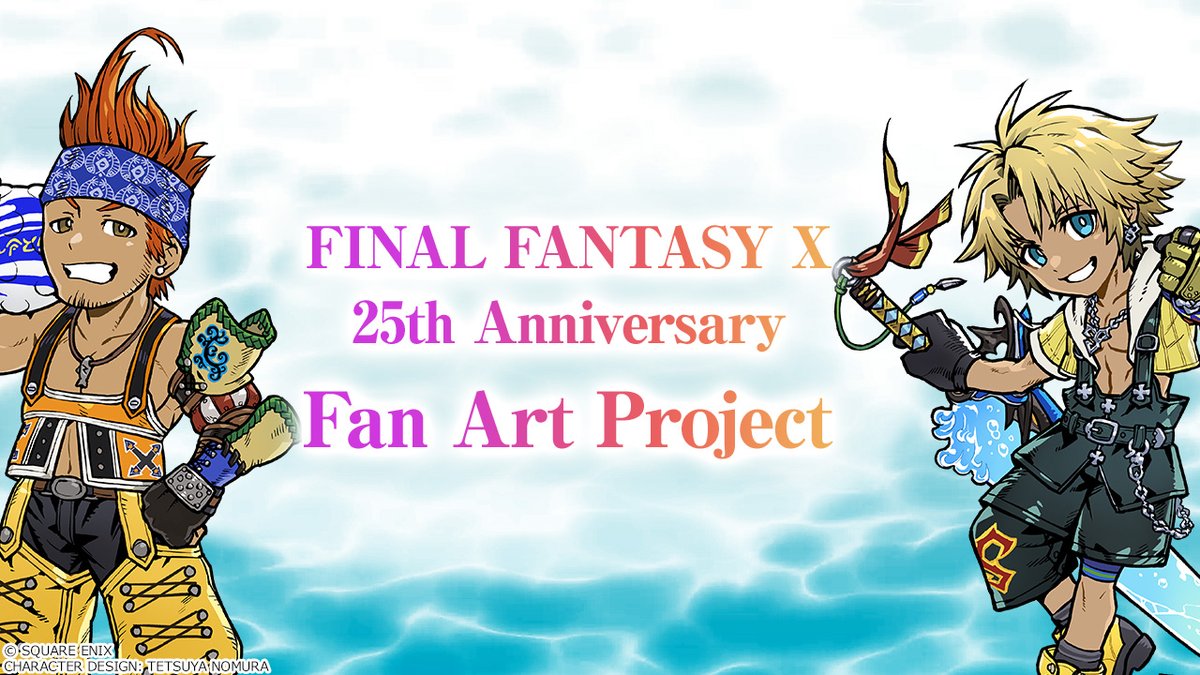
The project is structured to be inclusive of various artistic mediums, provided they can be converted into a digital format for review and potential publication. Square Enix has specified that both digital and physical artworks are eligible for consideration. For physical pieces, artists are instructed to provide high-quality scans or photographs in JPG or PNG formats. The primary requirement is that all submitted works must be strictly based on the characters, environments, and themes of Final Fantasy X.
To maintain the integrity of the creative process and ensure that the project remains a celebration of human artistry, Square Enix has explicitly stated that artwork generated by artificial intelligence (GenAI) will not be accepted. This policy aligns with a growing trend in the interactive entertainment industry to protect intellectual property and honor the labor of human creators. Furthermore, the contest is open to participants aged 13 and older, reflecting the broad demographic reach of the franchise. Following the conclusion of the submission period on July 31, 2026, Square Enix intends to curate a selection of the most noteworthy pieces to be featured across its official social media channels and digital platforms.
A Legacy of Anniversary Celebrations
This fan art initiative follows a successful precedent set by Square Enix in the preceding year. In July 2025, the company launched a similar project for the 25th anniversary of Final Fantasy IX. That campaign saw a significant influx of submissions from a diverse array of artists, ranging from hobbyists to professional illustrators. The results of the Final Fantasy IX project began appearing online in August 2025, serving as a promotional bridge for the franchise’s legacy titles.
By institutionalizing these anniversary projects, Square Enix leverages community engagement to maintain the relevance of its "Golden Era" titles—specifically those released during the transition between the fifth and sixth console generations. These projects serve a dual purpose: they act as a "thank you" to a loyal fan base that has supported the series for decades, and they function as low-cost, high-impact marketing tools that keep the intellectual property at the forefront of digital discourse.
The Cultural and Technical Impact of Final Fantasy X
Originally released in Japan on July 19, 2001, for the PlayStation 2, Final Fantasy X represented a monumental shift for the JRPG genre. It was the first entry in the series to feature fully voiced dialogue, a technological leap that fundamentally changed how stories were told in video games. The inclusion of voice acting allowed for greater emotional nuance in the relationship between the protagonists, Tidus and Yuna, which remains one of the most celebrated romances in gaming history.
Beyond its narrative achievements, the game introduced the "Conditional Turn-Based" (CTB) battle system, replacing the "Active Time Battle" (ATB) system that had defined the series for a decade. This change allowed players to take their time with strategic decisions, a feature that contributed to the game’s accessibility and depth. Additionally, the "Sphere Grid" system replaced traditional level-up mechanics, offering a highly customizable path for character progression that influenced numerous RPGs in the years that followed.
The visual fidelity of Final Fantasy X was equally groundbreaking. Utilizing the power of the PlayStation 2’s "Emotion Engine," the game featured facial animations and environmental textures that were considered the pinnacle of the era. The transition from pre-rendered backgrounds to fully 3D environments (though still featuring fixed camera angles in many sections) provided a sense of immersion that was previously unattainable.
Market Performance and Commercial Longevity
The commercial performance of Final Fantasy X has been nothing short of extraordinary. The original PlayStation 2 release sold approximately 8 million copies worldwide. However, its lifecycle was significantly extended through the release of the Final Fantasy X | X-2 HD Remaster collection. First launched in 2013 for the PlayStation 3 and PlayStation Vita, and later ported to the PlayStation 4, PC, Xbox One, and Nintendo Switch, the collection has consistently appeared on sales charts years after its initial debut.
As of the most recent financial reports from Square Enix, the combined sales of Final Fantasy X and its direct sequel, Final Fantasy X-2, have surpassed 21 million units globally. This figure places the "X" sub-series among the most profitable segments of the entire Final Fantasy franchise, second only to the ubiquitous Final Fantasy VII. The enduring popularity of the game is further evidenced by its presence in other media, including a successful Kabuki theater adaptation in Japan and numerous orchestral concert tours featuring the iconic score by Nobuo Uematsu, Masashi Hamauzu, and Junya Nakano.
Expansion to Next-Generation Hardware
The timing of the 25th Anniversary Fan Art Project coincides with significant hardware developments for the franchise. In early June 2026, Square Enix confirmed that the Final Fantasy X | X-2 HD Remaster collection would be optimized and ported to the Nintendo Switch 2. This new version is scheduled for release on July 23, 2026, strategically positioned just days before the fan art submission deadline.
The move to the Switch 2 is seen as a strategic effort to capitalize on the success of the original Nintendo Switch port, which introduced the game to a new generation of handheld gamers. Analysts suggest that the Switch 2 version will likely feature improved load times, higher resolution textures, and more stable frame rates, leveraging the increased processing power of Nintendo’s successor console. This release ensures that Final Fantasy X remains accessible on modern hardware, a key pillar of Square Enix’s strategy to preserve its "evergreen" titles.
The Significance of the Anti-AI Mandate
Square Enix’s decision to ban generative AI from the Fan Art Project is a point of significant interest within the creative community. As AI tools become more prevalent in digital art spaces, many corporations have struggled to define their boundaries regarding machine-generated content. By taking a firm stance against GenAI, Square Enix is prioritizing the "human element" that has long been a hallmark of the Final Fantasy fan community.
This policy addresses several concerns:
- Copyright Integrity: AI models are often trained on existing artwork without the original artists’ consent. By requiring human-made art, Square Enix avoids potential legal complications regarding the provenance of the submissions.
- Community Sentiment: Fan artists are a vital part of the game’s ecosystem. Allowing AI-generated entries could alienate the very community the project seeks to celebrate.
- Brand Quality: The unique aesthetic of Final Fantasy X—characterized by its blend of Okinawan, Thai, and Japanese cultural influences—is best captured by artists who understand the emotional weight of the source material.
Chronology of Key Events
To understand the scope of this celebration, it is helpful to view the timeline of the Final Fantasy X legacy:
- July 19, 2001: Final Fantasy X launches on PlayStation 2 in Japan.
- December 17, 2001: North American release of Final Fantasy X.
- March 13, 2003: Final Fantasy X-2 launches as the series’ first direct sequel.
- December 26, 2013: HD Remaster collection launches on PS3 and Vita.
- May 12, 2015: HD Remaster launches on PS4.
- May 12, 2016: HD Remaster launches on PC via Steam.
- April 16, 2019: HD Remaster launches on Xbox One and Nintendo Switch.
- July 2025: Final Fantasy IX 25th Anniversary Fan Art Project begins.
- June 19, 2026: Final Fantasy X 25th Anniversary Fan Art Project officially opens.
- July 23, 2026: Final Fantasy X | X-2 HD Remaster launches on Nintendo Switch 2.
- July 31, 2026: Submission deadline for the FFX Fan Art Project.
Broader Implications for the JRPG Industry
The continued celebration of Final Fantasy X highlights a broader trend in the gaming industry: the transition of classic titles into "legacy brands." Rather than allowing older games to fade into obscurity, publishers like Square Enix are treating them as living entities that require constant engagement. This approach not only generates consistent revenue through remasters and ports but also builds a transgenerational fan base.
The 25th-anniversary project serves as a reminder of the era when JRPGs were the primary drivers of console hardware sales. By engaging with artists, Square Enix is tapping into the "participatory culture" of the internet, where fans do not just consume media but actively contribute to its world-building. This level of engagement is crucial for the longevity of a franchise that is now entering its fifth decade of existence.
As the industry looks toward the future, the success of these community-driven projects will likely influence how other publishers handle their own historic intellectual properties. For now, the focus remains on the shores of Besaid and the ruins of Zanarkand, as fans prepare to translate their nostalgia into new works of art. The Final Fantasy X 25th Anniversary Fan Art Project stands as a testament to a game that, despite the passage of twenty-five years, continues to resonate with players as deeply as it did in 2001.