Cecilia Chamidah Nur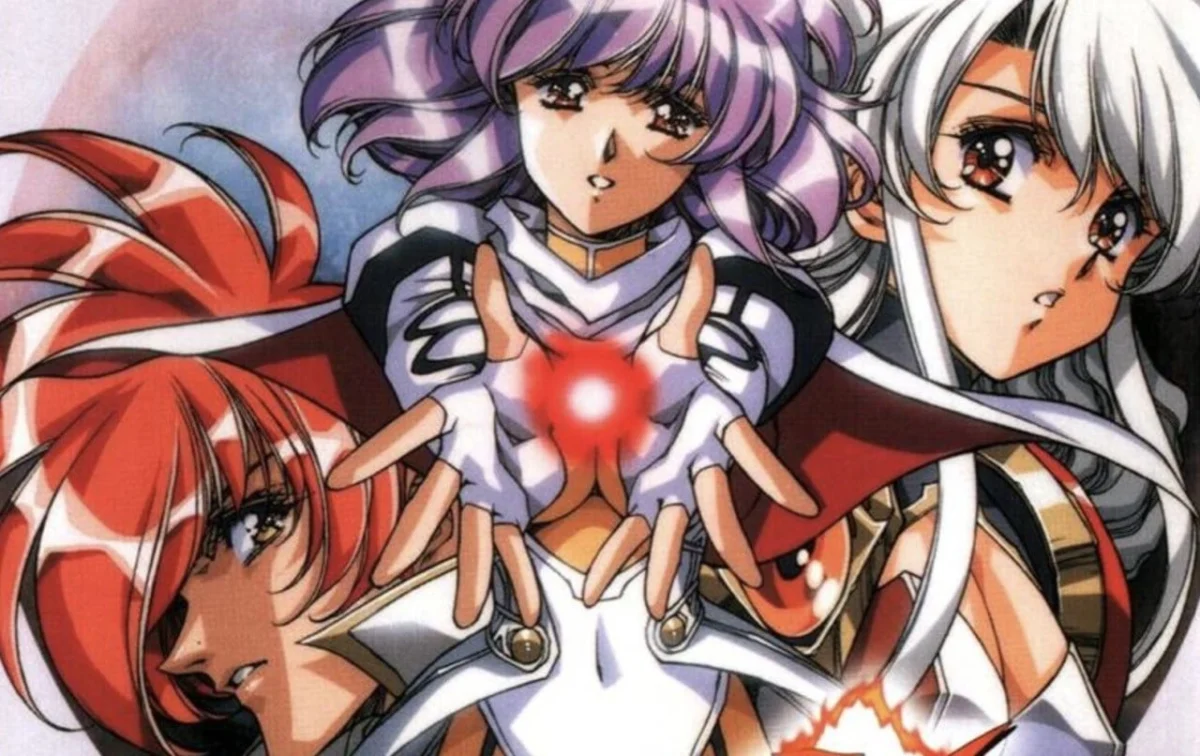
The digital landscape of video game preservation and accessibility has been significantly stirred by a recent incident involving an AI-driven English translation patch for the classic PlayStation 1 title, Langrisser V: The End of Legend. The fan-made patch, released by nE0sIghT, ignited a swift and vocal backlash within the fan translation community, culminating in the prominent romhacking platform, Romhack.ing, disabling downloads for all machine-translated content. This development, which unfolded rapidly between June 15 and June 17, 2026, underscores a growing tension between the rapid advancements in artificial intelligence and the meticulous, human-centric standards long upheld in the world of fan localization.
The Genesis of Controversy: Langrisser V’s AI Patch
The saga began on Monday, June 15, 2026, when nE0sIghT unveiled an English language translation patch for the PlayStation 1 version of Langrisser V: The End of Legend on Romhack.ing. The announcement quickly drew attention, not for its completion, but for its candid admission regarding its methodology. The translator, nE0sIghT, openly stated, "I don’t know Japanese, so this is AI-assisted translation." This declaration immediately raised red flags for many seasoned members of the fan translation community, who traditionally emphasize deep linguistic expertise in both source and target languages.
nE0sIghT further detailed their process, explaining, "I used the strongest models available (Opus 4.8, Fable 5, ChatGPT 5.5) to translate and to cross-check terms and names against the most common fan usage." While leveraging cutting-edge AI models might seem like an innovative approach to overcome language barriers, the critical omission was highlighted in the translator’s subsequent admission: "there was no human proofreading pass, and AI translation can still get things wrong." This lack of human oversight, a cornerstone of quality localization, became the central point of contention. Despite nE0sIghT making the project’s patch, tools, and source code open for community fixes, the initial release sparked a firestorm of debate over the acceptable standards for fan-driven preservation efforts.
A Growing Trend: AI in Fan Translations
The Langrisser V incident is not an isolated event but rather the latest flashpoint in an ongoing discussion within the fan translation community regarding the integration of AI tools. For years, fan translators have dedicated countless hours, often unpaid, to meticulously translate Japanese-exclusive games, driven by a passion to share beloved titles with a global audience. These projects, ranging from sprawling RPGs to obscure visual novels, demand not just linguistic fluency but also cultural understanding, narrative sensitivity, and technical prowess to implement translations into game code.
The advent of sophisticated neural machine translation (NMT) and large language models (LLMs) has offered a seemingly miraculous shortcut. Just as Douglas Adams’ fictional Babel Fish instantly dissolved communication barriers, AI tools promise to make vast libraries of untranslated content accessible with unprecedented speed. This appeal is undeniable, particularly for projects that might otherwise never see the light of day due to the sheer volume of text or the specialized expertise required. However, as demonstrated by previous controversies, such as the eagerly anticipated Segagaga translation project, the rapid adoption of AI without human intervention carries significant risks. The Segagaga patch, also criticized for its heavy reliance on machine translation, frustrated many by delivering a product deemed subpar, riddled with inaccuracies, and lacking the nuanced contextual understanding crucial for a narrative-heavy game. These earlier incidents served as precursors, highlighting a nascent but persistent challenge to the traditional ethos of fan translation, where quality and fidelity often trump speed.
The Game at Stake: Langrisser V’s Legacy
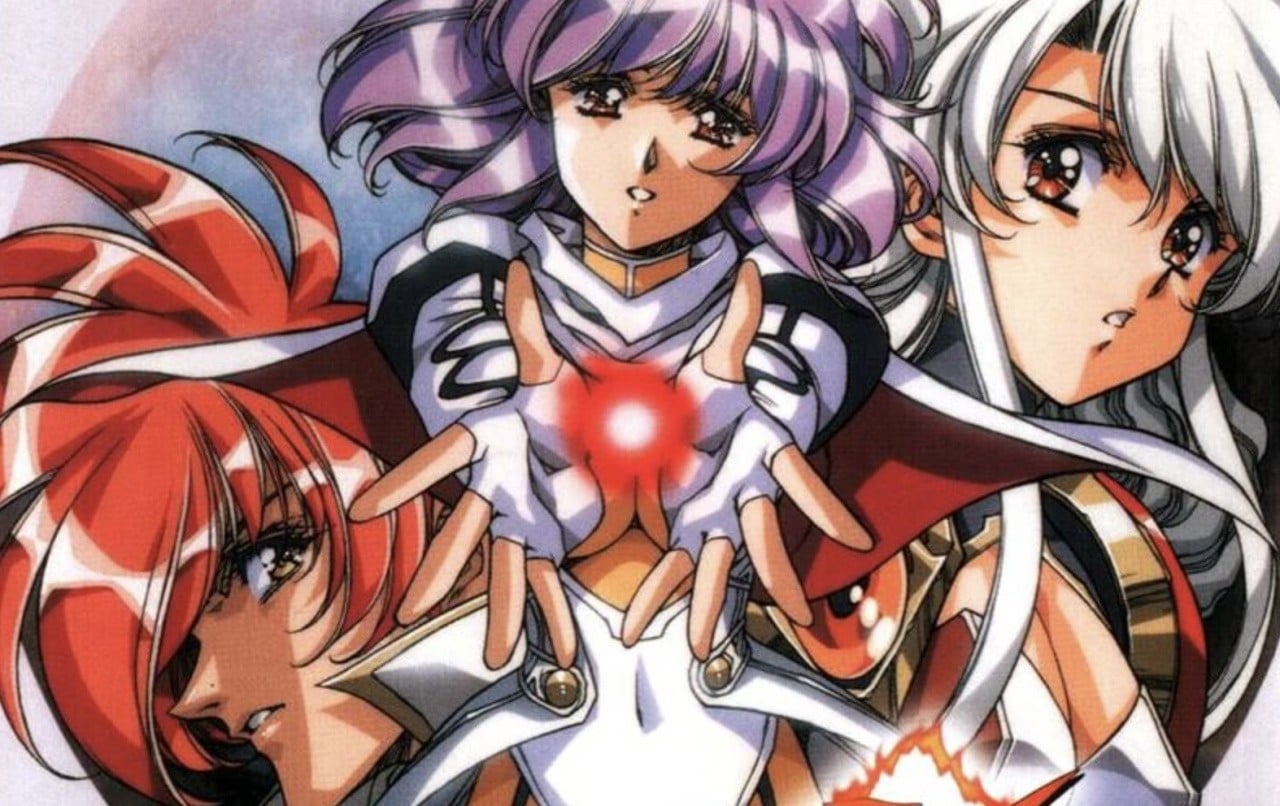
To understand the intensity of the reaction, it’s crucial to grasp the significance of Langrisser V: The End of Legend. Released on the Sega Saturn in 1998 and subsequently on the PlayStation in 1999, Langrisser V holds a special place in the hearts of tactical RPG enthusiasts. It represents the final installment developed by the original creator, Career Soft, before the core team transitioned to develop the highly regarded Growlanser series the following year. As such, Langrisser V is considered the definitive conclusion to the classic Langrisser saga, known for its intricate strategic combat, deep lore, branching storylines, and memorable characters.
The series itself, a cornerstone of the tactical RPG genre, is celebrated for its unique commander-and-unit system, diverse class progression, and high fantasy narrative steeped in themes of light versus darkness, destiny, and moral choices. For fans, a translation of Langrisser V is not merely about understanding the text; it’s about fully experiencing the culmination of a beloved saga, appreciating its thematic depth, and engaging with its rich character development. A poor translation, especially one lacking human nuance and contextual awareness, risks fundamentally distorting the narrative, misrepresenting character personalities, and ultimately undermining the artistic integrity of the original work. This perceived threat to the legacy of a cherished classic fueled much of the community’s outcry, emphasizing that for such an important title, a literal, unrefined translation is often worse than no translation at all.
Romhack.ing’s Swift Response and Policy Shift
The community’s feedback, rapid and overwhelmingly critical, prompted a decisive action from Romhack.ing, one of the most prominent repositories for fan-made game patches and translations. By Wednesday, June 17, 2026, just two days after the patch’s initial release, Romhack.ing announced a significant policy shift: it had disabled downloads for all AI-translated content.
In a statement addressing the move, the site explained, "After hearing feedback, we disabled downloads for machine-translated content." This immediate response highlights the platform’s sensitivity to community sentiment and its implicit acknowledgment of the quality concerns raised. Crucially, Romhack.ing clarified its intent and the revised availability of such patches: "Downloads are available upon request for those wanting to use these patches as bases for a fully human-done script. This was the primary motivator of serving this content, and it is not our intent to go into AI discourse."
This statement is layered with important implications. Firstly, it indicates a clear stance against purely machine-generated, unedited translations being presented as finished products. By removing them from general public access, Romhack.ing is effectively setting a minimum standard for quality, emphasizing the irreplaceable value of human linguistic expertise. Secondly, the provision for downloads "upon request" redefines the role of AI translations within the platform’s ecosystem. They are now explicitly framed as raw material—starting points or assistive tools—rather than complete, playable localizations. This policy shift aligns AI-generated content with the long-standing practice of collaborative fan projects, where initial rough translations are refined and polished by multiple human editors and proofreaders. Lastly, Romhack.ing’s desire "not to go into AI discourse" suggests a pragmatic approach; the platform aims to facilitate game preservation and accessibility without becoming a battleground for the broader philosophical debates surrounding AI’s role in creative endeavors. Instead, its focus remains on ensuring the utility and quality of the content it hosts for its user base.
The Nuances of Machine Translation in Creative Works
The Langrisser V controversy serves as a stark reminder of the inherent limitations of even the most advanced machine translation technologies, particularly when applied to creative works like video games. Unlike factual texts or technical manuals, game narratives are rich with idiomatic expressions, cultural references, specific character voices, thematic undertones, and often complex world-building terminology. These elements are exceedingly difficult for AI to accurately convey without human intervention.
For instance, AI models frequently struggle with:
- Contextual Ambiguity: A single Japanese word or phrase can have multiple meanings depending on the surrounding dialogue or narrative situation. AI often defaults to the most common literal translation, missing the intended nuance or ironic subtext crucial for character development or plot progression.
- Cultural Specificity: Jokes, proverbs, social customs, and historical allusions deeply embedded in Japanese culture may have no direct English equivalent. A human translator localizes these, finding comparable expressions or explaining concepts, whereas AI might render them nonsensical or lose their impact entirely.
- Tone and Emotion: Games rely heavily on conveying emotional states and character personalities through dialogue. AI can flatten these nuances, making passionate characters sound monotone, or witty exchanges appear bland. The subtleties of sarcasm, earnestness, or despair are often lost.
- Proper Nouns and Jargon: While nE0sIghT mentioned cross-checking terms, AI can still misinterpret or inconsistently translate names of characters, places, spells, or unique game mechanics, leading to confusion and breaking immersion.
- Grammar and Syntax: Even with highly sophisticated models, machine translations can produce grammatically awkward sentences, unnatural phrasing, or a "machine-like" cadence that detracts from the player experience.
- Puns and Wordplay: These are notoriously difficult to translate even for human experts, requiring creative reinterpretation. AI is almost universally incapable of replicating such linguistic artistry.
Localization experts and veteran fan translators emphasize that a truly good translation goes beyond mere word-for-word conversion. It involves a deep understanding of the source culture, an artistic command of the target language, and a meticulous process of editing, proofreading, and testing within the game environment. This human touch ensures that the translated text not only makes sense but also evokes the same emotional response and narrative impact as the original, allowing players to fully immerse themselves in the game’s world. The Langrisser V incident powerfully illustrates that while AI can provide a raw output, it is the human "proofreading pass" that transforms a literal rendering into a meaningful, enjoyable, and culturally resonant experience.
Broader Implications for the Fan Translation Community
The Romhack.ing decision, triggered by the Langrisser V patch, marks a significant inflection point for the fan translation community. It signals a potential re-evaluation of standards and best practices in an era where AI tools are becoming increasingly accessible. This event is likely to foster several key discussions and developments:
Firstly, it may lead to clearer guidelines and policies on platforms hosting fan translations. Websites like Romhack.ing might implement stricter submission criteria, requiring explicit disclosure of AI usage and mandating a minimum level of human editing and quality assurance before a patch can be publicly distributed as a "finished" product. This could involve categorizing patches (e.g., "AI-generated draft," "human-edited AI," "fully human translation") to manage user expectations.
Secondly, it could polarize the community further. A schism might emerge between "purists" who advocate for purely human-driven translations and those who embrace AI as a legitimate, albeit assistive, tool. While some will continue to prioritize linguistic fidelity and cultural nuance above all else, others might argue that even a flawed AI translation is better than no translation, especially for highly obscure or text-heavy titles that would otherwise remain inaccessible.
Thirdly, the incident highlights the evolving definition of "fan translation". Traditionally, it implied a laborious, human-intensive process. Now, the term might broaden to include various degrees of AI assistance, necessitating a new vocabulary to describe these different approaches. The emphasis could shift from "translation" to "localization," a term that inherently implies cultural adaptation and human judgment.
Finally, the controversy underscores the ongoing tension between speed and fidelity. AI offers the promise of translating games at an unprecedented pace, potentially opening up vast back catalogs. However, the Langrisser V case demonstrates that this speed often comes at the cost of quality. The community will need to grapple with where to draw the line, weighing the desire for broader accessibility against the imperative to preserve the artistic integrity and enjoyable player experience of the original works. The Romhack.ing decision firmly places its weight on the side of fidelity, at least for general public consumption.
Ethical and Future Considerations
Beyond the immediate impact on fan translation practices, the Langrisser V incident raises broader ethical and future considerations regarding AI’s role in creative and preservation efforts. The core ethical dilemma revolves around the value of human skill versus the efficiency of automated processes. When AI can generate translations quickly, does it devalue the years of linguistic study and cultural immersion that human translators undertake? For many, the passion project of fan translation is as much about the journey of deciphering and interpreting as it is about the destination of a playable English version.
Looking forward, the incident may accelerate the development of hybrid translation models. Instead of an "either/or" approach, the future of fan translations could see AI integrated as a powerful preprocessing tool, handling the initial, rough translation of vast scripts. Human translators would then step in, not to translate from scratch, but to refine, localize, proofread, and inject the critical cultural and contextual nuances that only a human can provide. This model could significantly reduce the time and effort required for large projects while preserving the essential human touch that guarantees quality.
Furthermore, the responsibility of platforms like Romhack.ing and other digital archives becomes paramount. Their decisions in curating and categorizing AI-generated content will shape public perception and influence future practices. Establishing clear standards for transparency—requiring creators to openly state the extent of AI involvement—will be crucial for maintaining trust within the community.
Ultimately, the Langrisser V AI translation controversy serves as a microcosm of a larger societal debate about artificial intelligence. While AI offers unparalleled potential for accessibility and innovation, it also compels us to reflect on what truly constitutes quality, authenticity, and human value in creative endeavors. The fan translation community, in its ongoing quest to preserve and share gaming history, is now at the forefront of defining this evolving relationship, ensuring that technological progress serves to enrich, rather than diminish, the experience of players worldwide.