Retno Hari Mulyono
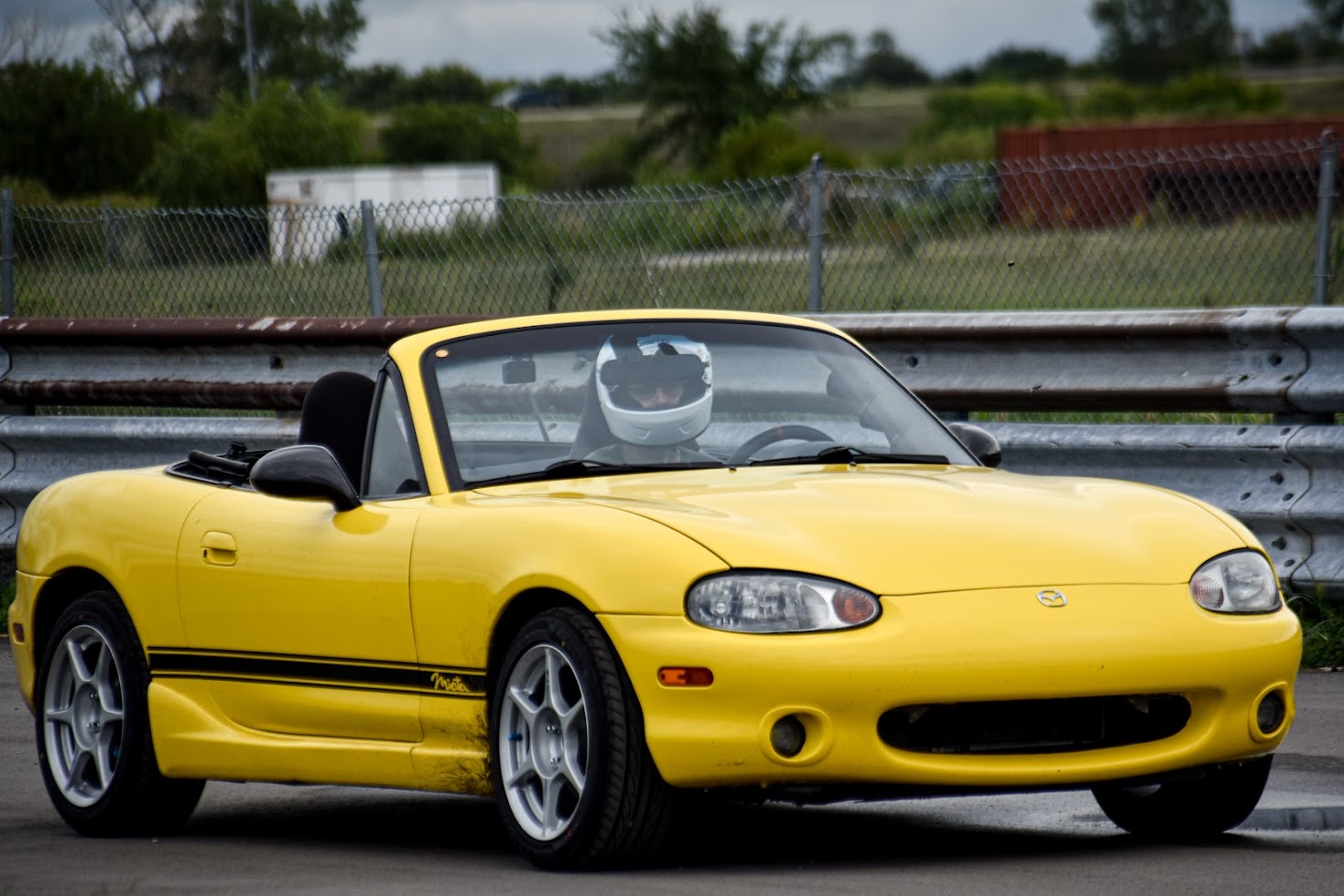
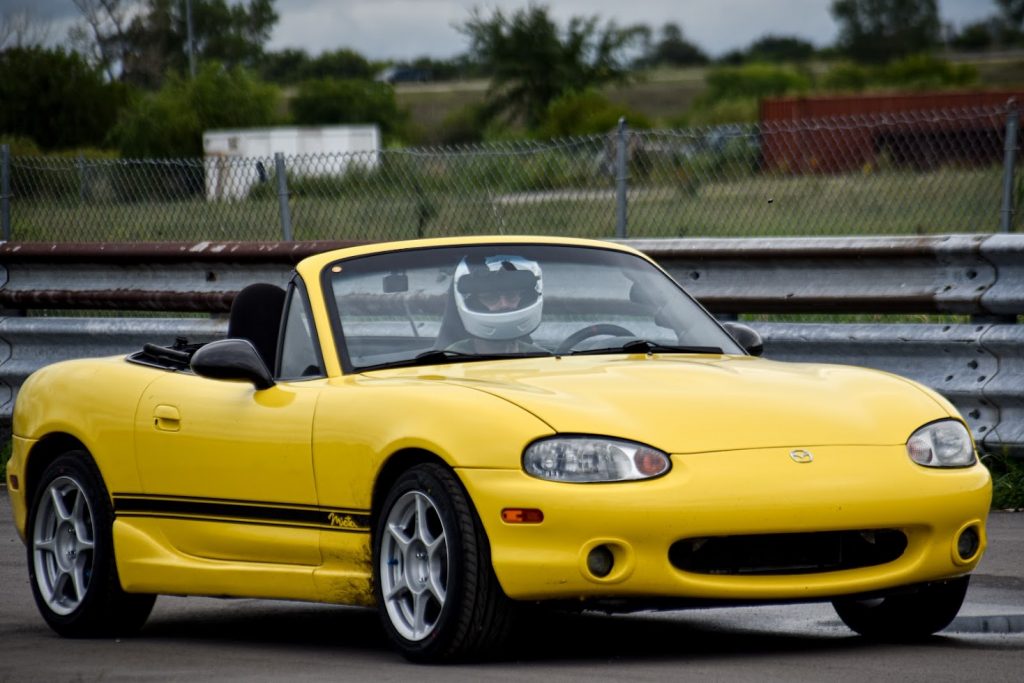
The second-generation Mazda MX-5, known internally as the NB chassis, remains a cornerstone of the global amateur racing and autocross communities due to its balanced rear-wheel-drive dynamics and lightweight construction. However, as these vehicles approach two decades of service, the degradation of factory rubber components and hydraulic dampening systems often compromises their original performance benchmarks. A comprehensive technical refresh of the NB suspension system was recently documented, highlighting a strategic transition from an aging, undocumented stock configuration to a high-performance, dual-duty setup designed for both competitive track use and street drivability. This overhaul addressed critical areas including bushing compliance, drivetrain efficiency through a differential swap, and the installation of professional-grade coilover dampers.
The Engineering Necessity of a Suspension Refresh
The Mazda Miata utilizes a double-wishbone suspension at all four corners, a design that offers superior geometry control but relies heavily on the integrity of its pivot points. Over time, the factory-installed rubber bushings undergo a process known as compression set and ozone cracking, leading to "slop" in the suspension geometry under load. In this specific project, the vehicle was acquired in a stock state with no documented service history, making a total overhaul a prerequisite for safe and predictable track performance.
The primary objective was to replace high-wear items—hubs, bearings, and ball joints—while simultaneously upgrading the damping and differential systems. By establishing a "Day Zero" for all suspension components, the operator ensures a reliable baseline for future maintenance and tuning. This is particularly vital in regions where road salt and winter conditions accelerate the corrosion of critical fasteners, such as the long rear lower control arm bolts, which are notorious for seizing within the knuckle.
Component Selection and Installation Strategy
The selection of components reflected a "performance-first" philosophy, prioritizing durability and measurable handling improvements over aesthetic modifications.
IL Motorsports Control Arm Bushings
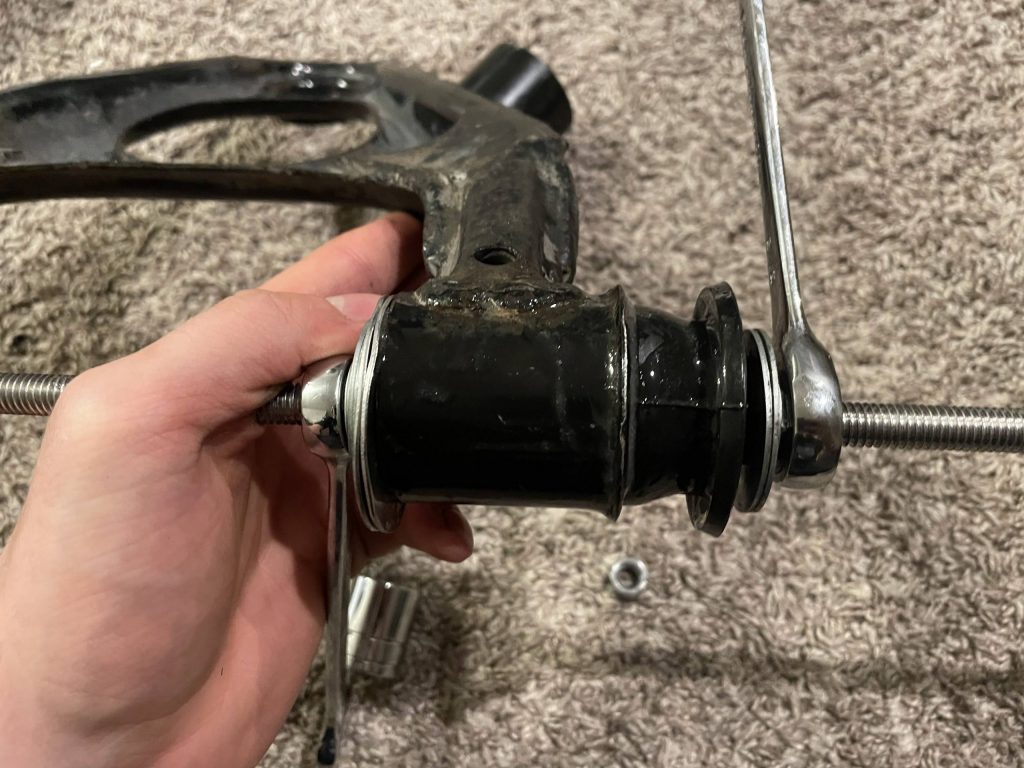
The project utilized IL Motorsports bushings, which are engineered to be approximately 30% to 40% stiffer than the original equipment manufacturer (OEM) units. These are often compared to the Mazdaspeed competition bushings but are positioned at a more accessible price point. Unlike polyurethane alternatives, which can squeak and require periodic lubrication, these stiffened rubber bushings maintain the longevity and maintenance-free nature of the stock design while significantly reducing unwanted toe and camber changes during high-G cornering.
The installation process revealed a common pitfall in Miata maintenance. The use of a hydraulic press on the rear upper control arms without proper internal bracing can lead to structural deformation. In this instance, the pressure caused the control arm to bend, necessitating a full replacement. Technical experts recommend the "threaded rod" method—using washers, nuts, and a long bolt to pull bushings into place—to ensure the force is applied only where needed without stressing the arm’s thin-gauge steel.
Supermiata Front End Service Kit
To address the steering and articulation points, a Supermiata Front End Service Kit was integrated. This kit includes upper and lower ball joints and tie rod ends. While the original parts were still functional, the proactive replacement eliminates the risk of joint failure, which can be catastrophic on a race circuit. The installation of the upper ball joints required a press, while the lower units and tie rods were bolt-on components, demonstrating the varying degrees of mechanical complexity involved in a front-end rebuild.
Hub and Bearing Reliability
Wheel hubs are a documented weak point in the Miata’s design, particularly when subjected to the increased heat and lateral loads of track-day tires. For this build, standard Centric front hubs and rebuilt OEM rear knuckles from Treasure Coast Miata were selected. While heavy-duty aftermarket hubs exist for professional racing, the standard replacements were deemed sufficient for a vehicle that maintains a dual-duty street and track role. This replacement ensures that the bearings are operating within their service life, reducing the risk of hub snapping—a known issue for high-mileage NBs on track.
Drivetrain Optimization: The Torsen Differential Swap
One of the most significant performance gains in this overhaul was the transition from a standard open differential to a Torsen limited-slip differential (LSD). The base model NB Miata often shipped with a 4.30 ratio open differential, which allows the inside wheel to spin uselessly under power during a turn.
The 4.30 Torsen Advantage
The Torsen (Torque-Sensing) differential is a mechanical LSD that uses worm gears to distribute torque to the wheel with the most traction. The 4.30 gear ratio is highly coveted in the Miata community—particularly for Spec Miata racers—as it provides superior acceleration compared to the 3.9 or 4.1 ratios found in other models. Despite the high market demand often driving prices above $1,000, a successful sourcing effort secured a unit for approximately $250.
Installation and Polyurethane Bushings
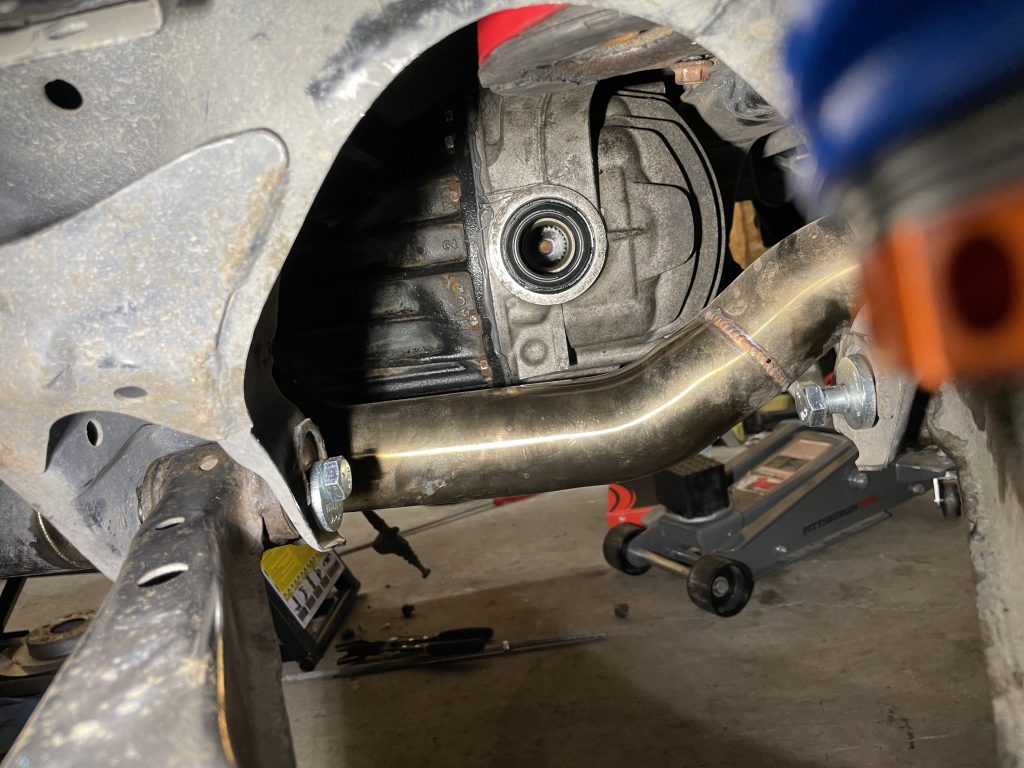
The differential "guts" were swapped into the existing aluminum carrier housing. During this process, the factory rubber differential bushings were replaced with polyurethane units. While the control arms benefited from the compliance of rubber, the differential mounts were stiffened with polyurethane to provide a more direct connection between the drivetrain and the chassis. This modification reduces "wheel hop" and drivetrain lash, though it typically introduces more noise, vibration, and harshness (NVH) into the cabin.
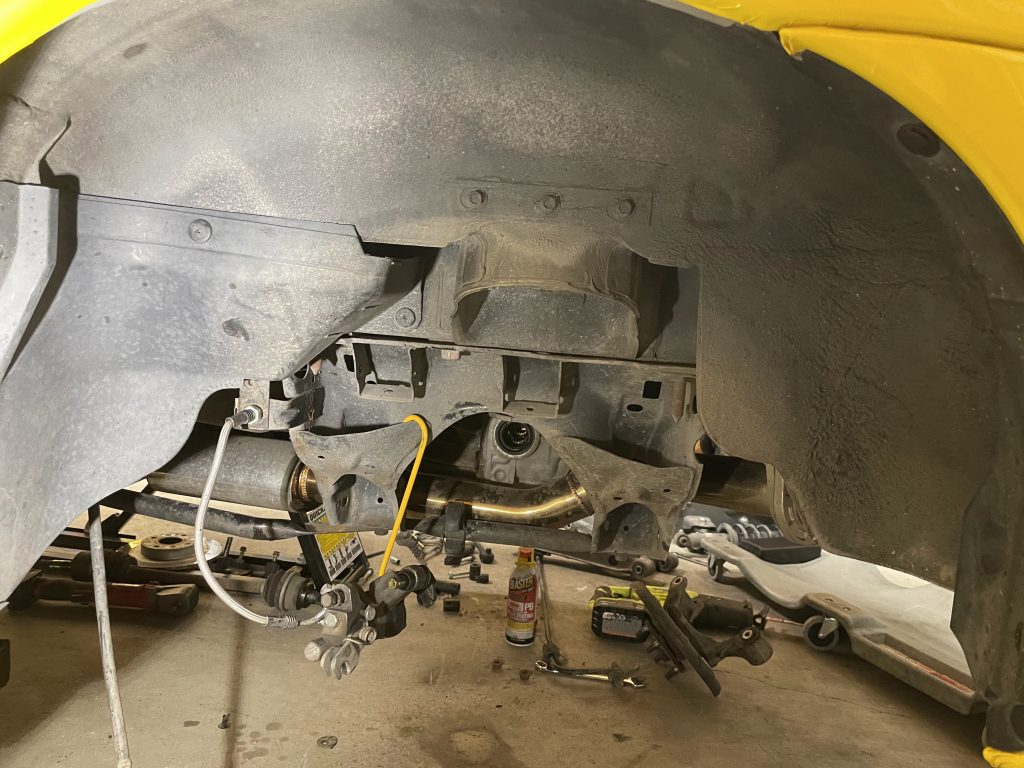
A notable challenge during this phase involved the Power Plant Frame (PPF), a large aluminum brace connecting the transmission to the differential. The bolts securing the PPF are often seized; in this case, the technician found that a long breaker bar used while the vehicle was still on the ground provided the necessary leverage that pneumatic impacts could not.
Advanced Damping with Supermiata Xida Race Coilovers
The centerpiece of the suspension refresh was the installation of Supermiata Xida Race coilovers. In the hierarchy of Miata suspension, Xidas are regarded as a top-tier solution, utilizing high-quality internal valving to provide exceptional body control without the punishing ride quality associated with cheaper, entry-level coilovers.
Technical Specifications
The units were configured with an 800 lbs/in front and 500 lbs/in rear spring rate, supplemented by helper springs. This spring rate is significantly higher than the stock NB rates (approximately 160/100 lbs/in), yet the sophisticated valving of the Xida shocks allows them to remain "streetable." The high spring rate is essential for maintaining a low ride height while preventing the suspension from bottoming out on the bump stops during high-speed track maneuvers.
Performance Observations
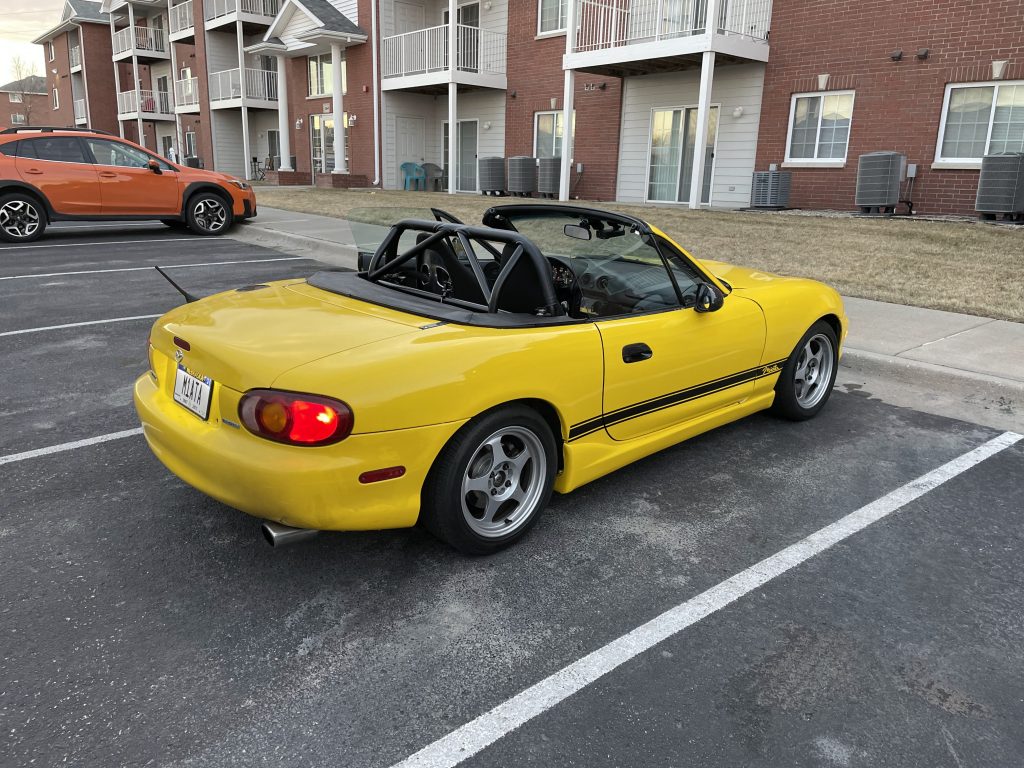
Initial testing indicated a substantial reduction in body roll and a more "planted" sensation at high speeds. The "floaty" feeling characteristic of aged OEM dampers was eliminated, replaced by a stable platform that inspires confidence during rapid directional changes. The Xidas also allow for precise ride height adjustments, though it was noted that even at their highest setting, the NB chassis sits approximately 0.5 to 0.75 inches lower than the factory height.
The Sway Bar Debate: To Upgrade or Retain?
A common point of contention in Miata tuning is the role of sway bars (anti-roll bars). While many owners opt for thicker aftermarket bars to reduce roll, this project has currently retained the stock units. The rationale lies in the independence of the suspension; an overly stiff sway bar can effectively link the two sides of the car too closely, reducing the suspension’s ability to soak up mid-corner bumps.
With the 800/500 spring rates provided by the new coilovers, much of the body roll has already been mitigated. The technician noted that retaining the stock bars maintains a slight understeer bias, which is generally considered a safer handling characteristic for those transitioning from front-wheel-drive platforms. Future adjustments may include adjustable endlinks or a slightly thicker front bar if track testing reveals a need for further fine-tuning of the car’s balance.
Analysis of Broader Implications
This suspension overhaul serves as a case study for the "restomod" approach to the NB Miata. As these cars age into "modern classic" status, the availability of high-quality aftermarket support from companies like Supermiata and IL Motorsports allows owners to exceed the car’s original factory performance.
From a financial perspective, the project demonstrates the importance of patience in the second-hand parts market, as seen with the $250 Torsen differential. However, it also highlights that certain areas—such as dampers and safety-critical ball joints—warrant investment in premium, new components. The transition from a "floaty" street car to a "confidence-inspiring" track tool is not the result of a single part, but rather the synergistic effect of refreshing every link in the suspension chain.
The successful completion of this phase sets the stage for further engine and safety modifications. For the broader automotive community, it reinforces the narrative that the NB Miata remains one of the most rewarding platforms for mechanical restoration and performance tuning, provided the technician is aware of the specific metallurgical and design quirks of the chassis.