Hartono Sudibyo
The transition of video game narratives from interactive digital experiences to cinematic features has been a long and often tumultuous journey, marked by significant missteps and, more recently, groundbreaking triumphs. Early attempts to translate beloved game franchises to the silver screen were frequently met with critical derision and fan disappointment, leading to a perception of video game movies as inherently flawed. However, recent years have witnessed a dramatic shift, with a new wave of adaptations achieving both critical acclaim and unprecedented financial success, signaling a potential "golden age" for the genre. This article examines the historical trajectory of video game adaptations, analyzing the pitfalls of early ventures and the strategic evolution that has led to the current era of blockbuster hits.
The Pioneer’s Peril: Super Mario Bros. (1993)
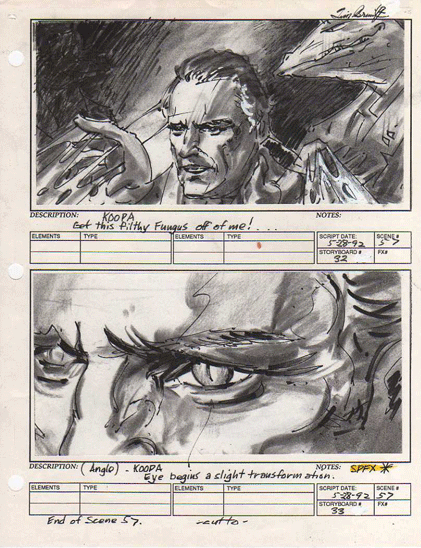
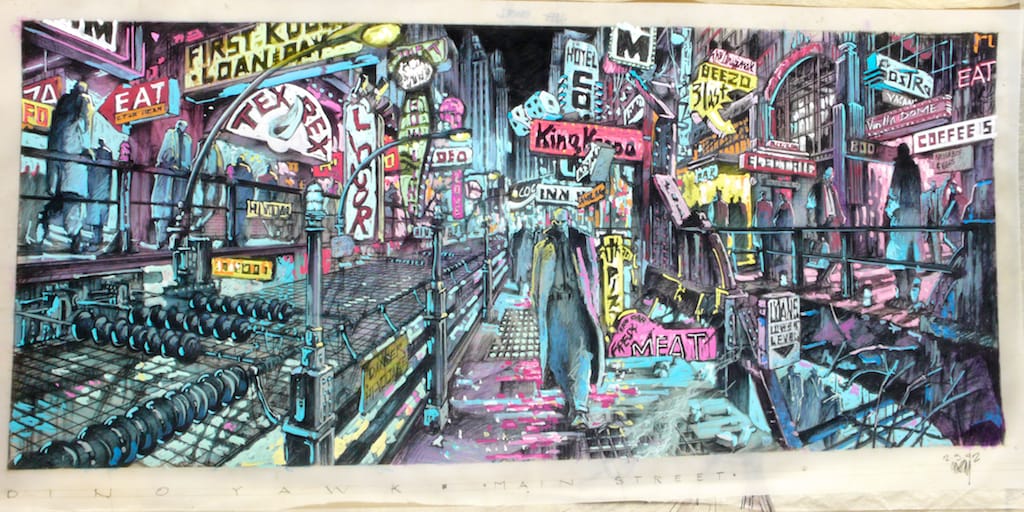
The cinematic history of video game adaptations arguably began with the ambitious, yet ultimately misguided, Super Mario Bros. released in 1993. This live-action feature, directed by Rocky Morton and Annabel Jankel, attempted to imbue the whimsical world of Nintendo’s iconic plumber with a gritty, dystopian aesthetic. Producer Roland Joffe secured the rights from Nintendo, reportedly promising greater creative control than other studios, a move that, in retrospect, might have been a miscalculation. The filmmakers, including set designer David L. Snyder (known for Blade Runner), envisioned a narrative that explored a pre-video game "true story" of the Mario brothers, aiming for an adult-oriented, lore-building approach.
This creative direction, however, fundamentally clashed with the source material’s inherent appeal. The film’s dark tone, featuring elements like "dino strippers" in Dinohattan and the unsettling transformation of humans into Goombas, proved alienating to the franchise’s younger fanbase and confused general audiences. The lack of a strong, established narrative in the original Super Mario Bros. games, which primarily revolved around saving Princess Peach, presented a significant challenge for screenwriters. Early script drafts, including one famously dubbed "Drain Man," were reportedly unengaging, and subsequent revisions struggled to find a consistent tone, oscillating between adult themes and family-friendly elements, often after actors had already committed to the project. The result was a commercial failure, grossing approximately $38.9 million against a production budget of $48 million, and is now largely remembered as a cautionary tale.
Double Dragon (1994): A Missed Opportunity
Following the troubled production of Super Mario Bros., director Jim Yukich helmed Double Dragon in 1994, another early attempt to bring a popular arcade beat-’em-up to the screen. Despite the clear lessons from Super Mario Bros., Yukich’s vision for Double Dragon veered sharply into a child-friendly, slapstick territory that felt disconnected from the game’s gritty, gang-ridden urban setting. The film failed to capture the essence of a street-level brawler, opting for a lighter, less impactful tone.
While the special effects, particularly the use of glowing lights to foreshadow action, offered a glimmer of visual interest, the dialogue was widely criticized as cheesy and uninspired. Double Dragon proved to be a significant financial disappointment, earning only $4.1 million against a production budget of $7.8 million. Its failure further solidified the perception that video game adaptations struggled to translate their interactive strengths into compelling cinematic narratives.
Street Fighter (1994) & Mortal Kombat (1995): Glimmers of Hope Amidst the Flaws
The mid-1990s saw two major fighting game franchises make their cinematic debuts: Street Fighter in 1994 and Mortal Kombat in 1995. These films marked a crucial turning point, demonstrating a greater understanding of franchise management and audience expectations, even if narrative cohesion remained a challenge.
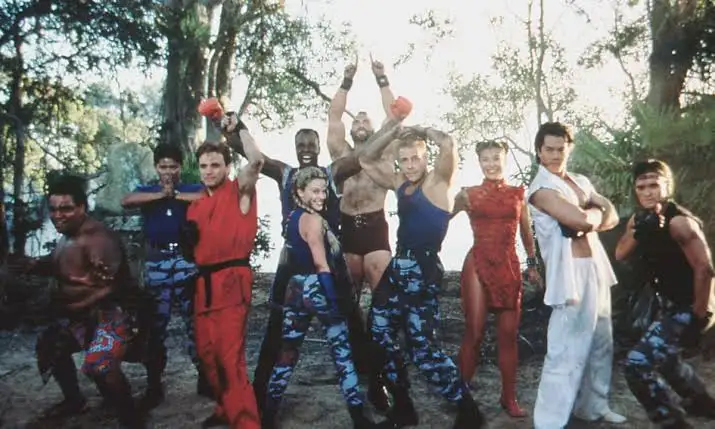
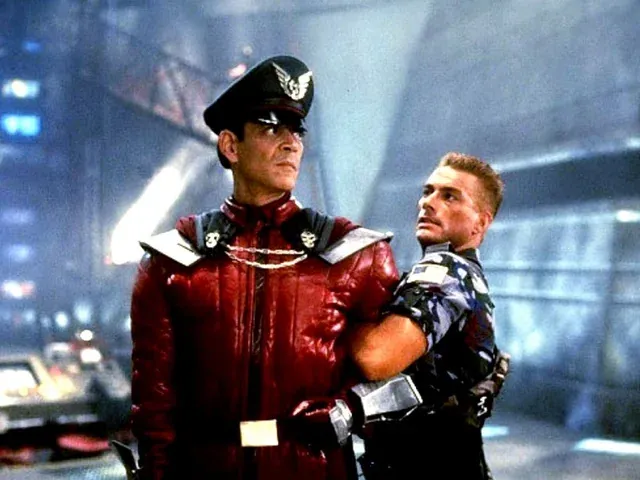
Capcom, the publisher behind Street Fighter, took a more hands-on approach, ensuring creative control over the adaptation. Director Steven E. de Souza, known for action films like Commando and The Running Man, brought a fan’s enthusiasm to the project and recognized the need to deviate from a direct game-to-film translation. While Jean-Claude Van Damme’s portrayal of Guile became iconic (albeit for a mix of reasons), and the film boasted a notable cast including Raul Julia, who delivered a memorable performance as M. Bison despite battling cancer, the plot was fundamentally altered to resemble a war film. This strategic departure from the game’s tournament structure, while sacrificing some core elements, allowed the film to function as a standalone action movie. Street Fighter achieved moderate commercial success, grossing $99.4 million against a $35 million budget, suggesting that a more adaptable narrative could resonate with audiences.
Mortal Kombat, released a year later, also achieved significant financial success, becoming the fourth video game adaptation to surpass $100 million at the box office, earning $124.7 million against a $20 million budget. However, critical reception was largely negative. Director Paul W.S. Anderson, who would later become a prominent figure in video game cinema, focused on the film’s martial arts sequences and production values, capitalizing on the immense popularity of the Mortal Kombat II game. While the film visually captured the spirit of the games, the narrative and dialogue were frequently criticized for their lack of depth and imagination. The success of Mortal Kombat was largely attributed to the pre-existing hype of the game franchise rather than a fundamentally strong cinematic story, highlighting the ongoing struggle to craft narratives that satisfied both gamers and general audiences.
The Pokémon Phenomenon: A Shift in Audience and Appeal
A significant shift in the perception of video game adaptations occurred with the release of Pokémon: The First Movie in 1998/1999. This film achieved a remarkable $172.7 million at the box office on a modest $5 million budget, largely due to its seamless integration with the already immensely popular anime series. Unlike previous adaptations that attempted to create entirely new cinematic universes, Pokémon leveraged an established animated continuity, providing a familiar and comforting experience for its massive fanbase.
The film’s narrative, while ostensibly for children, delved into surprisingly mature themes of existentialism and self-acceptance through the character of Mewtwo. This thematic depth, coupled with the universal appeal of the Pokémon franchise, allowed the movie to resonate with a broad audience, including adults. Pokémon: The First Movie demonstrated the potential of adapting existing animated media derived from video games, paving the way for a more nuanced understanding of what makes these adaptations successful. It proved that a strong emotional core and established characters could transcend the medium.
The 2000s: Tomb Raider, Resident Evil, and the Quest for Balance
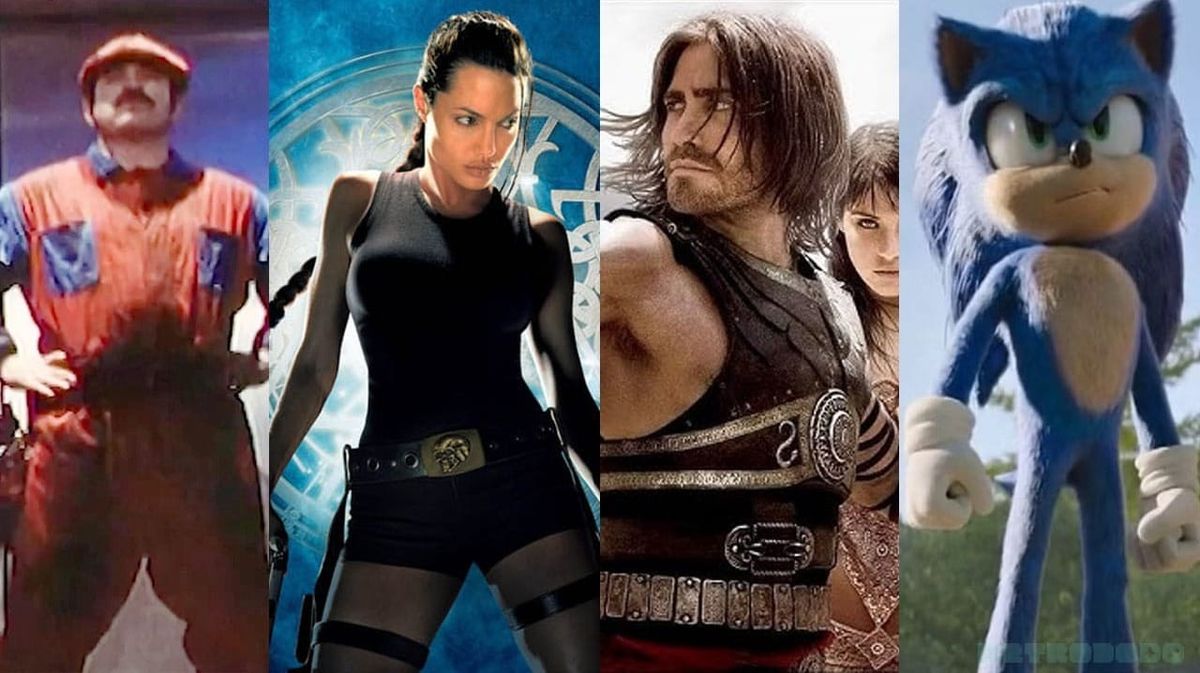
The early 2000s saw major franchises like Tomb Raider and Resident Evil make their mark, with Tomb Raider (2001) starring Angelina Jolie and Resident Evil (2002) starring Milla Jovovich. Both films were commercially successful, with Tomb Raider grossing $274.7 million worldwide against a $115 million budget, and Resident Evil earning $103 million against a $33 million budget. These successes were driven, in part, by their popular lead actresses and the established appeal of the games.
However, critical reception for both films often highlighted narrative weaknesses. Tomb Raider was praised for Jolie’s casting but criticized for a storyline that felt secondary to her performance, mirroring the perceived situation with Van Damme in Street Fighter. Resident Evil, while lauded for incorporating elements from the first three games and featuring strong production values, was often described as loud, cheesy, and chaotic, drawing comparisons to Michael Bay’s Transformers films for their reliance on action over substance.
Despite these criticisms, the Resident Evil franchise, particularly under director Paul W.S. Anderson, eventually saw significant financial returns. Resident Evil: Afterlife (2010) became the highest-grossing film in the series at the time, pulling in over $300 million globally against a $60 million budget. The cumulative box office performance of Anderson’s early Resident Evil films demonstrated a growing audience appetite for stylized action and recognizable game elements, even if critical consensus remained divided.
Prince of Persia: The Sands of Time (2010) and DOOM (2005): Varied Outcomes
Disney’s Prince of Persia: The Sands of Time (2010), with a substantial budget of $150-200 million, grossed $336.3 million worldwide. The film, based on the beloved game series, was praised for its lavish production and performances from actors like Jake Gyllenhaal and Ben Kingsley. However, it was often criticized for not fully immersing itself in the source material, feeling more like a general fantasy adventure than a dedicated video game adaptation. While a box office success, it perhaps didn’t fully satisfy the expectations of hardcore fans seeking a deeper connection to the game’s unique mechanics and lore.
In stark contrast, DOOM (2005), starring Dwayne "The Rock" Johnson, Karl Urban, and Rosamund Pike, failed to recoup its estimated $60-70 million budget, earning only around $58 million globally. The film was widely panned for its deviation from the game’s core identity, with many critics and fans lamenting that it "didn’t feel like a DOOM movie." The inclusion of a first-person shooter sequence, while technically impressive, underscored the film’s narrative shortcomings and its failure to capture the visceral, adrenaline-fueled experience of the game. This marked a significant setback for adaptations of more action-oriented, first-person shooter franchises.
The Turning Tide: Rampage and the Power of Star Power and Simplified Narratives
The release of Rampage (2018) marked a significant turning point, achieving a surprising $428 million worldwide against a $120-140 million budget. The film, based on a simple arcade game with minimal plot, succeeded largely due to the star power of Dwayne "The Rock" Johnson and a narrative that successfully blended the game’s core premise of giant monsters causing destruction with a compelling, accessible story. The filmmakers, including writer Ryan Engle, managed to capture the essence of the game while crafting a narrative that appealed to a broad audience, regardless of their familiarity with the source material. The improved CGI, thanks to companies like Weta Digital, also played a crucial role in bringing the giant creatures to life convincingly. Rampage demonstrated that even seemingly thin source material could be adapted successfully with a strong central performance and a clear, entertaining storyline.
The Animated Era: Sonic and Super Mario Achieve Unprecedented Success
The most significant evolution in video game adaptations has arguably occurred in recent years with the phenomenal success of animated features like the Sonic the Hedgehog films and The Super Mario Bros. Movie.
The Sonic the Hedgehog franchise, spearheaded by director Jeff Fowler, has been a critical and commercial triumph. The first film (2020), despite an initial controversy over Sonic’s design, was successfully redesigned and went on to gross over $319 million worldwide against a $85 million budget. Its sequel, Sonic the Hedgehog 2 (2022), further cemented the franchise’s success, earning over $405 million globally on a $110 million budget. The films expertly blend live-action and animation, feature standout performances (notably Jim Carrey as Dr. Robotnik), and strike a delicate balance between fan service and accessible storytelling. They maintain the franchise’s comedic, fast-paced nature while weaving in a compelling narrative that appeals to both long-time fans and newcomers. The combined box office for the first three Sonic films has surpassed $1.2 billion.
The pinnacle of this new era, however, has been The Super Mario Bros. Movie (2023). Directed by Aaron Horvath and Michael Jelenic, this animated feature shattered expectations, grossing over $1.3 billion worldwide against a $100 million budget, making it one of the most successful animated films and video game adaptations of all time. The film’s triumph lies in its rich utilization of decades of Mario lore and spin-off games, allowing for a vibrant and detailed world filled with recognizable characters, power-ups, and iconic levels. Crucially, the movie functions as an enjoyable animated adventure for general audiences while simultaneously serving as a treasure trove of references and Easter eggs for dedicated fans. The animated format allows for the faithful recreation of fantastical elements that would be challenging or impossible in live-action, such as warp pipes and Bowser’s distinct appearance, which contrasted sharply with the 1993 live-action interpretation.
Analysis and Future Implications
The journey of video game adaptations from the critical failures of the early 1990s to the blockbuster status of recent animated features reveals a clear evolution in understanding what makes these adaptations work. Key factors contributing to this success include:
- Respect for Source Material: Modern adaptations demonstrate a greater appreciation for the established lore, characters, and tone of their source games. This often involves close collaboration with game developers and publishers.
- Strong Narrative Foundation: Unlike early attempts that struggled with thin plots, successful adaptations now prioritize compelling storytelling that can engage both existing fans and new audiences.
- Balancing Fan Service and Accessibility: The most successful films manage to include nods and Easter eggs for dedicated fans without alienating viewers unfamiliar with the games.
- Appropriate Medium: The decision to use animation for franchises like Sonic and Super Mario has proven particularly effective, allowing for the faithful recreation of fantastical worlds and characters.
- Star Power and Direction: Strong casting and skilled direction that understands the essence of the source material remain critical components.
The financial success of films like The Super Mario Bros. Movie and the Sonic the Hedgehog series has undeniably ushered in a new era of confidence for Hollywood studios looking to tap into the lucrative video game market. The upcoming live-action The Legend of Zelda film and a revival of the live-action Street Fighter franchise will be closely watched to see if they can maintain this upward trajectory.
Ultimately, the success of recent video game adaptations underscores a critical lesson: while critical reception is important, audience engagement and the ability to translate the core appeal of a game into a captivating cinematic experience are paramount. The days of audiences expecting video game movies to be inherently bad may be over, replaced by an anticipation for well-crafted, entertaining features that honor their digital origins.