Arya Paningal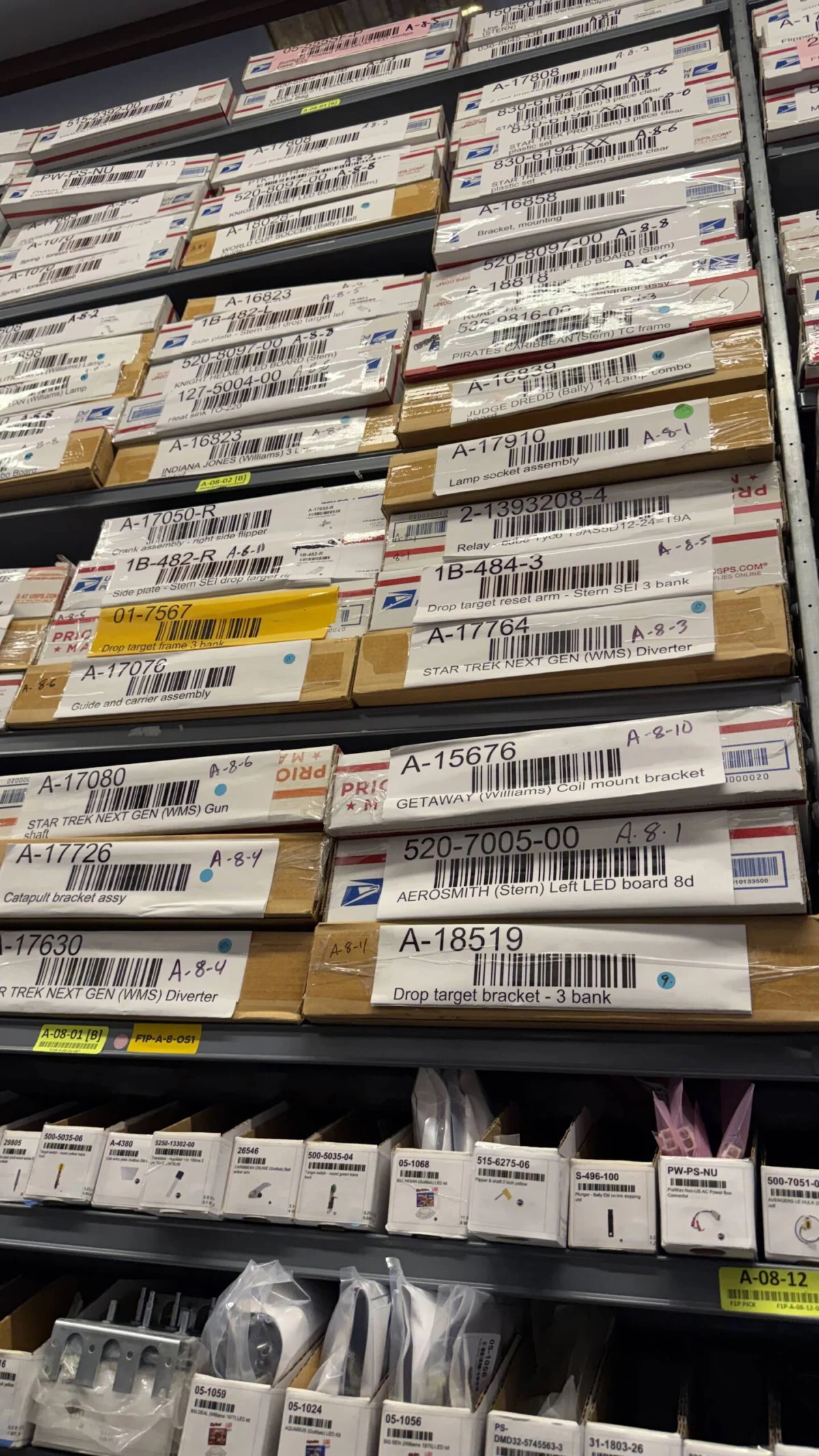
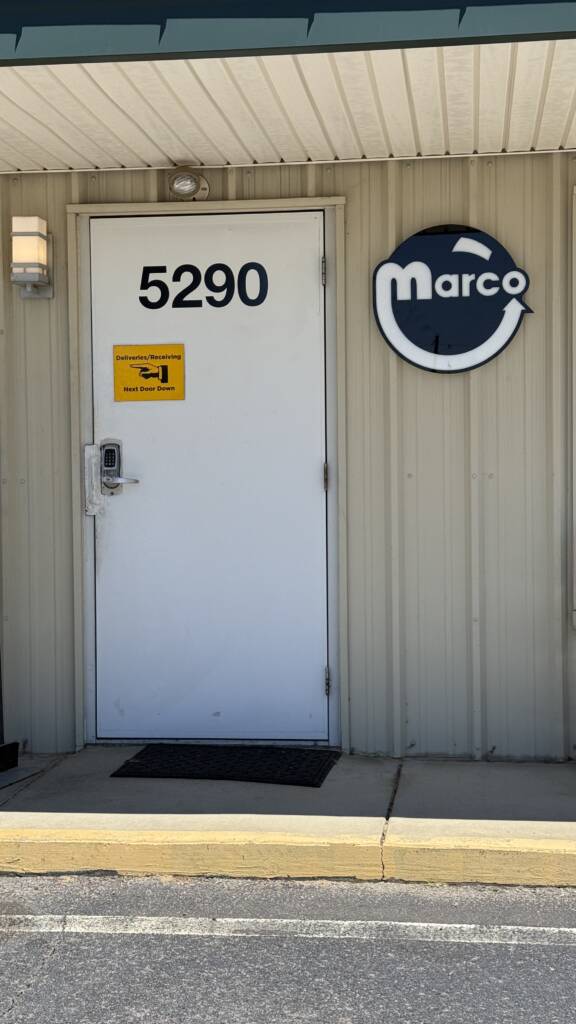
June 2026 marked a significant moment for enthusiasts and industry professionals alike, as Pinball News embarked on an in-depth exploration of Marco Specialties, a company that has quietly become the undisputed global leader in pinball parts distribution. Located at 5290 Platt Springs Road in Lexington, South Carolina, this sprawling facility is more than just a warehouse; it is the vital organ pumping lifeblood into the vintage and modern pinball machines that bring joy to millions.
A Journey into the Mecca of Pinball Parts
The initial impression upon arriving at Marco Specialties is one of organized efficiency, a stark contrast to the chaotic charm often associated with hobbyist endeavors. This is a professional operation, a testament to decades of dedication and strategic growth. The facility itself, a hub of activity, houses an astonishing inventory that fuels the passion of pinball players worldwide.
Marco Specialties was established in 1985 by Mark and Nancy Mandeltort. Initially, their business interests were diverse, encompassing luggage tags, mail-order advertisements, and arcade game operations. However, a pivotal shift occurred when they began to recognize the burgeoning potential within the pinball industry. Their entry into pinball parts was a resourceful one, born from salvaging discarded machines from local distributors. This early practice laid the foundation for a core philosophy that continues to this day: "The only bad pinball machine is a broken pinball machine." This mantra underscores their mission to preserve the longevity of pinball machines and divert them from landfills.
The company’s leadership transitioned following the unexpected passing of Mark Mandeltort at the end of 2021. His son, Paul Mandeltort, now helms the organization, with Marco Ramirez serving as Chief Operating Officer. Ramirez has been an integral part of Marco Specialties for nearly 14 years, working closely with both Mark and Nancy Mandeltort, and now Paul. This continuity of leadership, combined with a deep understanding of the pinball community’s needs, has been instrumental in the company’s sustained success.
The Genesis of a Pinball Powerhouse
The story of Marco Specialties is intrinsically linked to the evolution of the pinball industry itself. In the early days, obtaining specific parts for older machines was a significant hurdle for operators and hobbyists alike. Mark Mandeltort’s foresight in recognizing the value of salvaging and refurbishing parts laid the groundwork for a business model focused on accessibility and preservation. This proactive approach allowed Marco Specialties to amass an unparalleled inventory, becoming the go-to source for everything from rare vintage components to cutting-edge modern upgrades.
The company’s commitment to keeping games operational extends beyond mere commerce. Through initiatives like Pinball University and extensive educational content, Marco Specialties actively fosters a culture of repair and maintenance within the community. This dedication to knowledge-sharing ensures that the legacy of pinball continues to thrive for generations to come.
A Glimpse Inside the Operation
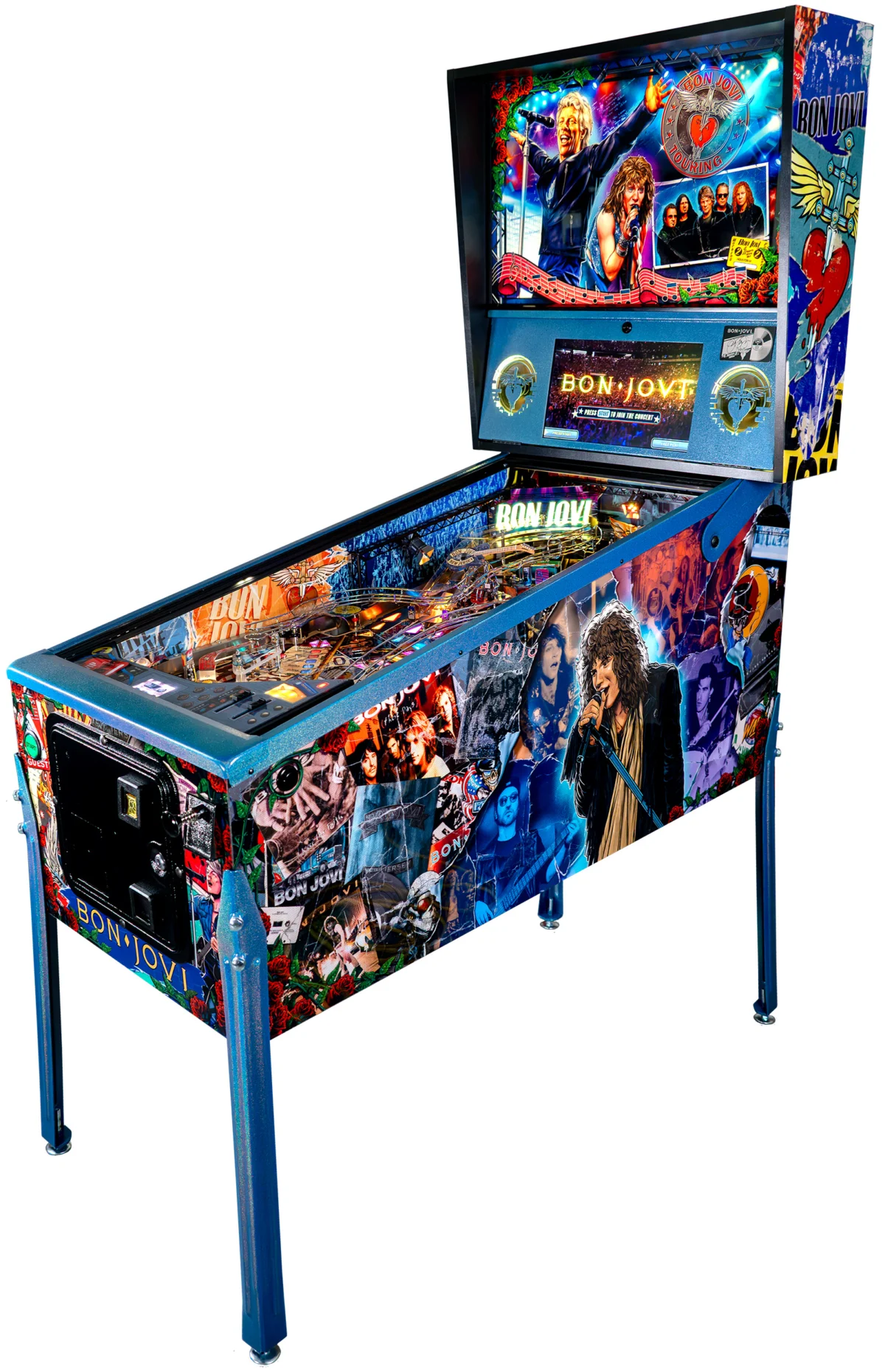
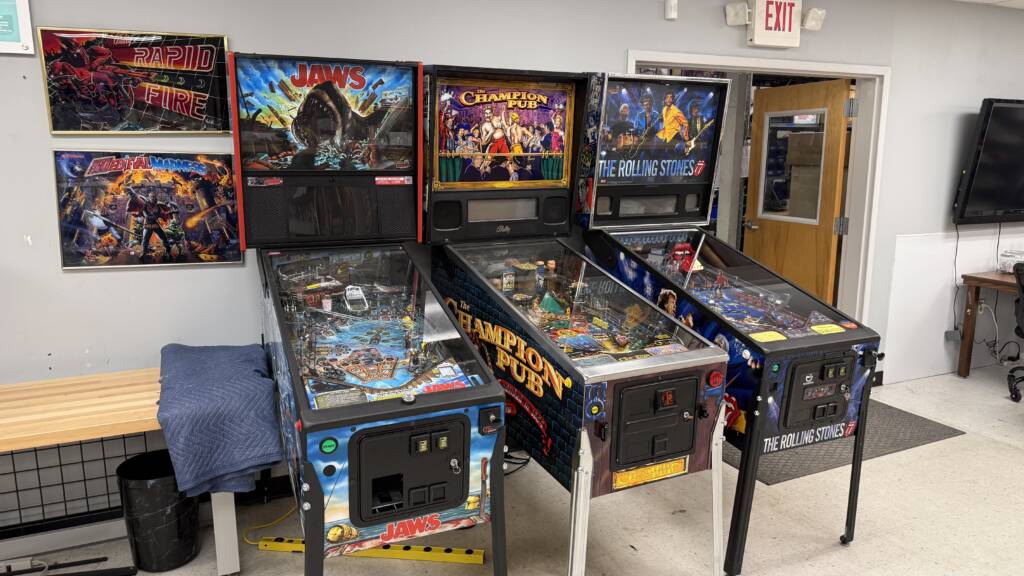
Stepping into the main office area of Marco Specialties is akin to entering a meticulously curated showroom. Here, a selection of beautifully restored classic pinball machines stand ready to find new homes, showcasing the company’s expertise in bringing vintage games back to their former glory. These machines serve as a visual testament to the quality and care that define Marco’s restoration services.
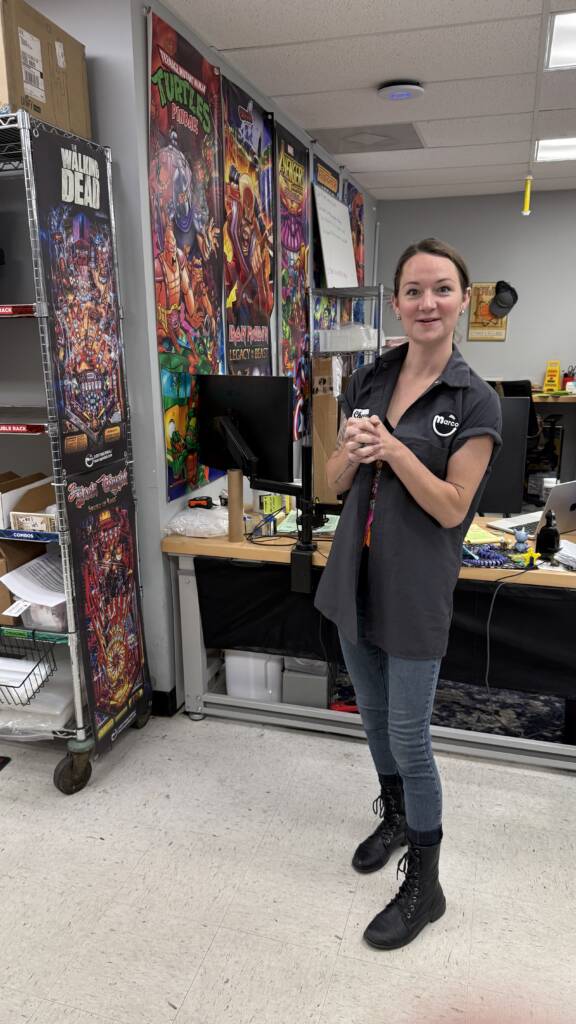
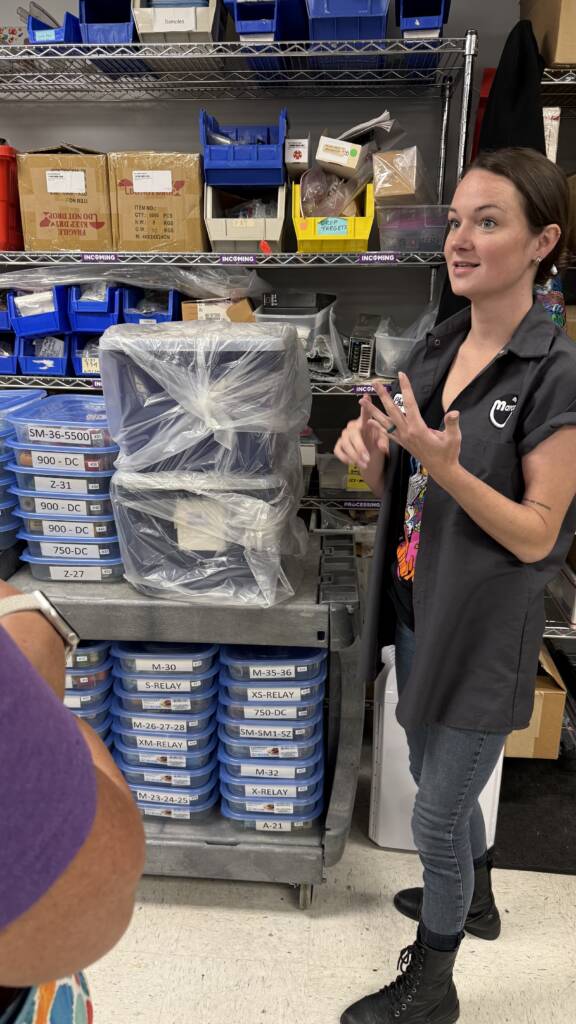
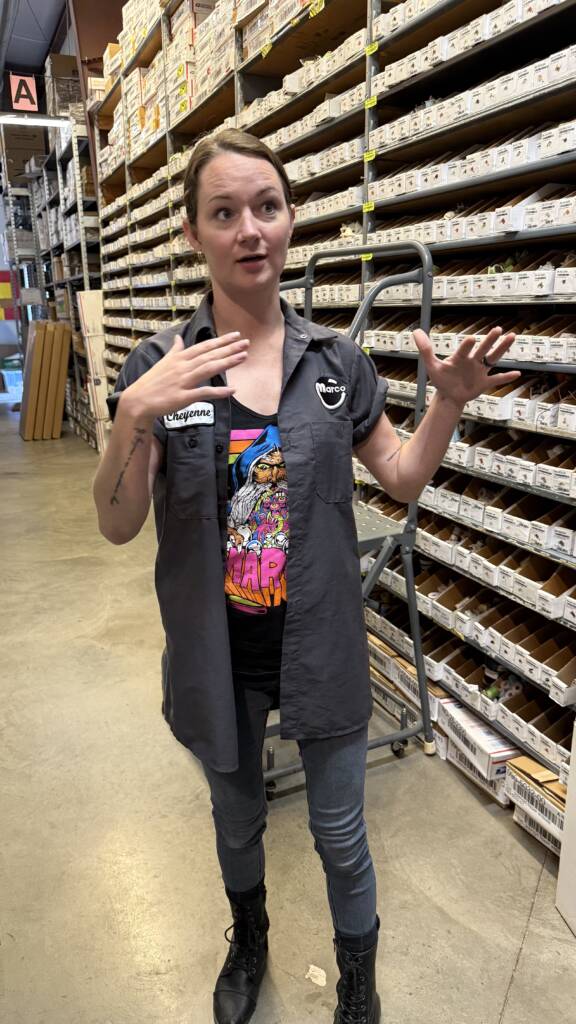
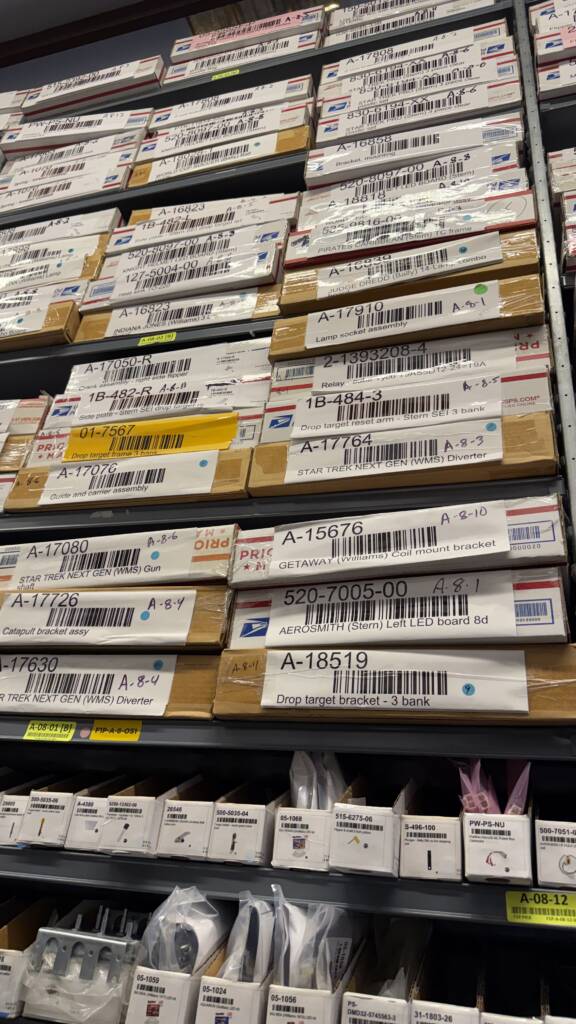
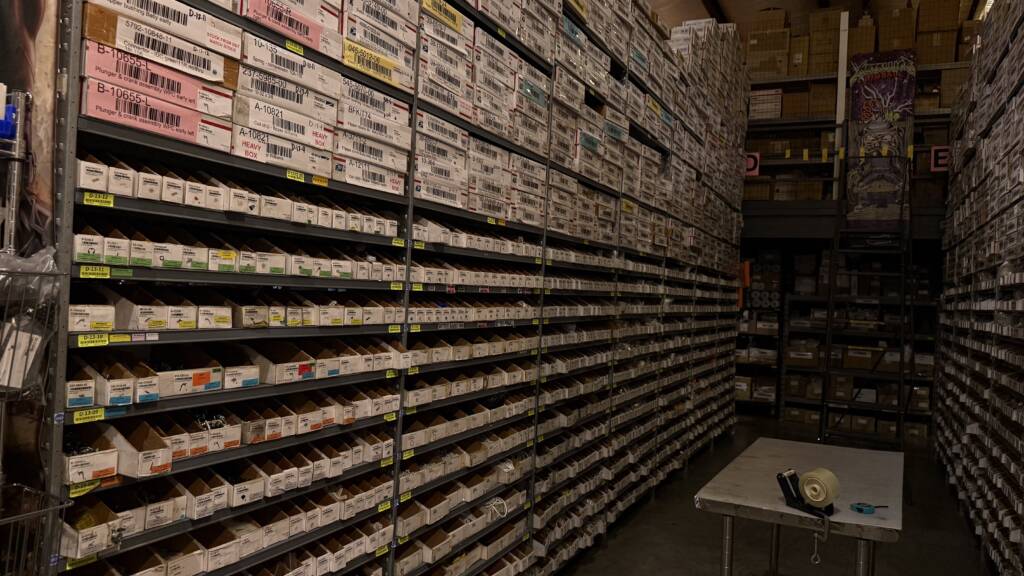
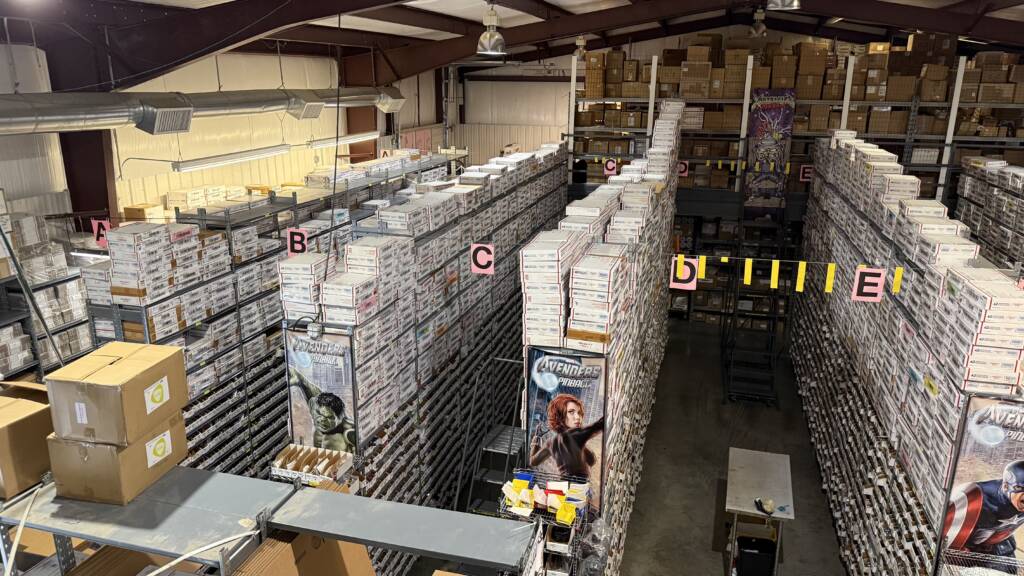
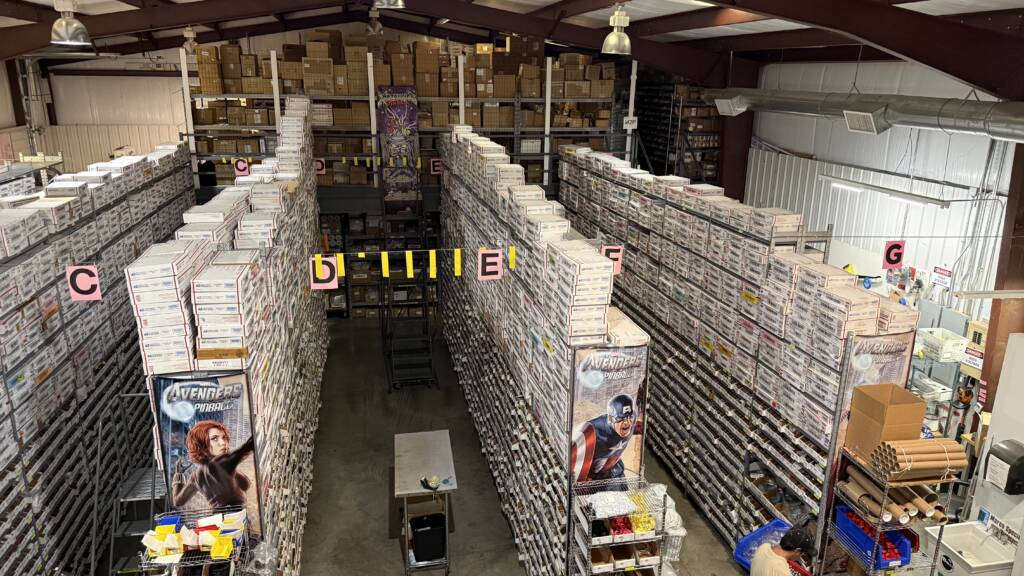
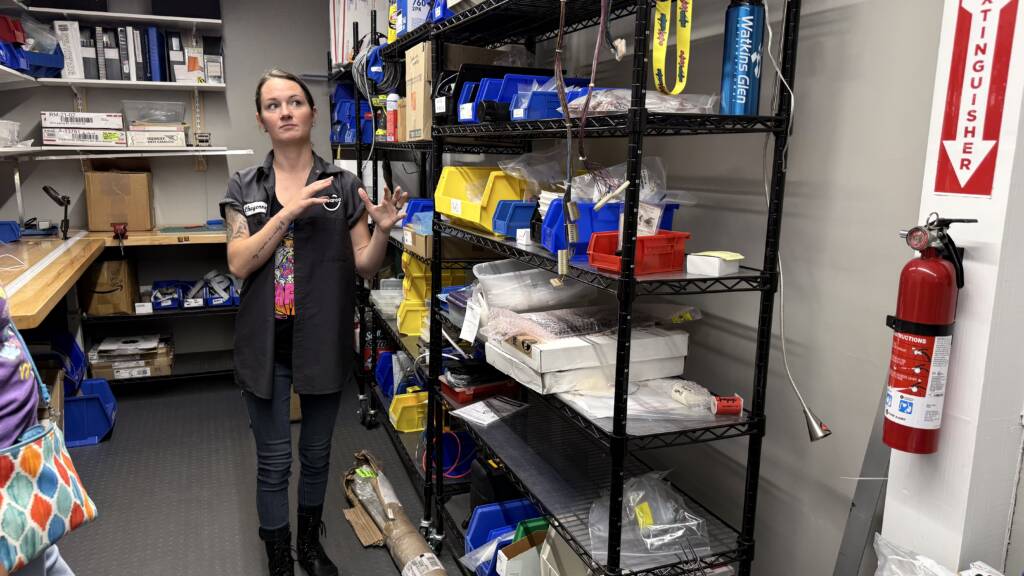
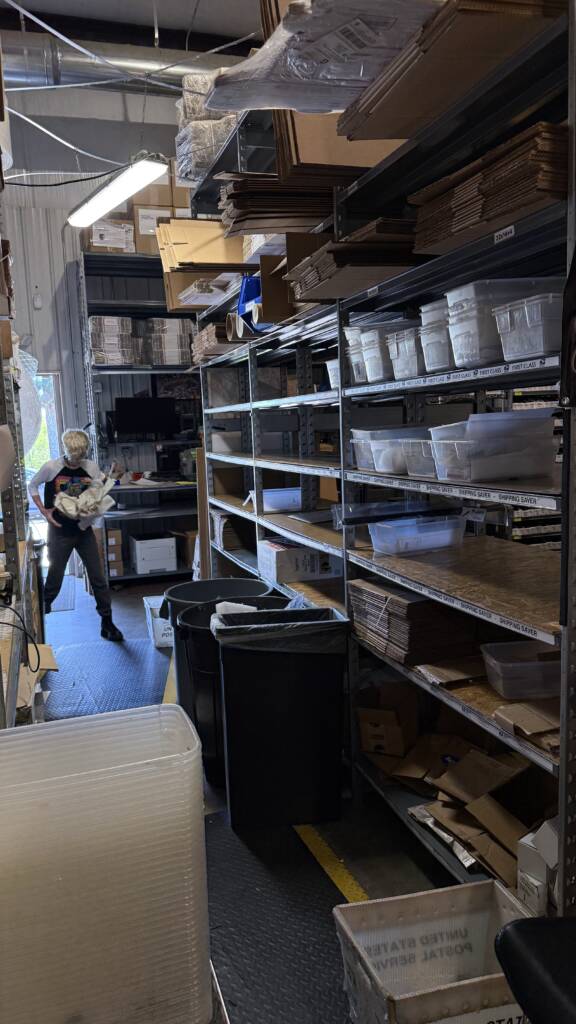
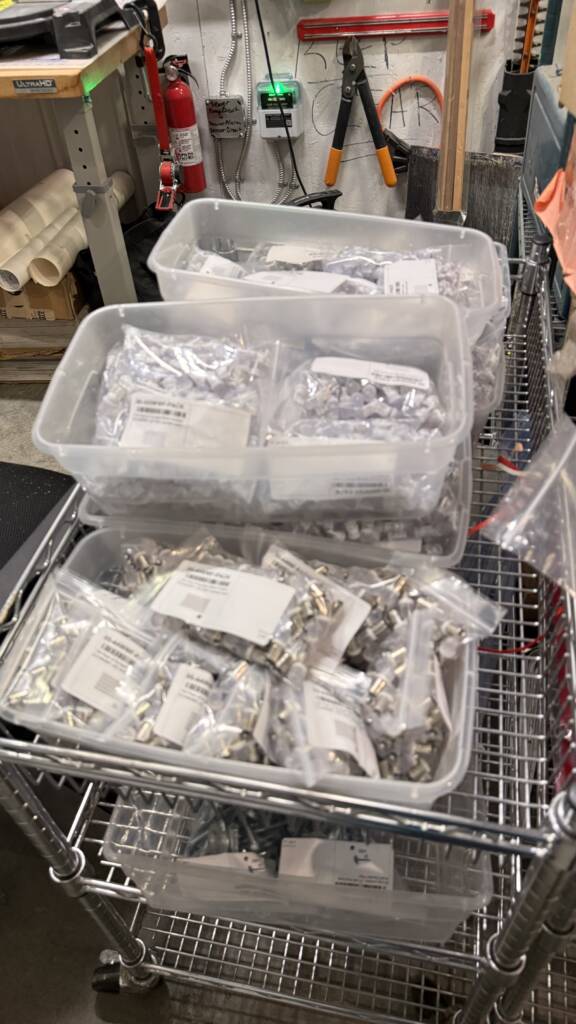
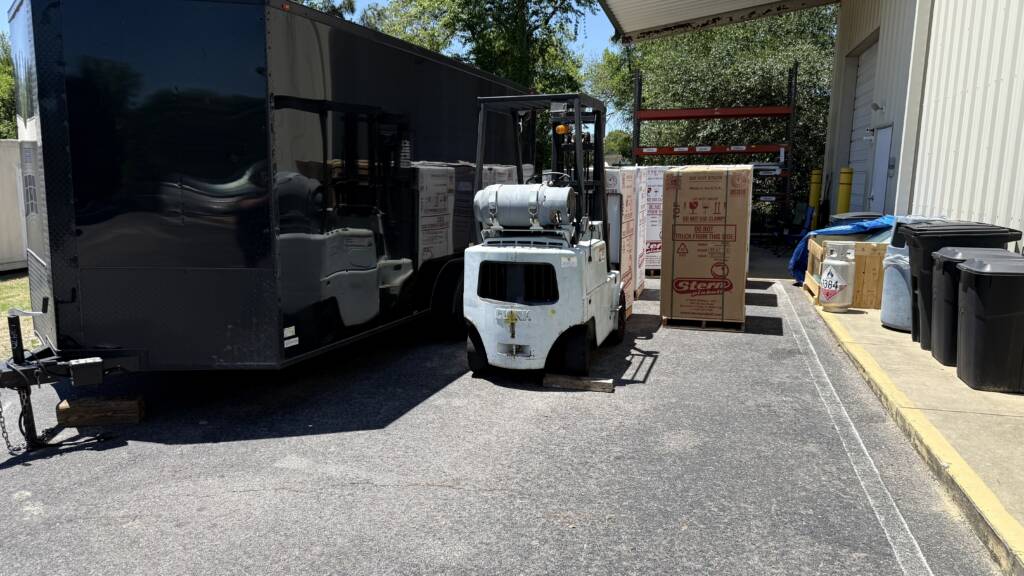
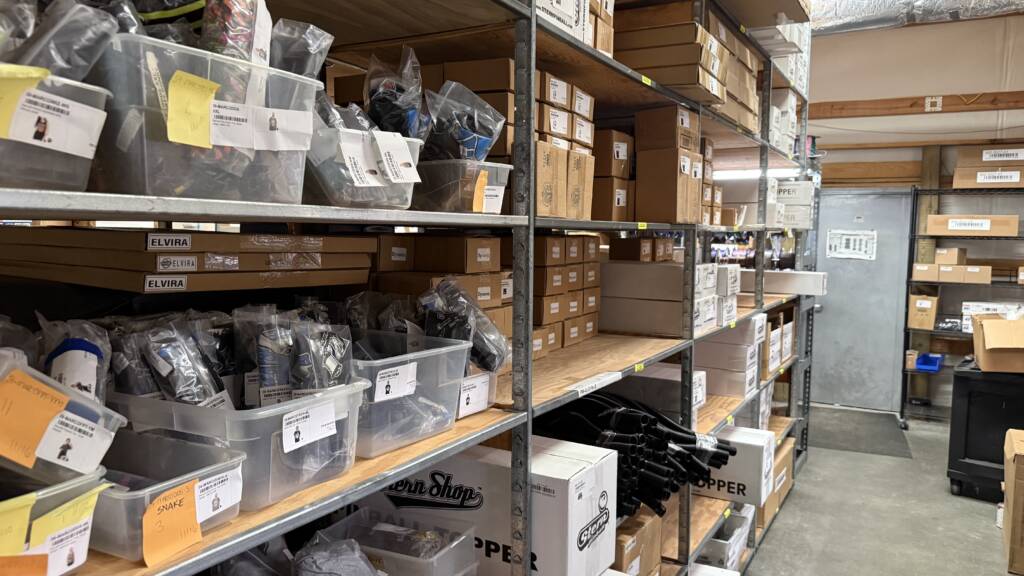
The true scale of Marco Specialties, however, is revealed within its vast warehouse. Spanning immense dimensions, the facility boasts towering shelves, some reaching up to 20 feet high, meticulously organized to house over 30,000 distinct pinball parts. This staggering inventory includes everything imaginable: rare coil sleeves from the 1970s Bally era, modern LED lighting kits, custom-designed ramps, and reproduction plastics. The sheer depth and breadth of their stock mean that if a specific part is needed to revive a beloved machine, Marco Specialties is almost certainly the place to find it.
Inventory Management: A Symphony of Precision
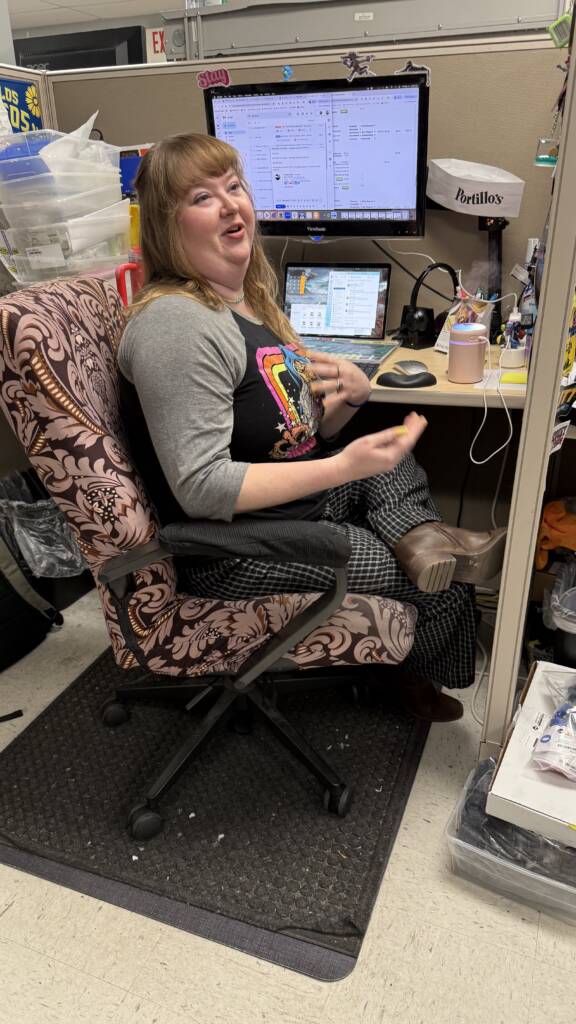
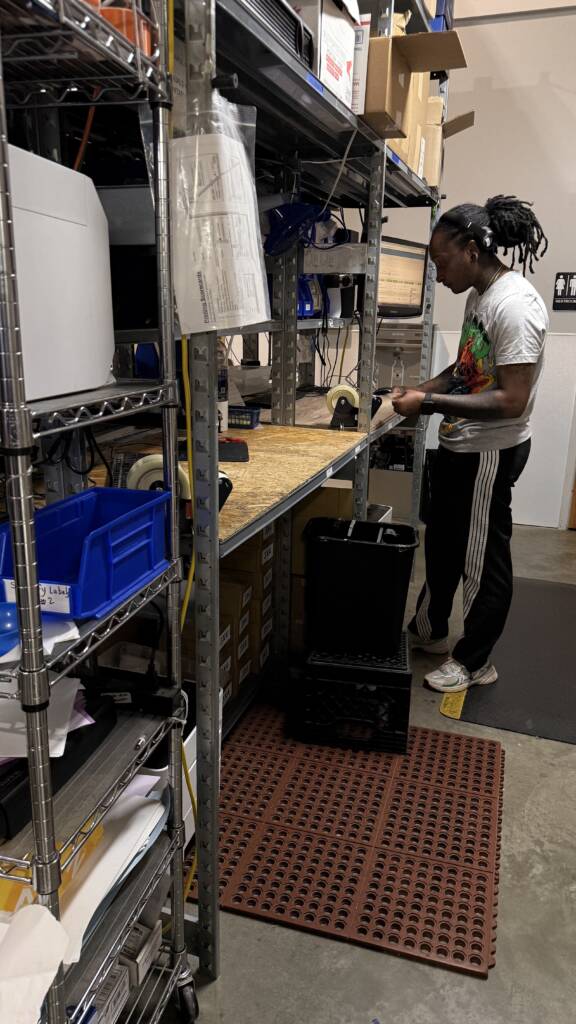
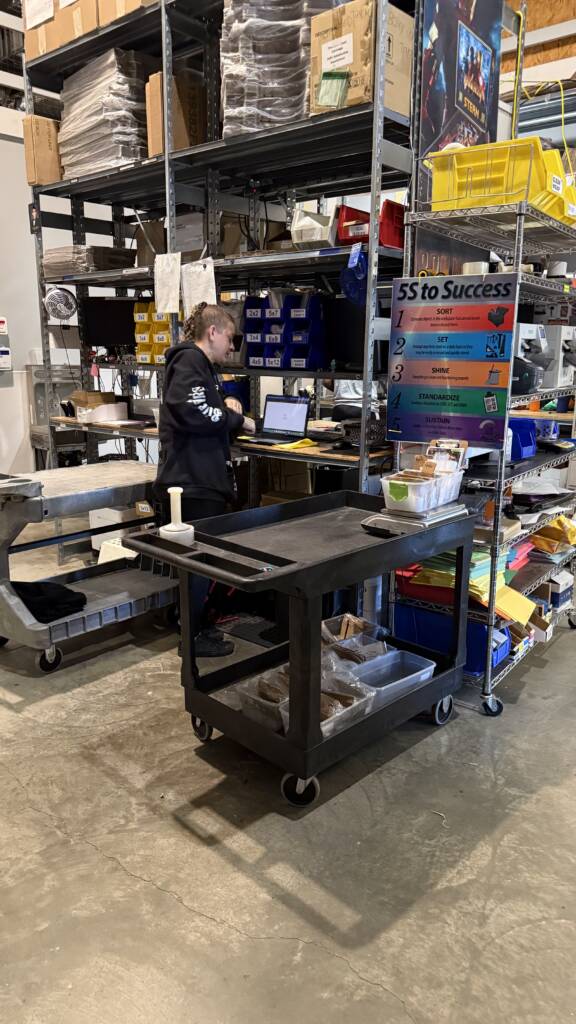
The operational efficiency within the warehouse is palpable. Staff members are observed expertly navigating the aisles, their movements precise and swift as they fulfill orders. This level of accuracy and speed is crucial in an industry where a single missing part can halt the enjoyment of a cherished game. The company’s investment in sophisticated inventory management systems ensures that even the most obscure components are readily locatable, minimizing turnaround times for customers.
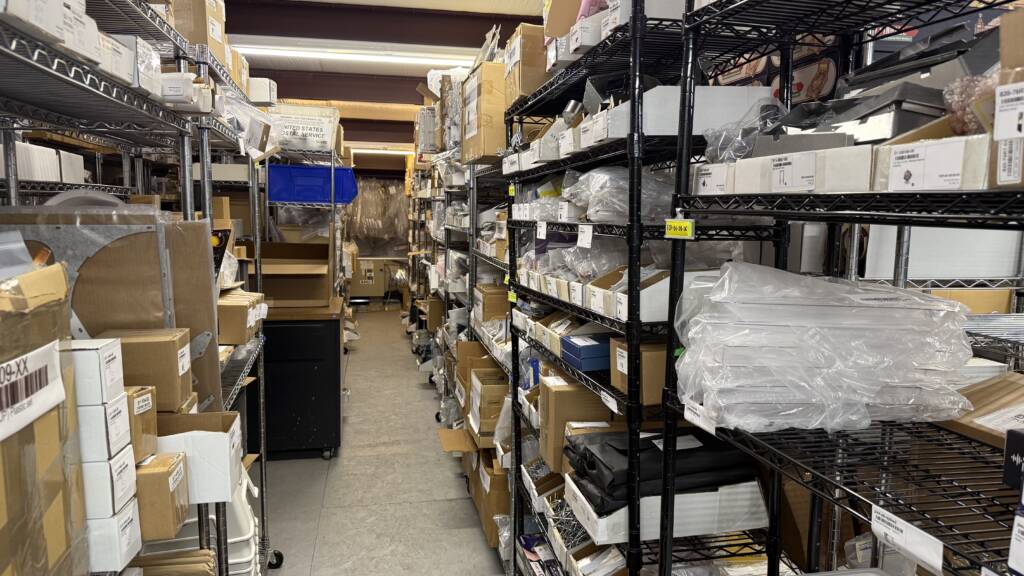
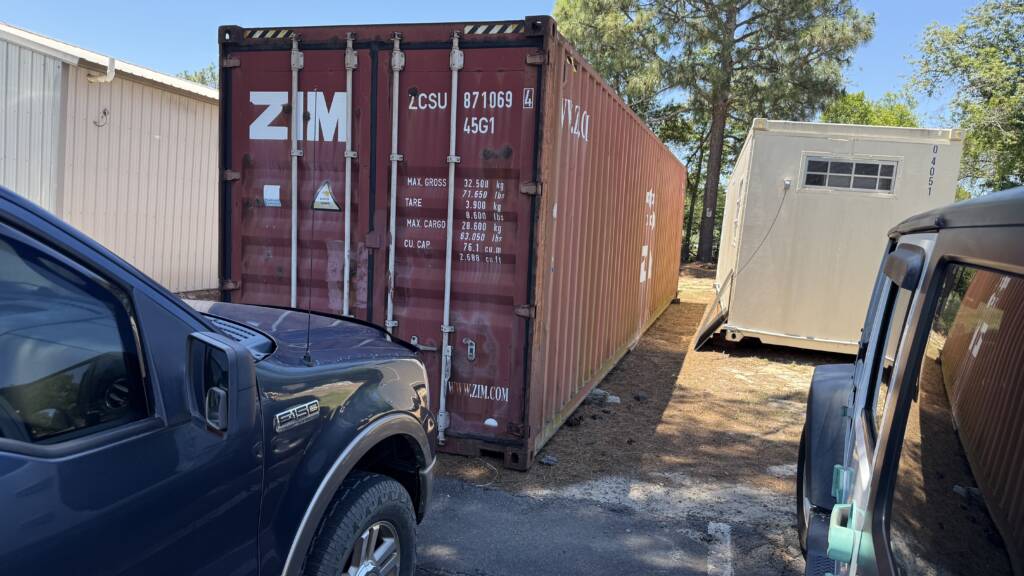
Beyond the core warehouse, Marco Specialties utilizes shipping containers for additional storage, a pragmatic solution for managing their extensive inventory. These containers are also strategically employed for transporting equipment to the numerous pinball shows and events they support across the country, demonstrating a flexible and adaptive approach to logistics.
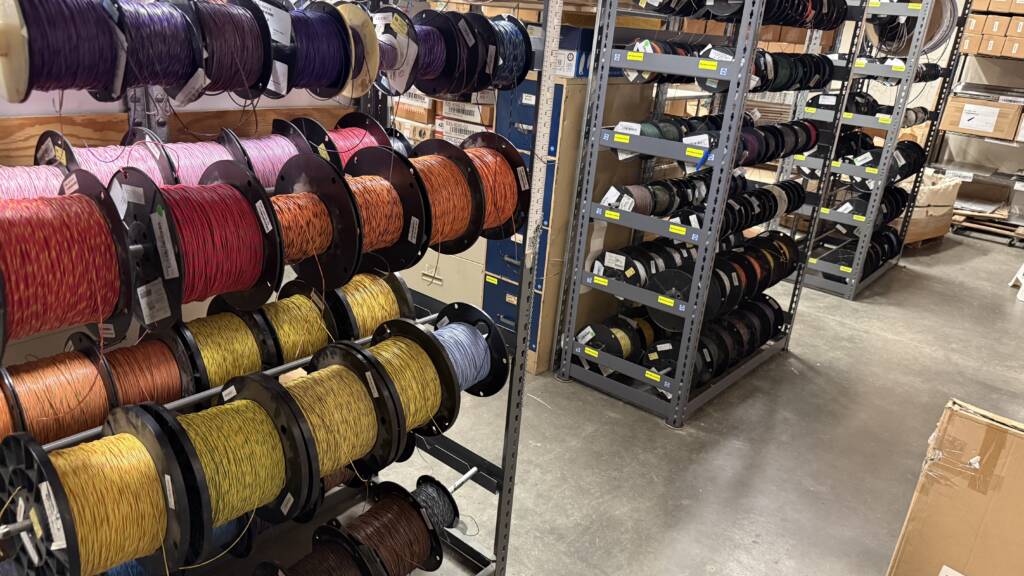
Further enhancing their capabilities, Marco Specialties maintains a separate building dedicated to bulk goods. Here, items like rolls of wire are stored and can be ordered by the foot, catering to a wide range of repair and customization needs. This level of detail in their stock and services underscores their commitment to being a comprehensive resource for the pinball community.
Beyond Parts: A Community Hub
Marco Specialties’ impact extends far beyond its role as a parts supplier. The company has actively cultivated a reputation as a genuine community hub, demonstrating a profound commitment to the growth and vitality of the pinball world. This commitment is evident in several key areas:
Event Sponsorship and Education
Marco Specialties is a consistent sponsor of major pinball events, lending crucial financial and logistical support to gatherings that bring enthusiasts together. Their involvement with Pinball University, offering educational seminars and workshops, empowers players with the knowledge and skills to maintain and repair their own machines. This proactive approach to education democratizes pinball maintenance, making it more accessible to a wider audience.
A Deep-Rooted Passion for Pinball
The dedication of the Marco Specialties team is evident in every interaction. Their passion for pinball is not merely a business strategy; it is an intrinsic part of their identity. This genuine enthusiasm shines through in their conversations about machines, the meticulous care they apply to restorations, and their unwavering willingness to source even the most elusive parts. This dedication fosters a level of trust and loyalty that is invaluable in any industry.
An Exclusive Interview with the Leaders
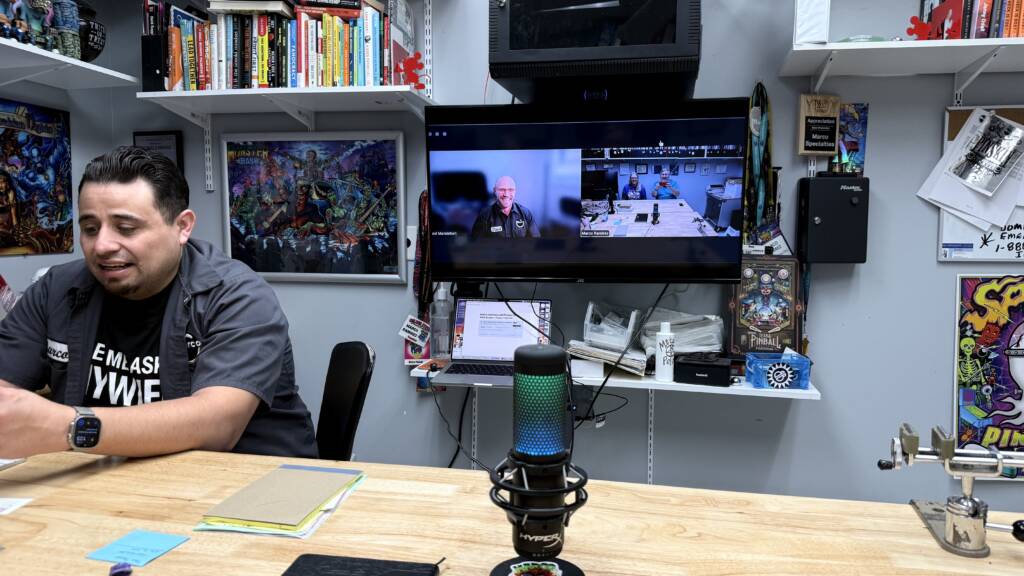
In a significant development for Pinball News, Mick and Terri Brown had the opportunity to conduct an exclusive interview with Paul Mandeltort and Marco Ramirez on May 16, 2026. This candid discussion offered unparalleled insight into the company’s history, philosophy, and future aspirations.
Mick Brown (Pinball News): "I’m Mick Brown, known as MG Brown at Pinball News, and I am the North American Correspondent for Pinball News, where I have an irregular column called PinSpotting. Terri and I travel around the USA, visiting sites and writing reviews and information helpful to people who include pinball and arcade visits in their travel. This was also the topic of a presentation I did for the 40th Pinball Expo in Chicago a couple of years ago."
Terri Brown (Pinball News): "I’m Terri Brown, and I just follow him around to all of the pin spotting locations. Behind every great pin spotter…"
Mick Brown: "She’s being modest. Terri has her own Superstars of Pinball trading card, made by Twin Galaxies. So she’s not a small player by any means."
Marco Ramirez (COO, Marco Specialties): "I’m Marco Ramirez. I’m the current COO for Marco Specialties. It’s been almost 14 years since I started doing this in November. I had the pleasure of working originally with Mark and Nancy, and once Nancy retired, Mark unfortunately passed away, but since then, Paul and I have been kind of just taking this thing and running it, and you know, Paul and I, we do this every day, and we’ve got a good team behind us. So that’s the goal – to continue to keep pinball alive and keep pinball machines out of landfills."
Paul Mandeltort (CEO, Marco Specialties): "That’s our goal. I’m Paul Mandeltort, and I am now at the helm of Marco Specialties, taking over after my father, Mark, passed unexpectedly. It’s been a long transition. Marco is my right-hand man. I keep telling him, ‘Hey, your name’s on the building, so let’s make this work.’ It’s been quite a journey. We’ve been absolutely thrilled by how far we’ve come as an organization, and I think how far the pinball community has come since we first started investing in it. It’s kind of taken on a life of its own. I’m really proud of everybody who’s really poured their hearts into this thing. Because we really had no idea where this was going to go in the beginning. Fun little tidbit, you know, my father, Mark, originally named the company Marco Specialties. 1985 is the year my sister was born, and it is also the year they founded the company. But back then, Mark had no idea what we were going to do. So that’s why they called it Marco Specialties. We kind of stumbled into pinball a few years in. We were initially doing luggage tags, mail-order ads, laundromats, and operating video games, and didn’t want to change the name. So it kind of fits a little bit of everything. Eventually, we were rummaging through the local distributor every Friday when they threw out their old pinball machines, and we’d take them out of the dumpsters, part them out, and make a set of parts. So that’s kind of what gave us the inspiration: ‘Oh, wait, these things are not getting made again, and they’re going to be collectible one day.’ That’s what started Marco Specialties. It’s been amazing to see how far it’s come since the start."
Defining Marco Specialties’ Mission
Mick Brown: "We have an International audience. My editor is based in the UK, and many people in Europe tune in to our PINcasts. Having said that, would you just give our readers who may be unfamiliar with your company a short summary of what Marco Specialties is?"
Paul Mandeltort: "Marco Specialties is here to help you keep your games up and running. All it takes is one spring, screw, or nut that you can’t find, and the game isn’t fun anymore. We always say, ‘The only bad pinball machine is a broken pinball machine.’ The company’s mission is to keep games working, help educate people on how to repair, maintain, preserve, and promote pinball in the long term."
Marco Ramirez: "Marco began as just an operation to keep games out of the landfill. We’ve grown into the broader assets. Here’s how you share pinball with other people. So we’ve made a big investment in the pinball show community in the last 10, 20 years now, really. We’ve actually met Martin quite a few times over the years. We love all the work Pinball News has been doing to support the community. One of the oldest and most trusted organizations in the pin-space. Thank you for all the work you guys have been doing. We really think it’s integral to the success of the industry you’re seeing right now."
Paul Mandeltort: "You guys are one of the key organizations there for that, for sure. And we can also support the International market. That’s becoming increasingly challenging with the way the world is going, but we’re still doing it. Shipping is very expensive. Hey, it’s 50 bucks to send an empty box across the border. A lot of people don’t know that. So we can still do it quite cost-effectively, all things considered. It’s a daily challenge we hope you understand, given what you’ve seen of our operation. We’re a small business at the end of the day, and yet we’re servicing the whole world. And we’re pretty proud of the fact that we’re able to do it at all."
The Evolving Customer Base
Mick Brown: "Who do you feel is your customer? I realize that if I’d asked that question back when I was working for Bally in the 70s, the answer would have been different. But who do you think your customer is today?"
Paul Mandeltort: "We talk about this a lot internally, and really, it comes in about three or four major buckets. The primary and most important people to us are the self-identified pinball technicians of the world, the people who specialize in repairing games. And in that category are the people who don’t yet know they’re pinball technicians, but are becoming technicians. So it’s that kind of person who can change the oil on their own car. They are the ones who see the game on the side of the road, and they take it home. They probably already have a pickup truck. So that’s the core of the industry, the backbone. Then, there are many other subgenres within the community. Obviously, the collectors, people who collect machines in any capacity, we support all of them. And they’re one of our major drivers as well. We also serve what we call the community operators, a new breed of operator emerging. Well, as you guys have been around long enough to know the history. In the ‘80s and ‘90s, the traditional operators grew into large organizations and companies, and they turned their backs on pinball because it had the lowest revenue per square foot among coin-op equipment. And so that’s a segment that we intentionally don’t market to. We still support them when we can. But at the end of the day, they are serviced by the traditional old-school parts distribution network. We focus on people who didn’t have access to pinball machine parts and who haven’t had the experience of the ‘90s. If you were to call a distributor to order parts and they’d say, ‘No, you need to open an account with us; you need three trade references, and you have to apply for a line of credit.’ That was one of the original reasons we got into the business: Mark was having a hard time finding parts for the old games we operated back in the day. Then we realized, oh, wait, if anybody has an old game in their basement from their friend whose bar shut down or whatever, it is literally impossible to get parts. We support pinball through the community, a friend, or an arcade, and they want to fix their games. We were the very first pinball e-commerce store. Our domain goes back to 1999. We’re the very first people to have a shopping cart. We’re the very first people to have a URP system in this business. We’ve always done that out of a need to serve customers in the pinball retail parts market. So that’s the areas we’ve been focusing on. And then now it’s growing. The home user community has become very important for us."
Marco Ramirez: "The hard part now is trying to stay focused because now lots of people are coming into the industry, so we have to make some tough decisions on where to prioritize them, as you know, you’ve seen we’ve got a lot going on, so it’s hard to stay focused in this realm. I’m really proud of how Marco and team are doing, and we’ve built an incredible crew that can handle the very challenging business."
Shifting Focus: From OEM to Homebrew
Terri Brown: "Your presence at pinball shows has shifted from representing Stern to collaborating with the homebrew community. What prompted that change in direction?"
Paul Mandeltort: "We feel it’s a natural growth segment. The original goal, when we first started attending these pinball shows back in the day, was to stay off-Stern but still work with them on a regular basis. We’re still one of their biggest parts distributors. And now you’ve had to look around for… We’ve never intentionally been in the game sales business. That’s a whole different market for us. What we do is out of service to the community. Back in the day, if you were to go to any show, it was literally, we go, oh, we got to get new games to shows. And so at the time our store was the only company that ships and sells any games at all. So it was a natural conclusion. We flew out to Chicago, met with Jody back in the day and John Buscaglia, and worked with the team over there to develop the demo game program, which is the first of its kind in pinball history. We’re really proud of how it’s grown and taken off, and now supported across multiple dealers. Back then, there was no dealer network. None of these things existed back then. We helped put all that stuff in place. Now, the show program has advanced to the point where everyone can enjoy the games. The mission has been accomplished. We get new games for the shows, which really support the community. We are now growing to bring the next cohort of people, which we’re really excited about, the homebrew people. We’re building on the success of encouraging Stern. We are really thrilled that Stern is now supporting the community, and we continue to help and build those partnerships and, more importantly, at a scalable level that we can continue to support. Because the reality was, with our small team, you know, there are at least 20 significant major shows around the country and dozens more smaller ones. It’s physically impossible for us to have a physical presence on all these shows. We had to find a way to grow that. We worked with Stern to develop the partnership program. Now Stern can work directly with local dealers. We also support the dealers, and we’re still on site, still lending a hand when we can. But from the get-go, it was a net-zero-revenue opportunity for everyone involved. It was expensive to move equipment around between shows. It was really just to service the community. Now we’re just taking that and building the next level with the homebrew community as well. We love that Stern is now going to TPF, and we were just at Midwest Gaming Classic in Milwaukee. Typically, there are over 50 brand-new machines at the major shows. It’s absolutely incredible. It’s never happened in the history of pinball ever. It’s really, really cool to see that now; we’re really proud of that."
Marco Ramirez: "As part of this whole thing with the community, one of the things we use the homebrew segment for is a recruiting ground for us. We have recently hired people from the homebrew community over the last two years. We have started working with many vendors and creators in that space. Aaron from Fast Pinball is a good example. We’re doing a lot of collaborative work with these guys. That’s also, in our opinion, the future of our industry. When you talk about a designer from a design standpoint, that’s where your Scott Danesis, your Keith Elwins, and your Mark Seidens come from: the homebrew side. Ernie as well – Ernie Silverberg, who’s now our product director here at Marco Specialties."
Paul Mandeltort: "The homebrew scene is cultivating, and it’s ushering in the next era of pinball designers who get a chance to work with some of these OEMs. It’s very exciting, and we take pride in helping move it forward, not just for them but for the pin community as a whole."
Terri Brown: "So your goal is to have a distributed model of talent that can kind of plug in with larger companies, rather than being hired and on staff, and only doing that?"
Marco Ramirez: "Ironically, it turns into this ecosystem of networking. Communities within these other OEMs and manufacturing with toppers and different aspects of pinball in general, but absolutely, it’s a huge networking and opportunity builder for the community. If you look at these homebrew games from five years ago to what they are now, some of them are OEM-level machines. They’re definitely pushing the envelope in their own way. One thing that I really noticed last year at the Expo in Chicago is that you’re also introducing a lot of artists into pinball. Some of these homebrew guys are starting to hire artists to do commission work for their machines, and that’s another way to bring more people into pinball."
Top-Selling Items and Product Development
Terri Brown: "So what are your top-selling items?"
Marco Ramirez: "Pinballs, the actual physical ball, and probably rubber kits and electronic displays for the games are our core essentials. We have our own brands for all three products: Silver Jets and PRW (Pinball Rubber Works). It’s a formula developed by Mark, Nancy, and Paul. We also have the Pinscore brand. We have our own display brand. So we have several in-house brands that are staples. The other one would be coils, the PinCoil line as well. We look at all the data. Also, historically, we consider ourselves experts in the industry. We have a lot between Paul and everybody. We’ve got over 100 years of pinball experience. And we look at what customers want, what consumers need. We also look at how to modify them or improve them. That’s something we do, engineering on that side of the house, to make sure the customer is getting not just the pinball part, but the best part they’re going to get anywhere. Paul, have you got anything to add to that?"
Paul Mandeltort: "Yeah, I mean, things that make the game break are usually what make people pick up the phone and call us. Rubbers are the most common ones. Then the mission is to be the one-stop shop for all their little odds and ends, especially with a broad collection of games. And so we have over 50,000 products and kits all said and done. We have spent years developing systems and techniques just to keep up with all this stuff."
Marco Ramirez: "Rubbers, because they break eventually, and of course, we’ve been spending engineering effort to get better and better durability and reliability, and have several other product lines there as well. At the end of the day, the stuff getting hit by the ball, that’s what’s going to break. That’s generally what people need to buy regularly. We try to make the ordering process as easy and seamless as possible while also making the parts more durable. If something’s breaking a lot, we’ll try to get a better version engineered that maybe the OEM didn’t want to spend as much money on. Now that the games are worth more, some people are willing to spend a little bit more money on replacement parts."
Paul Mandeltort: "The economics have shifted on that; a lot of people give OEMs heat for cheaping out, but the reality is their margins are still really low, and they have to cut costs where they can. Otherwise, they won’t be in business. I’ve seen all sides of this process; I can empathize. And though it’s hard to engineer and develop reliable systems, we spend a good deal of time engineering better parts. It’s really hard just to get one part right, let alone all of them. So every day it’s a project, and we have a list, literally thousands of things that we want to do. It’s a never-ending battle."
Innovation and "Unobtanium" Parts
Terri Brown: "It’s a balance between getting them while they’re at this price as opposed to waiting and buying more later, and you never know what’s coming at that price."
Paul Mandeltort: "A lot of people panicked and bought when the tariffs happened, right? Oh crap, it’s going to go up even more. And then you’re stuck with all this expensive stuff, and later it got cheaper. It’s tricky. Now the new thing is the oil price. That means freight prices will rise significantly. That’s another thing, it’s basically a tariff. There are many externalities we’re dealing with."
Mick Brown: "Friday, typically, at least in the industry that I was in, people like to knock off early on Friday. But if I could just ask both of you one more question, and we’ll get out of your hair. Could you share a brief, entertaining, or interesting story about an interaction with a customer? A story that would put a smile on somebody’s face."
Marco Ramirez: "So when I first got in, I actually volunteered to be on the phones to start talking to customers. What I realized immediately was that a lot of the customers who call are very experienced. You can’t really talk your way out of not knowing the answer to those customers’ questions. At the same time, it was apparent that many new people had been introduced to pinball ownership. One particular customer called me up, very annoyed, and wanted me to even drive up to him. He was in the Delaware area. ‘We’re going to throw it in the landfill, blah, blah, blah.’ I talked him down and had a conversation with him. Finally, I was like, ‘What are you trying to do?’ He was trying to search for a short in a wire. He said, ‘I don’t understand how you guys can work on these machines? It’s very hard to get to the bottom of this wire.’ I ask, ‘What are you doing?’ He says, ‘This area where I’m working through is so small. How can anybody fit through it?’ It turns out that he was trying to work on his game through the coin door! I finally realized that, and I immediately went online. Found the YouTube video with Todd Tuckey showing how to work on a game. I knew the essential basics of taking the lock bar off and all that, but I figured this guy would probably get a kick out of this video. So I sent it to him, and about an hour later, he called back, and he said, ‘I am such an idiot!’ He and I just laughed about it. I told Mark the story, and he said, ‘Unfortunately, he’s not the first person to do this, just so you know.’ About a year later, the same customer emailed me because he ordered some plastic sets from us. The customer says, ‘I don’t know what you guys did to these plastics. These things are so horrible. They’re so hazy. They’ve even got burn marks on them.’ I said, ‘Send me a picture. Let me look at it.’ He sent me the picture. I said, ‘Well, you know, there’s a peel-off protective film on the front and the backside of these things.’ But he had already installed them all in the game, thinking that if he installed them, they would look better. Unfortunately, they did not. I got a chance to meet this customer at the Allentown Pinball Festival, probably about six or seven years ago. He introduced himself to me. He’s like, ‘I’m the guy who tried to work on his game from his coin door.’ I immediately knew exactly who that was."
Paul Mandeltort: "Yeah, it’s funny, I just remembered, and actually, to answer one of your earlier questions, one of the very few non-pinball parts we did in recent years is we got the belts made for ice Cold beer for the mechanism that makes the rail go up and down. There are these belts that nobody had anywhere, and so we sold them, and I can’t remember. I don’t think I was on the phone at the time, but I was in the office. I think Steve or somebody had handled it. But the customer calls, furious. ‘It’s a belt. It’s too small; I sent for two of them. It’s crap.’ The guy’s pretty annoyed. I guess he’s under a lot of pressure or whatever. We’re going back and forth. How is this possible? What’s going on? We’re going back and forth. Finally, I think Mark says, ‘Have him take it out of the bag.’ He pulls it out of the bag, and all of a sudden, the phone goes quiet. The belt was just folded over. It was probably a decade ago, and I don’t remember how it wrapped up. I think eventually he was fine, but it’s just like, okay, guys."
Terri Brown: "Yeah, it’s good that you guys were there because you fixed the problem and you kept the game from going into the river."
Paul Mandeltort: "Those interactions are what keep us going at the end of the day. Many companies are trying to eliminate their customer service teams. We’re doubling down on it because we know that every time we talk to somebody, we help inspire them. We learn about new problems that they’re having. And it also just gives us a lot of energy to keep on doing what we’re doing. It’s just the future."
The Role of PinTech Live
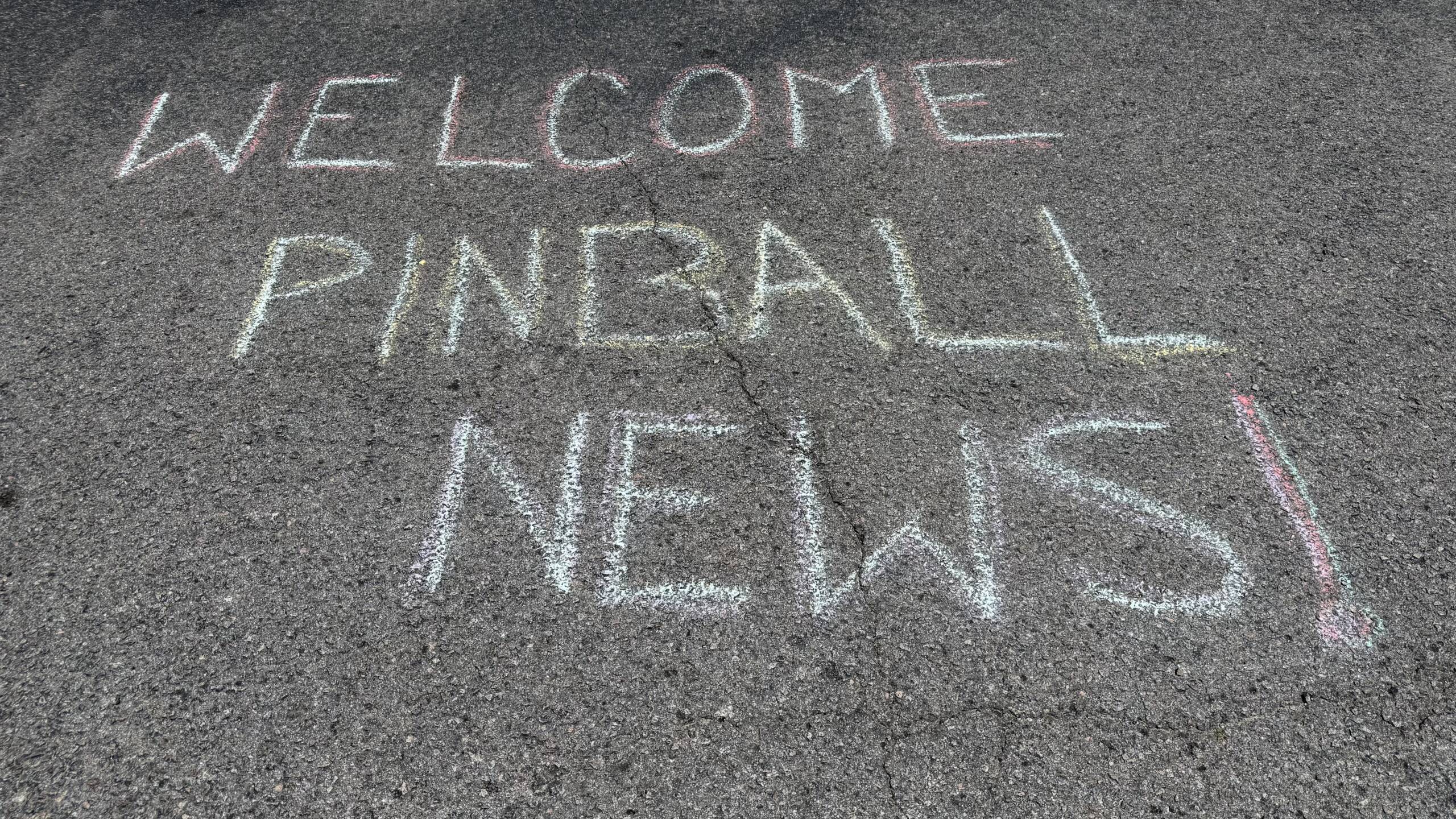
Mick Brown: "Everyone’s time is valuable these days, and thank you again for accommodating us on short notice. We also appreciated the greeting out front. Hopefully, we can use it for the featured photo for my article."
Marco Ramirez: "Thank you, guys, for coming in."
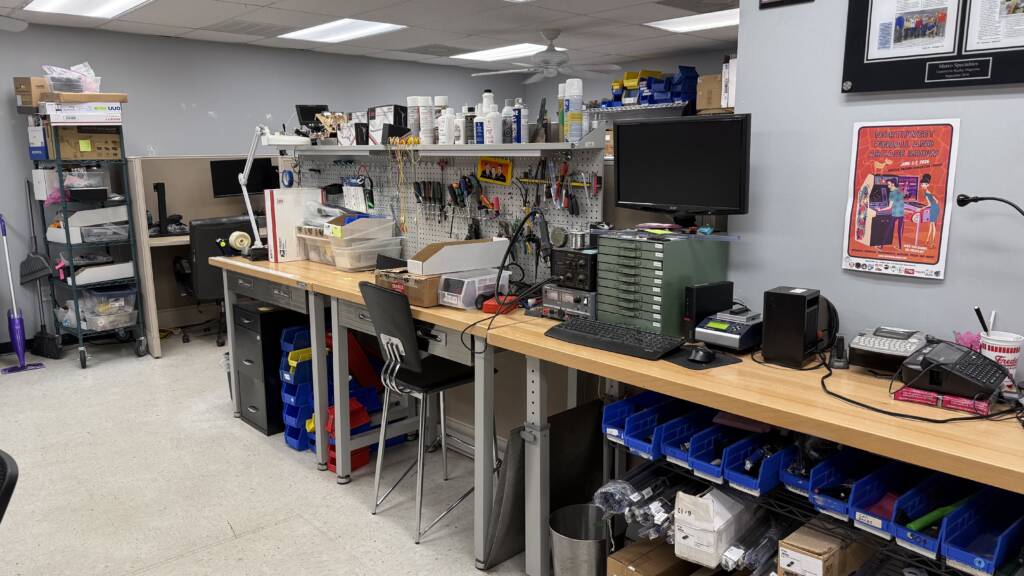
Paul Mandeltort: "Anytime you’re in the area, you’re more than welcome to visit us. We have a whole studio area that Imoto and Kyle use to film. It’s essentially our game room, with all our demo pinball machines set up. That’s in a different location; It’s about two or three miles from here."
Marco Ramirez: "Paul and I have this conversation every week. We need another building. We need another building. You know, so we…just keep buying containers."
Paul Mandeltort: "They’re really inexpensive these days. Stack them high, make them wide. Yeah, we’re thinking of putting a little swimming pool in one. LOL"
Conclusion: A Legacy of Passion and Preservation
Marco Specialties stands as a beacon for the pinball community, a testament to the power of passion, dedication, and a forward-thinking business model. Their unwavering commitment to preserving the history of pinball while embracing its future ensures that the thrill of the game will continue to captivate enthusiasts for generations to come. The company’s journey from a small operation salvaging old machines to a global leader in parts distribution is an inspiring narrative of how a niche passion can evolve into a thriving, impactful enterprise. For anyone who has ever flipped a pinball, Marco Specialties is more than just a supplier; they are indispensable allies in the enduring quest to keep the magic of pinball alive.