Ganda Hendra Perkasa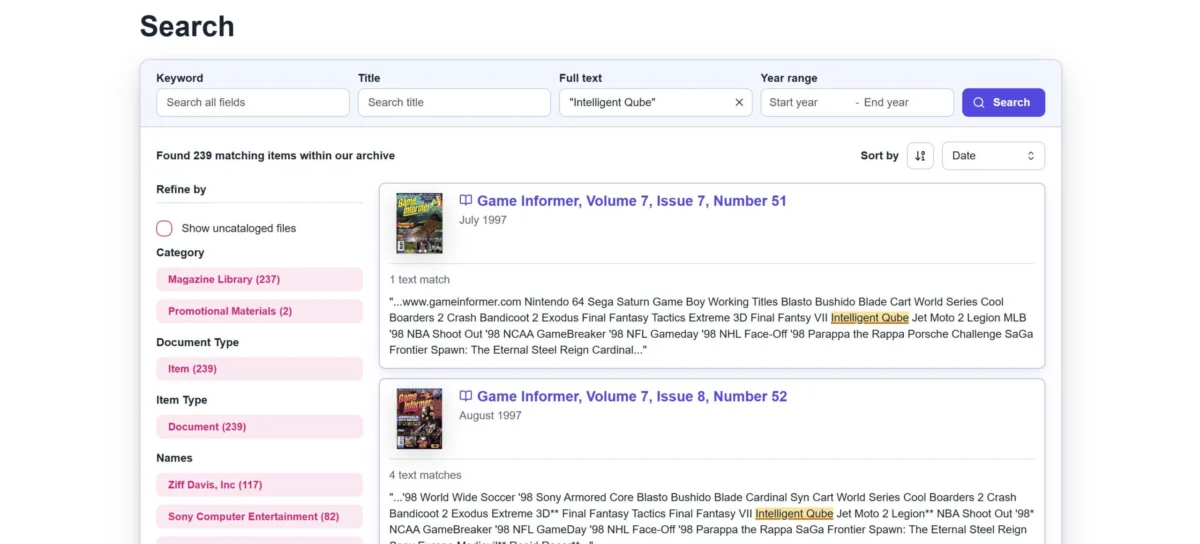
The International Center for the History of Electronic Games (ICHEG) today announced the launch of a significantly updated version of its digital archive platform, a move poised to revolutionize how researchers, enthusiasts, and the public engage with a vast collection of video game history. The overhaul, driven by extensive user feedback, introduces a suite of improvements designed to streamline navigation, enhance visual clarity, and expedite information retrieval. This marks a crucial step in ICHEG’s ongoing mission to preserve and provide access to the rich, and often ephemeral, history of electronic entertainment.
A Foundation Built on User-Centric Design
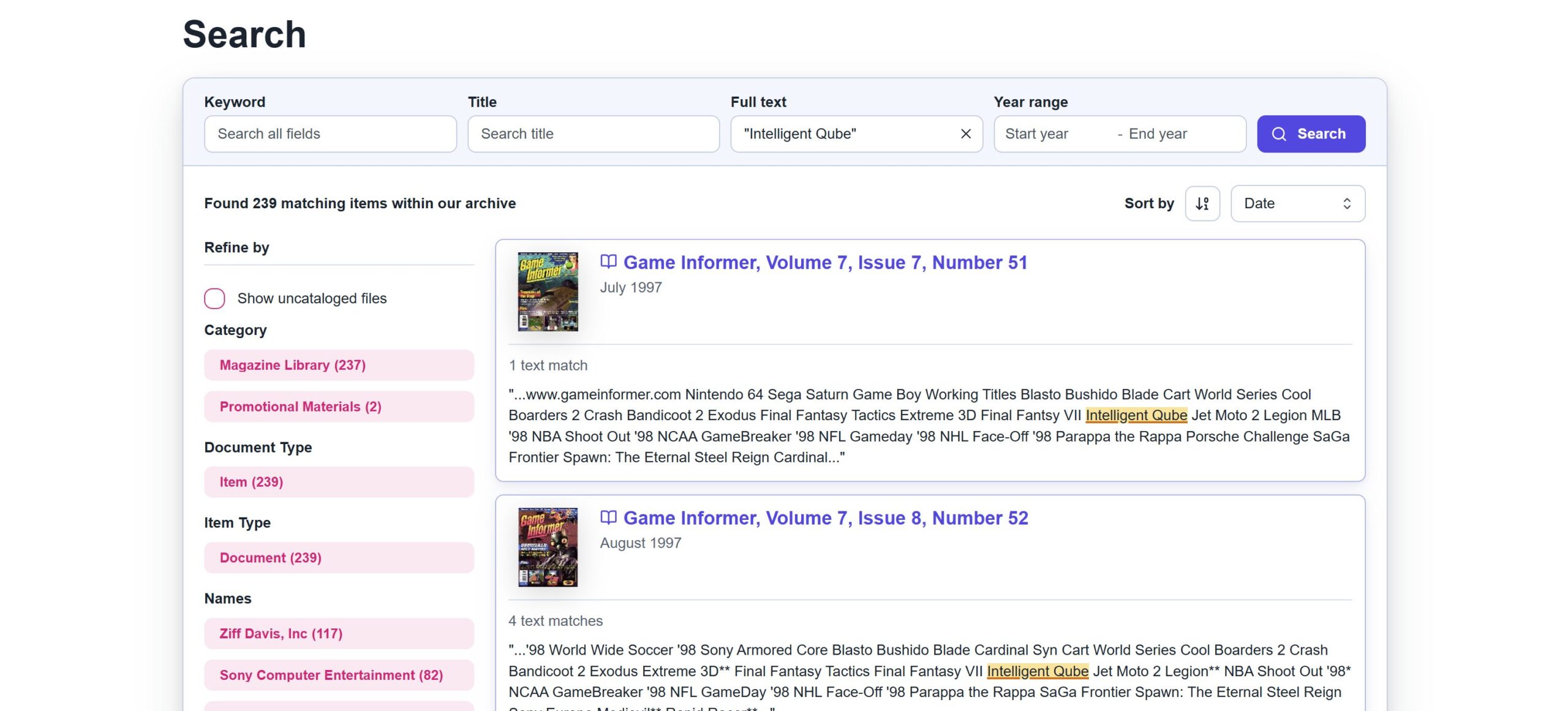
The core of this update lies in a complete rebuilding of the digital archive’s user interface. Developers have meticulously redesigned the platform from the ground up, prioritizing an intuitive and efficient browsing experience. A key enhancement is the expansion of image thumbnails. These larger, more prominent visuals serve a dual purpose: they offer a clearer immediate identification of the content being viewed and provide a distinct visual cue to differentiate between folders and individual files within the archive. This visual upgrade is particularly significant for a platform that houses a multitude of artifacts, from digitized magazine covers and scanned game manuals to intricate design documents.
Beyond visual improvements, the new interface boasts substantial performance gains. Users will experience faster loading times across the platform, a critical factor in maintaining engagement with complex digital archives. The implementation of improved loading states provides clearer feedback during data retrieval, reducing user frustration. Furthermore, the platform now demonstrates a more robust ability to track user navigation, allowing for seamless movement between different sections and pages without the disorientation that can plague complex digital environments. This attention to user experience is not merely cosmetic; it directly impacts the accessibility and usability of invaluable historical data.
Enhanced Search Capabilities for Deeper Exploration
Recognizing that discovery is a cornerstone of archival research, ICHEG has also significantly bolstered the platform’s search functionality. The updated search interface now provides considerably more context for keyword queries. A standout feature is the expanded "snippet view," which displays approximately four times more surrounding text around matching keywords. This substantial increase in contextual information allows users to more rapidly assess the relevance of search results without needing to open each individual document. For researchers delving into specific topics, such as the development of a particular game or the evolution of a gaming magazine’s editorial content, this enhanced snippet view can dramatically accelerate the research process, saving invaluable time and effort.
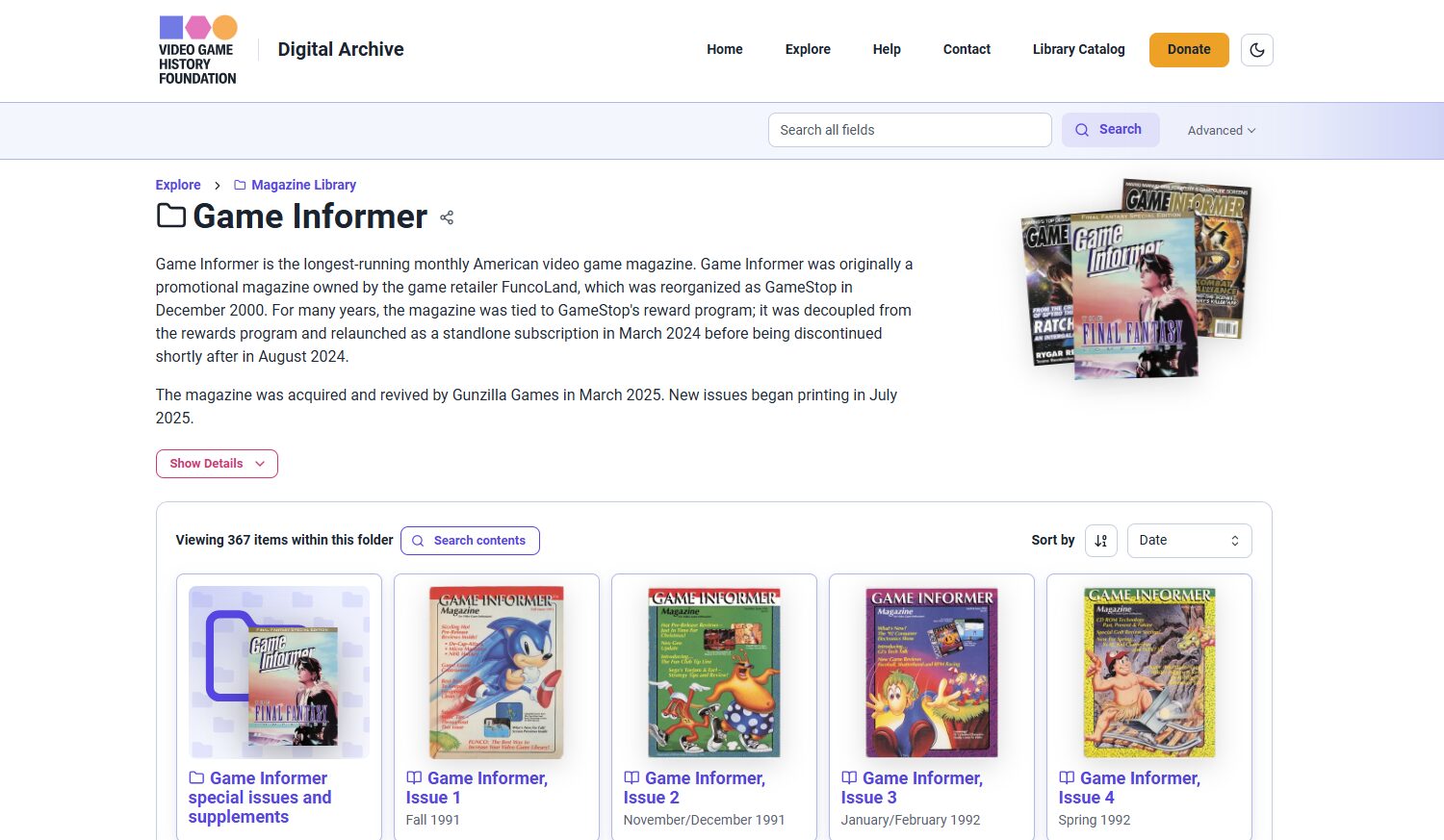
For example, a search for a niche term like "Intelligent Qube" might yield numerous documents. Previously, a brief snippet might have offered limited insight. Now, the expanded view could reveal more about the context in which "Intelligent Qube" is mentioned – perhaps a review, an industry news report, or a developer’s internal memo – allowing the user to quickly determine if the hit is pertinent to their investigation. This granular improvement underscores ICHEG’s commitment to empowering users with the tools they need for in-depth historical inquiry.
Streamlined Access and Future Vision
The homepage has also undergone a significant transformation, designed to offer immediate entry points into the archive’s vast holdings. A new "Explore the Archive" section has been integrated directly onto the homepage. This prominent feature allows users to bypass the need to navigate to a separate page, enabling them to begin browsing the archive’s main collection categories with unprecedented speed and ease. This direct access model is crucial for encouraging new users and for facilitating quick explorations by seasoned researchers.
Further down the homepage, a "Featured Collections" bar highlights new and notable additions to the archive. This curated section serves to showcase the dynamic growth of the collection and to draw attention to particularly significant or recently acquired materials. This approach not only promotes discovery but also demonstrates the ongoing commitment of ICHEG to actively curate and expand its digital repository.
The ICHEG team has expressed optimism about the impact of these changes, stating that they believe these enhancements will "make the research experience even better than before." This sentiment reflects a proactive approach to digital preservation and access, one that acknowledges the evolving needs of its user base.
Charting a Course for Future Development
Looking ahead, ICHEG has outlined an ambitious roadmap for further iterations of its archive frontend. These future developments are set to further enhance the platform’s capabilities and broaden its appeal. Among the planned features are a new, more sophisticated viewer for image files, which could offer advanced annotation and comparison tools. Additionally, the archive aims to incorporate character recognition technology for Japanese magazines, a complex but vital undertaking that will unlock vast amounts of previously inaccessible textual data for research.
Perhaps the most ambitious long-term goal is the eventual integration of the digital archive with the full library catalog. Such an integration would create a unified portal for accessing a comprehensive range of resources related to electronic game history, offering researchers an unparalleled breadth of information. This forward-looking vision positions ICHEG as a leader in the field of digital humanities, committed to leveraging technology to illuminate the past.
The Growing Importance of Game History Archives
The launch of this updated platform arrives at a time when the academic and cultural significance of video game history is increasingly recognized. Video games, once dismissed as a transient form of entertainment, are now acknowledged as a powerful medium that has profoundly shaped culture, technology, and society. They represent a unique intersection of art, engineering, narrative, and interactive design, offering rich ground for study across disciplines such as media studies, cultural studies, computer science, and design.
However, the preservation of video game history faces unique challenges. The rapid pace of technological change means that older hardware and software can quickly become obsolete and inaccessible. Digital games, in particular, pose preservation hurdles due to their reliance on evolving platforms and online infrastructure. Physical artifacts, such as magazines, manuals, and design documents, are also vulnerable to degradation and loss.
Institutions like ICHEG play a critical role in mitigating these challenges. By digitizing and archiving these materials, they ensure that future generations can study, understand, and appreciate the evolution of this influential medium. The International Center for the History of Electronic Games, a part of The Strong National Museum of Play, has been at the forefront of these efforts. Its digital archive, accessible at archive.gamehistory.org, has been a vital resource for scholars and enthusiasts alike since its inception. The continuous development and improvement of such platforms are therefore not just about technological upgrades; they are about safeguarding a vital part of our shared cultural heritage. The enhanced user experience and expanded functionalities of the newly launched platform are a testament to this ongoing commitment, promising to make the exploration of video game history more engaging and productive than ever before.