
 Hartono Sudibyo
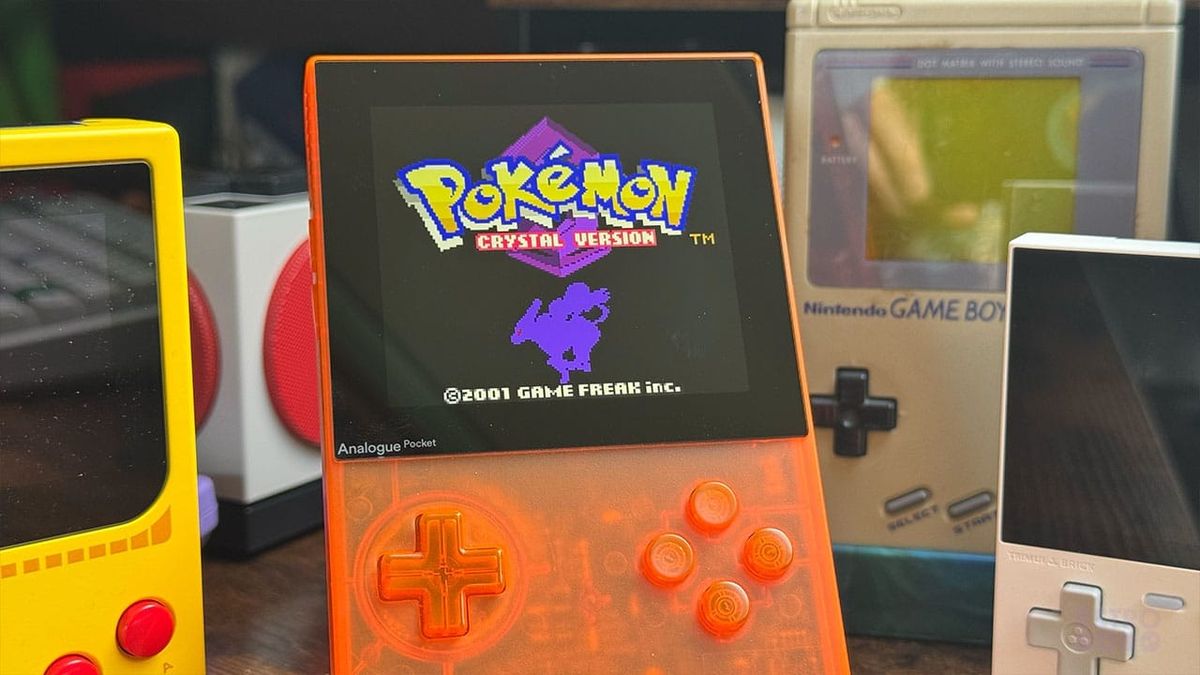
The digital landscape of retro gaming recently played host to a monumental poll that has ignited passionate discussions across fan communities: a comprehensive survey involving 10,000 retro gamers, meticulously compiled by Retro Dodo, has crowned Pokémon Crystal as the definitive best Pokémon game of all time. This extensive undertaking, updated on June 5, 2026, delved deep into the hearts and minds of enthusiasts, revealing a profound and enduring affection for the early entries in the beloved franchise, with a particular spotlight on the Game Boy Color classic. The results underscore a clear preference for the foundational experiences that defined a generation of gamers, surpassing even the most recent installments in terms of overall acclaim.
The Genesis of a Phenomenon: A Look Back at Pokémon’s Origins
The journey of Pokémon began in the mid-1990s with the release of Pokémon Red and Green (later Blue internationally) on the Nintendo Game Boy. These titles, developed by Game Freak and published by Nintendo, introduced players to the Kanto region and the captivating concept of collecting, training, and battling creatures known as Pokémon. The initial release was a cultural watershed moment, transforming handheld gaming from a solitary pastime into a communal obsession. Children and adults alike were captivated by the promise of adventure, the strategic depth of battles, and the social aspect of trading Pokémon to complete their Pokédex. The franchise rapidly expanded, spawning anime series, trading card games, and a continuous stream of video game sequels that have maintained its global popularity for decades.
The initial impact of Pokémon Red and Blue was staggering. By the end of 1999, Pokémon Red and Blue had sold over 31 million units worldwide, making them the best-selling games on the Game Boy. This success paved the way for subsequent generations, each introducing new regions, Pokémon, and gameplay mechanics. The demand for these games was so immense that it often outstripped supply, leading to widespread shortages and a fervent collector’s market that persists to this day. The very act of starting a Pokémon game, as many fans recall, was an immersion into a world that felt both vast and intimately personal, fostering a sense of wonder and exploration that few other games could replicate. This formative experience, characterized by the aspiration to possess iconic creatures like Pikachu and the constant discussions about strategies and discoveries on school playgrounds, laid the groundwork for the franchise’s enduring legacy.
The Survey Methodology and Scope
The Retro Dodo poll, which involved 10,000 participants, aimed to provide a comprehensive ranking of the best Pokémon games, drawing upon a diverse pool of dedicated fans. The methodology likely involved a structured questionnaire that presented a curated list of Pokémon titles, spanning from the original Game Boy era to more recent releases. Participants were presumably asked to rate or rank these games based on various criteria, such as gameplay, story, nostalgia, innovation, and overall impact. The sheer volume of participants suggests a robust dataset, allowing for statistically significant conclusions about fan preferences.
The selection of games for the poll would have been crucial. It would have included foundational titles like Pokémon Red, Blue, Yellow, Gold, Silver, and Crystal, alongside later entries such as Pokémon Stadium, Pokémon Colosseum, Pokémon Diamond, Pearl, Platinum, Black, White, X, Y, Sun, Moon, Sword, Shield, and the more recent Pokémon Legends: Arceus and Scarlet and Violet. The inclusion of spin-off titles, while potentially excluded from a primary "best game" ranking, might have been considered in broader analyses of the franchise’s influence. The survey’s focus on “retro gamers” implies a demographic that has grown up with the series, offering insights into how nostalgia and formative experiences shape long-term appreciation.
Key Findings: The Reign of Gen 2 and the Power of Nostalgia
The results of the poll revealed a compelling trend: a significant majority of retro gamers hold a profound affinity for the earlier generations of Pokémon games, with the second generation, comprising Pokémon Gold, Silver, and Crystal, emerging as a particular strong contender. The survey data indicates that these titles, released for the Game Boy Color between 1999 and 2000, resonated most deeply with the surveyed audience.
The ultimate victor, Pokémon Crystal, reportedly triumphed in a fiercely contested final round, facing off against its Gen 2 counterparts, Gold and Silver. This indicates that while the entire generation held significant appeal, Crystal’s enhancements and unique features pushed it to the forefront. This success is attributed to its introduction of several key innovations, including a playable female protagonist, animated Pokémon sprites during battles, the Battle Tower for post-game challenges, and the iconic introduction of the legendary Pokémon Suicune. These advancements built upon the solid foundation of Gold and Silver, refining the gameplay experience and cementing Crystal’s status as a beloved entry.
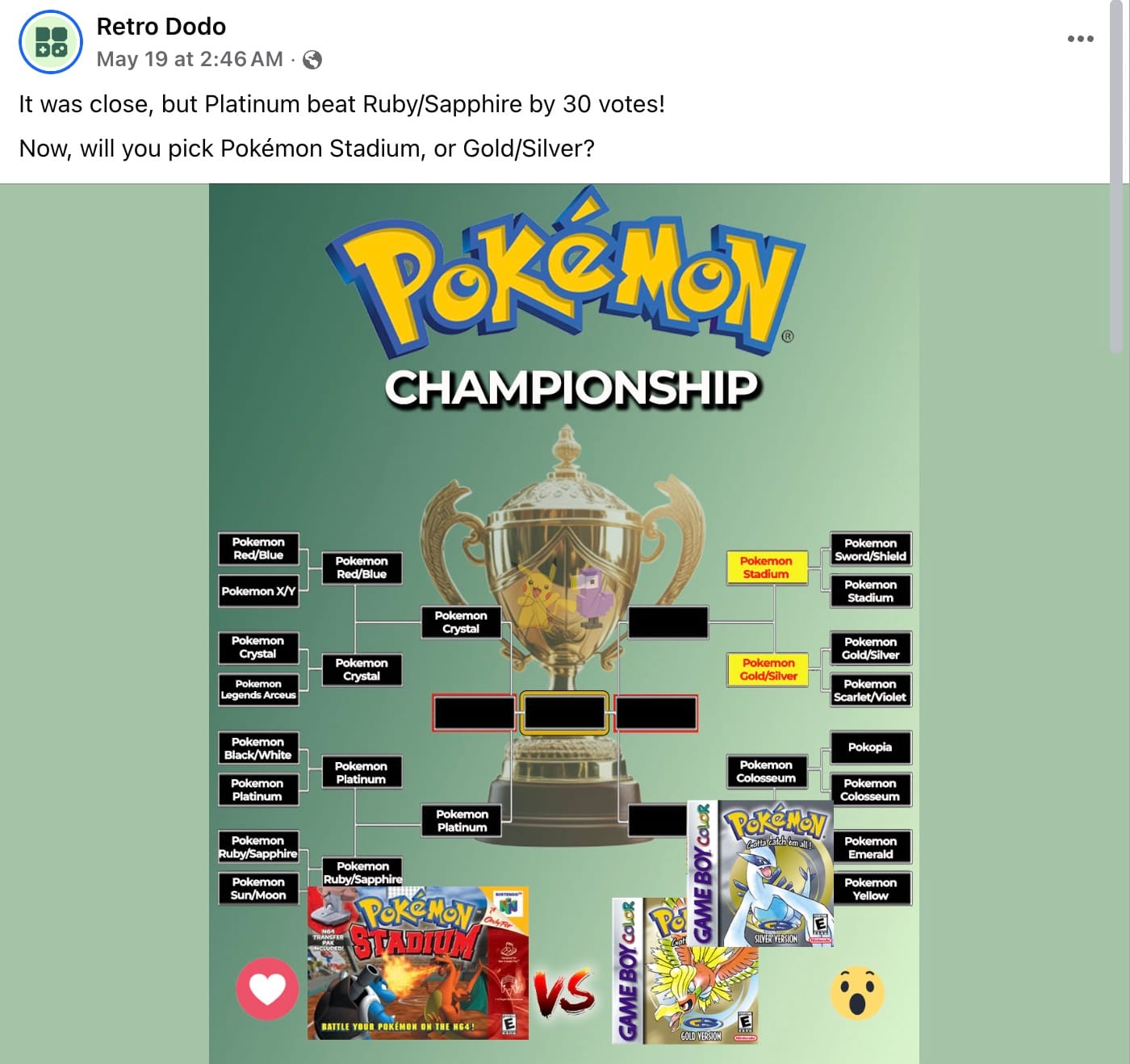
Furthermore, the poll highlighted the enduring appeal of games that offered distinct experiences beyond the core handheld RPGs. Pokémon Stadium, a Nintendo 64 title that allowed players to battle their Pokémon in 3D arenas, managed to outrank more recent main-series entries like Sword and Shield. Similarly, Pokémon Colosseum for the Nintendo GameCube, known for its darker tone and focus on "snagging" Shadow Pokémon from opponents, claimed victory over titles like Pokémon Legends: Arceus, a game lauded for its innovative open-world approach and real-time combat. This preference for established, albeit older, gameplay loops suggests that for many retro gamers, the core mechanics and presentation of these titles hold a special place in their gaming history.
The Road to Victory: A Chronology of the Tournament and Crystal’s Ascent
The poll’s structure, which appears to have involved a tournament-style bracket, allowed for a gradual narrowing down of contenders to the ultimate champion. While the exact chronological progression of the tournament is not fully detailed, the narrative suggests a series of matchups that progressively eliminated titles based on voter preference.
Early Stages: The initial rounds likely saw a broad spectrum of Pokémon games competing. It is plausible that games from the first generation (Red, Blue, Yellow) performed strongly, given their foundational role in the franchise. However, the results indicate that later generations, particularly the second generation, began to gain significant traction as the competition progressed.

Mid-Tournament Clashes: As the tournament advanced, more specialized or critically acclaimed titles would have faced off. The mention of Pokémon Stadium defeating Sword and Shield, and Colosseum triumphing over Pokémon Legends: Arceus, points to significant upsets or at least a strong performance from these niche but highly regarded entries. These matchups likely pitted different eras and gameplay styles against each other, forcing voters to weigh nostalgia and familiarity against innovation and modern design.
The Gen 2 Showdown: The narrative explicitly mentions a close call as the competition narrowed to the final stages, with Pokémon Crystal going head-to-head against its Gen 2 counterparts, Gold and Silver. This implies that the Gen 2 games collectively dominated this phase of the tournament, showcasing the generation’s overall strength in the eyes of retro gamers. The decision between Crystal, Gold, and Silver would have been a difficult one for many, given their shared region and many similar features.
The Grand Finale: Ultimately, Pokémon Crystal emerged victorious. This final battle, described as a close contest, suggests that the nuanced improvements and additional content in Crystal—such as the animated sprites, the female player character option, and the expanded post-game—were enough to sway voters towards it as the definitive Gen 2 experience, and subsequently, the best Pokémon game of all time according to this poll.
Data and Sales Figures: Contextualizing the Victors
To understand the significance of Pokémon Crystal’s win, it is valuable to examine its sales figures in relation to other prominent entries in the franchise. While sales figures alone do not dictate quality, they offer a tangible measure of a game’s reach and popularity at the time of its release.
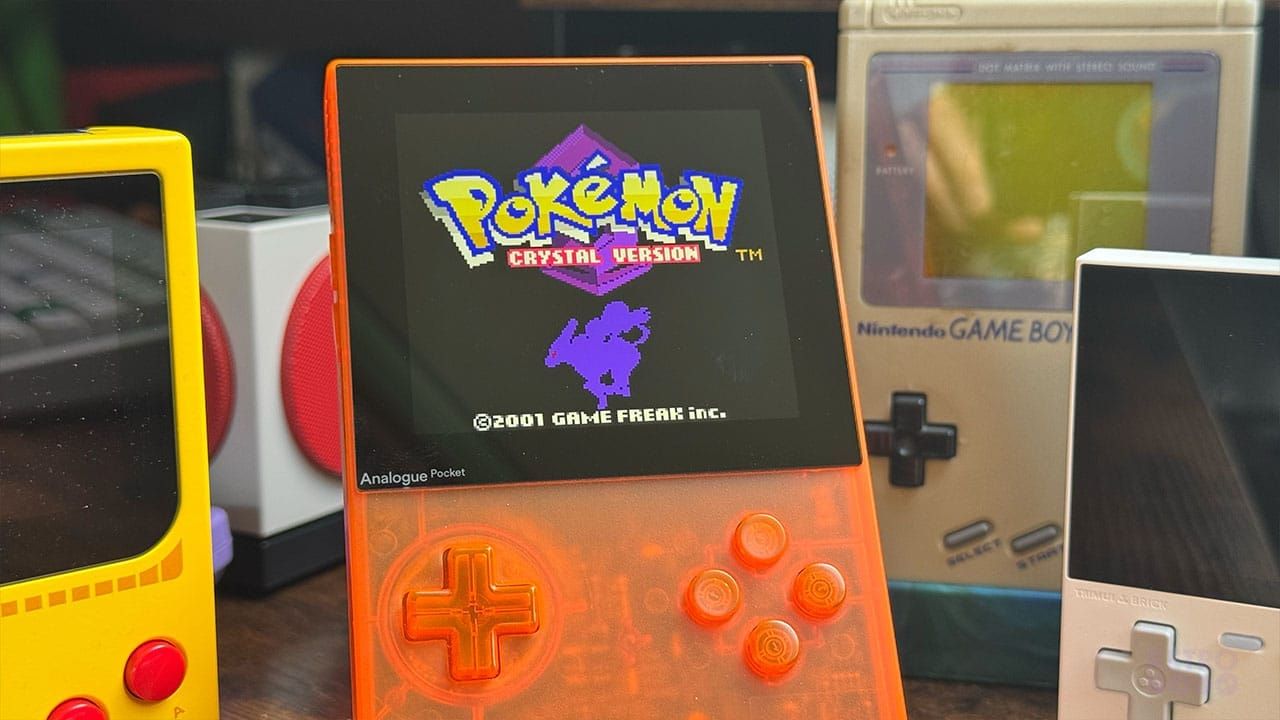
Pokémon Crystal, released for the Game Boy Color, sold over 6 million copies worldwide. While this figure is substantial and cemented its status as a commercial success, it is notably lower than the sales of the first-generation games. Pokémon Red, Blue, and Japan’s Pokémon Green collectively sold over 31 million units. This stark contrast in sales numbers underscores the power of nostalgia and subjective fan preference in the Retro Dodo poll. Despite selling a fraction of the original games, Pokémon Crystal has clearly retained a special place in the hearts of a dedicated segment of the gaming community.
The comparison between Crystal and its Gen 2 siblings, Gold and Silver, also provides context. Gold and Silver, released prior to Crystal, achieved combined sales of approximately 23 million units worldwide. This indicates that while Crystal was the eventual winner of the poll, Gold and Silver also enjoyed immense popularity and critical acclaim. The fact that Crystal, with its comparatively lower individual sales, could surpass them in a fan vote suggests that its specific enhancements and its position as the "definitive" version of the Johto region experience resonated more strongly with a passionate, albeit perhaps smaller, group of dedicated retro enthusiasts.
Broader Implications and Fan Reactions
The outcome of the Retro Dodo poll has significant implications for understanding the long-term appeal of video game franchises. It strongly suggests that for a substantial portion of the retro gaming community, formative experiences and early innovations hold a powerful sway, often outweighing the advancements and polish of modern titles. This sentiment is not unique to Pokémon and can be observed across various retro gaming communities that champion classic consoles and titles.
The results likely reflect a desire among retro gamers to celebrate the games that shaped their childhoods and introduced them to beloved worlds and mechanics. The success of Pokémon Crystal, in particular, can be seen as an acknowledgment of its role in refining the Pokémon formula. It represented a significant evolutionary step for the series, demonstrating how sequels could not only expand upon the original concept but also iterate and improve upon it, setting a high bar for future installments.
While official statements from Nintendo or Game Freak regarding this specific fan poll are unlikely, such community-driven rankings often serve as valuable, albeit informal, feedback. They highlight which aspects of a franchise’s legacy are most cherished by its long-term fans. This can influence future development decisions, marketing strategies, and even the preservation efforts for classic titles.
Fan reactions across retro gaming forums and social media platforms have been largely enthusiastic, with many expressing agreement with the outcome. Discussions often center on the subjective merits of Pokémon Crystal, with users sharing personal anecdotes and highlighting specific moments or features that solidified their affection for the game. The "Pombon for President" campaign mentioned in the original text, while likely a lighthearted fan initiative, speaks to the deep emotional connection players have with these games and their characters. The poll’s emphasis on older titles also sparks conversations about the current direction of the Pokémon franchise, with some lamenting the perceived departure from the core tenets that made the early games so captivating.
Conclusion: A Timeless Appeal
The Retro Dodo poll, involving 10,000 dedicated retro gamers, has unequivocally declared Pokémon Crystal the greatest Pokémon game of all time. This resounding endorsement of a Game Boy Color classic speaks volumes about the enduring power of nostalgia, the impact of groundbreaking innovations, and the profound connection players forge with the games that define their formative years. While newer titles may boast advanced graphics and complex mechanics, the simple yet profound joy of exploring the Johto region, befriending Pokémon, and embarking on an unforgettable adventure in Pokémon Crystal continues to resonate deeply with a passionate fanbase. Its victory serves as a powerful reminder that the foundations of beloved franchises often hold a timeless appeal, celebrated and cherished by generations of gamers. The continued fascination with games like Pokémon Crystal ensures that these digital relics will remain a vital part of gaming history for years to come.








