
 Hartono Sudibyo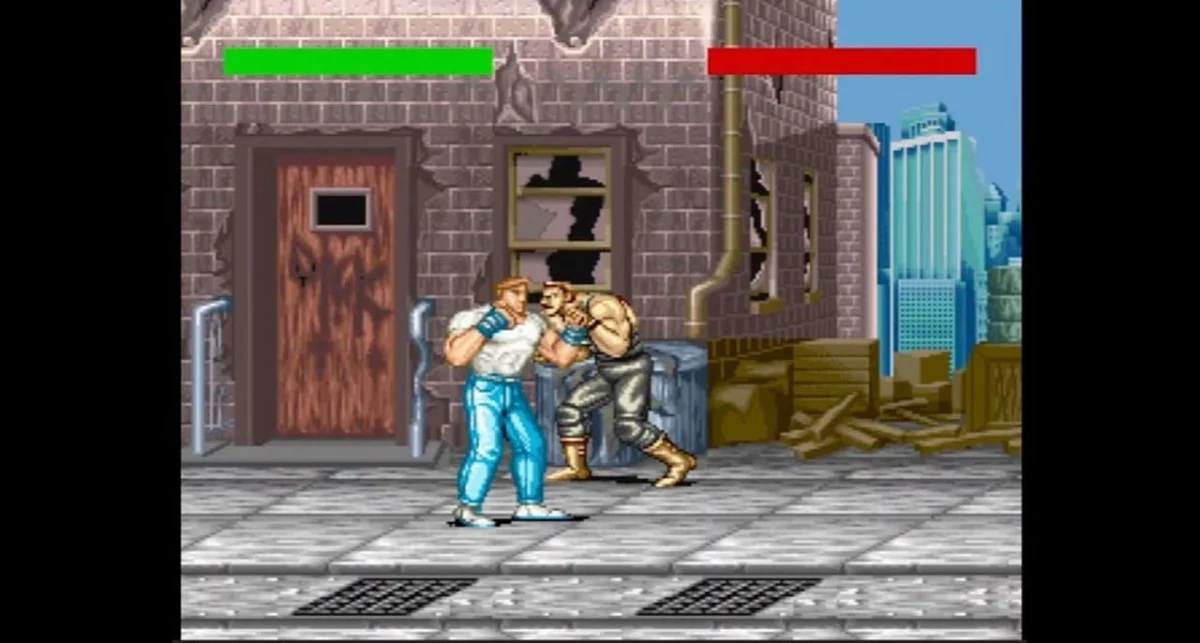
The landscape of Nintendo 64 homebrew development has been significantly altered with the recent unveiling of Felipe64, a powerful new tool created by N64GameBuilder. This innovative software empowers developers to port classic 2D titles onto the N64 platform with unprecedented ease, a feat previously considered technically challenging and time-consuming. The potential implications for the N64 homebrew community are substantial, promising to unlock a new era of creative freedom and game preservation.
Felipe64: A Paradigm Shift in N64 Homebrew Development
Felipe64 is not a standalone game compiler but rather a sophisticated asset creation suite designed to streamline the development pipeline for N64 projects utilizing the popular Libdragon SDK. Its core functionality lies in its intuitive visual interface, which allows users to construct game elements such as hitboxes, manage state machines, and export data assets with remarkable efficiency. This visual approach drastically reduces the steep learning curve often associated with low-level N64 programming, making the platform more accessible to a wider range of developers.
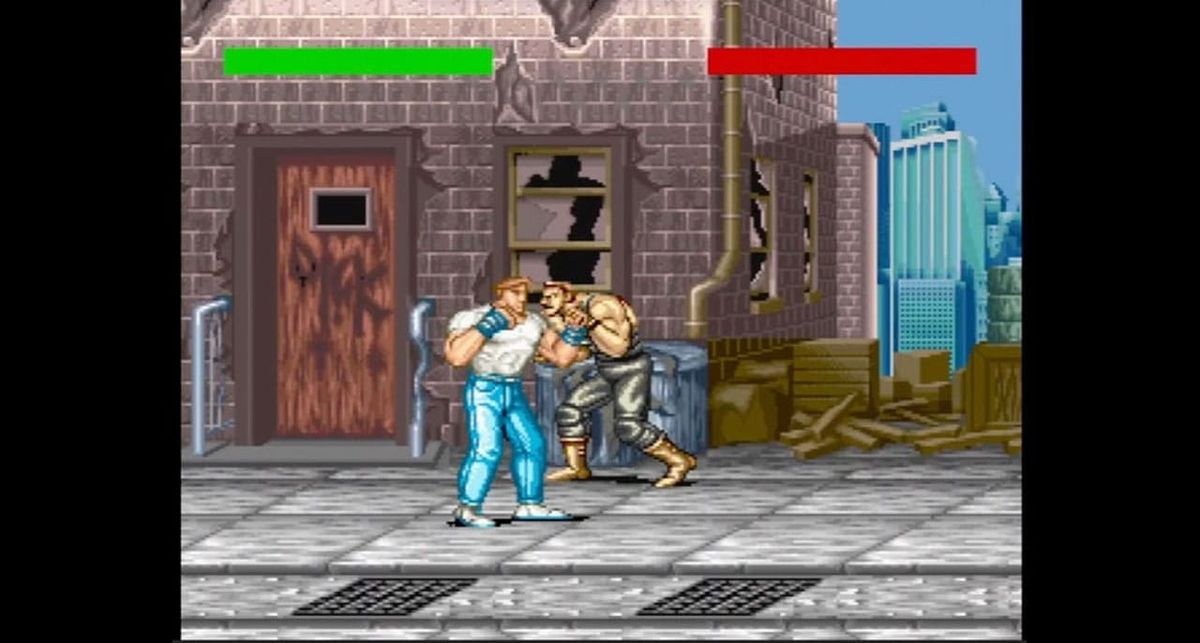
The tool’s capabilities were dramatically showcased in a recent YouTube video, where N64GameBuilder demonstrated the porting of Capcom’s iconic arcade and Super Nintendo title, Final Fight, onto the Nintendo 64. The gameplay footage, accompanied by a retro-inspired soundtrack, illustrates the seamless integration of familiar assets within the N64 environment. While Final Fight originally debuted nearly four decades ago, its successful reimagining on the N64 through Felipe64 underscores the tool’s versatility and the enduring appeal of classic gaming experiences.
According to the accompanying YouTube description, Felipe64’s key features include:
- Hitbox Creation: Developers can visually define and refine the hitboxes for characters and objects, a crucial element for accurate combat mechanics in fighting and beat ’em up games.
- Easy Data Export: The tool facilitates the straightforward export of created assets, ensuring compatibility with Libdragon projects.
- Visual State Machine Configuration: Managing character animations and behaviors is simplified through a visual interface, allowing for more dynamic and responsive gameplay.
The ability to generate and export these fundamental game assets through a user-friendly interface represents a significant leap forward from traditional methods, which often involved complex manual coding and asset manipulation.
Historical Context: The N64 and 2D Gaming
The Nintendo 64, launched in 1996, was a pivotal console in the transition from 2D to 3D graphics. While it boasted impressive 3D rendering capabilities, its architecture was not inherently optimized for traditional 2D sprite-based games in the same way its predecessor, the Super Nintendo, was. Consequently, the N64 library is predominantly characterized by its groundbreaking 3D titles like Super Mario 64, The Legend of Zelda: Ocarina of Time, and GoldenEye 007.
During the N64’s lifespan, the number of pure 2D fighting games released for the system was relatively small. Notable examples include Mortal Kombat Trilogy, Killer Instinct Gold (a port of Killer Instinct 2), Fighters Destiny, and Kirby’s Dream Land 3 (which featured 2D platforming elements with fighting game mechanics). The market had largely shifted towards 3D fighting games like Tekken and Virtua Fighter on competing platforms, and the N64’s focus on 3D experiences meant that 2D titles, even highly acclaimed ones, often struggled to achieve significant commercial success.
The decision to port Final Fight to the N64, even as a homebrew project, taps into a nostalgic vein for many gamers who grew up with the title on arcade machines or the Super Nintendo. The original Final Fight released in arcades in 1989 and was later ported to the Super Nintendo in 1991, becoming a landmark title in the beat ’em up genre. Its success laid the groundwork for numerous sequels and influenced countless other games.
The Development Timeline and Innovation
While specific dates for the inception and development of Felipe64 are not publicly detailed in the provided information, its emergence signifies a growing trend in the retro gaming community: the desire to revisit and expand upon beloved classic consoles using modern development tools. The Libdragon SDK itself has been a key enabler for N64 homebrew for some time, allowing enthusiasts to create new games and homebrew applications for the console. However, the introduction of a tool like Felipe64 that simplifies complex asset creation for 2D games marks a significant advancement.
The process, as demonstrated, involves:
- Asset Import and Configuration within Felipe64: Developers would first import or create sprites, animations, and other visual assets within the Felipe64 environment.
- Defining Game Mechanics: Using the visual interface, they would then configure essential elements like hitboxes, collision detection parameters, and state machines that dictate character actions and animations.
- Data Export: Once the assets and their associated logic are defined, Felipe64 exports this data in a format compatible with the Libdragon SDK.
- Integration into Libdragon Project: Developers then integrate these exported assets into their Libdragon-based N64 game projects, where they can be compiled into playable ROMs.
This workflow suggests a modular approach to N64 homebrew development, where Felipe64 handles the intricate creation of 2D game elements, freeing up developers to focus on the broader game logic, engine implementation, and overall gameplay experience within Libdragon.

Potential Reactions and Community Impact
While direct statements from official Nintendo representatives or major game development studios regarding Felipe64 are unlikely, the impact on the N64 homebrew community is expected to be overwhelmingly positive. Developers and enthusiasts who have been actively involved in N64 homebrew have long sought more accessible and powerful tools.
- Increased Accessibility: Felipe64’s visual interface lowers the barrier to entry for aspiring N64 homebrew developers, potentially attracting new talent to the scene.
- Enhanced Creativity: By simplifying the creation of 2D assets, the tool allows developers to focus on innovative gameplay mechanics, unique game concepts, and the exploration of genres that might have been previously considered too complex for the N64.
- Preservation and Modernization: The ability to port classic 2D games like Final Fight not only allows for nostalgic experiences but also serves as a form of game preservation. It enables these beloved titles to be experienced on original hardware or emulators with a fresh perspective.
- Growth of the Homebrew Ecosystem: The success of Felipe64 could inspire the development of similar specialized tools for other aspects of N64 development, further enriching the homebrew ecosystem.
It is conceivable that prominent figures within the N64 homebrew scene, such as those involved with the Libdragon project or other fan-made game releases, might express enthusiasm for Felipe64. Their reactions would likely center on its practical utility and its potential to foster a more vibrant and productive development community.
Analysis of Implications and Future Prospects
The introduction of Felipe64 carries significant implications for the future of N64 homebrew development:
- Resurgence of 2D Genres on N64: While the N64 is primarily known for 3D, Felipe64 opens the door for a potential resurgence of well-executed 2D titles. This could include ports of other classic 2D games, as well as entirely new homebrew creations that leverage the N64’s unique capabilities for sprite rendering and hardware capabilities.
- Educational Value: For students and hobbyists learning game development, Felipe64 offers a tangible and rewarding platform to experiment with game design principles, asset creation, and console programming without the immediate need for deep coding expertise in all areas.
- Commercial Homebrew Potential: While many homebrew projects are driven by passion, the increased efficiency offered by tools like Felipe64 could make it more feasible for developers to create polished, commercially viable homebrew titles that could be sold through independent channels.
- Exploration of Unused Potential: The N64 hardware still holds unexplored potential, particularly in how its graphics processing unit (GPU) handles sprite rendering and layering. Felipe64, by abstracting some of the complexities, allows developers to focus on creative applications of this hardware for 2D experiences.
The success of the Final Fight 64 demonstration is a strong indicator of Felipe64’s promise. The ability to quickly assemble playable demos from classic assets suggests that more ambitious projects are well within reach. As the tool evolves and gains wider adoption, it is plausible that we will see increasingly sophisticated and diverse homebrew games emerge for the Nintendo 64, further cementing the console’s legacy as a platform that continues to inspire and captivate developers and players alike. The innovation represented by Felipe64 is a testament to the enduring passion and ingenuity of the retro gaming community.








