Cecilia Chamidah Nur
The retro gaming community has been rocked by extensive allegations against Kai Magazine Software, a developer of homebrew titles for the Sega Mega Drive/Genesis, concerning the alleged widespread use of stolen and AI-generated artwork across multiple games. The accusations, which initially surfaced in mid-2025, escalated significantly by June 2026 with a comprehensive investigation detailing the extent of the alleged intellectual property infringements. The core of the controversy centers on Kai Magazine Software’s latest title, Death & Lead, and previous releases like Metal Dragon and Life on Mars, with critics asserting that the developer has leveraged uncredited works from established artists, classic video games, and even AI-generated imagery for commercial gain.
The Unfolding Controversy: A Chronological Overview
The initial storm broke on Thursday, July 31st, 2025, at 12pm GMT, when retro developer and fan translator Krokodyl publicly launched allegations against Kai Magazine Software on BlueSky. Krokodyl specifically targeted the then-upcoming Western-themed shooting gallery Death & Lead (also known as Dead & Lead), priced at approximately €60, accusing the company of utilizing "assets traced over existing sprites… and AI-generated backgrounds." These claims were made in response to a video by YouTuber Retro Gamer Boy, with Krokodyl meticulously outlining instances where Kai Magazine Software appeared to have employed AI for cutscene backgrounds and directly traced over the work of various pixel artists without consent or attribution.
Among the specific examples highlighted by Krokodyl were animations seemingly lifted from iconic video games such as Sega’s 1993 classic Shinobi III: Return of the Ninja Master and Natsume’s 1994 Super Nintendo Entertainment System title Wild Guns. Perhaps more egregiously, Krokodyl pointed to the alleged direct copying of artwork from a Vietnamese pixel artist named Dwayne Tran. Upon being contacted, Tran expressed profound shock, stating, "This is shocking! I never knew that my artwork was stolen and used for commercial purposes. I can confirm 2 things: The locomotive was indeed a tracing of my original artwork here and I’ve never heard of Kai Magazine Software until now and have not received any contact from them [for permission]. I think some actions more or less should be taken for this act." This direct confirmation from an affected artist lent significant weight to Krokodyl’s initial claims.
The allegations extended beyond Death & Lead. Krokodyl further implicated Kai Magazine Software’s title Life on Mars (initially referred to as Life on Earth in some early reports), detailing numerous instances where the studio allegedly traced animations and assets without permission. These included material from the 2012 adult game Parasite In City, the 1993 title Blade of Vengeance, the popular anime Kabaneri of the Iron Fortress, and various pieces sourced from online communities like Reddit and pixel art repositories such as PixelJoint. A developer from Planet Centauri, another game whose assets were allegedly copied, confirmed the unauthorized use, stating, "I can confirm that we never heard about that nor gave any right [for] anyone to do that." They added, "Thanks for bringing this up. Not sure what we can do on our side but I’ll see with my colleague," indicating a potential internal review of the matter.
Update #1: Metal Dragon Also Implicated
Later on the same day, Thursday, July 31st, 2025, at 5:15pm GMT, the controversy deepened. Krokodyl, joined by other BlueSky users including IkariDC, identified additional examples of traced artwork, this time within another of Kai Magazine Software’s games: the Sega Mega Drive/Genesis action title Metal Dragon. This particular revelation carried significant weight as Metal Dragon, alongside Life on Mars, had been commercially published on an Evercade cartridge, a popular retro gaming handheld platform.
The fresh claims against Metal Dragon included material allegedly traced from Sega’s 1989 arcade classic Tough Turf, known for its gritty urban aesthetic. More strikingly, a background element in Metal Dragon was identified as a direct copy of a piece created for Cardboard Sword’s The Siege and The Sandfox, an indie "stealthvania" game released for PC in 2025, which had been publicly sharing development updates for nearly a decade prior to its launch. Time Extension, a gaming news outlet, reached out to both Evercade and Cardboard Sword for comment. Olly Bennett, the CEO of Cardboard Sword, promptly issued a statement confirming the unauthorized use: "We were not aware of this at all, and certainly did not give permission for any of our work or assets to be used or reproduced like this." At this point, Evercade had yet to respond to inquiries.
Update #2: Goati_’s Comprehensive Investigation
The allegations reached a critical mass on Tuesday, June 2nd, 2026, at 1:30pm GMT, when YouTuber Goati released what has been described as "perhaps the most comprehensive look yet" at Kai Magazine Software’s alleged practices. Goati‘s video focused primarily on Death & Lead, meticulously detailing how the game "leverages stolen and AI-generated artwork, with the stolen elements appearing without credit to the original artists."
Goati_’s investigation solidified the accusations, presenting a visual compendium of side-by-side comparisons that left little room for doubt regarding the origins of many assets. The YouTuber did not mince words, declaring, "This is stealing and selling for a profit. This is the most evil Mega Drive game. This time, [Albero’s] product isn’t even trying to look good at the beginning." This pointed critique highlighted not only the alleged ethical breaches but also a perceived lack of effort in attempting to disguise the stolen material. The video underscored that Kai Magazine Software is operated by Oscar Kenneth Albero, who has released several games on Sega’s 16-bit console, including Metal Dragon and Life on Mars, both of which have been published on Evercade. Time Extension had previously contacted Evercade’s maker, Blaze, about the issue, but the company consistently declined to comment.
The Modus Operandi: Tracing, Copying, and AI Generation
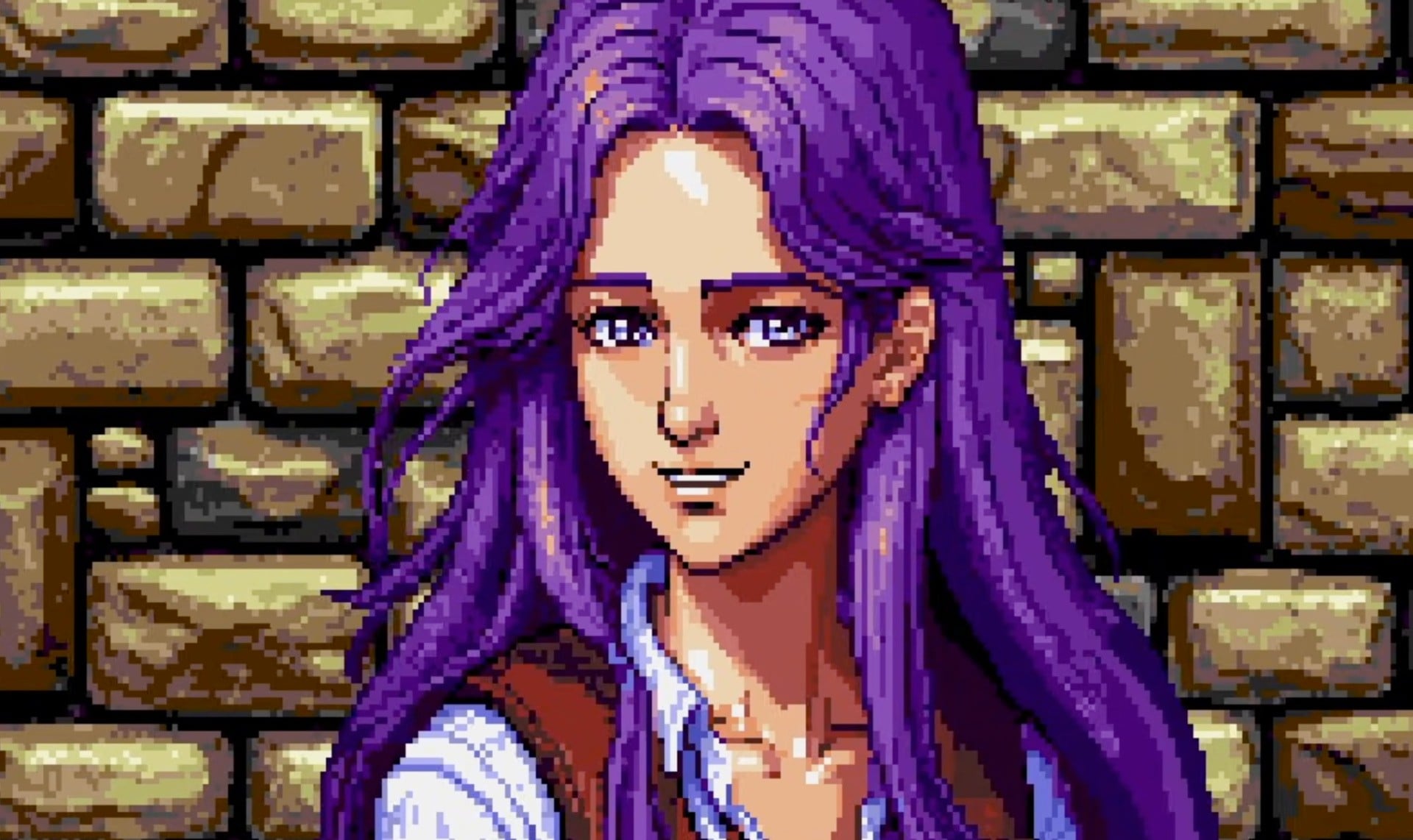
The allegations paint a consistent picture of Kai Magazine Software’s development practices:
- Direct Tracing of Pixel Art: Numerous instances involve characters, objects, and animations from existing games or original pixel art pieces being traced and slightly modified. Examples include character animations from Shinobi III and Wild Guns, and the distinctive locomotive art by Dwayne Tran.
- Uncredited Use of Backgrounds and Environmental Assets: Backgrounds from games like Tough Turf and The Siege and The Sandfox, as well as general pixel art from online communities, were allegedly incorporated without permission or credit.
- Integration of AI-Generated Content: Krokodyl’s initial claims, later substantiated by Goati_, pointed to the use of AI-generated artwork for cutscene backgrounds in Death & Lead. This raises a separate, but equally contentious, issue regarding the ethics and legality of using AI-generated content, especially when the AI models themselves may have been trained on copyrighted material without artist consent.
- Borrowing from Diverse Media: The alleged plagiarism extends beyond video games to include assets from anime series like Kabaneri of the Iron Fortress, demonstrating a broad approach to sourcing material from various creative works.
The common thread across all these instances is the alleged absence of permission from the original creators and a complete lack of attribution. This is particularly problematic given that Kai Magazine Software’s titles are sold as premium products, with Death & Lead reportedly costing as much as a full-priced Nintendo Switch game.
Kai Magazine Software’s Silence and Evercade’s Position
Throughout the entire saga, Kai Magazine Software and its operator, Oscar Kenneth Albero, have maintained complete silence. Time Extension reported reaching out to the developer on three separate occasions for comment but received no response. This silence, while legally understandable, has been widely interpreted by the community as an inability or unwillingness to refute the extensive evidence presented.
The position of Evercade (Blaze) is also a point of contention. As a platform that licenses and publishes retro games, Evercade’s involvement in distributing titles now widely accused of plagiarism places it in a difficult ethical and potentially legal predicament. Despite repeated inquiries from Time Extension and mounting public pressure, Evercade has consistently declined to comment on the allegations. This non-committal stance has drawn criticism, with some in the community suggesting that a platform dedicated to preserving gaming history should take a stronger stance against alleged intellectual property theft. The company’s silence raises questions about its due diligence process for vetting third-party content and its responsibility to both original creators and its consumer base.
The Broader Context: IP, AI, and Retro Gaming Ethics
This controversy is not an isolated incident but rather a microcosm of larger debates raging within the creative industries, particularly concerning intellectual property rights in the digital age and the rise of artificial intelligence.
Intellectual Property Rights and Plagiarism: The gaming industry, especially the indie and homebrew sectors, has always grappled with issues of asset flipping and plagiarism. However, the scale and alleged brazenness of the copying attributed to Kai Magazine Software, particularly given the commercial nature of their releases and their presence on a mainstream retro platform like Evercade, elevate this case significantly. Copyright law is clear: using someone else’s creative work for commercial purposes without permission is a violation. The alleged tracing and direct copying, if proven in a court of law, would constitute clear infringement. The statements from artists like Dwayne Tran and Olly Bennett underscore the real-world impact on creators whose work is devalued and exploited.
The AI Art Conundrum: The alleged use of AI-generated backgrounds adds another layer of complexity. While AI art tools are rapidly evolving, their ethical and legal implications are still being hotly debated. A major concern is that many AI models are trained on vast datasets of existing artwork, often without the consent or compensation of the original artists. When AI-generated art derived from such training data is then used commercially, it raises questions about derivative works, fair use, and the potential for "laundering" stolen artistic styles or elements. If Kai Magazine Software did use AI, it either implies a deliberate choice to bypass traditional art creation or a misunderstanding of the ethical tightrope walked by AI-generated content.
The Homebrew and Retro Gaming Ethos: The homebrew community, which Kai Magazine Software operates within, traditionally thrives on passion, community contributions, and a respect for the original hardware and games. While "fan games" often borrow liberally from established franchises, they are typically non-commercial and often provide credit. The moment a developer commercializes such creations, the expectation of originality and adherence to intellectual property laws intensifies. The allegations against Kai Magazine Software risk tarnishing the reputation of the wider homebrew scene, suggesting that commercial success can come at the expense of ethical development practices.
Implications and Potential Ramifications
The unfolding scandal carries significant implications for various stakeholders:
- Kai Magazine Software (Oscar Kenneth Albero): The immediate impact is severe reputational damage. The extensive evidence presented by Krokodyl and Goati_ makes it difficult for the developer to operate credibly within the retro gaming community. Potential legal action from affected artists and companies (like Cardboard Sword, Natsume, Sega, or the creators of Planet Centauri) remains a possibility, which could result in injunctions, damages, and significant financial penalties. The long-term viability of Kai Magazine Software as a developer is now severely compromised.
- Evercade (Blaze): As the publisher of Metal Dragon and Life on Mars, Evercade faces scrutiny. Their continued silence could be interpreted as tacit acceptance or an attempt to avoid acknowledging a problem that could necessitate removing the games from their platform, issuing refunds, or re-evaluating their content acquisition policies. Such actions could be costly and damage their brand image, especially among a consumer base that values authenticity and ethical practices. The situation could force Evercade to implement more rigorous vetting processes for third-party titles to prevent similar incidents in the future.
- Affected Artists and Companies: For creators like Dwayne Tran and Cardboard Sword, the incident highlights the ongoing battle against intellectual property theft in the digital realm. While frustrating, the public exposure of these alleged infringements empowers them to potentially pursue legal avenues or at least raise awareness.
- The Retro Gaming Community: The controversy serves as a stark reminder of the ethical challenges in a thriving homebrew scene. It encourages greater vigilance from players and critics in scrutinizing the origins of game assets and advocating for ethical development practices. It also underscores the importance of proper attribution and respect for original creators.
In conclusion, the allegations against Kai Magazine Software represent a significant challenge to the integrity of the retro gaming industry and the broader creative landscape. With comprehensive evidence now publicly available, the pressure mounts on all involved parties, especially Kai Magazine Software and Evercade, to address the accusations and uphold the principles of intellectual property and ethical development. The resolution of this case will undoubtedly set a precedent for how the industry confronts plagiarism and the burgeoning complexities of AI-generated content in the years to come.