Hartono Sudibyo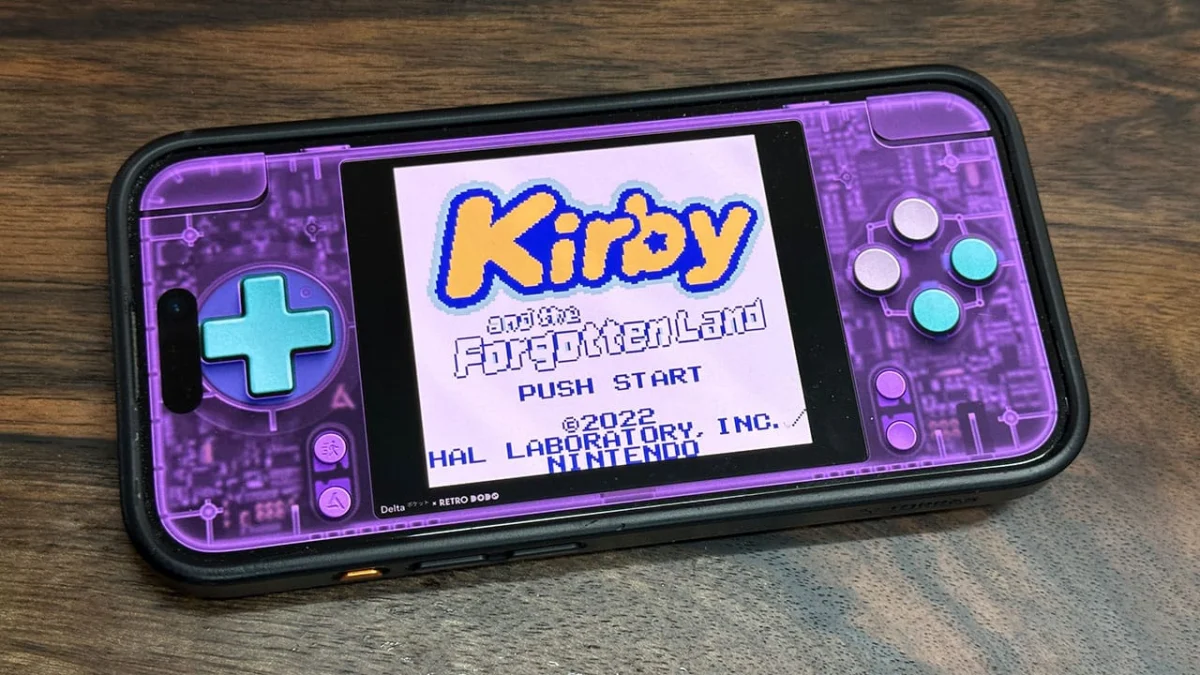
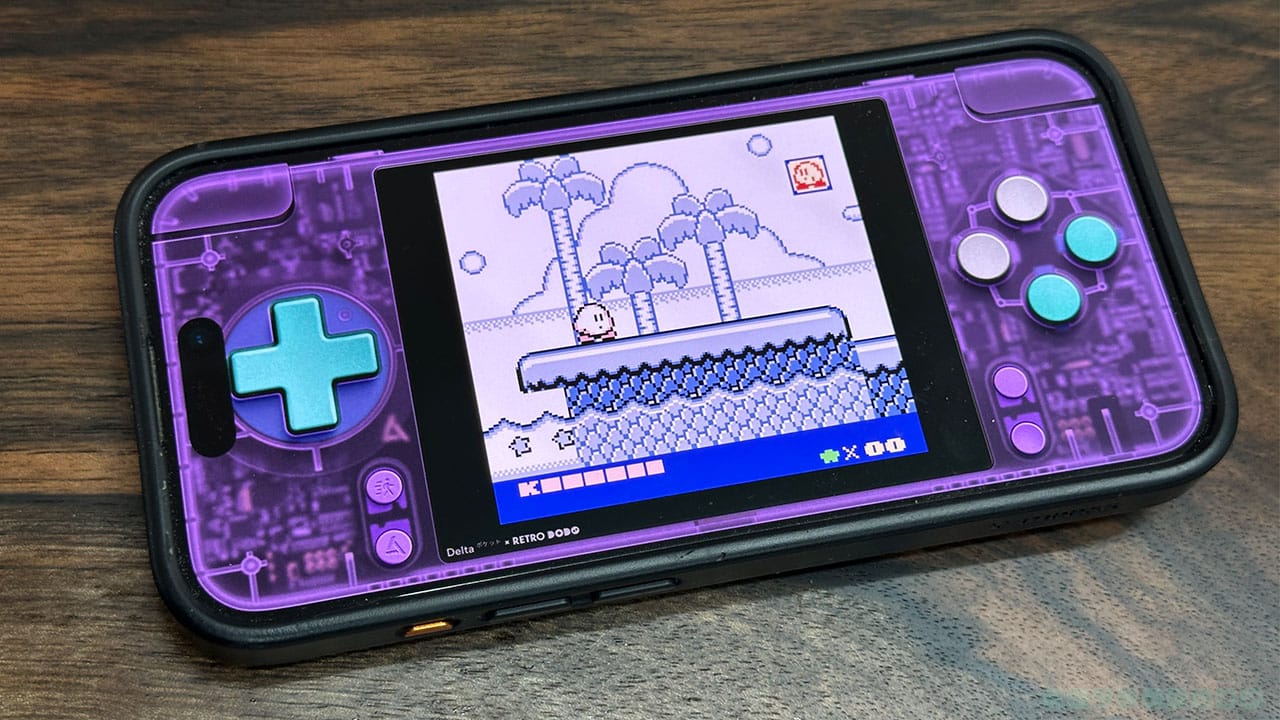
The vibrant, expansive world of "Kirby and the Forgotten Land," a flagship title for the Nintendo Switch, has been masterfully distilled into a charmingly retro Game Boy Color (GBC) demake, offering a nostalgic glimpse into the past for fans of the pink puffball. This fan-made project, created by independent developer Efraitor, meticulously recreates the opening stages of the modern 3D adventure, translating its ambitious scope into the limited, yet beloved, 8-bit aesthetic of Nintendo’s iconic handheld console. The demake, available for free download, has quickly captured the attention of the retro gaming community, highlighting the enduring appeal of classic game design principles and the creative spirit of fan-driven game development.
The Art of Demaking: Bridging Eras of Gaming
Demakes, a subset of fan game development, represent a fascinating intersection of nostalgia and innovation. They involve taking a modern video game and recreating it with the graphical and gameplay limitations of older hardware. This process is not merely about pixel-for-pixel conversion but requires a deep understanding of the original game’s essence and a creative reimagining of its mechanics within a new technological framework. For "Kirby and the Forgotten Land," this meant transforming a 3D platformer, celebrated for its detailed environments and fluid movement, into a 2D side-scroller that evokes the spirit of early Kirby titles like "Kirby’s Dream Land" on the Game Boy.
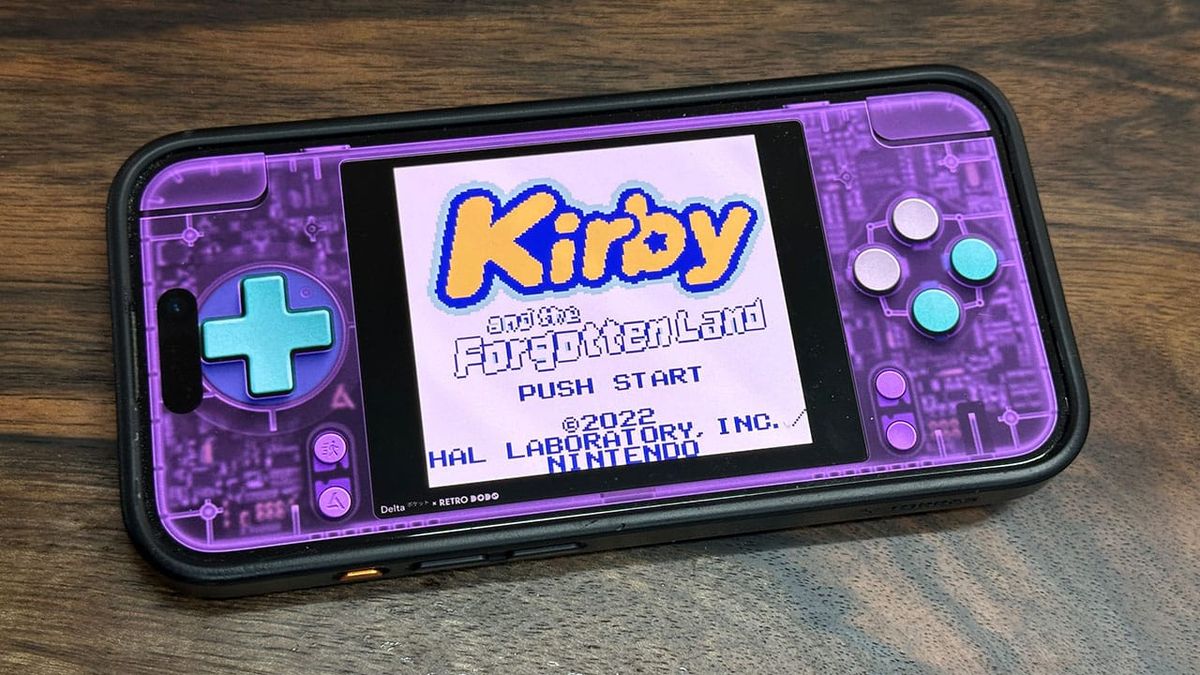
Sebastian Santabarbara, writing for Retro Dodo, highlighted the appeal of such projects, stating, "Demakes are one of my favourite parts of the Retro Gaming scene, especially when someone takes a modern game featuring a character that we’ve had for decades and transforms it into an experience for an older console. Some of my favourite Kirby memories were times spent playing on the Game Boy as a kid, and this demake of the Pink Peril’s latest Switch adventure for the GBC is a fun nod to the good old days of handheld gaming." This sentiment resonates with a generation of gamers who grew up with the distinct limitations and unique charm of 8-bit and 16-bit consoles.
Efraitor’s Vision: From Waddle Dees to 8-Bit Wonders
Efraitor’s demake of "Kirby and the Forgotten Land" is lauded for its faithful yet inventive approach. The project focuses on the first level of the Nintendo Switch title, effectively capturing the initial wonder and exploration that defined the original game’s introduction. The developer has successfully translated the distinct environments, character designs, and core gameplay loops into a visual style that feels authentic to the Game Boy Color. This includes transforming the lush, post-apocalyptic landscapes into pixelated vistas and reimagining Kirby’s signature copy abilities within the constraints of 2D sprites.
Crucially, the demake doesn’t shy away from the most talked-about and innovative mechanics of the original game. One of the standout features of "Kirby and the Forgotten Land" was the introduction of Mouthful Mode, where Kirby inhales various objects to gain new abilities, most notably transforming into a car. Efraitor’s decision to include this car transformation in the GBC demake is considered a masterstroke. The visual representation of Kirby as a pixelated vehicle, navigating the 2D plane, is both humorous and a testament to the developer’s commitment to preserving the spirit of the source material. As noted in the original report, "Integrating the car into the demake was probably the most important part as it’s one of the most memorable and talked about parts of the demo and clips shown off prior to the game’s release. It’s fun seeing it from a 2D perspective and that the scene is still so recognisable."

A Nostalgic Journey: Gameplay and Presentation
The GBC demake offers a compact, yet engaging, experience. While the game is described as short, focusing on the initial level, its brevity is offset by its accessibility and the sheer delight it offers to fans. The visual palette employed by Efraitor is a direct nod to the Game Boy Color’s capabilities, utilizing a limited but effective range of colors that immediately transport players back to the handheld’s golden age. The initial cutscenes are also recreated, providing a narrative context that mirrors the original game’s introduction, further enhancing the sense of immersion and nostalgia.
However, the demake is not without its limitations, a natural consequence of its retro design. The absence of sound is a notable omission. While the original "Kirby and the Forgotten Land" features a rich and dynamic soundtrack, Efraitor’s demake currently lacks any audio elements. This point was raised in the initial assessment: "There’s no sound, which is a little disappointing. I know it’s only the initial level of the game that’s available in the Switch demo, but it would have been cool to have had an 8-bit soundtrack too." Despite this, the core gameplay mechanics are reported to be solid, fulfilling the primary objective of a demake: to provide a playable and enjoyable experience that captures the essence of the original game.
The Retro Gaming Ecosystem and Fan Contributions
The creation and widespread appreciation of demakes like Efraitor’s "Kirby and the Forgotten Land" underscore the vibrant and dynamic nature of the retro gaming community. Platforms like Itch.io have become crucial hubs for independent developers to share their passion projects, fostering a culture of creativity and collaboration. These fan-made games often serve multiple purposes: they celebrate beloved franchises, provide unique gameplay experiences, and even serve as educational tools, demonstrating the ingenuity required to create games under technical constraints.
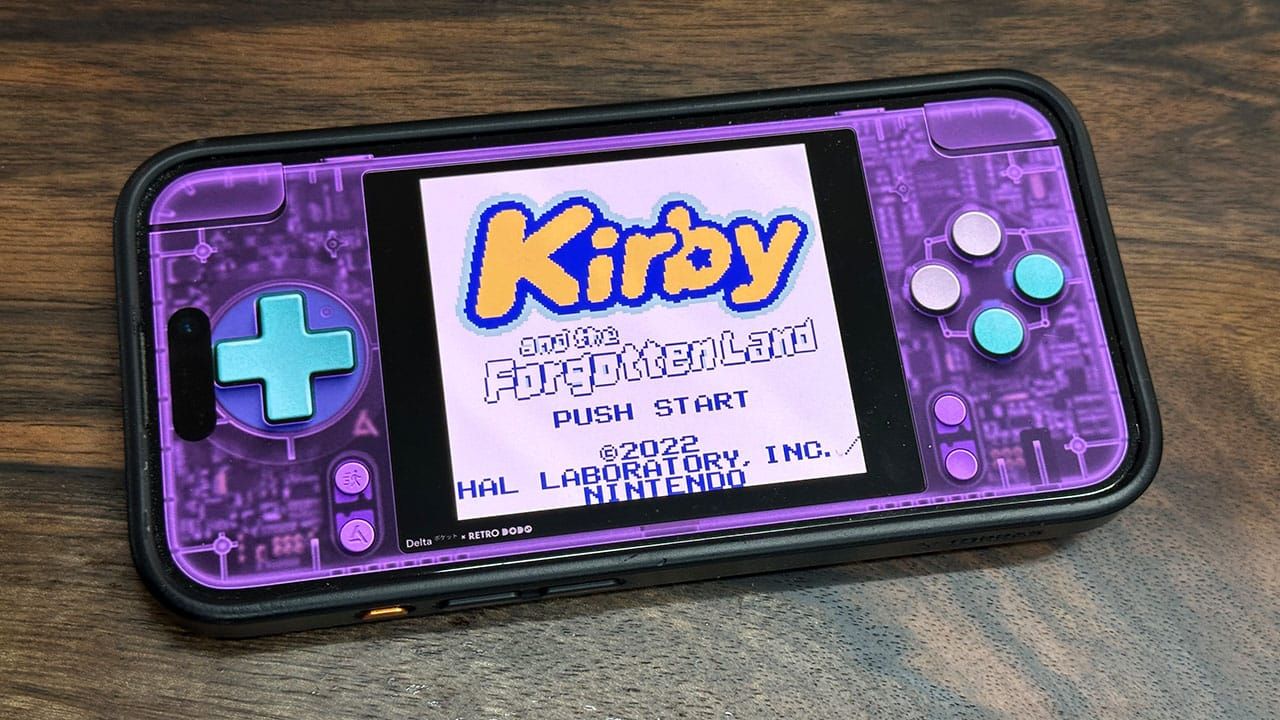
The success of this demake can also be seen as a testament to the enduring legacy of the Kirby franchise itself. Since its debut in 1992 with "Kirby’s Dream Land" on the Game Boy, Kirby has remained a consistent presence in the gaming landscape, known for its accessible gameplay, charming characters, and willingness to innovate with each new installment. "Kirby and the Forgotten Land," released in 2022, marked a significant evolution for the series, successfully transitioning Kirby into a full 3D environment. The fact that a demake of this modern entry can so effectively evoke the feeling of its 2D predecessors speaks volumes about the fundamental design principles that have guided the Kirby series throughout its history.
Broader Implications and the Future of Fan Games
The implications of such fan-made projects extend beyond mere entertainment. They contribute to the preservation of gaming history by reinterpreting classic aesthetics and gameplay styles. Furthermore, they provide valuable insights into game design by highlighting how core mechanics can be adapted and reimagined across different technological paradigms. For aspiring game developers, studying demakes offers a practical education in resource management, creative problem-solving, and the art of capturing the "feel" of a game.
The increasing sophistication of fan-made games, including intricate demakes and ambitious original titles, suggests a future where the lines between professional and amateur development continue to blur. As tools become more accessible and communities more interconnected, the potential for creative expression in game development is virtually limitless. Efraitor’s "Kirby and the Forgotten Land" demake stands as a prime example of this burgeoning trend, demonstrating that passion, skill, and a deep love for gaming can result in experiences that resonate with a broad audience, bridging generational gaps and celebrating the timeless joy of interactive entertainment.
The availability of such projects on platforms like Itch.io ensures that these creative endeavors can reach a wide audience, fostering a continuous cycle of inspiration and appreciation within the gaming world. It also highlights the importance of community support for independent creators, as acknowledged in the original article’s call to action for readers to consider becoming members, tipping the creators, or supporting related ventures like Game Nook. This support is vital for allowing creators to continue producing content without being solely dictated by algorithms or commercial pressures, ultimately enriching the gaming landscape for everyone. The continued success of demakes like this one suggests that the appeal of retro gaming, and the innovative ways in which it is being reinterpreted, remains as strong as ever.