
 Arya Paningal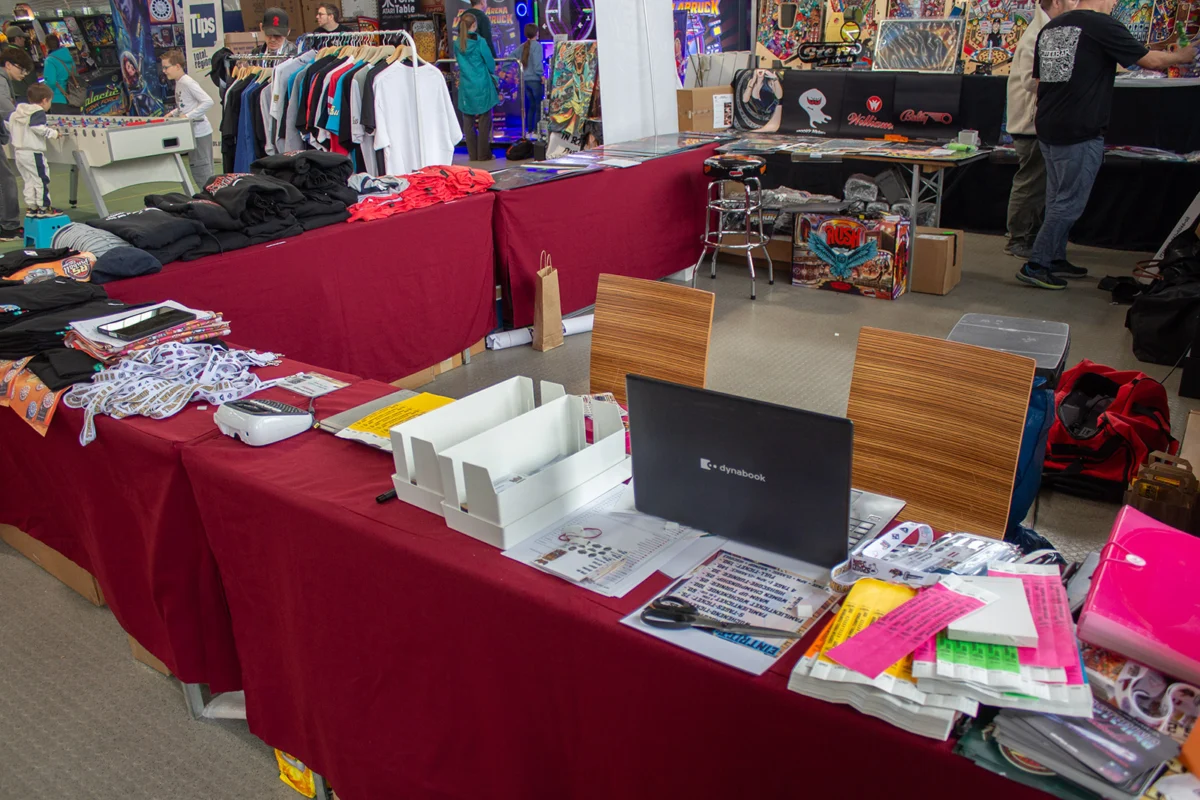
The REVA Halle Eissport in Vöcklabruck, Austria, transformed from an ice rink into a vibrant hub of pinball activity from May 13th to 17th, 2026, for the inaugural Austrian Pinball Festival (APF). Building on the immense success of the 2025 European Pinball Championship (EPC) held at the same venue, organizers, led by Stefan Riedler of RS-Pinball, aimed to create a recurring annual event that celebrates the enduring appeal of pinball. The APF, designed as a slightly scaled-down yet equally engaging successor to the EPC, successfully drew enthusiasts from across Austria and beyond for five days of competitive play, showcasing, and community engagement.

A New Tradition is Born: From EPC to APF

The overwhelming positive reception and enthusiastic support for the 2025 European Pinball Championship clearly indicated a desire for more, not less, pinball-focused events in the region. Recognizing this strong community appetite, the organizing team, spearheaded by Stefan Riedler, conceived the Austrian Pinball Festival as a way to foster this burgeoning scene. The festival was meticulously planned to offer a comprehensive pinball experience, encompassing tournaments for various skill levels, a dedicated free-play area brimming with machines, vendor showcases, and insightful seminars from industry figures. This strategic evolution from a championship to an annual festival underscored a commitment to sustained engagement and growth within the pinball community.

The choice of the REVA Halle Eissport as the venue was a strategic one. Typically operational as an ice skating and sports facility from October to February, the hall undergoes a significant transformation in late February. The ice is melted, drainage systems are activated, and a floor is laid, converting the 1,800m² space into a versatile exhibition and entertainment venue. This adaptability allowed for the seamless integration of the pinball festival, providing ample space for the extensive array of machines and activities. The strategic placement of the festival in mid-May, following the venue’s conversion, ensured optimal conditions for attendees and operations.

Festival Layout and Amenities: A Meticulous Design

The festival grounds were thoughtfully arranged to enhance the attendee experience from the moment they arrived. RS-Pinball’s innovative mobile mini-arcade, a custom-built promotional vehicle, greeted visitors, offering a compact yet diverse selection of pinball and video games. This mobile unit, designed for effortless deployment at various shows, featured four pinball machines – Pokémon, Dungeons & Dragons: The Tyrant’s Eye, Queen, and Halloween – alongside a multi-game video arcade cabinet and a skill-based "Ice Cold Beer" style game, providing an immediate taste of the entertainment on offer.

Adjacent to the mobile arcade, a dedicated catering area ensured attendees were well-nourished throughout the event. A central gazebo served daily offerings such as burgers, fried chicken, fries, and salads, while a rotisserie food truck was available during peak hours. For those seeking a wider variety, the Maximarkt supermarket was conveniently located a short walk across the car park, though attendees were reminded to note its Sunday closure and potential public holiday limitations. The festival’s beverage service operated from a well-stocked bar, offering a range of beers, wines, soft drinks, and hot coffee, with a unique prepaid card system managing transactions. Food and beverages were prohibited in the free play and tournament areas, with designated seating zones provided near the bar to accommodate consumption.

The entrance to the main hall featured a registration desk for badge and wristband collection, as well as on-site ticket purchases for daily or multi-day access. Entry fees were structured to accommodate various attendee needs, with daily passes, weekend packages, and full-event tickets available, alongside options for tournament entries. A significant array of merchandise, including T-shirts, toppers, translites, playfield components, and various pinball modifications, was also available for purchase, further enhancing the festival’s offerings.

The Free Play and Vendor Area: A Pinball Paradise

The heart of the Austrian Pinball Festival was its expansive free play area, meticulously organized into eight distinct rows. This layout facilitated a diverse and engaging experience, featuring a wide spectrum of pinball machines, from the latest releases to beloved classics, alongside vendor stands and innovative homebrew creations. The central section of the hall was a testament to the global pinball ecosystem, showcasing machines from leading manufacturers such as Stern Pinball, Jersey Jack Pinball, Spooky Pinball, American Pinball, and Hexa Pinball, alongside offerings from smaller but equally impactful manufacturers like Haggis Pinball, Turner Pinball, Pinball Brothers, Homepin, Pedretti, and Pinball Adventures.

Notable among the exhibits were the full range of Stern Pinball’s Pokémon machines, including the LE, Premium, and Pro models, vigilantly overseen by an inflatable Pikachu. Jersey Jack Pinball’s latest creations were prominently displayed, as were the distinctive machines from Hexa Pinball, including their new prototype, "The Three Musketeers." Spooky Pinball’s lineup, featuring titles like Beetlejuice, Halloween, and Ultraman, drew significant attention.

The festival also served as a crucial platform for the burgeoning homebrew pinball scene. Several custom-designed and re-themed machines were showcased, highlighting the creativity and technical prowess within the community. Standout examples included Stefan Mader’s unique creations: "Deep Blue Rage," "Tree House Club," and the "Spectra 6" coffee table pinball. Alessandro Cacciola of SteelShot Pinball presented his impressive conversions, including "Lupin The 3rd" (based on Diner), "Hokuto No Ken" (based on Rollergames), and the upcoming "Trinity." The Pinball Power Up Controller (PPUC) project, an open-source initiative to modernize older pinball hardware, was demonstrated on classic machines like "Flash" and "Time Warp," offering a glimpse into the future of pinball customization.

Vendor participation was robust, with companies like Vincent Mods offering an impressive selection of toppers and game-enhancing modifications. Karin Kolbe provided essential pinball spare parts and aesthetic upgrades, while Pinball Parts showcased a range of hard-to-find components. The diversity of offerings from these vendors underscored the thriving aftermarket and customization culture within the pinball community.

Beyond the pinball machines, the free play area included a few non-pinball amusements, such as a popular table football (foosball) table, a dance machine catering to younger attendees, and "Lucky Bowl" and "Beer Fest" games, reminiscent of the "Ice Cold Beer" skill game. These additions provided welcome diversions and contributed to the festival’s inclusive atmosphere.

A Rigorous Tournament Schedule: Competition and Camaraderie

The Austrian Pinball Festival was distinguished by its comprehensive tournament schedule, offering multiple competitive avenues for participants of all skill levels. The events were meticulously organized, with IFPA accreditation for the major tournaments, ensuring official recognition of player achievements.

The Warm-Up Tournament kicked off the festival on Wednesday, attracting 175 players. The format involved seven rounds of 4-player groups, with points awarded based on finishing position. The top 24 qualifiers advanced to a series of head-to-head, best-of-three playoff matches. Viggo Löwgren emerged as the victor, defeating Lukas Ott in a thrilling final that went down to the wire on "NBA Fastbreak." Dominique De Cock secured third place, overcoming Alexander Muer.

The Main Austrian Pinball Masters Tournament served as the centerpiece of the competitive program. Qualification rounds were conducted over two days, with players strategically choosing between the Main Tournament and the Classic Tournament sessions. The event involved an intricate grouping system, with players divided into blocks and then further into groups of sixteen, each playing a round-robin format. The top four players from each group advanced to the play-offs, which commenced on Saturday. The finals, played as best-of-seven matches, culminated in a dramatic encounter between Arvid Flygare and Theodor Kristensen. After a hard-fought series, Theodor Kristensen claimed the championship title, with Arvid Flygare finishing as runner-up and Timber Engelbeen securing third place.

The High Score Tournament offered a unique challenge, allowing players to accumulate points by achieving their best scores on sixteen designated machines over 30 qualifying hours. The top 32 players advanced to a series of play-off rounds, culminating in a best-of-five final between Arvid Flygare and Lukas Ott. In a closely contested match, Arvid Flygare ultimately triumphed, securing first place, with Lukas Ott in second and Erik Palfi taking third.

The Classic Tournament focused on historical pinball machines, with a rotational group format designed to provide fair competition across various eras of pinball design. Players competed in multiple rounds, with their cumulative scores determining qualification for the Saturday afternoon play-offs. Viggo Löwgren demonstrated his mastery of classic games, defeating Michael Trepp in the final to claim the top prize. Thomas Mästerman finished second, and Michael Trepp secured third place.

Beyond these major IFPA-sancredited events, the festival also featured several "for fun" tournaments. The Women’s Tournament included a pre-tournament social quiz designed to foster camaraderie, followed by rigorous head-to-head play. Shirin Doppler emerged as the champion, with Sabine Ramsner and Elli Paschalis rounding out the top three. The Children’s Tournament provided a platform for younger enthusiasts to showcase their skills, with Simon taking first place, followed by Paul and Marlon. A novel Lego Tournament was held on Rolf Brisberger’s impressive "Schoko 42" Lego Mindstorm pinball machine, with Simon Wodok achieving the highest score, followed by Arvid Flygare and Martin Wodok. Finally, a Team Tournament added another layer of collaborative competition, with trophies awarded to the top three teams.

Seminars and Special Guests: Insights from Industry Leaders

A key component of the Austrian Pinball Festival was its series of insightful seminars, featuring prominent figures from the pinball industry. These sessions, held on the main stage, provided attendees with valuable information on game design, manufacturing, and the broader pinball culture. Stefan Riedler, the festival organizer, welcomed several distinguished guests, including Alice Lemoine from Hexa Pinball, who detailed the company’s unique manufacturing processes in Bordeaux and introduced their "The Three Musketeers" machine. Aaron Davis of FAST Pinball and Brian Madden, the originator of the Mission Pinball Framework, collaborated on a presentation encouraging aspiring creators to build their own pinball machines, highlighting the expanding resources available for homebrew development. Eric Meunier, lead designer for Jersey Jack Pinball’s "Harry Potter" pinball, shared fascinating insights into the game’s development, from thematic inspiration to overcoming manufacturing challenges.

These engaging presentations were live-streamed by Pinball News on their Twitch channel and subsequently uploaded to their YouTube channel, extending the reach of the festival’s educational content to a global audience. The seminars not only enriched the attendee experience but also served to demystify aspects of pinball creation and innovation, inspiring a new generation of enthusiasts and designers.

Community Recognition and Future Outlook

A highlight of the festival was the presentation of the "Best Homebrew Game" award. Attendees voted for their favorite custom-built machine, with a panel of industry guests making the final selection from the top-ranked entries. Stefan Mader’s "Deep Blue Rage" was recognized for its ingenuity and design, earning him a prize of a new pinball cabinet and backbox set for his next project. This award underscored the festival’s commitment to celebrating and supporting the grassroots innovation within the pinball community.

Reflecting on the success of the inaugural Austrian Pinball Festival, organizers expressed immense satisfaction with the turnout, the smooth execution of events, and the overwhelmingly positive feedback. However, in a surprising announcement, it was revealed that the APF would not be held in 2027. This decision was attributed to the German Pinball Association’s plans for an expanded GPA Expo in the same year, strategically timed to avoid direct conflict with a potential APF. Given the geographical proximity of the GPA Expo venue to Vöcklabruck, the Austrian pinball community is expected to lend its support to this neighboring event. Nonetheless, plans are already underway for the Austrian Pinball Festival to return to Vöcklabruck in 2028, with aspirations for an even grander event, leveraging the experience gained from this highly successful inaugural edition.

The Austrian Pinball Festival 2026 undoubtedly set a high standard for pinball events, demonstrating the passion, dedication, and collaborative spirit that defines the modern pinball community. Its success serves as a promising indicator for the future of pinball in Austria and beyond.








