Retno Hari Mulyono
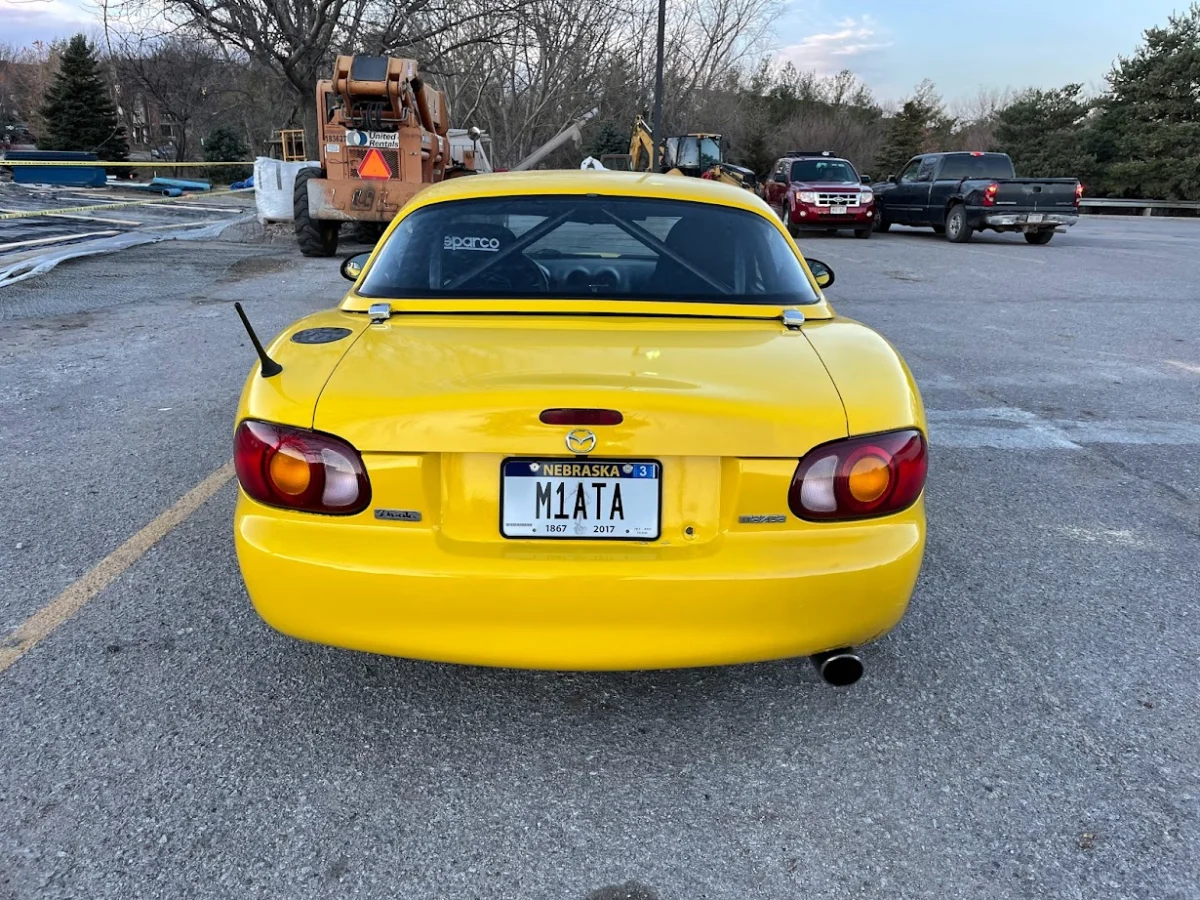
The four-year milestone of NB-generation Mazda Miata ownership represents a significant case study in the iterative development of the "New Beginnings" (NB) platform for competitive time-trial applications. Between March 2024 and February 2025, the vehicle underwent an aggressive cycle of mechanical experimentation, logistical expansion, and performance validation across several of the most demanding racing circuits in the American Midwest. This period was characterized by a shift from minor modifications to a comprehensive systems-engineering approach, addressing engine thermodynamics, braking efficiency, and the logistical challenges of long-distance motorsport participation.
Mechanical Engineering and the VVT Integration Phase
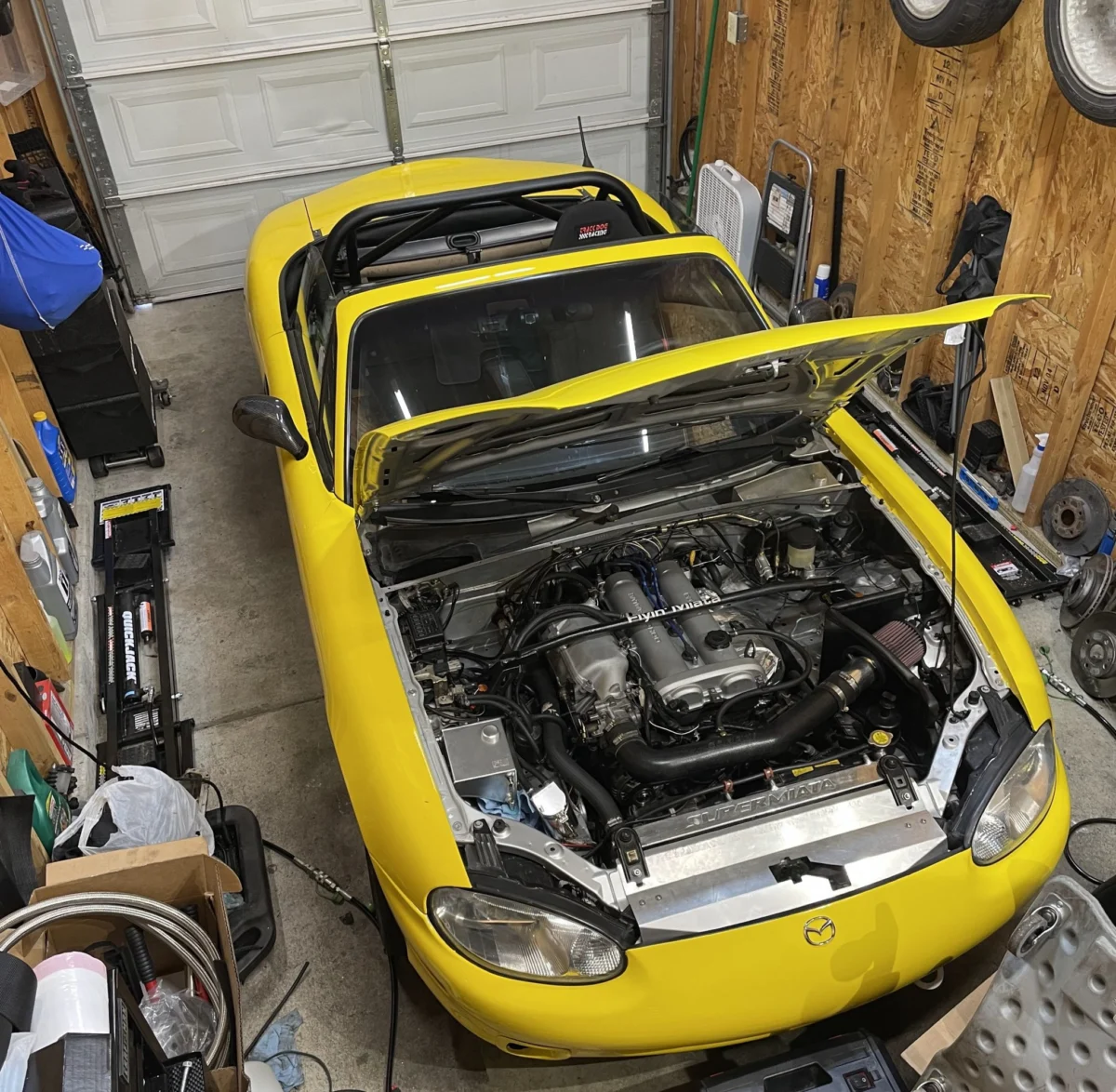
In early 2024, the development program focused on a significant powertrain upgrade: the transition from the original BP4W engine to the BP6D Variable Valve Timing (VVT) motor. The BP6D, originally found in 2001–2005 Miatas, offers a broader torque curve compared to its predecessors. The project involved a comprehensive rebuild of the cylinder head after initial testing revealed inadequate valve sealing.
The engine build integrated a DIY cylinder hone, new Original Equipment Manufacturer (OEM) rings, and upgraded pistons. This mechanical overhaul was paired with a transition from a five-speed to a six-speed manual transmission, a move designed to optimize gear ratios for high-speed track sections. However, the integration phase faced a critical failure in March 2024 during an autocross event. High-RPM operation led to a cooling system over-pressurization, resulting in a head gasket failure and the subsequent ejection of a freeze plug.
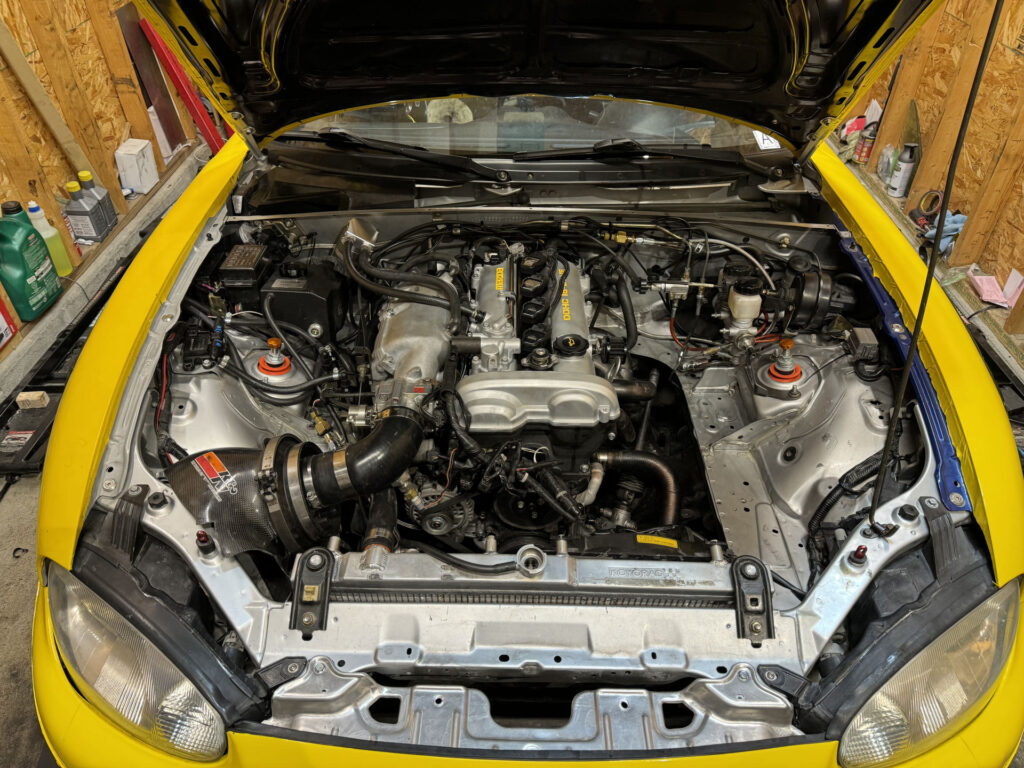
Technical analysis suggested that while the head gasket leak was minor, the path of least resistance for the internal pressure was the cooling system’s structural plugs. This setback necessitated a reversion to the original BP4W engine for the remainder of the 2024 season. Despite the engine reversion, the six-speed transmission was retained, providing a data point on the compatibility and performance gains of the updated gearbox when paired with the older engine architecture.
Thermal Management and Braking Efficiency
In April 2024, the vehicle’s braking system was upgraded to address the rapid wear rates observed during high-intensity sessions. While the Supermiata BX11 brake kit provided sufficient stopping power, the relatively thin profile of the pads led to accelerated thermal degradation.
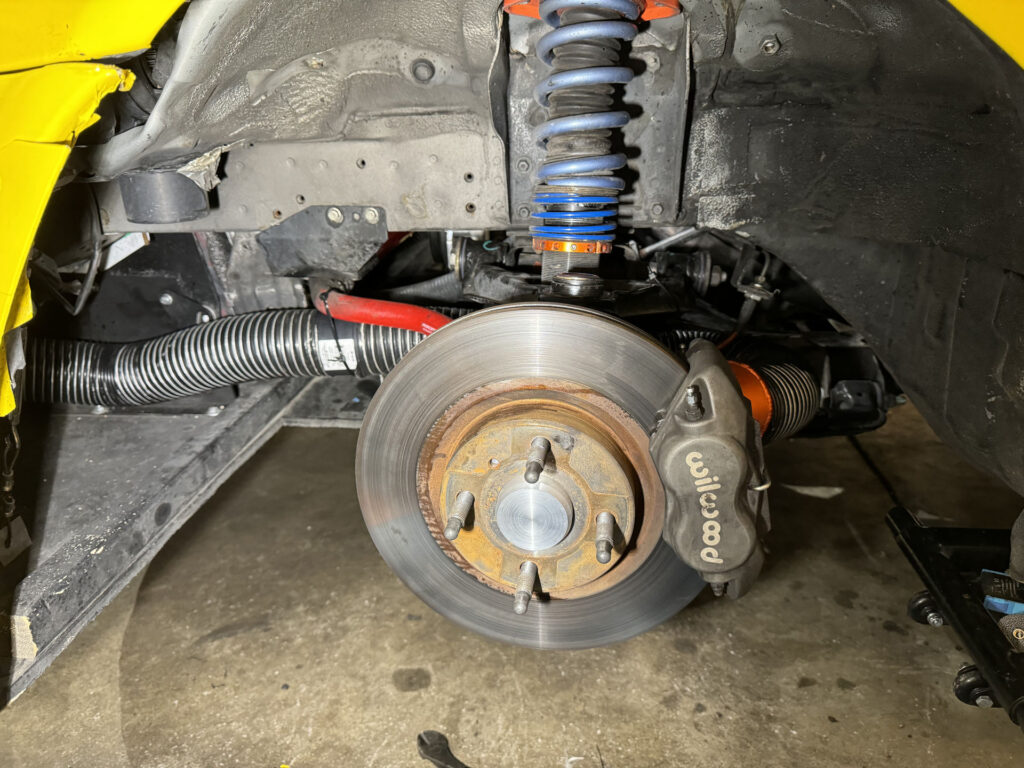
To mitigate this, a custom brake cooling duct system was implemented. The design utilized a dual-section hose configuration with a central coupler. This modular approach was a strategic maintenance decision, allowing for the partial replacement of hoses damaged by steering articulation or road debris without requiring a full system overhaul.
Data collected following the installation indicated a significant improvement in component longevity. Thermal management through directed airflow approximately doubled the service life of the brake pads. This modification allowed the development team to avoid the more costly and weight-prohibitive transition to a larger brake kit, which would have necessitated new wheel fitments and increased unsprung mass.
Comparative Performance Analysis: The 2024 Racing Season
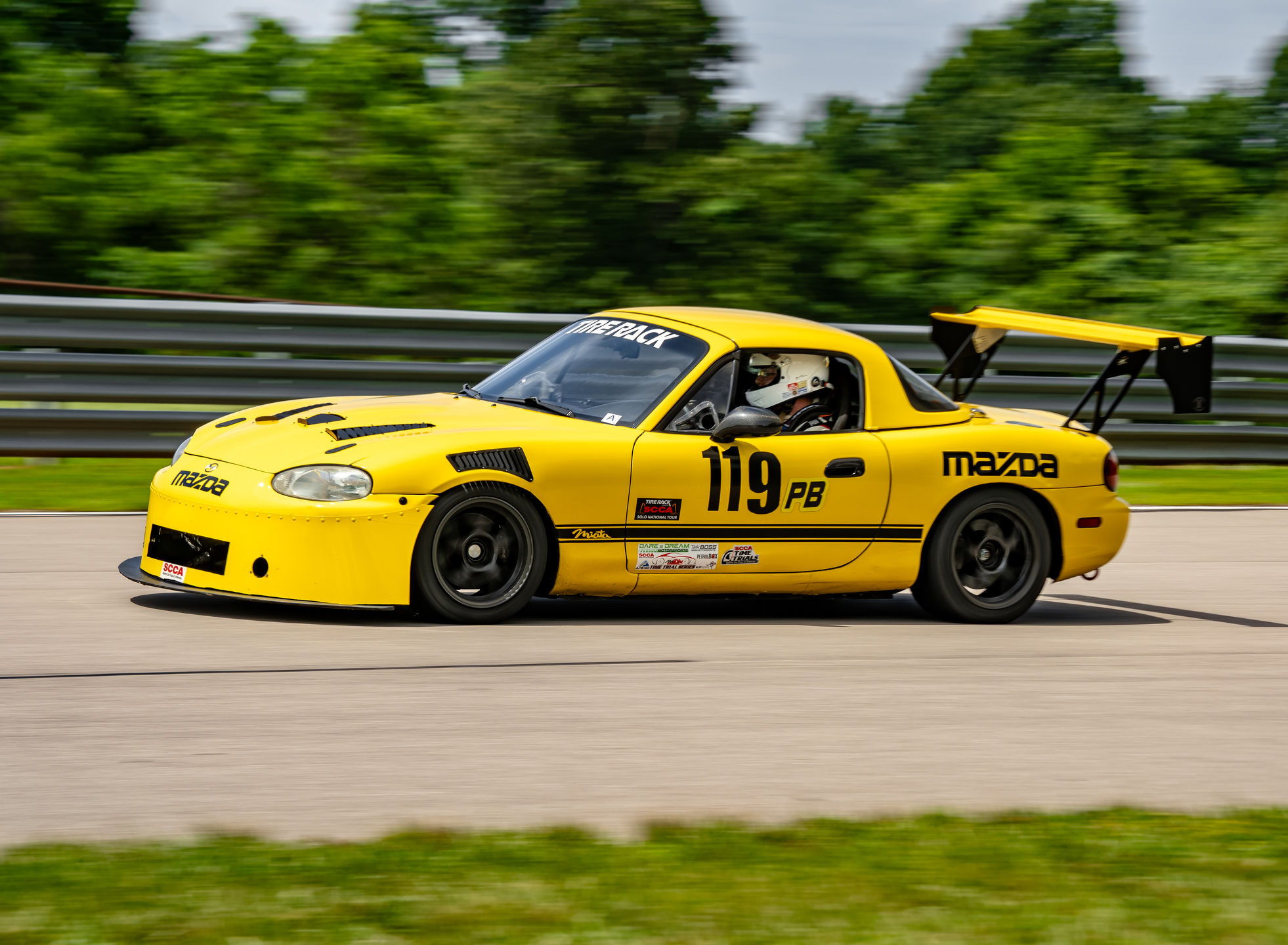
The 2024 season served as a rigorous testing ground for the vehicle’s evolving setup, with participation in SCCA Time Trials and regional track events.
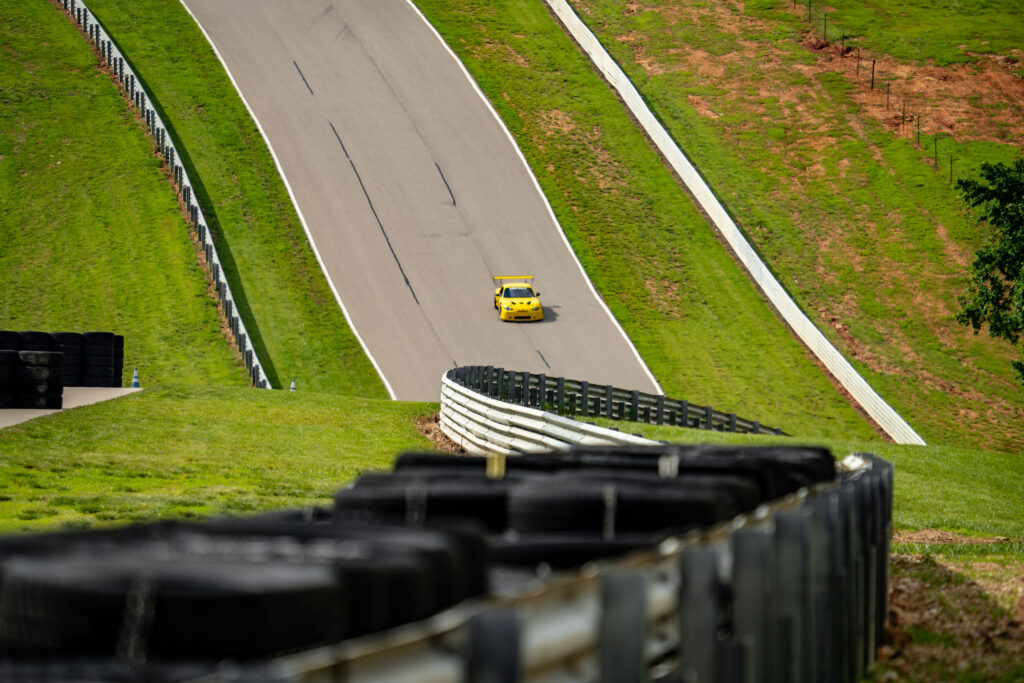
Ozarks International Raceway (June 2024)
At Ozarks International Raceway, a venue known for its extreme elevation changes and technical complexity, the vehicle demonstrated improved stability and driver confidence. The focus at this circuit was on mastering the "blind" crests and high-compression corners, where the chassis’s balance is more critical than raw horsepower.
Motorsports Park Hastings (August 2024)
The performance peak of the season occurred at Motorsports Park Hastings. Competitive data from this event highlighted the vehicle’s standing within established racing classes. The car recorded a fastest lap of 1:39.19, a 3.59-second improvement over the previous year’s personal best.
To put this data in context, the 1:39.19 time outperformed the NASA Spec Miata track record (1:40.415) and the NASA TT6 record (1:39.625). While it remained approximately five seconds off the NASA TT5 record (1:34.110), the data confirmed that the vehicle is currently performing at the upper echelon of its specific power-to-weight and modification bracket.
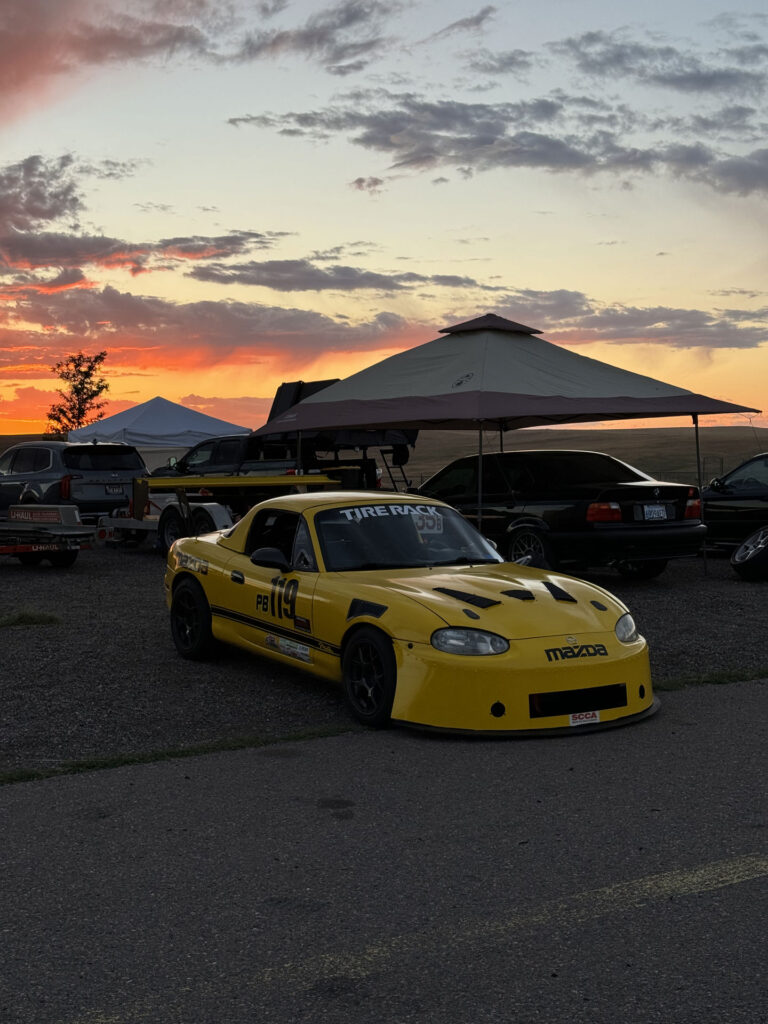
Hallett Motor Racing Circuit (November 2024)
The season concluded at Hallett Motor Racing Circuit, where the vehicle participated in bi-directional racing sessions. The ability to run the track in both clockwise and counter-clockwise configurations provided unique data on the vehicle’s symmetrical handling characteristics. However, the event also highlighted the limits of tire endurance, as worn rubber led to rear-wheel lockups and flat-spotting, signaling the end of the 2024 tire cycle.
Logistical Infrastructure and Support Systems
As the vehicle transitioned into a more dedicated track role, the logistics of transport and on-site maintenance became a primary focus. In June 2024, the acquisition of a dedicated towing vehicle shifted the operational model from "drive-to-track" to "trailered-to-track."
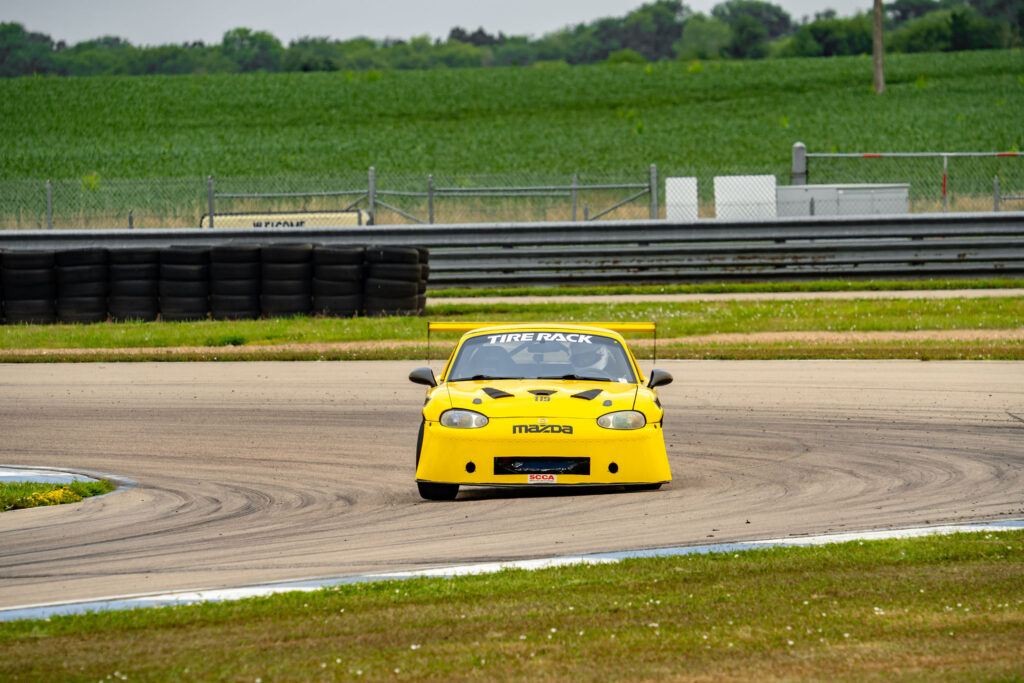
The logistical expansion included:
- The Support Vehicle: A truck outfitted with a custom-built sleeping platform and a MaxxFan Deluxe RV roof vent, allowing for on-site camping and reducing the overhead costs of multi-day events.
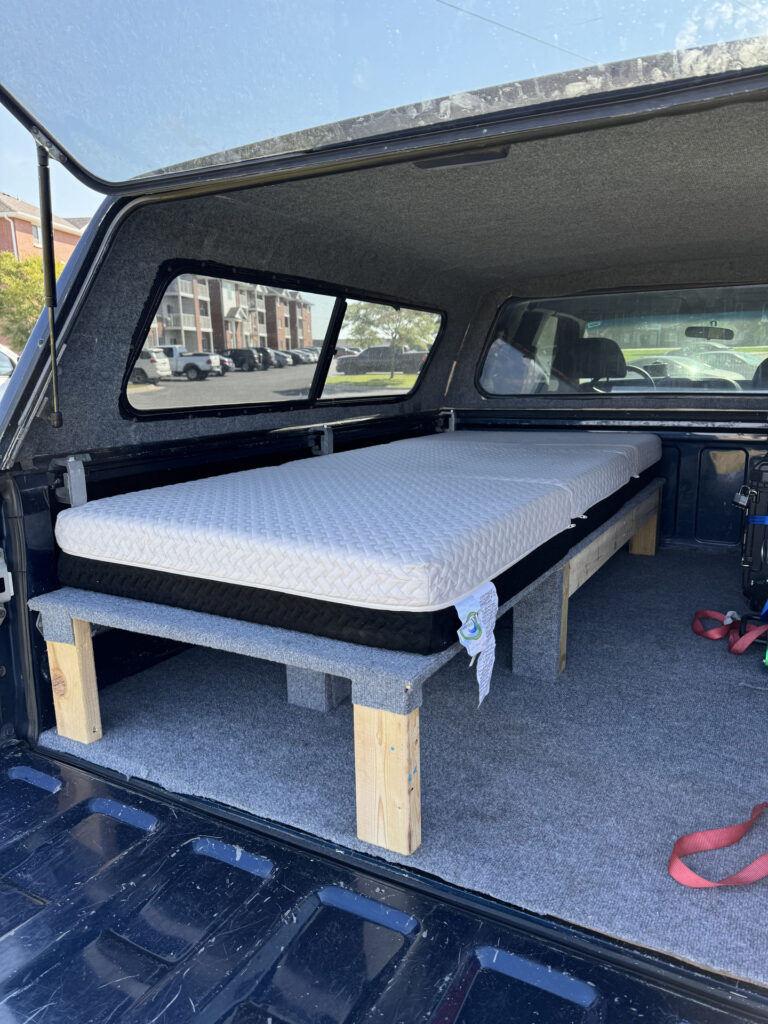
- The Trailer Build: An 18-foot open car hauler was heavily modified to meet specific racing needs. Enhancements included a 12,000-lb winch for vehicle recovery, a tongue-mounted toolbox, a dedicated tire rack, and an onboard battery system with solar charging.
- Clearance Management: Due to the low ride height and the front splitter of the NB Miata, the fixed dovetail angle of the trailer presented loading challenges. The solution involved a combination of splitter removal and the use of 2×6 timber sections to adjust the approach angle, a common requirement for aerodynamically optimized track cars.
Electronics and Communication Integration
In early 2025, the vehicle’s interior was outfitted with a General Mobile Radio Service (GMRS) system to facilitate real-time communication between the driver and the pit crew. This was prompted by the need for live timing updates during Time Trial sessions, where knowing the gap between competitors can dictate mid-session strategy.
The system utilized a Baofeng UV-5R radio hard-wired to the vehicle’s 12V power supply. The integration involved a Nerdy Racing NASCAR-style harness, modified with an IMSA connector to ensure future compatibility with driver/passenger intercoms. An NMO antenna mount was installed in the factory radio antenna location, utilizing a custom backing plate to ensure structural integrity. This low-cost, high-utility communication array represents a shift toward more professional-tier race management.
Future Development and Power Optimization
With the VVT motor currently in a state of reassessment due to observed cylinder wall wear and potential bore out-of-roundness, the 2025 season will begin with the reliable BP4W engine. To extract additional performance from this platform, a Skunk2 intake manifold was installed in January 2025.
The Skunk2 manifold is designed to improve high-RPM airflow, specifically addressing the power drop-off often seen after 7,000 RPM. While expected gains are modest—estimated between 1 and 4 wheel horsepower—the modification is aimed at flattening the power curve for more consistent delivery during the high-RPM cycles typical of track use. This will be validated via dynamometer testing later in the year to compare against the previously installed "Squaretop" manifold.
Conclusion and Longitudinal Impact
Over the course of the fourth year of ownership, the NB Miata completed 392 laps, totaling 12.1 hours of active track time across 16 days. Since the beginning of the project, the vehicle has logged over 1,023 laps and 34.6 hours of high-speed operation.
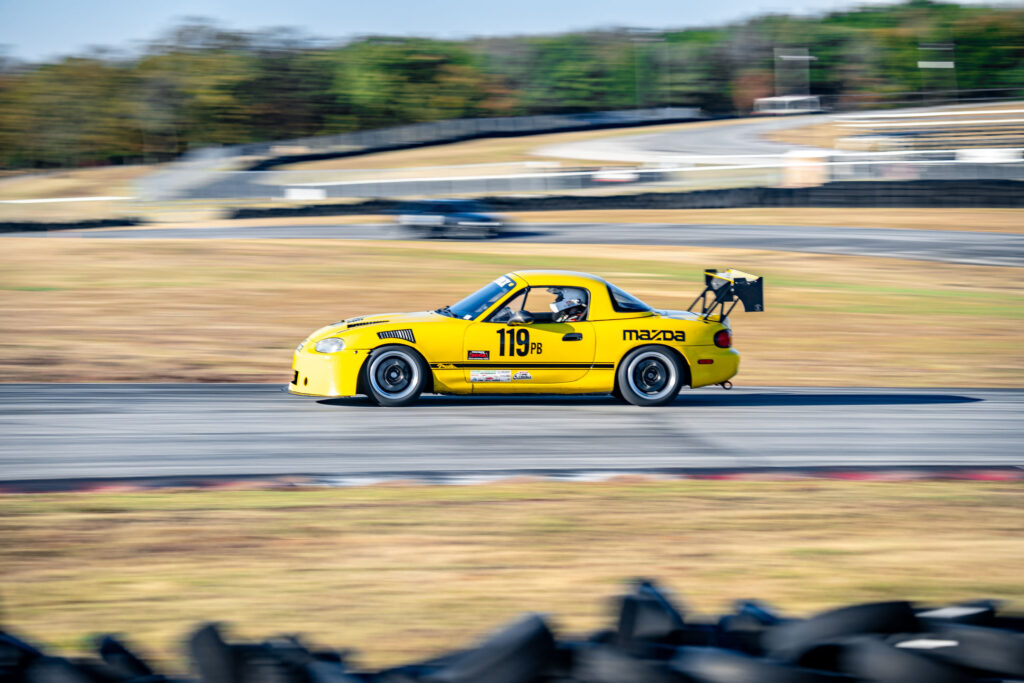
The evolution of this vehicle from a standard street car to a record-challenging time-trial machine underscores the enduring viability of the Mazda NB platform in grassroots motorsport. By systematically addressing the "weak links" in the chain—specifically thermal management and logistical efficiency—the project has demonstrated that consistent seat time, supported by data-driven mechanical refinements, remains the most effective path to performance gains. As the project enters its fifth year, the focus remains on perfecting the powertrain balance and maintaining the vehicle’s competitive edge in the regional SCCA and NASA time-trial circuits.