Cecilia Chamidah Nur
The Genesis of a Title Controversy: Mike Fischer’s Revelations
Mike Fischer, a veteran of the video game industry with significant stints at Sega (twice), Microsoft, and Namco, has a career rich with experiences that span marketing, product management, and executive leadership. His recent interview with Sega-16 has been a treasure trove of insights, ranging from his candid assessment of Yuji Naka’s professional demeanor—previously described by Fischer as "the most miserable person I have ever worked with"—to more amusing, albeit equally illustrative, incidents. The discussion around Billy Hatcher & The Giant Egg‘s title falls squarely into the latter category, highlighting the unique challenges faced when translating a creator’s intent for a global audience.
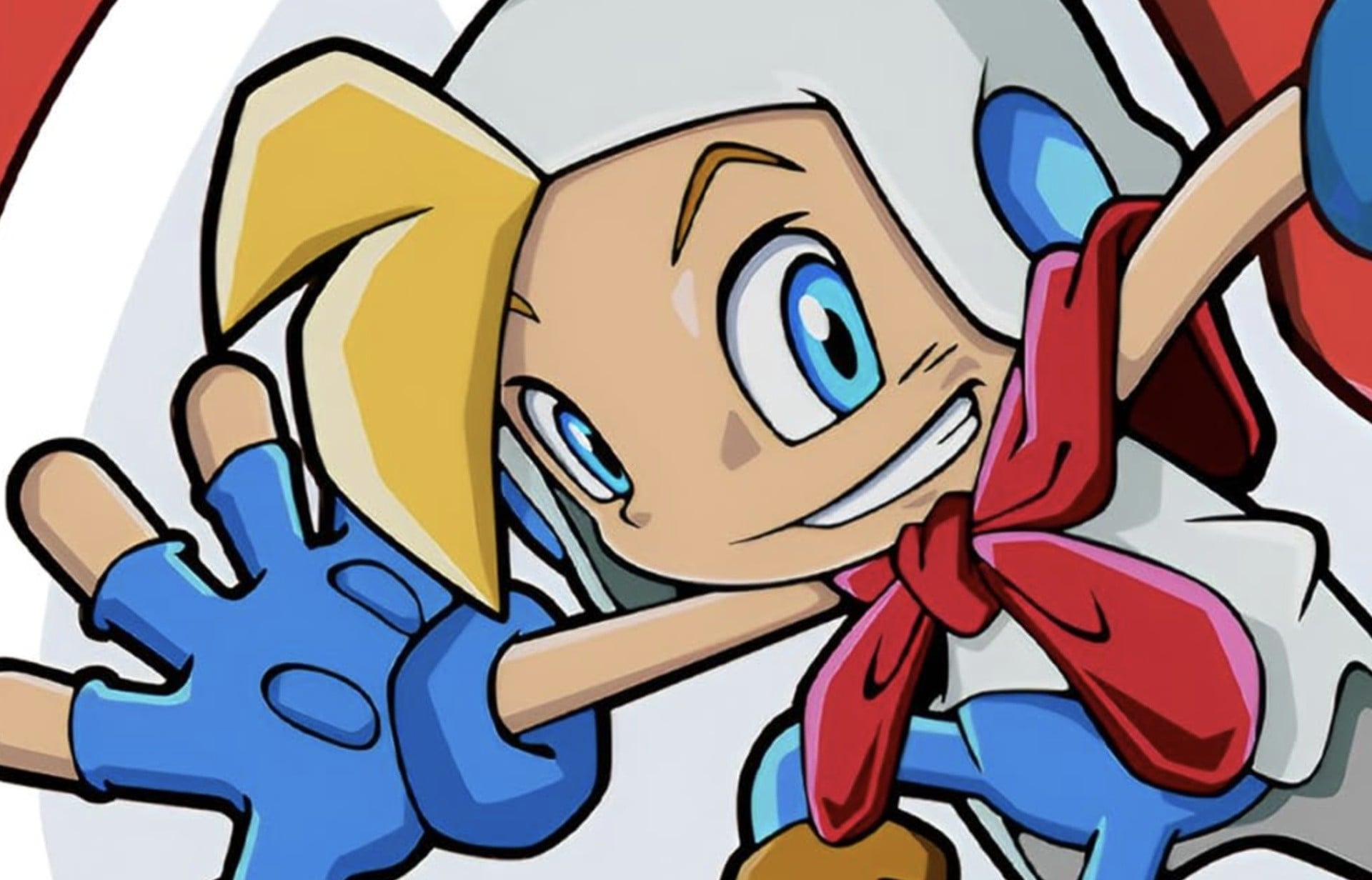
Fischer’s second tenure at Sega placed him in charge of marketing for Naka’s highly anticipated GameCube title. The game, a vibrant 3D platformer where players control a boy in a chicken suit who hatches and uses various eggs, was developed by Sonic Team, a studio synonymous with Naka’s creative leadership and responsible for the iconic Sonic the Hedgehog series. Given Naka’s stature, his involvement guaranteed a certain level of creative autonomy, but marketing in Western territories often required significant cultural adaptation.
The Initial Proposal: "Giant Eggs" and its American Connotations
According to Fischer, Naka’s initial preference for the game’s title was simply "Giant Eggs." This straightforward, descriptive name likely resonated with Naka’s direct approach to game design, emphasizing a core gameplay mechanic. However, the immediate challenge for Fischer’s Western marketing team was the inherent negative connotation of the phrase "to lay a big egg" in American English. As Fischer explained, this idiom universally signifies a failure or a flop, an outcome antithetical to the goals of a major game release. The marketing team, tasked with ensuring commercial success, quickly recognized the potential for this seemingly innocuous title to inadvertently sabotage the game’s prospects before it even hit shelves.
The rejection of "Giant Eggs" underscored the fundamental disconnect that can exist between creative teams, often steeped in their native cultural context, and marketing departments responsible for navigating diverse global markets. What might be a neutral or even intriguing descriptor in one language or culture can carry entirely different, and sometimes detrimental, meanings in another. This initial hurdle set the stage for a series of title discussions that would ultimately lead to a far more startling suggestion.
Crafting "Billy Hatcher & The Giant Egg": A Compromise
With "Giant Eggs" deemed unsuitable, Fischer’s team embarked on the critical task of devising an alternative. The aim was to capture the essence of the game—its "hatching" mechanics and its protagonist—while ensuring a positive and appealing perception in the target market. One team member proposed "Billy Hatcher," a name that highlighted the protagonist, a "cute character" central to the game’s identity. This approach shifted the focus from the generic "eggs" to the player character, offering a more personal and identifiable hook.
Despite the logical reasoning behind "Billy Hatcher," Naka-san, known for his strong creative opinions, reportedly "hated it." This resistance from the creator further complicated the marketing team’s efforts, illustrating the frequent tension between artistic integrity and commercial pragmatism. Ultimately, a compromise was reached: the game would be titled Billy Hatcher & The Giant Egg. This title retained the protagonist’s name while reintroducing the "giant egg" concept in a more palatable context, implying adventure and discovery rather than failure. Even with this refined title, Fischer notes that Naka "still hated" the final choice, a testament to his unwavering, singular vision for his creations.
The Unbelievable Suggestion: "Giant Cock"
The most extraordinary revelation from Fischer’s interview centers on a specific incident during Naka’s visit to the United States. In a moment that has since captivated the gaming community, Naka proposed an alternative title that left Fischer and his team in disbelief. Recounting the event, Fischer stated, "I promise you, I am not making up this story; I have two witnesses!" He detailed Naka’s suggestion: "Well, I know another name for the boy wearing a rooster suit. Another name for rooster is cock. Can we call the game Giant Cock in English?"

This suggestion, made through a translator, immediately highlights the perilous nature of direct linguistic translation without cultural context. While "cock" is indeed a colloquial term for a rooster, its prominent double entendre as a vulgar slang term for the male genitalia makes it unequivocally unsuitable for a family-friendly video game title. The cultural chasm between the literal translation and its deeply embedded connotations in Western English-speaking markets was stark and undeniable. Naka, operating from a literal understanding of the animal’s name, was likely unaware of the highly offensive implications of his proposed title. This incident serves as a vivid, almost comical, illustration of the critical role played by localization teams in preventing marketing disasters and ensuring products are presented appropriately to diverse audiences.
Background on Billy Hatcher & The Giant Egg
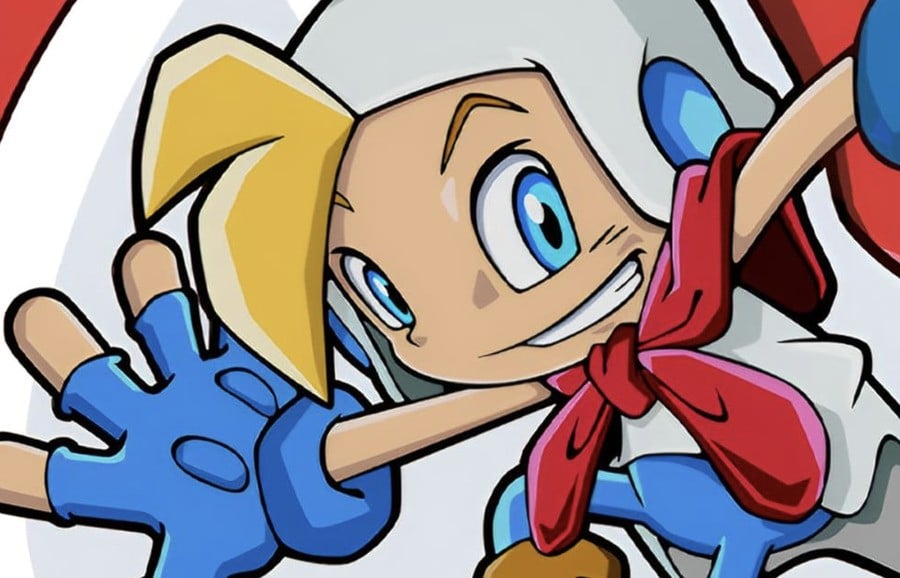
Released in 2002 for the Nintendo GameCube, Billy Hatcher & The Giant Egg was a significant title for Sega as it marked one of their early major releases as a third-party developer following their exit from the console hardware market with the discontinuation of the Dreamcast. Developed by Sonic Team, the game placed players in the role of Billy Hatcher, a boy transported to the magical land of Morning Land, which has been plunged into eternal night by the evil Dark Raven. Billy, donning a rooster suit, must save the world by hatching various eggs, rolling them to gain momentum, and using their contents (power-ups, creatures) to overcome obstacles and defeat enemies.
Despite its colorful graphics, unique gameplay mechanics, and Yuji Naka’s pedigree, Billy Hatcher & The Giant Egg received generally positive but not overwhelmingly enthusiastic reviews. Critics praised its originality and charm but often pointed to camera issues and repetitive gameplay as drawbacks. Commercially, the game did not achieve the widespread success of Naka’s Sonic titles. While exact sales figures are not publicly disclosed by Sega, it is generally considered a cult classic rather than a mainstream hit, selling moderately on a platform that itself struggled to keep pace with competitors like the PlayStation 2. This context further emphasizes the pressure on marketing teams to optimize every aspect, including the title, for maximum appeal.
The Broader Landscape: Challenges in Video Game Localization
The Billy Hatcher title debacle is a potent example of the broader challenges inherent in video game localization. The global nature of the gaming industry means that titles, characters, and storylines developed in one cultural context must often be adapted for many others. This process is far more complex than a simple word-for-word translation; it requires a deep understanding of idioms, slang, cultural sensitivities, historical contexts, and target audience demographics.
Historically, the industry is replete with examples of localization missteps, though few are as overtly humorous as Naka’s "Giant Cock" suggestion. From poorly translated dialogue that alters character personalities to culturally inappropriate imagery, these errors can range from minor gaffes to significant commercial liabilities. The primary goal of localization is not just to make content understandable, but to make it relatable and acceptable within the target culture, preserving the original intent while avoiding unintended offense or confusion.
The Japanese language, in particular, presents unique challenges for Western localization. Its grammatical structure, honorifics, and frequent use of loanwords (often with altered meanings) require skilled translators who are not just bilingual but bicultural. Furthermore, Japanese developers often prioritize directness or poetic abstraction in their titles, which may not translate well to Western markets that prefer clear, action-oriented, or character-driven titles. The tension between a creator’s artistic vision and the pragmatic demands of international marketing is a constant in the industry. Developers often feel a strong connection to their original ideas, while marketing teams are acutely aware of how a title can make or break a product’s initial reception.
Yuji Naka’s Creative Vision vs. Market Realities
Yuji Naka’s career is marked by a reputation for both immense creativity and a sometimes-difficult working style. As the lead programmer and head of Sonic Team, he was instrumental in creating one of gaming’s most enduring franchises. His vision often pushed technological boundaries and established new gameplay paradigms. However, his strong creative convictions, as evidenced by his reported dislike for the Billy Hatcher & The Giant Egg title, could sometimes clash with the practicalities of marketing in diverse global markets.
This dynamic is not unique to Naka but is a common theme in creative industries. Visionary artists often prioritize their artistic integrity above all else, sometimes overlooking commercial considerations or external perceptions. Marketing professionals, on the other hand, are tasked with bridging the gap between artistic creation and consumer demand, requiring them to be highly attuned to market trends, competitor strategies, and cultural sensitivities. The anecdote about "Giant Cock" perfectly encapsulates this tension: a brilliant developer, likely with no ill intent, proposes a name based on a literal interpretation, only to be met with the stark reality of linguistic and cultural double meanings that would be catastrophic for brand image and sales.
The Importance of a Game’s Title

A game’s title is its first handshake with the consumer. It is the primary identifier, appearing on box art, digital storefronts, and marketing materials. A compelling, memorable, and appropriate title can pique interest, convey genre, and establish tone. Conversely, a confusing, unappealing, or offensive title can deter potential buyers, regardless of the game’s quality.
In the hypothetical scenario where Billy Hatcher had been released as "Giant Eggs" or, even more disastrously, "Giant Cock," the commercial implications would have been severe. "Giant Eggs" might have been perceived as bland or, worse, ironically foreshadowing commercial failure. "Giant Cock," however, would have instantly branded the game as either a crude, inappropriate title or a bizarre, unintentional comedy, alienating its target audience (children and families) and likely leading to widespread ridicule and boycotts. The marketing team’s intervention, therefore, was not merely a matter of preference but a critical act of brand protection and strategic positioning.
The final chosen title, Billy Hatcher & The Giant Egg, while perhaps not Naka’s ideal, successfully navigated these treacherous waters. It is descriptive, protagonist-focused, and avoids any negative connotations, aligning it with the family-friendly aesthetic of the game. It stands as a testament to the collaborative, albeit sometimes contentious, process required to bring a video game to a global market.
Conclusion: A Lingering Legacy of Localization
Mike Fischer’s anecdote about Yuji Naka’s "Giant Cock" suggestion for Billy Hatcher & The Giant Egg is more than just a humorous story from the annals of gaming history. It serves as a potent, real-world illustration of the complex, often unseen challenges faced by the video game industry in its pursuit of global reach. It underscores the critical importance of skilled localization teams who possess not just linguistic proficiency but also deep cultural understanding.
The incident highlights the perennial tension between a creator’s unadulterated vision and the pragmatic demands of marketing and cultural appropriateness. While Yuji Naka’s creative genius is undeniable, this story reminds us that even the most brilliant minds can benefit from external perspectives when navigating the intricate landscape of international commerce and communication. The fact that this anecdote continues to resurface years later speaks to its enduring power as a cautionary tale and a vivid reminder of how easily cultural nuances can be misinterpreted, with potentially disastrous consequences for a product’s success and reputation. Ultimately, the story of Billy Hatcher & The Giant Egg‘s title is a testament to the unsung heroes of localization who work tirelessly to ensure that games can be enjoyed by players across the globe, without getting lost in translation.