Cecilia Chamidah Nur
Revolutionizing N64 Cartridge Dumping
The N64 SwapDumper tool represents a notable advancement in the field of retro game preservation. Historically, dumping Nintendo 64 cartridges required dedicated hardware, often expensive and sometimes difficult to acquire. These devices would interface directly with the cartridge pins, reading the data and transferring it to a computer. Mntorankusu’s solution, however, leverages the existing functionality of a flash cart—a device already common among N64 enthusiasts for playing ROMs on original hardware—to perform the dumping process. This approach democratizes access to cartridge content extraction, making it more accessible to a wider audience of collectors and preservationists.
The software is explicitly stated by mntorankusu to be "inspired by and based on sharksaver64 by @Jhynjhiruu, @ppcasm and @Modman," acknowledging the foundational work of previous community members. This collaborative spirit is a hallmark of the retro gaming and homebrew development scene, where incremental improvements and shared knowledge often lead to significant breakthroughs. The core innovation of N64 SwapDumper lies in its "swap" methodology, a clever workaround that bypasses the need for continuous direct access to the cartridge ROM via dedicated dumping hardware.
Understanding the "Swap" Method: A Technical Deep Dive
The operational principle behind N64 SwapDumper is ingenious, albeit somewhat manual. The process begins with the user inserting a flash cart, pre-loaded with the N64 SwapDumper application, into their Nintendo 64 console. Upon launching the application, the console is put into a state where it can temporarily hold a segment of data in its RAM. The user then physically removes the flash cart and, while the console remains powered, inserts the target N64 game cartridge they wish to dump. The N64 SwapDumper application, still resident in RAM, then reads a "chunk" of data—specifically, the largest segment it can accommodate—from the newly inserted game cartridge into the console’s volatile memory.
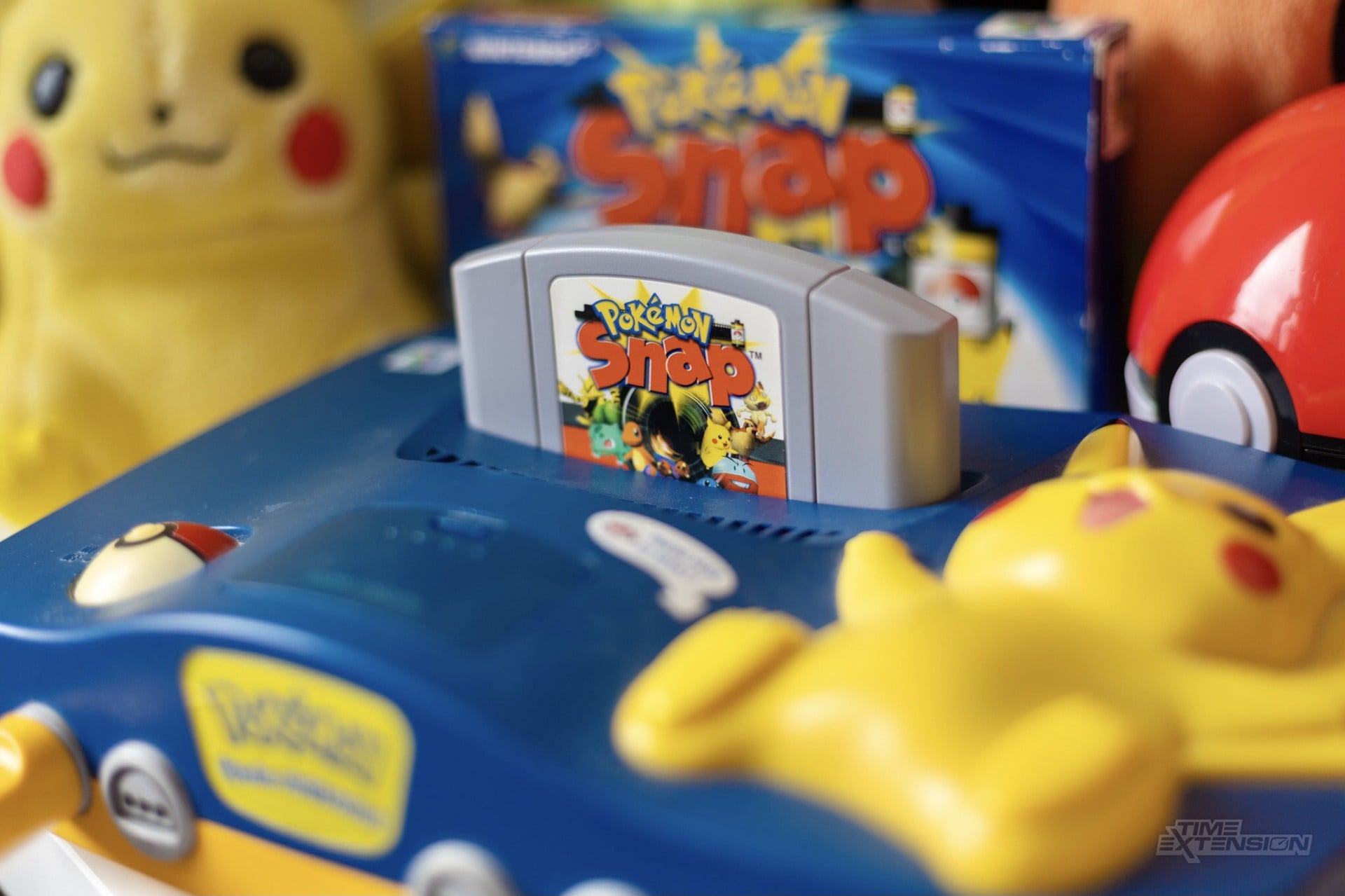
Following this, the user must once again remove the game cartridge and re-insert the flash cart. The application then saves the previously extracted data chunk from the console’s RAM onto the flash cart’s SD card. This back-and-forth "swap" procedure is repeated multiple times until the entirety of the game’s ROM data has been transferred chunk by chunk to the SD card. For a console like the Nintendo 64, which typically features ROM sizes ranging from 4 MB to 64 MB (or even larger for some prototypes), this can entail numerous swaps depending on the game’s size and the console’s RAM capacity. The developer notes that the tool was initially tested on a SummerCart flash cart, indicating that compatibility with other popular flash carts like the EverDrive 64 series would likely require further testing or minor adjustments, though the underlying principle should remain consistent.
A key optimization implemented by mntorankusu is the compression of ROM data within the console’s memory before saving it to the SD card. This compression aims to reduce the number of physical swaps required, thereby streamlining the dumping process and minimizing user interaction time. However, the developer candidly acknowledges that this compression is not universally effective. "On games that don’t compress well, the extra overhead actually makes it worse (and slower). I’ll try to improve that," mntorankusu stated, highlighting the ongoing nature of homebrew development and the iterative refinement process. This transparency is valuable, managing user expectations and encouraging community feedback for future improvements.
Acknowledging the Risks: A Cautionary Note
While the convenience of N64 SwapDumper is undeniable, the developer issues a robust warning regarding the inherent risks associated with the "hot-swapping" methodology. Repeatedly inserting and removing cartridges from a powered console, particularly during active memory operations, carries potential dangers. The primary concern is the possibility of physical damage to the console’s cartridge slot pins or the cartridge’s contacts if the insertion is not perfectly aligned.
Mntorankusu specifically cautions against using the tool if the console has been modified to remove the region-keyed cartridge tray insert. This plastic insert, designed to prevent insertion of cartridges from different regions, also serves a crucial purpose in guiding the cartridge into the slot precisely. Its absence can make it significantly easier for a cartridge to be inserted at an angle, leading to pins connecting incorrectly or even bridging, which could result in electrical shorts and potential damage to the console’s motherboard or the cartridge itself.
Furthermore, the developer advises against using "bare PCB flash carts or game cartridges" or in any situation where "the cartridge might be inserted crooked, off-center, etc." Bare PCBs lack the protective plastic casing of standard cartridges, making them more vulnerable to misalignment and direct contact with foreign objects or static electricity. The warning concludes with a clear disclaimer: "Use the software at your own risk! You have been warned!" This emphasizes the experimental nature of homebrew tools and places the responsibility squarely on the user to exercise caution and judgment. Despite repeated personal testing without damage, the developer’s conservative stance underscores the delicate nature of retro hardware.

The Genesis of N64 SwapDumper: Community and Preservation
The motivation behind developing N64 SwapDumper extends beyond mere technical curiosity. Mntorankusu articulated a broader philosophical aim, stating that it is "quite important for the legitimacy of the flash-cart-using community for everyone to have the ability to dump cartridges." This statement addresses a persistent ethical debate within the retro gaming community concerning the use of flash carts. While flash carts offer undeniable benefits in terms of convenience, game accessibility, and preservation, their association with readily available pirated ROMs can sometimes cast a shadow over their legitimate uses.
By providing a tool that allows users to create their own backups from legally owned physical cartridges, mntorankusu aims to reinforce the distinction between piracy and legitimate game preservation. "Now you don’t need to commit piracy just to dump a copy of a game you already own to play on your flash cart," the developer explained. This empowers users to build a personal library of digital backups of their physical collection, allowing them to play these games on their flash cart without resorting to illicit downloads. This not only enhances the user experience but also aligns with a more ethical and legally defensible stance on retro gaming.
Beyond ROM dumping, the tool also offers the ability to back up game saves, a feature perhaps even more immediately practical for the average N64 owner. The developer noted, "You can also back up your saves with this, which is perhaps more useful to the average person." Loss of save data due to battery degradation in older cartridges is a common concern for retro gamers, and a reliable backup solution is invaluable. Mntorankusu also expressed openness to adding a "save restore function" if there is sufficient community interest, indicating a responsiveness to user needs and a potential for further development.
Historical Context: N64 Preservation and Dumping Efforts
The Nintendo 64, launched in 1996, holds a significant place in video game history, renowned for its pioneering 3D graphics and iconic titles like Super Mario 64, The Legend of Zelda: Ocarina of Time, and GoldenEye 007. With over 32 million units sold worldwide and a library of nearly 400 distinct game titles, its preservation is crucial for future generations of gamers and historians. However, preserving software from cartridge-based systems presents unique challenges compared to disc-based media. Cartridges, while robust, are susceptible to physical damage, degradation of internal components (like ROM chips and save batteries), and eventually, obsolescence as original hardware fails.
Early efforts in N64 game preservation and dumping were often undertaken by dedicated enthusiasts and groups, sometimes involving reverse engineering or utilizing specialized hardware designed for development or testing purposes. Devices like the Doctor V64, Z64, and eventually more sophisticated universal cartridge dumpers (such as the Retrode or commercial solutions from specific vendors) emerged over the years. These tools varied in cost, complexity, and compatibility, but all shared the common goal of extracting the raw data from game cartridges.
The advent of flash carts, like the EverDrive 64 (first released around 2010), marked a pivotal moment. While primarily designed for playing ROMs, their ability to interface with the console and an SD card laid the groundwork for bidirectional data transfer, making tools like N64 SwapDumper possible. The evolution from complex, bespoke dumping hardware to a software solution running on a widely adopted flash cart signifies a maturation of the retro gaming preservation ecosystem, moving towards more accessible and integrated tools. This trend mirrors broader movements in digital archaeology, where efforts are continually made to streamline the process of digitizing and archiving historical software.
Broader Implications for Game Preservation and Accessibility
The release of N64 SwapDumper carries significant implications for the broader landscape of video game preservation and accessibility. Firstly, it substantially lowers the financial and technical barriers to entry for creating personal ROM backups. Previously, an enthusiast might have needed to invest in a dedicated dumping device, which could range from tens to hundreds of dollars, in addition to their flash cart. Now, if they already own a flash cart, the only additional requirement is the free N64 SwapDumper software. This increased accessibility is critical for encouraging more individuals to actively participate in preserving their own game collections.
Secondly, the tool reinforces the ethical argument for flash cart ownership. By providing a legitimate pathway for users to play their owned games digitally, it helps to dispel the perception that flash carts are solely tools for piracy. This distinction is vital for the long-term health and public perception of the retro gaming community, fostering a culture of responsible ownership and digital stewardship. In an era where physical media is slowly giving way to digital distribution, and older console generations are increasingly difficult to maintain, the ability to create personal backups is not just a convenience but a critical act of preservation.
Thirdly, this development could spur further innovation in homebrew tools. The "swap" method, while manual, demonstrates a creative approach to overcoming hardware limitations. It might inspire similar software-based dumping solutions for other cartridge-based systems, or lead to further refinements in N64 dumping itself, such as improved compression algorithms or even semi-automated swap detection with specialized hardware modifications. The community aspect, with mntorankusu building upon the work of others and inviting feedback, exemplifies the collaborative spirit that drives such advancements.

The Future of N64 SwapDumper and Community Adoption
While mntorankusu expressed some uncertainty about the tool’s widespread adoption, the utility’s potential impact on the N64 community, as evidenced by discussions on platforms like Reddit (as linked in the original report), suggests a strong demand. The ability to back up cherished save files alone is a compelling feature for many players, safeguarding years of progress in games like Ocarina of Time or Paper Mario. The prospect of a "save restore function" would further cement its utility, transforming it into a comprehensive save management solution.
The ongoing optimization of the compression algorithm is another area of anticipated improvement. Enhancing compression efficiency will directly reduce the manual effort required for dumping larger ROMs, making the process faster and less cumbersome. Furthermore, broader compatibility testing with other popular N64 flash carts beyond the SummerCart, particularly the various iterations of the EverDrive 64, will be crucial for maximizing the tool’s reach and impact across the community.
In conclusion, N64 SwapDumper by mntorankusu marks a significant milestone in Nintendo 64 game preservation. By enabling cost-effective and accessible cartridge dumping via flash carts, it empowers enthusiasts to ethically back up their physical game and save data, fostering a stronger culture of digital stewardship within the retro gaming community. While the manual "swap" method and inherent risks necessitate caution, the tool’s ingenuity and its potential to democratize preservation efforts make it a valuable contribution to the ongoing legacy of the Nintendo 64. As homebrew development continues to evolve, innovations like N64 SwapDumper ensure that the rich history of video gaming remains accessible and playable for generations to come.