Hartono Sudibyo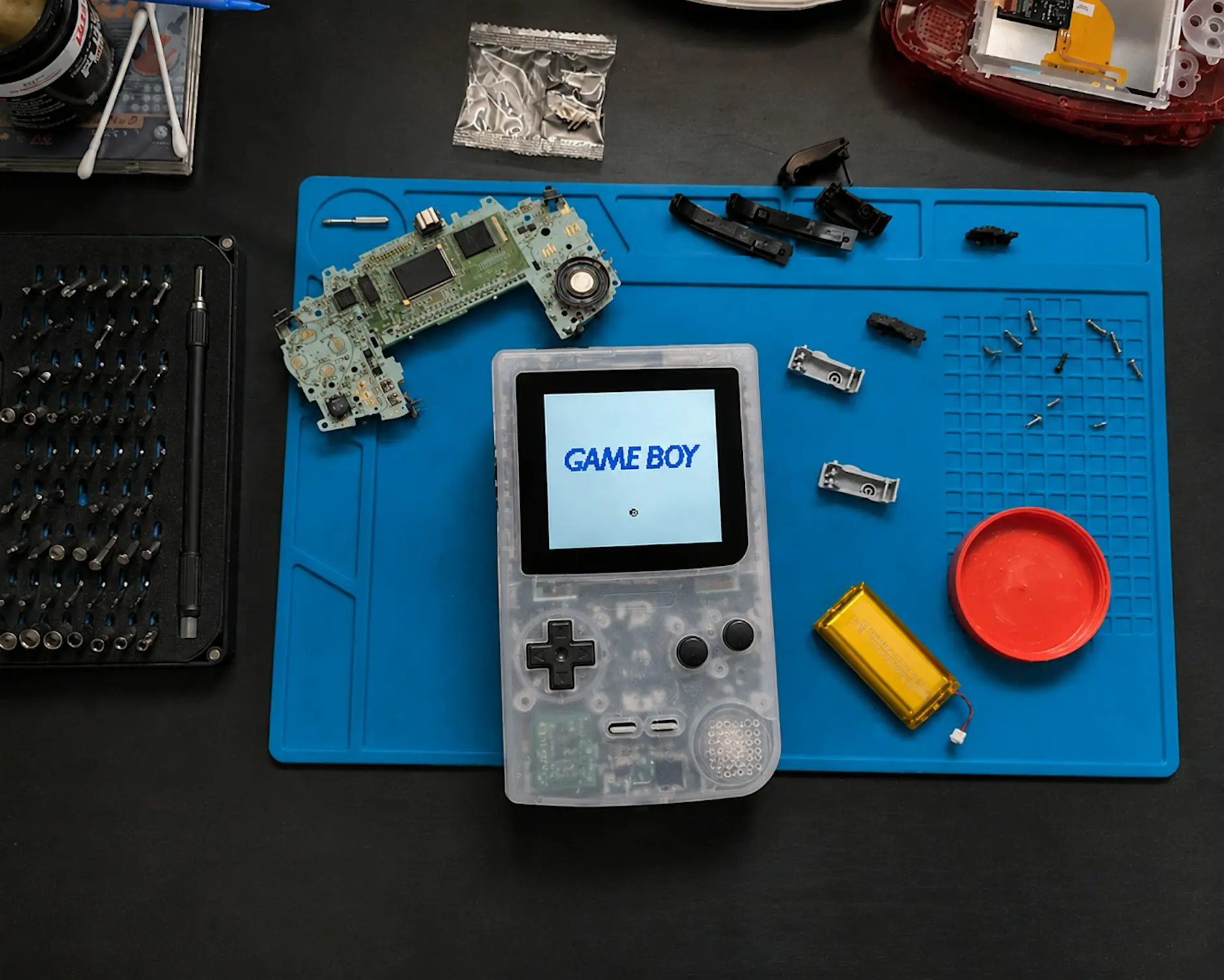
A highly sought-after workshop that has captivated retro gaming enthusiasts in Tokyo’s Akihabara district, offering participants the chance to craft their own customized Game Boy consoles, is making its highly anticipated debut in the United Kingdom. This immersive experience, which allows visitors to modify and personalize iconic handhelds using third-party shells and advanced upgrades to take home as unique souvenirs, has proven immensely popular with tourists and dedicated retro gamers alike. Now, thanks to the efforts of a passionate British modder, this unique opportunity is set to unfold in London, in collaboration with Four Quarters, a renowned establishment in the city’s burgeoning retro gaming bar scene.
The arrival of this Game Boy modding workshop in the UK marks a significant moment for the nation’s retro gaming community. For years, aficionados have traveled to Japan to partake in such hands-on experiences, often citing the workshop as a fun, nostalgic, and educational activity. Participants not only engage with friends and family in a creative endeavor but also gain a deeper understanding of the engineering and design principles behind one of the most influential video game consoles ever created. The Game Boy, first released by Nintendo in 1989, revolutionized portable gaming with its affordable price point, accessible gameplay, and robust library of titles, selling over 118 million units worldwide and cementing its place in cultural history.
The UK launch is spearheaded by Fabio, an independent modder widely recognized within the online community under the handle @MillennialDad_Modding on Instagram. Fabio’s dedication extends beyond mere console modification; he champions the positive impact of "slow gaming," and retro gaming in particular, on mental well-being. His initiative to bring the Akihabara-style workshop to London is a testament to his commitment to sharing this passion and fostering a sense of community around vintage gaming technology.
The chosen venue for this groundbreaking event is Four Quarters Elephant Park, one of the prominent locations of the popular retro gaming bar chain. Four Quarters has established itself as a hub for gamers, offering a curated selection of classic arcade machines and consoles alongside a vibrant social atmosphere. The collaboration promises an environment that blends hands-on customization with the enjoyment of retro gaming culture, allowing attendees to not only build their dream Game Boy but also to experience the venue’s extensive collection of games during breaks.
This expansion into the UK aligns with a growing interest in retro gaming and the broader gaming heritage. Recent observations, such as a visit to the National History Museum’s extensive gaming exhibition in London, which showcased over 100 different consoles and featured interactive elements like a multiplayer Halo session, highlight a public appetite for engaging with gaming’s past. While the author previously noted a perceived lack of dedicated gaming experiences in London compared to other global metropolises, the emergence of this specialized workshop represents a positive step towards addressing that gap, offering a niche yet deeply engaging activity for enthusiasts.
The workshop is priced at approximately £219. While this figure may appear substantial, it is important to consider the comprehensive value offered. Attendees receive a fully modded Game Boy console, complete with a new custom shell, a revitalized display, and updated buttons. The cost of acquiring such customized retro consoles from independent modders can often exceed this price point in the current market. Furthermore, the workshop provides an invaluable experience of building the console under expert guidance, transforming the purchase into a participatory event rather than a mere transaction. The inclusion of a Game Boy game to take home adds further value, providing immediate enjoyment with the newly created device.
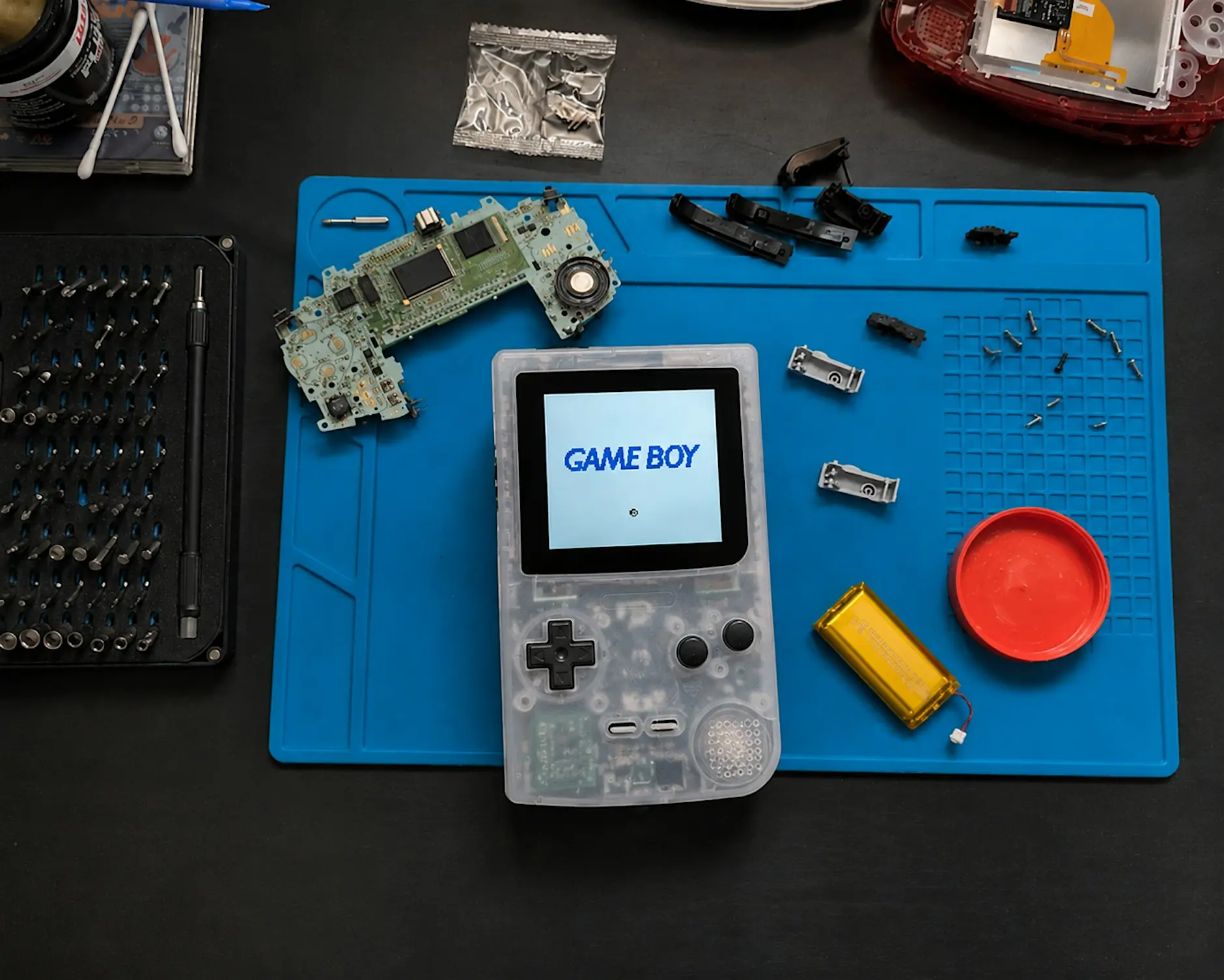
Fabio’s approach to the workshop is meticulously planned. He supplies all necessary components, from the smallest screws and specialized tools to a selection of third-party accessories that allow for extensive personalization. Participants will have the opportunity to select their preferred shell color, button configurations, and other aesthetic finishing touches, ensuring that each Game Boy is a unique reflection of its owner’s style. This hands-on assembly process, guided step-by-step by an experienced modder, aims to demystify the technical aspects of console modification and empower attendees with newfound skills and knowledge.
The workshop’s curriculum, as outlined by Fabio, is designed to be both informative and engaging. "You will explore the history of handheld gaming, try out a range of modded retro consoles (including Nintendo, Game Gear and modern Retro Consoles), and then build a fully working Game Boy Colour customised to your own style," he stated. "Choose your shell colour, button colours, and finishing touches, then assemble your console with step-by-step guidance. By the end of the workshop, you will leave with your own custom-built Game Boy Colour, ready to play, including one game to take home with you." This structured approach ensures that participants gain a holistic understanding of retro gaming hardware and its evolution.
The Game Boy Color, a successor to the original Game Boy, was released in 1998 and introduced a full-color screen, significantly enhancing the visual experience of portable gaming. It sold over 43 million units globally, further solidifying Nintendo’s dominance in the handheld market. The ability to customize this iconic console, a device that brought countless hours of joy to a generation, taps into a powerful sense of nostalgia and personal connection for many.
The Chronology of this Initiative:
The genesis of this UK workshop can be traced back to the success and popularity of similar events held in Japan, particularly in the hub of electronic innovation and gaming culture, Akihabara. While the exact start date of the Akihabara workshops is not specified in the provided text, their sustained popularity over several years has clearly inspired international replication.
Fabio, operating as @MillennialDad_Modding, has cultivated a significant following online through his consistent output of high-quality Game Boy modifications and his advocacy for retro gaming’s mental health benefits. This online presence likely served as the foundation for developing a structured workshop format. The decision to partner with Four Quarters in London signifies a strategic move to leverage an established venue with a pre-existing community of retro gaming enthusiasts.
The announcement and subsequent booking availability on Eventbrite indicate a concrete timeline for the workshop’s rollout. The initial sessions are scheduled for June 30th, 2026, at 19:00, and July 14th, 2026, at 19:00. These dates suggest that the planning and logistical arrangements for the workshop have been in progress for a considerable period, culminating in this public launch. The pricing and detailed itinerary further underscore the thoroughness of the preparation.
Supporting Data and Context:
The Game Boy’s impact on the global gaming landscape cannot be overstated. Launched at a time when portable gaming was in its nascent stages, it offered a durable, battery-efficient, and affordable alternative to home consoles. Its monochrome screen, initially perceived as a limitation, became an iconic feature, and its library of games, including seminal titles like Tetris, Pokémon Red/Blue, and Super Mario Land, became cultural touchstones. The subsequent release of the Game Boy Color, with its advanced features, further solidified Nintendo’s market dominance and offered a more visually rich portable gaming experience.
The market for retro gaming hardware and accessories has seen a significant resurgence in recent years. Factors contributing to this trend include:
- Nostalgia: A growing demographic who grew up with these consoles are now seeking to relive their childhood memories.
- Collectibility: Vintage gaming consoles and cartridges are increasingly viewed as collectible items, with some rare editions fetching high prices at auction.
- Affordability: Compared to the latest high-end gaming hardware, retro consoles often represent a more budget-friendly entry point into gaming.
- Appreciation for Simplicity: In an era of increasingly complex and graphically intensive games, there is a renewed appreciation for the straightforward gameplay and design of retro titles.
- The "Slow Gaming" Movement: As highlighted by Fabio, there’s a growing recognition of the therapeutic benefits of engaging with simpler, more focused gaming experiences that can help reduce stress and improve mental well-being.
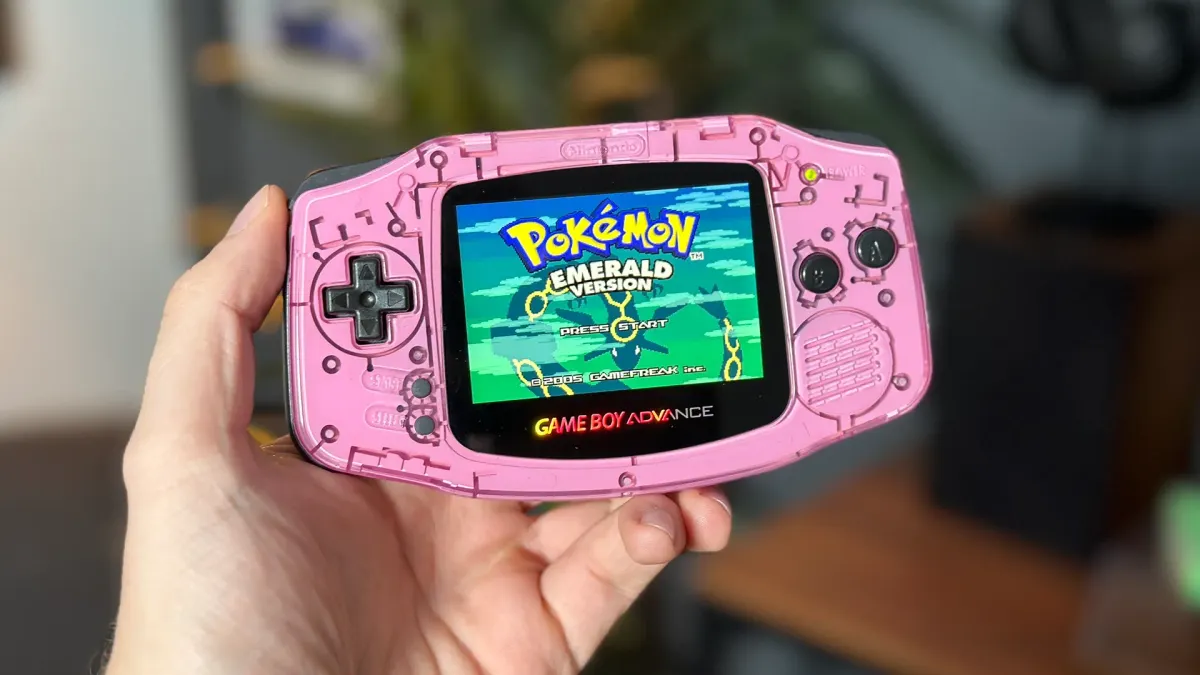
The modding community plays a crucial role in this resurgence. Modders not only repair and restore vintage hardware but also enhance it with modern upgrades, such as brighter LCD screens, rechargeable batteries, and custom shells. These modifications make old consoles more enjoyable to play on modern setups and cater to a demand for personalized gaming experiences. The Akihabara workshops represent a formalized and accessible way for a wider audience to participate in this culture of enhancement and customization.
Broader Impact and Implications:
The introduction of the Game Boy modding workshop in London has several significant implications for the UK’s gaming scene:
- Accessibility to Niche Experiences: It democratizes access to a unique and specialized gaming experience that was previously largely confined to Japan. This can inspire further development of similar niche gaming events and workshops across the UK.
- Boosting the Retro Gaming Economy: The workshop contributes to the growing retro gaming economy by creating demand for modding parts, services, and related merchandise. It also supports local businesses like Four Quarters.
- Promoting Digital Heritage and Education: By encouraging hands-on interaction with vintage technology, the workshop fosters an appreciation for the history of gaming and the evolution of digital devices. It serves as an educational platform, teaching participants about electronics, soldering (if applicable to the specific mod), and the principles of hardware customization.
- Mental Well-being Advocacy: Fabio’s emphasis on the mental health benefits of retro gaming aligns with broader societal discussions about digital well-being and mindfulness. The workshop provides a tangible activity that can foster focus, creativity, and a sense of accomplishment, contributing positively to mental health.
- Community Building: Such events serve as gathering points for like-minded individuals, fostering a sense of community and shared passion among retro gaming enthusiasts. This can lead to further collaborations and initiatives within the scene.
The success of this workshop could pave the way for other Japanese-inspired gaming experiences to find a foothold in the UK. It demonstrates a market demand for authentic, hands-on engagement with gaming history beyond simply playing games on emulators or modern consoles. The collaborative model, bringing together independent modders and established venues, offers a blueprint for future ventures in the experiential gaming sector.
In conclusion, the arrival of this Game Boy modding workshop in London is more than just an opportunity to build a retro console; it is a celebration of gaming heritage, a testament to the enduring appeal of iconic hardware, and a forward-looking initiative that champions creativity, education, and mental well-being within the vibrant landscape of retro gaming. The collaboration between Fabio and Four Quarters promises a memorable experience for all who participate, solidifying London’s growing reputation as a destination for diverse and engaging gaming culture.