Cecilia Chamidah Nur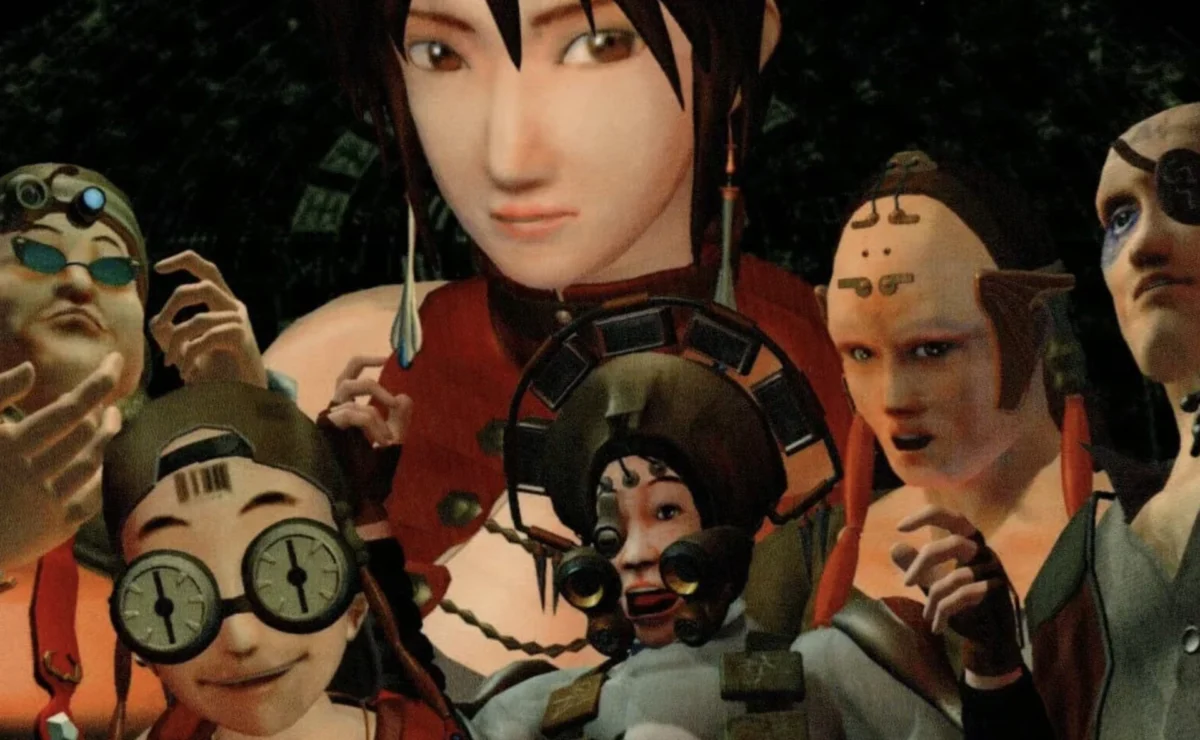
In a significant development for retro gaming enthusiasts and preservationists, the acclaimed fan translation group Hilltop has officially announced and released an English patch for Sony’s PlayStation 1 adventure title, Kowloon’s Gate. This long-awaited translation unlocks a unique piece of Japanese gaming history for a global audience, making accessible a title previously confined to its original territory since its 1997 release. The announcement, which came after a period of intense speculation within the fan community, underscores Hilltop’s continued dedication to bringing culturally significant, Japan-exclusive titles to English-speaking players.
Hilltop, a name synonymous with high-quality fan localization, unveiled the Kowloon’s Gate patch on Monday, May 25th, 2026, at 9:30 am, confirming what many had hoped for. This ambitious project represents another feather in the cap for a team renowned for tackling technically challenging and narratively rich games. Their portfolio includes celebrated fan patches for titles such as Racing Lagoon, Aconcagua, Boku no Natsuyasumi 2, and Mega Man Legends 2 Episode 1: Roll’s Close Call!. Beyond fan projects, Hilltop has also played a pivotal role in the official localization of the PS1 cult classic Milano’s Oddjob Collection, which saw a multi-platform release across PC, PS4, PS5, Switch, Switch 2, Xbox One, and Xbox Series X|S, further cementing their reputation as experts in the field.
The Enigmatic World of Kowloon’s Gate
Kowloon’s Gate is not merely another forgotten PS1 game; it is a profound artistic statement, a surreal adventure that delves into themes of urban decay, spirituality, and the metaphysical. Conceived in 1992 and publicly announced in 1994, its development cycle was unusually protracted for the 1990s gaming landscape, reflecting the sheer ambition and complexity of its vision. Upon its release in Japan in 1997, it received a mixed critical reception, exemplified by Famitsu’s score of 26 out of 40. Initial sales figures were modest, failing to capture a mainstream audience at the time. However, over the decades, the game’s unique blend of atmospheric exploration, unconventional narrative, and distinct visual style, heavily inspired by the labyrinthine real-world Kowloon Walled City, has seen its stature grow significantly. It has transcended its commercial performance to become a revered cult classic, celebrated for its artistic integrity and innovative approach to the adventure genre.
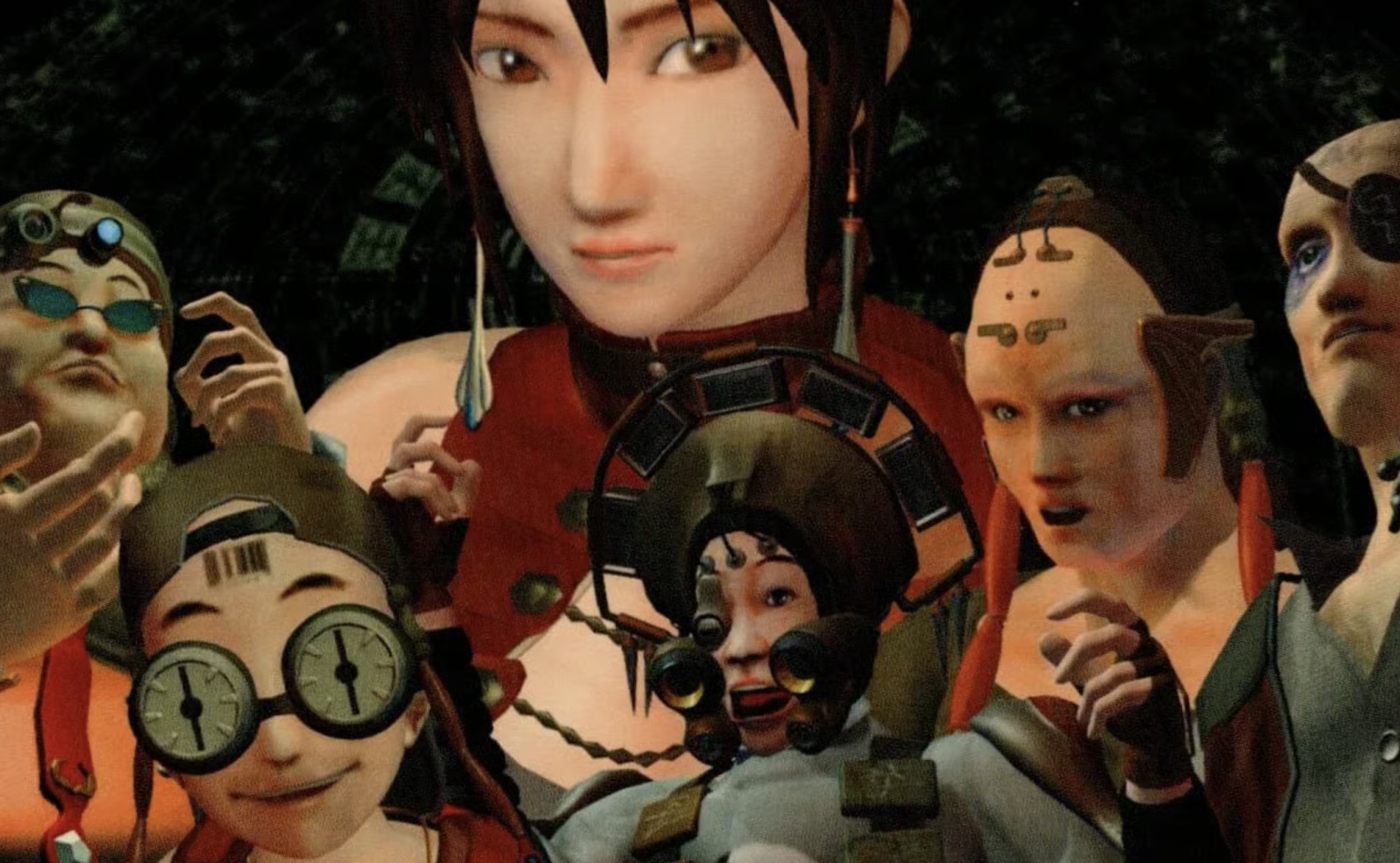
The game plunges players into a bizarre, decaying iteration of the Kowloon Walled City, a "Feng Shui" world that exists in parallel to our own. Players navigate this first-person, pseudo-3D environment as a "Feng Shui Practitioner" whose role is to balance the spiritual energies of the city and prevent its collapse. Its immersive, often unsettling atmosphere is characterized by pre-rendered backgrounds, eccentric character designs, and a pervasive sense of melancholy and wonder. The narrative is deeply philosophical, exploring the interconnectedness of life, death, and the unseen forces that govern existence. This rich thematic tapestry, combined with its striking aesthetic and non-linear exploration, created a truly unique experience that resonated deeply with a niche audience, solidifying its legacy as a masterpiece of unconventional game design.
A Herculean Translation Endeavor
The path to localizing Kowloon’s Gate into English was anything but straightforward, a testament to the technical challenges inherent in many older Japanese games. In an exclusive interview with Read Only Memo, the Hilltop team candidly described the translation process as being akin to "chewing glass," a vivid metaphor for the immense difficulty and painstaking effort involved. This sentiment was further elaborated upon, highlighting the game’s intrinsic resistance to standard subtitling methods.
"At every possible step when the developers could take a shortcut and do a one-off thing with a band-aid, they did it," the team explained, detailing how the original development practices often prioritized quick, bespoke solutions over standardized, easily modifiable code. This approach, common in early console development, resulted in text and game data being embedded in disparate, often unconventional ways, making it exceedingly difficult to extract, translate, and reinsert without breaking the game’s delicate internal structure. "The game is really, really, really resistant to being subtitled. This is the most difficult project that I’ve ever worked on, period."
This candid admission underscores the extraordinary technical expertise and perseverance required for such a project. Unlike modern games with dedicated text strings and localization tools, titles like Kowloon’s Gate often feature text hardcoded into graphics, spread across multiple memory locations, or employing custom character encoding schemes. Overcoming these hurdles demands not only linguistic proficiency but also advanced reverse-engineering skills, intricate knowledge of the PlayStation’s hardware, and the development of custom tools to manipulate game assets. The Hilltop team’s success in navigating these complexities speaks volumes about their dedication and their profound understanding of retro game architecture, effectively rescuing a monumental title from linguistic obscurity.
Chronology of the Announcement and Community Speculation
The journey to the official Kowloon’s Gate translation announcement began on Tuesday, May 19th, 2026, at 4 pm, when Hilltop took to social media to tease a "major fan translation announcement" scheduled for Friday, May 22nd, 2026. The cryptic post, accompanied by a placeholder image clearly indicating an original PlayStation title, immediately ignited a flurry of speculation among the dedicated fan translation and retro gaming communities.
The community quickly began piecing together clues, recalling Hilltop’s previously announced projects and the status of other long-stalled fan translations. Two leading theories emerged as the most popular contenders. The first, and ultimately correct, guess was Kowloon’s Gate. This game had a history of attempted fan localizations, notably by the team of Cargodin and EsperKnight, whose project had regrettably gone dormant, with EsperKnight having "effectively retired" from ROMhacking. The prospect of Hilltop, known for their ability to bring complex projects to fruition, taking over or successfully completing this endeavor generated considerable excitement.
The second prominent theory centered around Human Entertainment’s horror-themed adventure games, Twilight Syndrome: Tansaku-hen and Twilight Syndrome: Kyūmei-hen. These Japan-only PS1 titles, known for their unique horror narratives and connections to Suda51, were also the subject of an ongoing fan translation effort by BlameRobots and @BobSchneeder45. The possibility of Hilltop joining forces or taking the lead on these projects also fueled intense discussion.
Beyond these specific guesses, Hilltop’s past revelations provided further context. They had previously announced work on the Wonderswan RPG Cardcaptor Sakura and the PS2 game Rowdy Princess. Furthermore, Patreon updates hinted at "an unannounced PS2 game" and "a very large in-progress fan-translation" that Hilltop had been asked to help bring "to the finish line" in March. The PlayStation-specific placeholder image strongly suggested the upcoming announcement would pertain to a PS1 title, narrowing the field of possibilities.
The anticipation culminated on Friday, May 22nd, 2026, when Hilltop hosted a live reveal at 1 pm PT on their official YouTube channel, "Hilltop Works." While the initial live stream generated immense buzz, the full details, including the definitive confirmation of Kowloon’s Gate and the immediate availability of the patch, were formally presented in the update on Monday, May 25th. This carefully orchestrated reveal strategy maximized community engagement and celebrated the culmination of a truly monumental undertaking.
Broader Impact and Implications for Game Preservation
The release of the Kowloon’s Gate English fan translation is more than just another patch; it is a significant victory for video game preservation and cultural accessibility. Many influential and unique Japanese games, often considered "Japan-only curiosities," remain locked behind language barriers, inaccessible to a vast global audience. Fan translation groups like Hilltop bridge this gap, ensuring that these titles, which are often significant pieces of gaming history and artistic expression, can be experienced and appreciated by a new generation of players and scholars.
Hilltop’s consistent output of high-quality translations for challenging games has cemented its position as a vital force in this ecosystem. Their ability to tackle projects that defeat others, or to pick up the mantle of stalled efforts, demonstrates a rare combination of technical prowess, linguistic skill, and unwavering dedication. By making Kowloon’s Gate available in English, Hilltop has not only delivered on a long-held community desire but also highlighted the immense value of fan-driven initiatives in supplementing official localization efforts. In an era where digital storefronts and licensing complexities often prevent older titles from being officially re-released or localized, fan translations offer a crucial lifeline for preserving and disseminating gaming heritage.
Furthermore, this release underscores a growing trend in the fan translation scene: an increasing level of professionalism and technical sophistication. The "chewing glass" comment, while indicative of extreme difficulty, also speaks to the high standards Hilltop applies to its work, refusing to compromise on quality even when faced with formidable obstacles. Such dedication elevates the entire fan translation community, demonstrating that these projects can be as robust and polished as official releases, and sometimes even more so, given the passion driving them. The success of projects like Kowloon’s Gate serves as an inspiration for other fan translators and a clear message to the gaming industry about the enduring demand for classic, culturally rich titles, regardless of their original market. As digital media continues to evolve, the efforts of groups like Hilltop become increasingly indispensable in safeguarding the rich and diverse history of video games for future generations.