Cecilia Chamidah Nur
The vibrant and rapidly evolving landscape of FPGA (Field-Programmable Gate Array) retro gaming has been marked by continuous innovation, and a recent development from creator Taki Udon is set to further elevate the experience for enthusiasts of the SuperStation One. The forthcoming memory card for the SuperStation One, an acclaimed MiSTer FPGA-based recreation of Sony’s iconic 32-bit PlayStation console, has received a notable upgrade in its latest prototype, now featuring an integrated D-pad alongside its established display, poised to redefine how users interact with their save data. This enhancement, revealed by Taki Udon, underscores a commitment to delivering a comprehensive and user-friendly retro gaming solution, with the memory card anticipated to retail at an accessible price point of approximately $10.
Understanding the SuperStation One and the Rise of FPGA Gaming
The SuperStation One has carved out a significant niche within the retro gaming community since its introduction, primarily due to its foundation in MiSTer FPGA technology. Unlike traditional software emulation, which simulates a console’s hardware through software running on a general-purpose processor, FPGA technology involves hardware reconfigurability. An FPGA chip is programmed to mimic the exact logic gates and circuitry of original console hardware at a transistor level. This approach offers unparalleled accuracy, often referred to as "hardware accuracy," eliminating common issues associated with software emulation such as input lag, graphical glitches, and sound inaccuracies. For purists and preservationists, FPGA represents the gold standard for experiencing classic games as they were originally intended, without the compromises often inherent in software-based solutions.
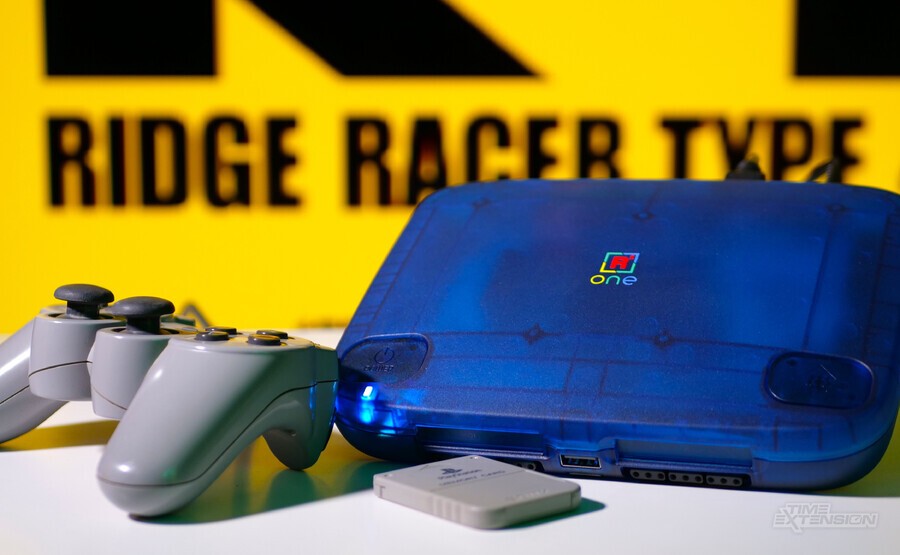
The SuperStation One, as a MiSTer FPGA derivative, leverages this advanced technology to deliver an authentic PlayStation 1 experience. While the MiSTer platform itself is highly versatile, supporting a vast array of console, handheld, computer, and arcade cores, the SuperStation One is specifically tailored to excel in PlayStation 1 replication. Its design thoughtfully incorporates two front-facing controller ports compatible with original PlayStation pads, accepts standard PS1 memory cards, and notably, supports the GunCon light gun, a peripheral crucial for a subset of classic PS1 titles. This level of dedication to original hardware compatibility sets it apart from many other retro gaming solutions, including Sony’s own PlayStation Classic mini-console, which, despite its official branding, often faced criticism for its software emulation quality, limited game selection, and lack of peripheral support. The SuperStation One, in contrast, aims to supersede these limitations by providing a robust, highly accurate, and extensively compatible platform for PlayStation gaming.

The Evolution of the SuperStation One Memory Card: A Deep Dive into the Upgrade
The memory card is a critical, albeit often overlooked, component of the retro gaming experience, serving as the digital repository for players’ progress. For the SuperStation One, Taki Udon’s initial design for a dedicated memory card was already a point of interest, aiming to provide a modern solution within the FPGA ecosystem. The latest prototype, however, introduces features that significantly enhance its utility and user interaction, moving beyond a simple storage device.
The most prominent addition to the new memory card prototype is a physical D-pad. This seemingly minor inclusion represents a substantial leap in user interface design for a memory card. Historically, memory cards were passive storage units, managed through the console’s internal operating system or game menus. The integration of a D-pad suggests an active role for the memory card itself, potentially allowing users to navigate through save files, manage virtual memory card configurations, or even access system settings directly on the device. This could streamline the process of loading and managing game saves, especially for users who juggle multiple titles and save states across various virtual memory cards, a common feature in advanced retro gaming setups. The tactile feedback of a D-pad offers a more intuitive and responsive control method compared to relying solely on console-based menus or external software.
Complementing the D-pad is the retained display, a feature present in the earlier prototype. While its exact functionality is yet to be fully detailed, it is widely presumed to show the title of the game currently being played, the active memory card profile, or other pertinent information related to save data. This real-time feedback significantly enhances the user experience, eliminating the need to guess which save file belongs to which game or to constantly refer back to the console’s on-screen menus. For a system that prioritizes authenticity and convenience, an integrated display provides immediate context and control, a stark contrast to the opaque, label-dependent physical memory cards of yesteryear. The combination of a D-pad and a display transforms the memory card from a mere data repository into an interactive peripheral, a microcosm of user control at the very point of save data management.
Technical Analysis and Broader Compatibility
Modern memory card solutions for retro consoles, especially those leveraging FPGA technology, often transcend the limitations of their original counterparts. While the SuperStation One memory card’s precise technical specifications regarding storage capacity or internal architecture have not been fully disclosed, it is reasonable to infer certain advanced capabilities common in this segment. Many contemporary retro memory cards incorporate SD card slots for vastly expanded storage, allowing for hundreds or even thousands of virtual memory cards. This negates the need for a multitude of physical cards and simplifies organization. The display and D-pad suggest an onboard microcontroller, capable of managing these virtual cards, performing firmware updates, and potentially offering advanced features like save state backups or cloud synchronization (though the latter would require network connectivity not typically associated with a memory card).
A significant point of speculation and potential value lies in the card’s compatibility with original PS1 consoles. Given that the SuperStation One itself is designed to be compatible with original PS1 peripherals, and modern retro-focused memory cards like the 8BitMods MemCard Pro 2 (which shares a similar display-centric design philosophy) often offer such cross-compatibility, it is a highly plausible outcome. If the SuperStation One memory card indeed functions seamlessly with original PlayStation hardware, it would significantly broaden its appeal, offering an advanced, feature-rich memory solution not only to SuperStation One owners but also to owners of vintage PS1 consoles. This would provide a single, modern upgrade path for save data management across both FPGA recreations and original hardware, bridging the gap between retro enthusiasts and hardware purists.
Competitive Landscape and Market Positioning: The $10 Advantage
The retro gaming accessory market has seen a surge in innovative products, and the SuperStation One memory card enters a competitive, albeit niche, space. A prominent point of comparison is the 8BitMods MemCard Pro 2, which has set a high bar for modern memory card solutions. The MemCard Pro 2 offers advanced features such as an OLED display, SD card support for vast storage, compatibility with both PS1 and PS2 consoles, and even network functionality for firmware updates and potential cloud saves. However, these premium features come with a premium price tag, with the MemCard Pro 2 retailing for around $50.
In stark contrast, Taki Udon has stated that the SuperStation One memory cards are expected to retail for approximately $10. This aggressive price point is highly significant. If the card delivers on its promised features—a D-pad, a display, and robust functionality—at such a low cost, it could be a game-changer. It makes advanced memory card features accessible to a much broader audience, potentially disrupting the market for more expensive alternatives. The $10 price suggests a strategic focus on affordability and widespread adoption, aligning with the community-driven ethos often found within the MiSTer FPGA ecosystem. While it might not possess every high-end feature of a MemCard Pro 2 (e.g., PS2 compatibility, extensive network features), its core enhancements at an exceptionally low price point offer an outstanding value proposition, especially for those primarily focused on the PlayStation 1 experience. This affordability could also encourage SuperStation One owners to purchase multiple cards for different game genres or save profiles, further enhancing their organized retro gaming setup.

The Vision of Taki Udon and Community Impact
Taki Udon has established a reputation within the retro gaming community as a dedicated and innovative developer, consistently pushing the boundaries of what’s possible with FPGA technology. The SuperStation One itself is a testament to this vision, offering a meticulously crafted PlayStation experience that often surpasses official retro consoles in terms of accuracy and feature set. The development of an enhanced, affordable memory card is a continuation of this philosophy: to provide high-quality, accessible solutions that genuinely improve the retro gaming experience.
The announcement of this upgraded memory card has been met with considerable anticipation within the community. For SuperStation One owners, it represents a direct upgrade that enhances the usability and convenience of their primary gaming platform. For the broader retro gaming community, it signals continued innovation and the potential for more affordable, feature-rich accessories across various retro platforms. This community-driven development, often characterized by open-source collaboration and direct feedback from users, fosters a dynamic environment where products are refined based on actual player needs and desires. The SuperStation One memory card, with its thoughtful additions and accessible pricing, exemplifies this collaborative spirit, aiming to deliver practical benefits to a passionate user base.
The Broader Significance of FPGA in Retro Preservation
The advancements seen in projects like the SuperStation One and its accompanying accessories underscore the profound importance of FPGA technology in the realm of retro game preservation. As original console hardware ages and becomes increasingly difficult to maintain, FPGA provides a robust and future-proof method for experiencing classic titles with unparalleled authenticity. By recreating hardware logic at a fundamental level, FPGA cores ensure that the subtle nuances of game timing, graphical rendering, and audio output are faithfully preserved, something that even the most sophisticated software emulators struggle to achieve consistently.

Community-driven efforts, spearheaded by individuals like Taki Udon, play a crucial role in this preservation movement. They fill gaps left by official manufacturers who often have limited interest in supporting legacy hardware. These independent developers, fueled by passion and technical expertise, are building the tools and platforms that will allow future generations to experience gaming history accurately. The SuperStation One memory card, with its innovative features, contributes to this larger ecosystem, ensuring that the entire retro gaming setup, from the console core to peripheral management, is optimized for accuracy, convenience, and longevity. This dedication extends beyond mere playability; it’s about safeguarding the cultural heritage embedded within these classic games.
Conclusion
The latest prototype of the SuperStation One memory card, featuring a D-pad and integrated display, marks a significant enhancement for users of Taki Udon’s FPGA PlayStation system. This upgrade, coupled with an anticipated retail price of just $10, positions the memory card as a highly compelling and accessible solution for managing game saves. It not only elevates the user experience for the SuperStation One by offering intuitive control and real-time information but also potentially provides a modern, affordable alternative for owners of original PlayStation consoles. As the retro gaming landscape continues to evolve, innovations like this memory card reinforce the SuperStation One’s standing as a premier FPGA solution and highlight the ongoing commitment of developers like Taki Udon to delivering accurate, feature-rich, and user-centric experiences for enthusiasts worldwide. The full release of this upgraded memory card is eagerly awaited, promising to further solidify the SuperStation One’s reputation as a definitive platform for reliving PlayStation’s past glories.