Trending News:James Pond Legacy Gets New Gameplay Trailer With Spelling Mistakes & Strange ArtworkMiSTer FPGA News – Taito F3, DVD Discs, Computer Cores & MoreInside the Turbulent Transition of Sega: An Exclusive Look at the Genesis to Saturn Era Through the Eyes of Mike FischerShnabubula Launches Ambitious Interactive Music Learning Project on HitboxRetroArch Officially Launches on the Apple App Store Bringing Classic Gaming to iPhone iPad and Apple TVMultimorphic Expands P3 Ecosystem with Simultaneous Launch of Dungeon Crawler Carl and Enders Game Pinball TitlesCrack! Dammit. Another piece of brittle 90s Apple plastic turns to dust.Urbanitas proves that complex city-building simulations can thrive within the constraints of retro-inspired fantasy hardwareVideo Game History Foundation Appoints Meera Swanson as New Development Manager to Expand Archival and Fundraising InitiativesFlying Taxi (2026) by Marc Vittorini for A2600Retroid Announces Pre-Order Date Of Pocket Duo Dual-Screen HandheldsNew 3D-Printed Protective Cases for OSSC Pro Legacy AV-In Modules With RF Support Now Available Through The Brewing AcademyDarius Extra Version for the Sega Mega Drive is the definitive home console realization of Taito’s legendary arcade shooterStill Flying marks the debut of C-Jeff and remains a seminal work of early 2000s ZX Spectrum music composition.Barrels of Fun Unveils First Music-Themed Pinball Machine Featuring Legendary Rock Band Bon JoviLow End Mac Restores Multilingual Support Through Comprehensive Database MigrationThe Forgotten Architect of the Lylat System: An Interview with Benimaru Itoh and the Legacy of Nintendo Power ComicsPreserving the Interactive Past: Willem Hilhorst Details the Netherlands Institute for Sound & Vision Archiving Mission on Video Game History HourDelta Is Getting A Huge iPhone Duo Update For Nintendo DS EmulationCastlevania NES to SNES Conversion Receives Major 16-Bit Graphical Overhaul UpdatePreview: Chords – Sega-16Introducing: Hunty – Nexus GenesisJuly 2026 Pinball Industry News PINcast: A Midsummer Analysis of Market Volatility and Hardware InnovationModifying Classic Mac Pro Hardware for Modern RAID Controller CompatibilityReview: TrimUI Brick Pro – Same Power In A Larger Frame (And Dual Analogue, Too)Lost Indiana Jones Adventure Discovered from the Golden Age of Lucasfilm GamesRetro Fighters Defender wireless controller offers modern versatility for classic PlayStation gaming systemsPokémon Wild Indigo Reimagines the GBA Engine Through Sci-Fi Narrative and Planetary ExplorationCroc Legend of the Gobbos and the Evolution of 3D Platforming in the Late NinetiesZabutom Redux34 marks a significant evolution in the landscape of contemporary chiptune and electronic fusion musicUnlocking the Hardware Architecture of the PlayStation 2: How CRT Display Technology Shaped a Generation of Console GamingDutch Pinball Unveils The Big Lebowski Jesus Edition Marking A New Era For The Cult Classic Pinball MachineApple Silicon M6 Hardware Profile and Technical SpecificationsThree More Neo Geo Evercade Carts Are On The WayVideo Game History Foundation Announces Major Expansion, New Development Director, and Rare Archival Acquisitions in Q1 2026 ReviewMotherboard (Commodore 64 Game) – PDRomsThe GAMEMT MTX Handheld That Takes GBA Cartridges Is In The WildThe Best Nintendo DS Flash Cart Just Got Way BetterWoody Pop Shinjinrui no Block Kuzugi and the Legacy of the Sega Paddle ControllerDanimal Cannon is back and ready to unveil his new album titled Lunaria.RetroArch first program to support BlurBuster’s CRT beam racing simulator shader – LibretroPinball A Quest for Mastery offers a definitive guide to the science and psychology of competitive playApple Silicon M5 Ultra Hardware Profile and Performance Specifications OverviewLimited Run’s R-Type DX Collector’s Edition Has Me Yearning For An ’80s Bydo AnimeUnraveling the Legal Web of Digital Ownership: Video Game History Hour Examines the Evolution of EULAs and Copyright Law with Amy ThomasTomb Jones (Commodore 64 Game) – PDRomsANBERNIC RG DS Plus Price and Release Date Announced for Budget Dual-Screen Gaming Handheld MarketWeekly Roundup #530 – September 9th 2026Phantasy Star Online: A Retrospective on the Landmark Console RPGSOUNDSHOCK: The Evolution of a Chiptune Legacy and the Cross-Cultural Convergence of Digital SoundscapesRetroArch 1.20.0 Released With Innovative CRT Beam Simulation And Linux Illuminance Sensor IntegrationAmerican Pinball Unveils Reimagined Version of the 1997 Bally Classic Cirqus VoltaireRevitalizing the Mac Pro 1,1 and 2,1: Upgrading to SATA III Performance via the HighPoint RocketRAID 2720SGLAkira Nishitani Sparks Competitive Gaming Debate With Proposal to Rebalance Super Street Fighter II TurboVideo Game History Hour Podcast Explores the Birth, Rise, and Legacy of E3 with Industry Architects Carolyn Rauch and Doug LowensteinPirate Raider 2026 by chadlung for Commodore 64Retroid Unveils Ergonomic Grip and Stylus Accessories for Upcoming Pocket Duo and Pocket Duo Lite Handheld ConsolesNew Retro Shooter Razing Core Launches for the Sega Master System Bringing Fresh Content to 8-Bit HardwareZillion: A Retrospective Analysis of Sega’s 1987 Master System LandmarkLibretro Unveils LRPS2: A Modern, High-Performance PlayStation 2 Core for RetroArch Featuring Revolutionary Vulkan Compute RenderingThe Video Game History Foundation Launches Massive Digital Archive Dedicated to the Rise and Fall of the Electronic Entertainment ExpoCOMPUTE!s Gazette presents: The 8-Bit Networking IssueDeveloper Daniel Welch Successfully Ports Star Fox 64 to the PlayStation Portable in a Technical Milestone for Retro GamingUnico Traveller ULW10 Prototype Review: High Hopes Meet Major Hardware Hurdles in Retro Gaming Display KickstarterSonic Eraser: A Retrospective Analysis of Sega’s Forgotten Online ExperimentThe Evolution and Cultural Impact of the SOUNDSHOCK FM Synthesis Compilation SeriesFALLOUT REVEALEDPushing the Limits: Driving 4K 60Hz Displays on Legacy Mac Pro Hardware in 2026Video Game History Hour Episode 161 Explores Modern Corporate Game Preservation With Blizzard Senior Digital Archivist Leah WilliamsPokémon Pinball Ruby and Sapphire Plus Version 1.1 Expands the Classic GBA Spin-off with New ContentPlaion Delays Neo Geo AES+ Project Release to September 2027 Amid Supply Constraints and Production HurdlesSOUNDSHOCK: A Retrospective on the Artistic Legacy of Tsuyoshi Shimokura and the Evolution of FM Synthesis VisualsLibretro Announces ROM Cleaner Utility Core for RetroArch to Combat Digital Media DegradationUK Pinfest 2026 Marks the End of an Era as the Nation’s Premier Pinball Event Prepares for a Landmark RelocationThe Logic Board: Engineering a Hardware Upgrade for the Vintage Macintosh Quadra 605Preserving the Interactive Past: How Roberta Vaughn’s Retro Adventures and the Video Game History Hour Are Safeguarding Adventure Gaming HeritageRetroid Pocket Duo & Duo Lite Full Specifications Finally RevealedArcooda Expands Its Retro-Compatible Display Lineup With a New 21.3-Inch 4:3 LCD Monitor Featuring Integrated AudioShinobi: The Legacy of Sega’s 1987 Arcade Masterpiece and the Evolution of the Ninja GenreIntroducing: Amplitude Problem’s Frequency Modulators OrchestraThe August 2026 Edition of the Pinball Industry News PINcast Delivers Comprehensive Coverage of a Rapidly Expanding Global MarketA20 Pro Chipset Redefines Mobile Computing Performance with Two-Nanometer ArchitectureGley Lancer Overdrive is a reimagining of the classic 1992 Mega Drive shoot-’em-up designed for the Neo Geo and modern platforms.Library Highlight: Exploring E3 2009 through 1600 photosKickstarter: Drakoko (Game Boy Color) – PDRomsMarco Specialties: The Beating Heart of the Modern Pinball WorldApple Unveils iOS 27 at WWDC 2026, Ushering in a New Era of "Apple Intelligence" and Enhanced User ExperienceThe Secret Advance Shop in The Legend of Zelda: Oracle of Seasons and Oracle of Ages Revealed as a GBA-Exclusive Feature.Video Game History Foundation Welcomes Meera Swanson as New Development Manager to Spearhead Preservation EffortsMarc Vittorini’s ‘H6-24 (2026)’ Unveiled as Exclusive for Atari 2600, Reigniting Homebrew Excitement via BrewOtaku #010Mangmi Air Y Promises a New Era for Vertical Android Handheld EmulationThe Evolution of SOUNDSHOCK and the Global Resurgence of FM Synthesis CultureA New Way To Play Sega Rally Arcade On The PC, Xbox Series X, & Xbox 360 Has Been ReleasedThe Video Game History Hour Episode 158 Explores the Netherlands Institute for Sound & Vision’s Pioneering Video Game Preservation EffortsWalk 500 Miles (2026) by omenatalo for VIC-20 Marks a Resurgence in Retro Gaming Development for the Unexpanded Platform.LEGO Ideas Project Soars: A Colossal Gundam Strike Freedom Model Captures Fan ImaginationTeam Pinball Explains Their Departure from the Big Bang Bar Remake ProjectIOS 27 Developer Beta 1 Arrives with Performance Gains and Familiar Pre-Release QuirksSega CD Core Achieves Breakthrough on Analogue Pocket, Portable Retro Gaming Horizon ExpandsHero: Before/After (2025) by Zyarg for MS-DOS
Chicago 12, Melborne City, USA
Sun. Sep 13th, 2026
Trending News:James Pond Legacy Gets New Gameplay Trailer With Spelling Mistakes & Strange ArtworkMiSTer FPGA News – Taito F3, DVD Discs, Computer Cores & MoreInside the Turbulent Transition of Sega: An Exclusive Look at the Genesis to Saturn Era Through the Eyes of Mike FischerShnabubula Launches Ambitious Interactive Music Learning Project on HitboxRetroArch Officially Launches on the Apple App Store Bringing Classic Gaming to iPhone iPad and Apple TVMultimorphic Expands P3 Ecosystem with Simultaneous Launch of Dungeon Crawler Carl and Enders Game Pinball TitlesCrack! Dammit. Another piece of brittle 90s Apple plastic turns to dust.Urbanitas proves that complex city-building simulations can thrive within the constraints of retro-inspired fantasy hardwareVideo Game History Foundation Appoints Meera Swanson as New Development Manager to Expand Archival and Fundraising InitiativesFlying Taxi (2026) by Marc Vittorini for A2600Retroid Announces Pre-Order Date Of Pocket Duo Dual-Screen HandheldsNew 3D-Printed Protective Cases for OSSC Pro Legacy AV-In Modules With RF Support Now Available Through The Brewing AcademyDarius Extra Version for the Sega Mega Drive is the definitive home console realization of Taito’s legendary arcade shooterStill Flying marks the debut of C-Jeff and remains a seminal work of early 2000s ZX Spectrum music composition.Barrels of Fun Unveils First Music-Themed Pinball Machine Featuring Legendary Rock Band Bon JoviLow End Mac Restores Multilingual Support Through Comprehensive Database MigrationThe Forgotten Architect of the Lylat System: An Interview with Benimaru Itoh and the Legacy of Nintendo Power ComicsPreserving the Interactive Past: Willem Hilhorst Details the Netherlands Institute for Sound & Vision Archiving Mission on Video Game History HourDelta Is Getting A Huge iPhone Duo Update For Nintendo DS EmulationCastlevania NES to SNES Conversion Receives Major 16-Bit Graphical Overhaul UpdatePreview: Chords – Sega-16Introducing: Hunty – Nexus GenesisJuly 2026 Pinball Industry News PINcast: A Midsummer Analysis of Market Volatility and Hardware InnovationModifying Classic Mac Pro Hardware for Modern RAID Controller CompatibilityReview: TrimUI Brick Pro – Same Power In A Larger Frame (And Dual Analogue, Too)Lost Indiana Jones Adventure Discovered from the Golden Age of Lucasfilm GamesRetro Fighters Defender wireless controller offers modern versatility for classic PlayStation gaming systemsPokémon Wild Indigo Reimagines the GBA Engine Through Sci-Fi Narrative and Planetary ExplorationCroc Legend of the Gobbos and the Evolution of 3D Platforming in the Late NinetiesZabutom Redux34 marks a significant evolution in the landscape of contemporary chiptune and electronic fusion musicUnlocking the Hardware Architecture of the PlayStation 2: How CRT Display Technology Shaped a Generation of Console GamingDutch Pinball Unveils The Big Lebowski Jesus Edition Marking A New Era For The Cult Classic Pinball MachineApple Silicon M6 Hardware Profile and Technical SpecificationsThree More Neo Geo Evercade Carts Are On The WayVideo Game History Foundation Announces Major Expansion, New Development Director, and Rare Archival Acquisitions in Q1 2026 ReviewMotherboard (Commodore 64 Game) – PDRomsThe GAMEMT MTX Handheld That Takes GBA Cartridges Is In The WildThe Best Nintendo DS Flash Cart Just Got Way BetterWoody Pop Shinjinrui no Block Kuzugi and the Legacy of the Sega Paddle ControllerDanimal Cannon is back and ready to unveil his new album titled Lunaria.RetroArch first program to support BlurBuster’s CRT beam racing simulator shader – LibretroPinball A Quest for Mastery offers a definitive guide to the science and psychology of competitive playApple Silicon M5 Ultra Hardware Profile and Performance Specifications OverviewLimited Run’s R-Type DX Collector’s Edition Has Me Yearning For An ’80s Bydo AnimeUnraveling the Legal Web of Digital Ownership: Video Game History Hour Examines the Evolution of EULAs and Copyright Law with Amy ThomasTomb Jones (Commodore 64 Game) – PDRomsANBERNIC RG DS Plus Price and Release Date Announced for Budget Dual-Screen Gaming Handheld MarketWeekly Roundup #530 – September 9th 2026Phantasy Star Online: A Retrospective on the Landmark Console RPGSOUNDSHOCK: The Evolution of a Chiptune Legacy and the Cross-Cultural Convergence of Digital SoundscapesRetroArch 1.20.0 Released With Innovative CRT Beam Simulation And Linux Illuminance Sensor IntegrationAmerican Pinball Unveils Reimagined Version of the 1997 Bally Classic Cirqus VoltaireRevitalizing the Mac Pro 1,1 and 2,1: Upgrading to SATA III Performance via the HighPoint RocketRAID 2720SGLAkira Nishitani Sparks Competitive Gaming Debate With Proposal to Rebalance Super Street Fighter II TurboVideo Game History Hour Podcast Explores the Birth, Rise, and Legacy of E3 with Industry Architects Carolyn Rauch and Doug LowensteinPirate Raider 2026 by chadlung for Commodore 64Retroid Unveils Ergonomic Grip and Stylus Accessories for Upcoming Pocket Duo and Pocket Duo Lite Handheld ConsolesNew Retro Shooter Razing Core Launches for the Sega Master System Bringing Fresh Content to 8-Bit HardwareZillion: A Retrospective Analysis of Sega’s 1987 Master System LandmarkLibretro Unveils LRPS2: A Modern, High-Performance PlayStation 2 Core for RetroArch Featuring Revolutionary Vulkan Compute RenderingThe Video Game History Foundation Launches Massive Digital Archive Dedicated to the Rise and Fall of the Electronic Entertainment ExpoCOMPUTE!s Gazette presents: The 8-Bit Networking IssueDeveloper Daniel Welch Successfully Ports Star Fox 64 to the PlayStation Portable in a Technical Milestone for Retro GamingUnico Traveller ULW10 Prototype Review: High Hopes Meet Major Hardware Hurdles in Retro Gaming Display KickstarterSonic Eraser: A Retrospective Analysis of Sega’s Forgotten Online ExperimentThe Evolution and Cultural Impact of the SOUNDSHOCK FM Synthesis Compilation SeriesFALLOUT REVEALEDPushing the Limits: Driving 4K 60Hz Displays on Legacy Mac Pro Hardware in 2026Video Game History Hour Episode 161 Explores Modern Corporate Game Preservation With Blizzard Senior Digital Archivist Leah WilliamsPokémon Pinball Ruby and Sapphire Plus Version 1.1 Expands the Classic GBA Spin-off with New ContentPlaion Delays Neo Geo AES+ Project Release to September 2027 Amid Supply Constraints and Production HurdlesSOUNDSHOCK: A Retrospective on the Artistic Legacy of Tsuyoshi Shimokura and the Evolution of FM Synthesis VisualsLibretro Announces ROM Cleaner Utility Core for RetroArch to Combat Digital Media DegradationUK Pinfest 2026 Marks the End of an Era as the Nation’s Premier Pinball Event Prepares for a Landmark RelocationThe Logic Board: Engineering a Hardware Upgrade for the Vintage Macintosh Quadra 605Preserving the Interactive Past: How Roberta Vaughn’s Retro Adventures and the Video Game History Hour Are Safeguarding Adventure Gaming HeritageRetroid Pocket Duo & Duo Lite Full Specifications Finally RevealedArcooda Expands Its Retro-Compatible Display Lineup With a New 21.3-Inch 4:3 LCD Monitor Featuring Integrated AudioShinobi: The Legacy of Sega’s 1987 Arcade Masterpiece and the Evolution of the Ninja GenreIntroducing: Amplitude Problem’s Frequency Modulators OrchestraThe August 2026 Edition of the Pinball Industry News PINcast Delivers Comprehensive Coverage of a Rapidly Expanding Global MarketA20 Pro Chipset Redefines Mobile Computing Performance with Two-Nanometer ArchitectureGley Lancer Overdrive is a reimagining of the classic 1992 Mega Drive shoot-’em-up designed for the Neo Geo and modern platforms.Library Highlight: Exploring E3 2009 through 1600 photosKickstarter: Drakoko (Game Boy Color) – PDRomsMarco Specialties: The Beating Heart of the Modern Pinball WorldApple Unveils iOS 27 at WWDC 2026, Ushering in a New Era of "Apple Intelligence" and Enhanced User ExperienceThe Secret Advance Shop in The Legend of Zelda: Oracle of Seasons and Oracle of Ages Revealed as a GBA-Exclusive Feature.Video Game History Foundation Welcomes Meera Swanson as New Development Manager to Spearhead Preservation EffortsMarc Vittorini’s ‘H6-24 (2026)’ Unveiled as Exclusive for Atari 2600, Reigniting Homebrew Excitement via BrewOtaku #010Mangmi Air Y Promises a New Era for Vertical Android Handheld EmulationThe Evolution of SOUNDSHOCK and the Global Resurgence of FM Synthesis CultureA New Way To Play Sega Rally Arcade On The PC, Xbox Series X, & Xbox 360 Has Been ReleasedThe Video Game History Hour Episode 158 Explores the Netherlands Institute for Sound & Vision’s Pioneering Video Game Preservation EffortsWalk 500 Miles (2026) by omenatalo for VIC-20 Marks a Resurgence in Retro Gaming Development for the Unexpanded Platform.LEGO Ideas Project Soars: A Colossal Gundam Strike Freedom Model Captures Fan ImaginationTeam Pinball Explains Their Departure from the Big Bang Bar Remake ProjectIOS 27 Developer Beta 1 Arrives with Performance Gains and Familiar Pre-Release QuirksSega CD Core Achieves Breakthrough on Analogue Pocket, Portable Retro Gaming Horizon ExpandsHero: Before/After (2025) by Zyarg for MS-DOS
Chicago 12, Melborne City, USA
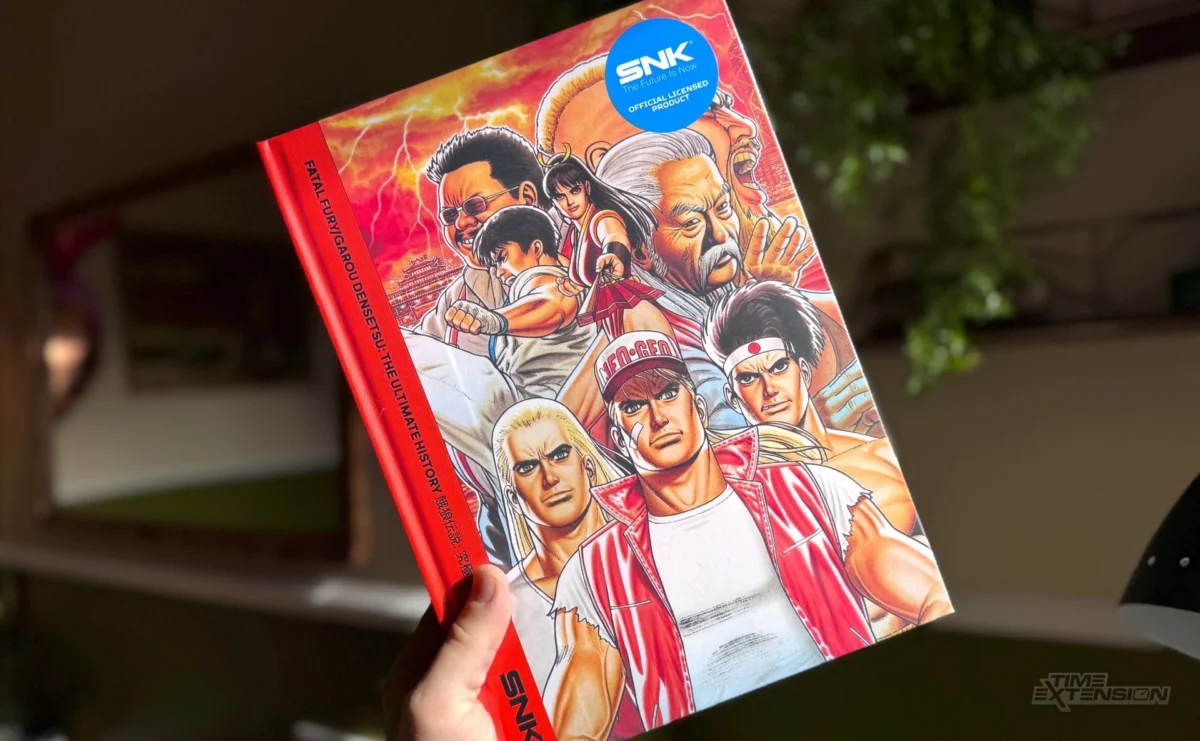
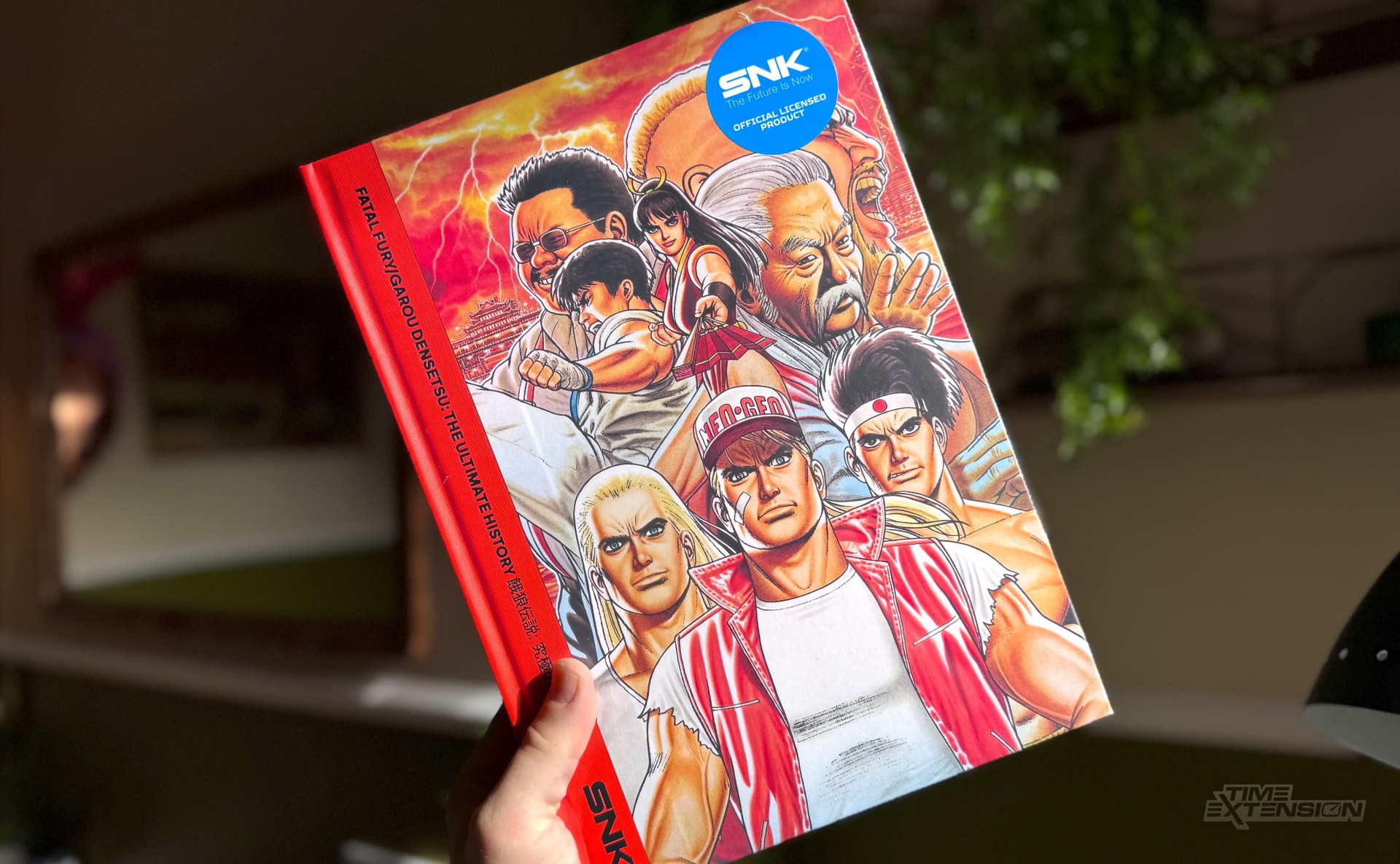
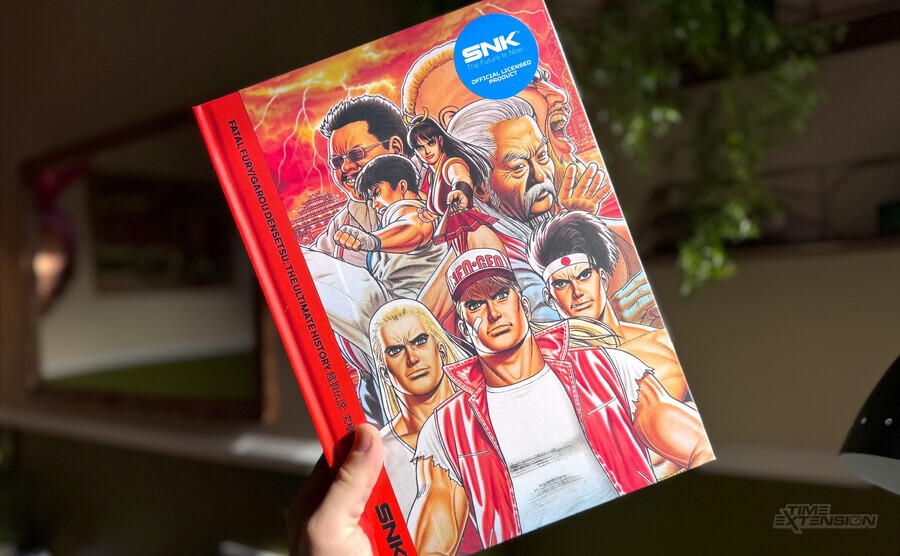
Gallery: “Fatal Fury Is My Street Fighter II” – Leafing Through Bitmap Books’ Ultimate Guide To SNK’s One-On-One Slugfest
Gallery: “Fatal Fury Is My Street Fighter II” – Leafing Through Bitmap Books’ Ultimate Guide To SNK’s One-On-One Slugfest
The Genesis of a Fighting Game Icon: Fatal Fury’s Early Years
The original Fatal Fury, known in Japan as Garou Densetsu: Shukumei no Tatakai (Legend of the Hungry Wolf: The Battle of Destiny), first appeared in arcades in 1991. Developed by SNK, it emerged onto the scene during a pivotal period for the fighting game genre, largely concurrent with Capcom’s genre-defining Street Fighter II. While Street Fighter II would go on to achieve unprecedented global success, Fatal Fury carved out its own distinct niche, offering a unique take on one-on-one combat that resonated with a dedicated fanbase.
The game’s initial impact was profound, particularly for players encountering it on SNK’s powerful Neo Geo Multi-Video System (MVS) arcade cabinets. The Neo Geo, renowned for its superior graphical capabilities and sound design, allowed Fatal Fury to present large, detailed character sprites and fluid animations that set it apart from many contemporaries. Its innovative two-plane system, allowing characters to switch between a foreground and background plane to dodge attacks or set up new strategies, added a layer of tactical depth previously unseen in the genre. This feature, while sometimes polarizing, became a signature element of the early Fatal Fury titles. The narrative, centering on brothers Terry and Andy Bogard and their friend Joe Higashi seeking revenge against the crime lord Geese Howard, provided a compelling backdrop for the martial arts action.
Evolution Through Sequels: Refining the Formula
SNK was quick to build on the original’s success, releasing Fatal Fury 2 in 1992. This sequel significantly refined the gameplay mechanics, expanded the roster of playable characters, and improved the graphical presentation. Key additions included more intricate combo systems and a greater variety of special moves, making the combat feel more fluid and responsive. The two-plane system was retained but made more accessible. Fatal Fury 2 also introduced fan-favorite characters such as Mai Shiranui and Kim Kaphwan, who would become staples not only of the Fatal Fury series but also of the broader SNK universe, particularly The King of Fighters.
Following closely on its heels was Fatal Fury Special in 1993, often considered a definitive version of Fatal Fury 2. Special further enhanced the roster by bringing back characters from the original Fatal Fury who were absent in the second installment, alongside new challengers, including Ryo Sakazaki from SNK’s Art of Fighting series. This crossover foreshadowed SNK’s later efforts to unify its fighting game universes. Fatal Fury Special was praised for its balanced gameplay and extensive character lineup, solidifying the series’ reputation as a top-tier fighting game franchise.
The original article notes a common sentiment among players who might have "lost touch" with the series after these initial successes. This is understandable given the rapid evolution of the fighting game genre in the 1990s and SNK’s own prolific output. The series continued with Fatal Fury 3: Road to the Final Victory (1995), which introduced a more complex three-plane system and a darker narrative tone. Subsequent entries like the Real Bout Fatal Fury series (1995-1998) further iterated on mechanics, refining the plane system and introducing new gameplay concepts. The series reached a critical peak with Garou: Mark of the Wolves (1999), a highly acclaimed title that radically revamped the visual style and gameplay, introducing a new protagonist, Rock Howard, and pushing the Neo Geo hardware to its limits. Mark of the Wolves is widely regarded as one of the finest fighting games ever made and a high point for SNK.
Bitmap Books’ Comprehensive Documentation
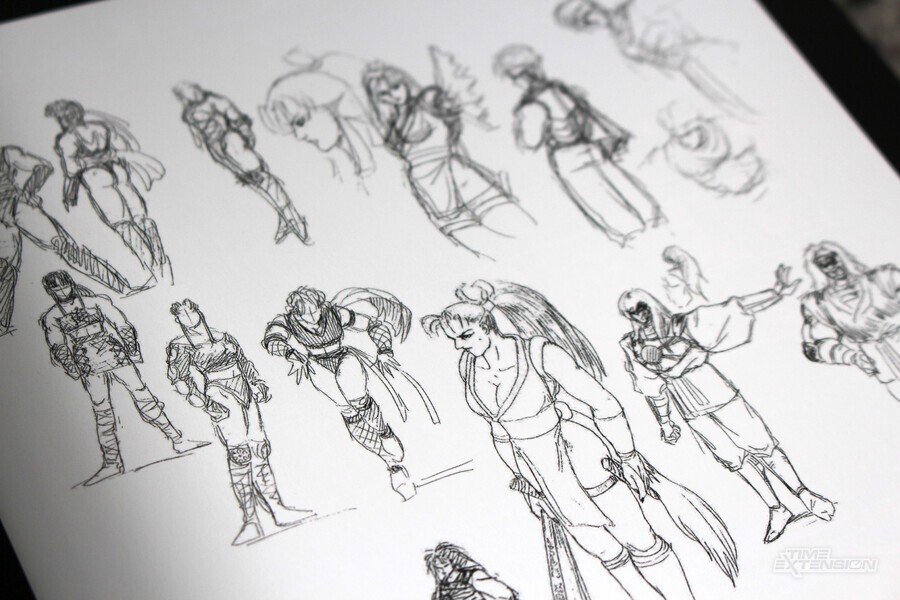
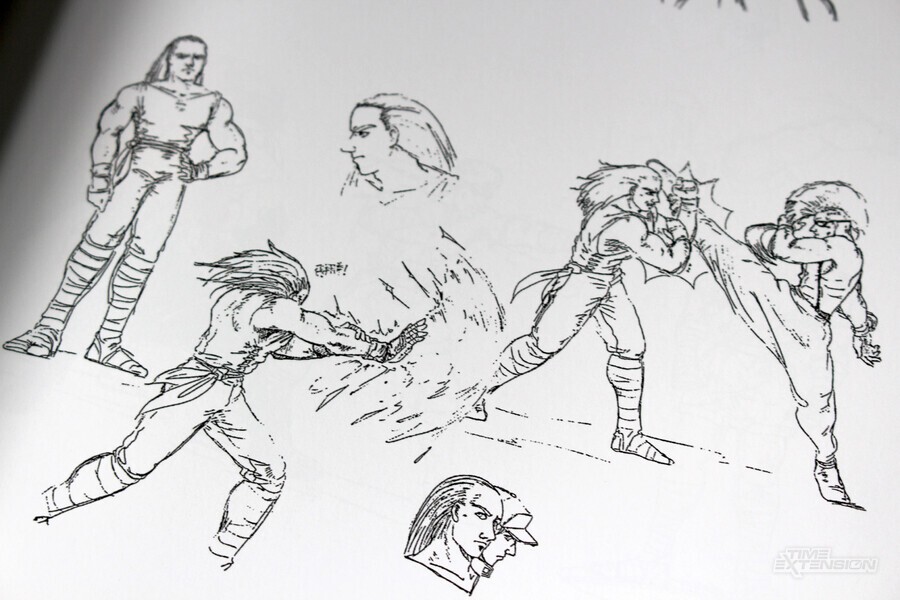
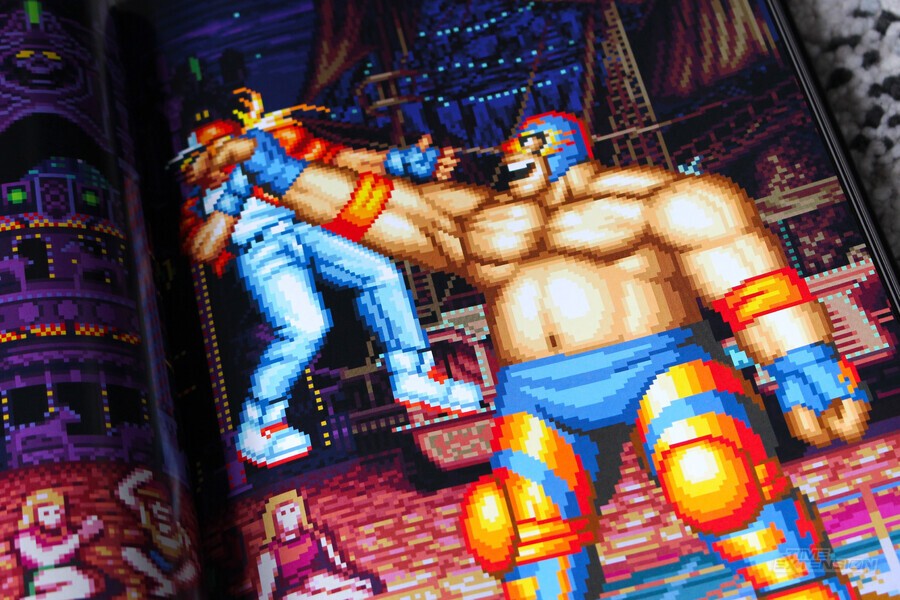
"Fatal Fury/Garou Densetsu: The Ultimate History" serves as a crucial resource for understanding this rich and complex lineage. Like its predecessors from Bitmap Books, the volume is characterized by its high production values, featuring a wealth of official art, never-before-seen concept drawings, and meticulously crafted bespoke screenshots that showcase the visual evolution of the series across various platforms. The book meticulously charts the full history of the series, from its inaugural arcade appearance through its various home console ports, to its impact on subsequent SNK titles and its upcoming revival.
A significant highlight of the book is its inclusion of brand-new interviews with key personnel who were instrumental in the development of the Fatal Fury series. These firsthand accounts provide invaluable insights into the creative processes, technical challenges, and strategic decisions that shaped the games. Interviewees include:
Hitoshi Okamoto: A prominent figure in SNK’s development teams.
Youichiro Soeda: Another key developer whose contributions helped define the series’ gameplay.
Nobuyuki Kuroki: Known for his directorial and design roles in various SNK fighting games.
Takeshi Kimura: A veteran of SNK’s creative departments.
Yasuyuki Oda: SNK’s current Chief Producer of fighting games, offering a contemporary perspective and insights into the future of the franchise, including City of Wolves.
These interviews offer a rare glimpse behind the curtain, providing context and anecdotes that enrich the historical record. They illuminate the passion and dedication of the developers who brought the vibrant world of South Town and its fighters to life.
The Foundational Vision: Takashi Nishiyama’s Legacy
While series creator Takashi Nishiyama was not interviewed directly for this particular book, the authors judiciously cite a prior interview with him that provides critical context for the Fatal Fury series. Nishiyama’s statement encapsulates the profound historical link between Fatal Fury and the fighting game genre’s very origins:
"I was headhunted by SNK after [Street Fighter’s] release, and many members of the development team and I moved over. So we went on to make Fatal Fury, and we put in a lot of the things we couldn’t in Street Fighter. So for me, Fatal Fury is my ‘Street Fighter I’. And the actual Street Fighter I was created by someone else at Capcom after I left. So that’s where the vision for Street Fighter diverged; the continuation of Street Fighter that I had in mind with Fatal Fury, and the Street Fighter I! that Capcom created."
This quote is paramount to understanding Fatal Fury‘s place in gaming history. Nishiyama, having directed the original Street Fighter for Capcom, departed the company and joined SNK, bringing with him a core team of developers. His intention with Fatal Fury was to realize the vision he had for the fighting game genre, a vision he felt was incomplete or unfulfilled in Street Fighter. Thus, Fatal Fury can be seen not merely as a competitor to Street Fighter II, but as a parallel evolution stemming from the same creative genesis as the original Street Fighter. This perspective elevates Fatal Fury from a mere "Street Fighter clone" (a common, albeit inaccurate, misconception of the era) to a legitimate, distinct branch of fighting game development, directly influenced by its creator’s original ideas.
The Shadow of the King: Fatal Fury’s Enduring Relevance
Despite its pioneering status and critical acclaim, Fatal Fury has often been perceived as being somewhat overlooked, even within SNK’s own vast library of titles. Throughout the 1990s, its visibility was arguably overshadowed by the meteoric rise and astonishing success of The King of Fighters series. Ironically, The King of Fighters, which debuted in 1994, was conceived as a dream match crossover that heavily featured characters from Fatal Fury (Terry, Andy, Joe, Mai, Geese, etc.) alongside those from Art of Fighting and original creations. The KOF series quickly became SNK’s flagship fighting franchise, known for its innovative 3-on-3 team battles and expansive lore.
This dynamic meant that while Fatal Fury characters achieved global recognition through The King of Fighters, the individual Fatal Fury games themselves sometimes took a backseat in public consciousness. However, as Bitmap Books’ previous "King of Fighters: The Ultimate History" demonstrated, both series possess unique identities and significant contributions to the genre. "Fatal Fury/Garou Densetsu: The Ultimate History" serves as the perfect companion piece, providing a dedicated spotlight on a franchise whose evolution and development ran parallel to its more famous stablemate, yet always maintained its distinct flavor and mechanical innovations.
Broader Impact and Implications
The release of "Fatal Fury/Garou Densetsu: The Ultimate History" arrives at a particularly opportune moment. The fighting game genre is experiencing a resurgence, with both established franchises and new titles garnering significant attention. Furthermore, SNK recently announced Fatal Fury: City of Wolves, the first new mainline Fatal Fury game in over two decades, signaling a revival of the beloved series. This upcoming title, while generating considerable discussion among fans regarding its aesthetic and gameplay direction, underscores the enduring legacy and continued relevance of the Fatal Fury brand.
The book’s detailed chronology and developer interviews are invaluable for understanding the context of this revival. By meticulously documenting the series’ past, Bitmap Books provides a foundation for appreciating its future. It highlights Fatal Fury‘s contributions to fighting game mechanics, character design, and narrative storytelling. The series helped popularize tropes and features that became standard in the genre, from multi-plane combat to character rivalries and intricate special moves. Its distinctive art style and memorable cast of characters have left an indelible mark on gaming culture.
In an era where digital archives can be fleeting and historical context sometimes gets lost, meticulously researched and beautifully presented physical books like this are crucial for preserving the history of video games. "Fatal Fury/Garou Densetsu: The Ultimate History" is not just a collection of facts and images; it is a celebration of a groundbreaking series that, while perhaps overshadowed at times, remains a fundamental pillar of SNK’s legacy and a pivotal chapter in the history of fighting games. It solidifies Fatal Fury‘s position not just as a significant title, but as an essential part of the fighting game canon, whose influence continues to be felt decades after its initial impact.
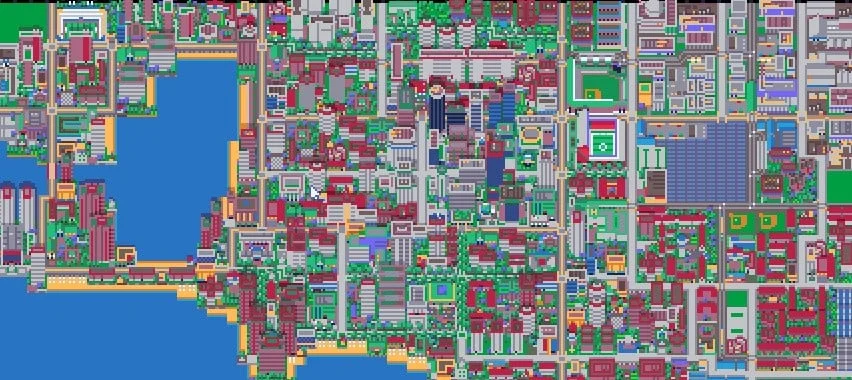
Urbanitas proves that complex city-building simulations can thrive within the constraints of retro-inspired fantasy hardware
A place is only as good as the people in it, a philosophy that sits at the core of the newly released city-building simulation Urbanitas. Developed by the indie studio…
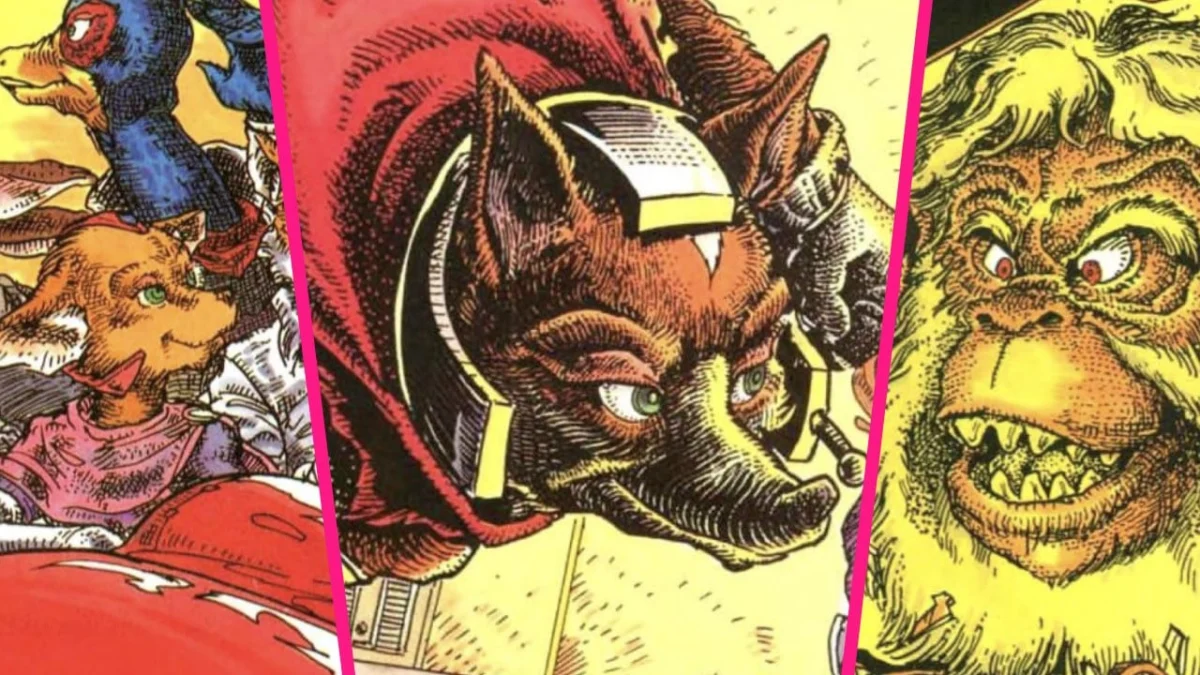
The Forgotten Architect of the Lylat System: An Interview with Benimaru Itoh and the Legacy of Nintendo Power Comics
For many North American gamers who came of age in the 1990s, the monthly arrival of Nintendo Power served as the definitive chronicle of the industry’s golden era. While European…

 Cecilia Chamidah Nur