Cecilia Chamidah Nur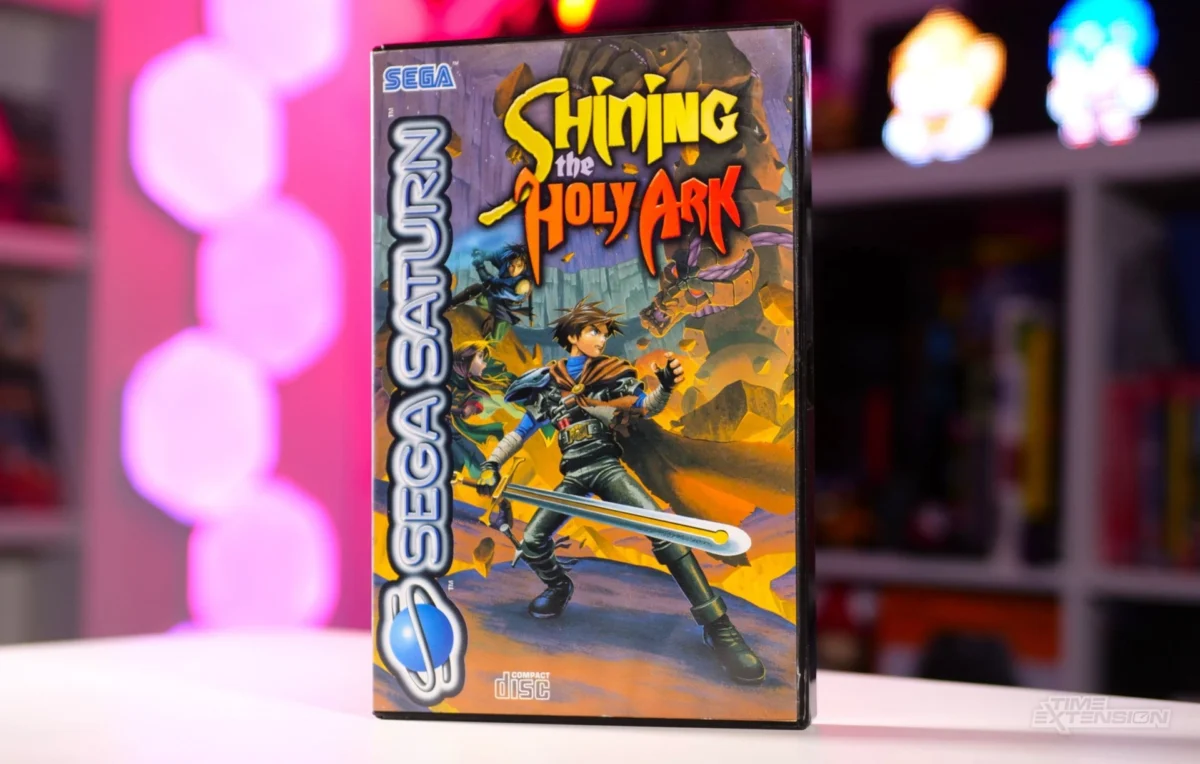
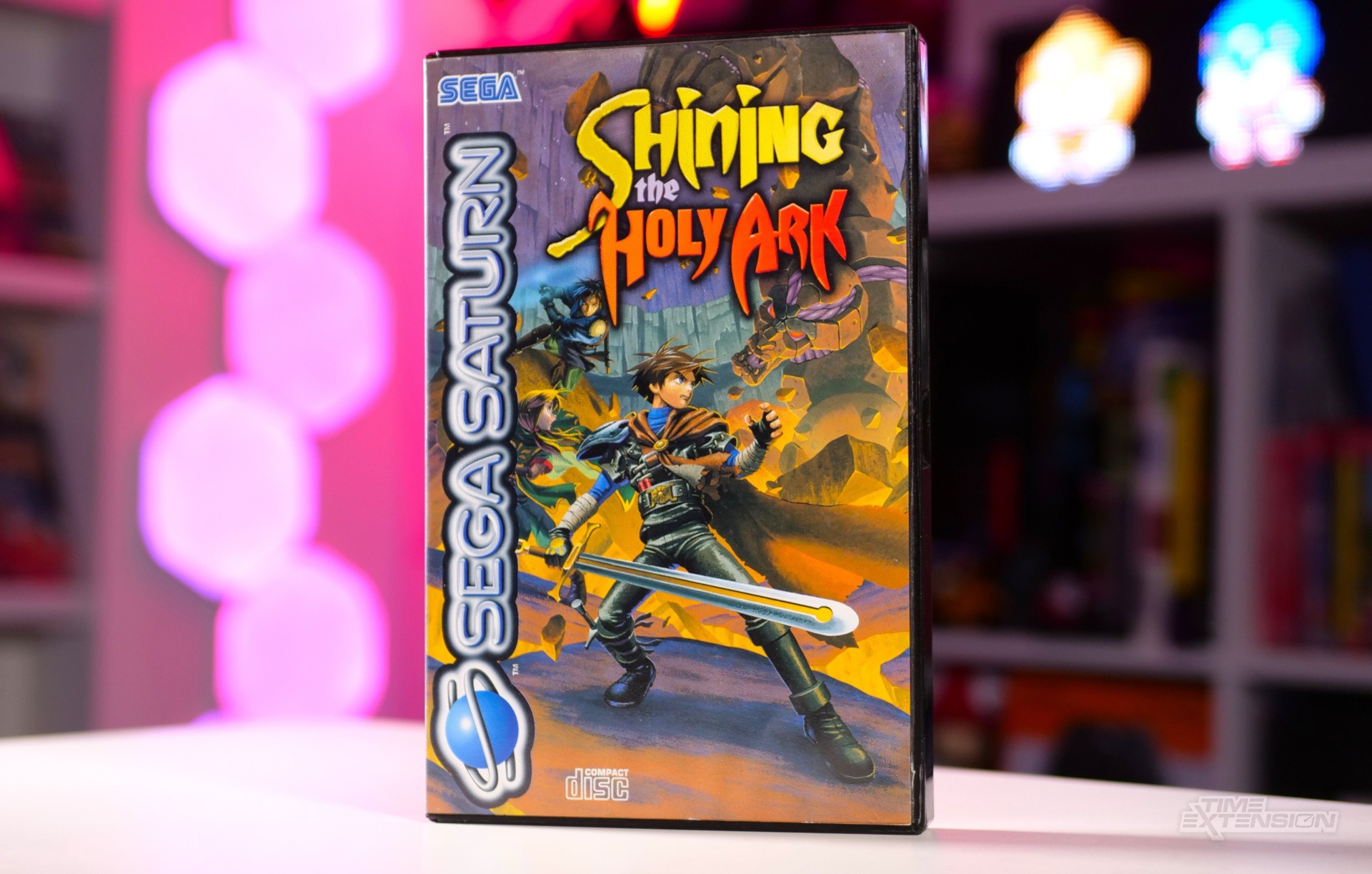
Shining The Holy Ark, released for the Sega Saturn in 1996 in Japan and 1997 in Western markets, stands as a pivotal entry in the acclaimed "Shining" series and a notable highlight within the console’s distinct library. Developed by Sonic! Software Planning (later known as Camelot Software Planning) and published by Sega, this title marked a significant return to the first-person dungeon-crawling roots that defined the franchise’s inaugural installment, "Shining in the Darkness." Its release was met with considerable anticipation from fans who cherished the series’ initial foray into the Japanese role-playing game (JRPG) genre, offering a sophisticated blend of exploration, strategic turn-based combat, and an immersive narrative crafted specifically for the Sega Saturn’s architecture.
The Genesis of a Legacy: The "Shining" Series’ Varied Path
The "Shining" series commenced its journey with "Shining in the Darkness" on the Sega Mega Drive/Genesis in 1991. This foundational title presented players with a first-person, grid-based dungeon crawler that skillfully combined elements of Western computer RPGs like "Dungeon Master" with the narrative depth and character progression typical of Japanese RPGs such as "Dragon Quest." Its innovative approach garnered a dedicated following, establishing the "Shining" name as a hallmark of quality within the burgeoning JRPG landscape.
However, the series soon diversified its gameplay mechanics with the release of "Shining Force" in 1993. "Shining Force" and its subsequent installments transitioned into a tactical turn-based strategy RPG format, a move that, while immensely popular and critically successful, diverged significantly from the original first-person dungeon exploration. This shift created a dual identity for the "Shining" franchise, captivating a broader audience but also leaving a segment of its initial fanbase yearning for a return to its foundational style. By the mid-1990s, as the 32-bit console generation took hold, reports of a new "Shining" title that would revisit the first-person perspective generated considerable excitement among these enthusiasts, culminating in the unveiling of "Shining The Holy Ark." This title was designed to bridge the gap, appealing to both the legacy fans of "Shining in the Darkness" and showcasing the advanced capabilities of the Sega Saturn.
Development and Release: A Mid-90s Console Landscape
"Shining The Holy Ark" emerged during a highly competitive period in console gaming, with the Sega Saturn vying for market share against the ascendant Sony PlayStation and the forthcoming Nintendo 64. The Saturn, while celebrated for its prowess in 2D graphics and arcade ports, faced challenges in delivering compelling 3D experiences that could match the PlayStation’s growing library. "Shining The Holy Ark" was a deliberate effort by Sega and Sonic! Software Planning to demonstrate the Saturn’s capacity for complex 3D environments and immersive RPG gameplay.
The game first launched in Japan on December 13, 1996, to generally positive reviews and strong sales within the Japanese market, where JRPGs held significant cultural sway. It subsequently arrived in North America in April 1997 and in Europe in August 1997. Its release trajectory reflected the typical staggered global rollout of major Japanese titles during that era. Sega positioned "Shining The Holy Ark" as a flagship RPG for the Saturn, a console that, despite its struggles in the West, cultivated a reputation as a haven for genre enthusiasts, particularly those interested in niche Japanese titles. The game’s development cycle involved harnessing the Saturn’s dual-CPU architecture to render its detailed 3D dungeons, a technical feat that, while occasionally pushing the hardware to its limits, resulted in environments far more expansive and intricate than its 16-bit predecessors.
Gameplay Mechanics: A Return to the Labyrinth
At its core, "Shining The Holy Ark" is a first-person dungeon crawler, a genre characterized by exploration through grid-based labyrinths and turn-based combat. Players navigate expansive, intricately designed 3D environments from a subjective viewpoint, meticulously charting their path through ancient ruins, subterranean caverns, and bustling towns. This design choice directly invoked the spirit of "Shining in the Darkness," providing a sense of immersion and strategic movement as players encountered traps, puzzles, and hidden passages.
The battle system is a traditional turn-based affair, pitting the player’s party of adventurers against a variety of fantastical creatures. Combat encounters are initiated randomly as players traverse dungeons, transitioning into a dedicated battle screen. Here, players command their party members, issuing commands for physical attacks, defensive maneuvers, and a range of magical spells. Strategic party composition and resource management, including health, magic points, and item usage, are paramount to overcoming the game’s challenging encounters.

A distinctive innovation in "Shining The Holy Ark" is the "Pikaf" or "Spirit" system. Throughout their journey, players can encounter and capture various spirits, known as Pikafs. These ethereal beings can be equipped by party members, granting them unique abilities, stat boosts, or special attacks in combat. The system adds a layer of depth to character customization and tactical planning, as players must decide which Pikafs best complement their party’s strengths and weaknesses, adapting their strategy to different enemies and situations. This mechanic not only enriched the combat but also incentivized thorough exploration, as rare Pikafs were often hidden in obscure corners of the vast dungeons. The interaction with these spirits also ties into the game’s narrative, hinting at a deeper lore surrounding the world and its magical inhabitants.
Artistic Direction and Technical Ambition
The visual presentation of "Shining The Holy Ark" was a significant point of discussion upon its release. The game pushed the Sega Saturn’s 3D capabilities to deliver "lavish 3D dungeons," which, for the time, were considered highly immersive and detailed. The environments were rendered with a consistent aesthetic, creating a cohesive and believable world for players to explore. While the game engine occasionally exhibited slowdowns, particularly in more complex town segments with numerous interactive elements, this was largely a common technical limitation for 3D games of the mid-90s, especially on hardware like the Saturn that presented unique development challenges.
Character models, particularly those for the player party and key non-player characters, were rendered as pre-rendered sprites. This technique, also seen in titles like early "Final Fantasy" games on the PlayStation, allowed for highly detailed and artistically rich character designs without requiring the console to render complex 3D models in real-time. While modern sensibilities might find these pre-rendered sprites somewhat dated when juxtaposed against the polygonal environments, they were a practical and effective solution for achieving visual fidelity within the technical constraints of the era. The art direction aimed for a classic fantasy aesthetic, blending medieval European influences with distinct Japanese RPG design sensibilities, creating a memorable cast of characters and a world rich in lore.
The Aural Landscape: Motoi Sakuraba’s Masterpiece
One of the most universally praised aspects of "Shining The Holy Ark" is its musical score, composed by the renowned Motoi Sakuraba. Sakuraba, known for his work on numerous acclaimed RPGs including the "Tales" series, "Star Ocean," and "Dark Souls," delivered an "utterly gorgeous soundtrack" that significantly elevated the game’s atmosphere and emotional resonance. His compositions for "Shining The Holy Ark" span a wide range of moods, from the haunting melodies of deep dungeons to the epic fanfares of boss battles and the tranquil themes of safe havens.

Sakuraba’s signature style, characterized by intricate progressive rock influences, complex orchestrations, and memorable leitmotifs, is prominently featured throughout the score. The soundtrack not only complemented the visual experience but often transcended it, becoming a defining characteristic of the game itself. Many players recall the music as a primary factor in their immersion, underscoring the importance of sound design in creating a cohesive and unforgettable gaming experience. The quality of the audio, leveraging the Saturn’s sound capabilities, ensured that Sakuraba’s compositions were rendered with clarity and impact, cementing "Shining The Holy Ark" as an auditory benchmark for the console.
Enduring Legacy and Modern Appreciation
"Shining The Holy Ark" has maintained a strong cult following and is widely regarded as one of the standout JRPGs on the Sega Saturn. Its unique blend of classic dungeon-crawling mechanics with a rich narrative and innovative systems like the Pikaf system ensured its place in gaming history. For many, it represented the pinnacle of the first-person "Shining" experience, a spiritual successor that fulfilled the promise of its Mega Drive progenitor with 32-bit flair.
The game’s legacy is evident in the dedication of its fanbase. Many players, years after its initial release, continue to revisit the title. The pursuit of completion, even decades later, highlights the game’s lasting appeal and the depth of its content. Modern retro gaming platforms and communities have played a crucial role in keeping "Shining The Holy Ark" alive. Emulation, devices like the Polymega, and initiatives such as RetroAchievements have provided new avenues for players to experience and re-engage with classic titles. The prospect of earning digital achievements, for instance, offers a renewed challenge and motivation for veteran players to delve back into its intricate dungeons, often prompting full restarts to achieve every milestone. This phenomenon underscores a broader trend in retro gaming: the desire to not merely revisit past glories but to master them in new, structured ways.
Despite the noted aging of its pre-rendered character sprites and occasional frame rate dips, the overall experience of "Shining The Holy Ark" remains compelling. Its strengths—the intricate dungeon design, strategic combat, captivating storyline, and particularly the superb soundtrack—continue to resonate with players. It stands as a testament to the ambitious game development of the mid-90s and the unique identity of the Sega Saturn, a console that, despite its commercial struggles against the PlayStation, cultivated a library rich with distinctive and high-quality titles like "Shining The Holy Ark."
Broader Impact and Implications
"Shining The Holy Ark" played a significant role in defining the Sega Saturn’s identity as a platform for serious RPG enthusiasts, particularly in Japan. While the PlayStation captured a broader audience with its diverse software library, the Saturn carved out a niche as a destination for more traditional and often technically ambitious Japanese RPGs. "Holy Ark" contributed to this reputation, showcasing Sega’s commitment to the genre and providing a counter-narrative to the perception that the Saturn struggled with 3D gaming.
The game’s success, both critical and among its dedicated fanbase, also influenced the subsequent trajectory of the "Shining" series. While the franchise continued to experiment with various genres, including real-time strategy and action RPGs, "The Holy Ark" reinforced the enduring appeal of its first-person dungeon-crawling roots. It demonstrated that there was a strong demand for this particular subgenre, even as the industry shifted towards more cinematic and action-oriented RPG experiences.
Ultimately, "Shining The Holy Ark" is more than just a relic of the Sega Saturn era; it is a meticulously crafted JRPG that embodies the creative and technical ambitions of its time. Its intricate world, challenging gameplay, and an unforgettable soundtrack ensure its position as a cherished classic, continually drawing in new generations of retro gamers while offering a nostalgic, yet still deeply engaging, experience for those who first encountered its magic decades ago. Its continued appreciation serves as a reminder of the enduring power of well-designed games to transcend their technical limitations and leave a lasting impression on the hearts of players.