Cecilia Chamidah Nur
McDonald’s Japan has officially announced an upcoming collaboration with Capcom’s legendary Mega Man franchise, known as Rockman in its native Japan, set to launch on May 22nd, 2026, at 9:30 am JST. This highly anticipated partnership follows last year’s successful Street Fighter-themed promotion and aims to capitalize on the enduring popularity of the Blue Bomber, particularly with the forthcoming release of the new Mega Man: Dual Override game next year. The campaign, teased through a series of cryptic yet engaging social media posts, strongly suggests a focus on a new range of iced beverages, tapping into both the nostalgia of long-time fans and the widespread appeal of contemporary pop culture crossovers in the Japanese market.
Strategic Collaborations: McDonald’s Japan’s Winning Formula
McDonald’s Japan has established a robust strategy of engaging with popular media franchises to invigorate its brand and attract diverse customer segments. These collaborations often involve limited-time menu items, themed packaging, and collectible merchandise, creating a sense of urgency and exclusivity that resonates strongly with Japanese consumers. The success of these partnerships is not merely anecdotal; they consistently drive significant increases in foot traffic, sales, and social media engagement.
Last year’s Street Fighter collaboration serves as a prime example of this strategy’s efficacy. The fast-food giant introduced a range of themed burgers and other menu items inspired by iconic characters and elements from the fighting game series. This initiative generated substantial buzz across various platforms, from dedicated gaming communities to mainstream media, leading to widespread participation and positive sentiment. Such collaborations are particularly potent in Japan, where pop culture integration is a significant aspect of consumer marketing, allowing brands like McDonald’s to become temporary cultural hubs for fans. By aligning with beloved intellectual properties, McDonald’s Japan effectively transforms a standard meal into an experiential event, fostering brand loyalty and capturing the attention of a wide demographic, from children attracted to the characters to adults nostalgic for their childhood heroes.
Mega Man: A Timeless Icon in Gaming
The choice of Mega Man for this latest collaboration is a testament to the franchise’s enduring legacy and cultural significance. Created by Capcom in 1987, Mega Man (or Rockman as it’s known in Japan) quickly became one of gaming’s most recognizable characters, celebrated for its challenging platforming gameplay, memorable boss battles, and distinct art style. Over nearly four decades, the franchise has spawned numerous mainline titles, spin-offs, animated series, comics, and merchandise, cementing its place as a cornerstone of video game history.
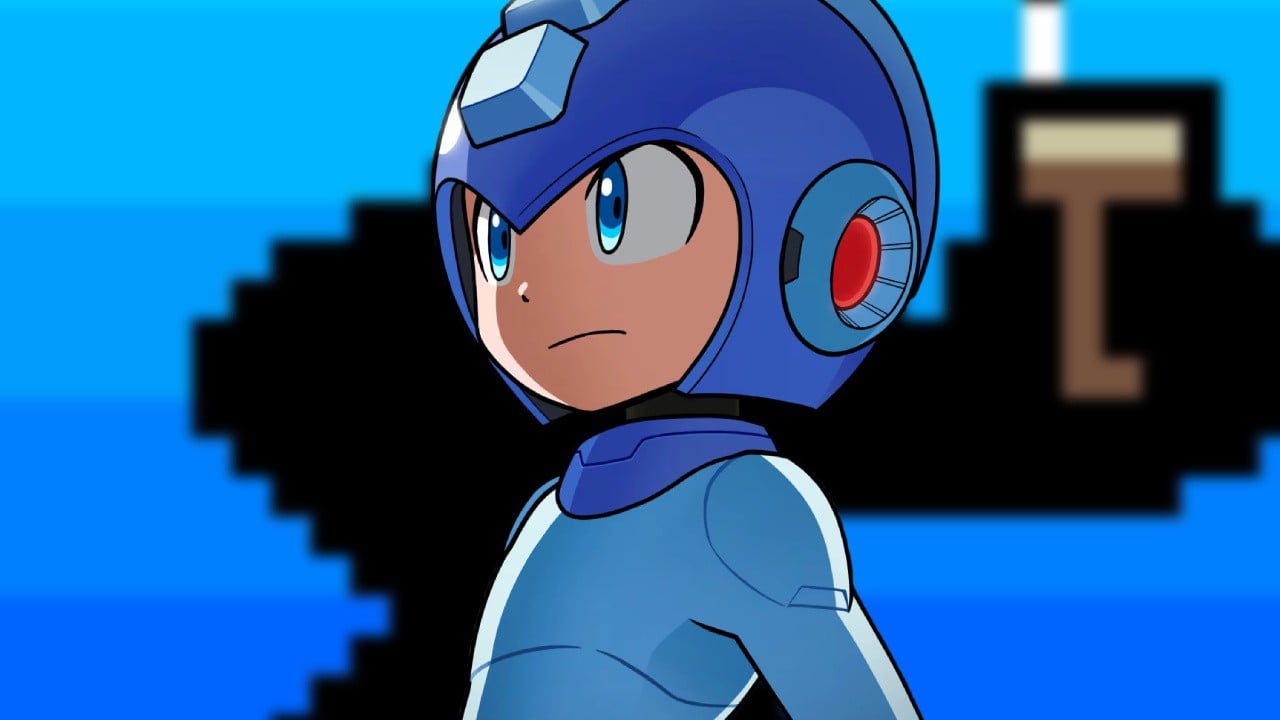
The appeal of Mega Man transcends generations. Older fans recall the NES-era classics with fondness, while newer players have been introduced to the character through collections, re-releases, and more recent entries. This multi-generational reach makes Mega Man an ideal partner for a mass-market brand like McDonald’s, capable of drawing in a broad audience. Furthermore, with Capcom gearing up for the release of Mega Man: Dual Override next year, this collaboration serves as a perfectly timed marketing initiative. It not only keeps the character relevant in the public consciousness but also generates anticipation for the upcoming game, reminding existing fans and potentially introducing new ones to the world of Mega Man.
Unpacking the Teaser Campaign: A Masterclass in Fan Engagement
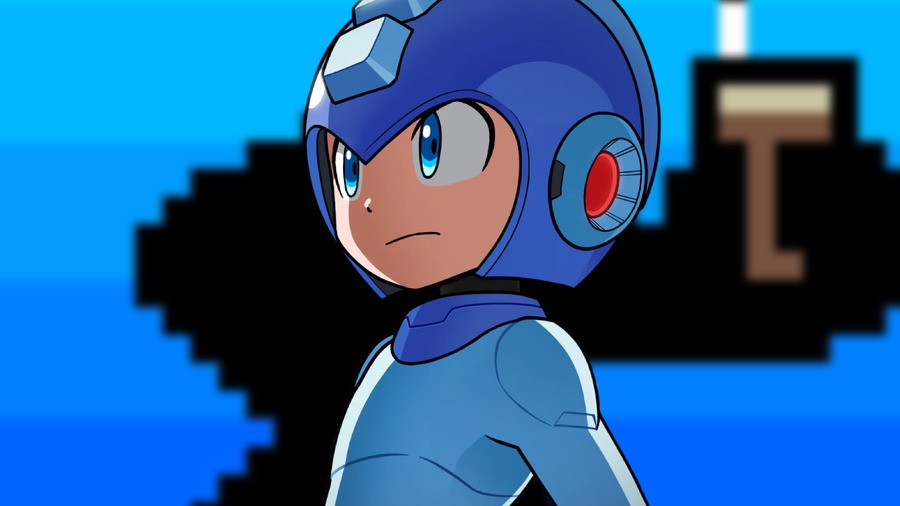
McDonald’s Japan’s rollout of the Mega Man collaboration has been a carefully orchestrated social media campaign, expertly leveraging anticipation and fan interaction. The initial teaser, posted on its official X (formerly Twitter) account, featured a distinctive silhouette of Mega Man holding a pixellated drink. This cryptic image, accompanied by the intriguing caption, "That guy is coming to take you down," immediately ignited a fervent response across social media platforms.
The tweet garnered significant attention, accumulating 4.2 thousand retweets and an impressive 12.6 thousand likes within a short period. This level of engagement underscores the strong connection fans have with the Mega Man character and the excitement surrounding such a high-profile collaboration. Amusingly, some observant commenters humorously pointed out that the pixellated drink in Mega Man’s hand bore a striking resemblance to a cigarette, playfully suggesting a "Mega Man-endorsed pro-smoking campaign." While clearly a misinterpretation, this lighthearted interaction further amplified the tweet’s visibility and virality, demonstrating the power of fan-driven commentary in modern marketing.
Following this initial burst of activity, McDonald’s Japan released additional tweets that provided further clues, progressively building excitement. One subsequent post showcased an image of Mega Man’s iconic Mega Buster, but with a clever twist: the McCafé logo prominently emblazoned across it. This detail strongly hinted at the specific nature of the collaboration, directing focus towards the McCafé line of beverages, particularly iced drinks, rather than traditional food items. The integration of the McCafé brand indicates a strategic move to promote this specific segment of McDonald’s offerings, aligning it with a beloved gaming icon.
The Viral Power of "Air Man ga Taosenai"
Perhaps the most ingenious and fan-pleasing element of the teaser campaign was the direct reference to the legendary Mega Man doujin song, "Air Man ga Taosenai" (which translates to "I Cannot Defeat Air Man"). This reference, shared in a subsequent tweet, was a deep cut that resonated profoundly with the franchise’s dedicated fanbase.

To understand the significance of this reference, a brief dive into its history is necessary. "Air Man ga Taosenai" originated in 2007 when a user named "Seramikaru" uploaded the song to Nico Nico Douga, a popular Japanese video-sharing website. The song humorously laments the notorious difficulty of defeating Air Man, one of the Robot Masters from Mega Man 2, whose stage is infamous for its challenging platforming and relentless wind-based attacks. The relatable frustration expressed in the lyrics, combined with its catchy melody, quickly propelled "Air Man ga Taosenai" into an internet meme phenomenon within Japan. Its popularity further surged with a widely recognized cover version by the musical group Team Nekokan, solidifying its status as a beloved piece of Mega Man fan culture.
By referencing "Air Man ga Taosenai," McDonald’s Japan demonstrated an exceptional understanding of the Mega Man community’s unique cultural touchstones. This wasn’t merely a superficial character tie-in; it was a nod that spoke directly to the core fandom, acknowledging their shared experiences and inside jokes. This level of engagement fosters a sense of authenticity and appreciation among fans, transforming a marketing campaign into a shared cultural moment. The reference also subtly reinforces the implied theme of the collaboration: the difficulty of "defeating" the heat or thirst, perhaps, with a refreshing iced drink – a playful thematic link to the song’s struggle. This clever use of fan-generated content in a major corporate marketing campaign is a testament to the evolving strategies brands employ to connect with niche yet highly engaged audiences.
A History of Cross-Promotional Success
The upcoming Mega Man collaboration is not an isolated event but rather the latest chapter in a long-standing history of successful partnerships between Capcom and McDonald’s in Japan. This continuity highlights the mutual benefits derived from such alliances and the consistent appeal of the Mega Man brand across different eras and iterations.
Back in 2005, Capcom teamed up with McDonald’s for a promotion centered around the popular anime series MegaMan NT Warrior, known as Rockman EXE in Japan. This campaign saw McDonald’s offering MegaMan NT Warrior-themed toys and collectibles as part of its Happy Meal (or "Happy Set" in Japan) offerings. These promotions were incredibly popular, tapping into the then-current anime craze and introducing the franchise to a younger generation through an accessible medium. The collectible nature of the toys encouraged repeat visits, effectively driving sales and brand engagement for both parties.
A subsequent promotion followed for Mega Man Star Force, another prominent spin-off series that enjoyed considerable popularity, particularly among younger audiences. These earlier collaborations primarily focused on physical merchandise and toys, leveraging the appeal of characters and storylines from the anime adaptations. In contrast, the current 2026 collaboration appears to pivot towards themed menu items, specifically iced drinks, signaling an evolution in how these partnerships are structured and what aspects of the brand they aim to highlight. This shift may reflect changing consumer preferences, a desire to offer more integrated product experiences, or a strategic focus on specific product categories within McDonald’s.
Broader Implications and Market Impact
The Mega Man x McDonald’s Japan collaboration carries significant implications for both companies and the broader market for pop culture crossovers.
For McDonald’s Japan: This partnership is expected to generate a substantial surge in sales and customer traffic, particularly within the McCafé segment. The limited-time nature of the offerings, combined with the strong brand recognition of Mega Man, will likely create a sense of urgency, encouraging consumers to visit McDonald’s stores during the promotional period. Furthermore, these collaborations enhance McDonald’s brand image as a dynamic and culturally relevant entity, capable of engaging with contemporary trends and consumer interests. In a highly competitive fast-food landscape, such unique offerings serve as a crucial differentiator, attracting customers who might otherwise opt for competing chains.
For Capcom and the Mega Man Franchise: The timing of this collaboration is strategically perfect, preceding the launch of Mega Man: Dual Override next year. It serves as an invaluable marketing tool, keeping the Mega Man brand in the public eye and generating excitement for the new game. This widespread exposure, through a ubiquitous brand like McDonald’s, can re-engage dormant fans, attract new players who may be curious about the iconic character, and reinforce the franchise’s cultural footprint. It’s a cost-effective way to achieve massive visibility and build anticipation, translating into potential sales for Dual Override.
Broader Market Trends: This collaboration is indicative of a growing trend where video game intellectual properties are increasingly leveraged in partnerships with food and beverage giants. Companies recognize the immense power of nostalgia and the emotional connection consumers have with beloved characters. From Pokémon to Super Mario, such crossovers have proven to be highly effective in driving consumer engagement and sales. This trend highlights a maturation of the video game industry, where its characters and narratives are now mainstream cultural touchstones, capable of driving consumer behavior across diverse product categories. The economic impact of such collaborations is substantial, generating significant revenue streams for both the IP holders through licensing agreements and for the partnering brands through increased product sales.
Anticipated Statements and Reactions
While official statements from McDonald’s Japan and Capcom regarding the specifics of the collaboration are yet to be fully released, one can infer the likely sentiments:
A spokesperson from McDonald’s Japan might emphasize their commitment to delivering exciting and unique experiences to their customers, stating something akin to, "We are thrilled to partner with Capcom to bring the legendary world of Mega Man to our stores. Following the incredible success of our Street Fighter collaboration, we are confident that this new partnership will delight fans of all ages and offer a refreshing new way to enjoy our McCafé beverages."
Similarly, a representative from Capcom could articulate their enthusiasm for the partnership as a means of connecting with their fanbase and expanding the reach of the Mega Man brand. They might comment, "The Mega Man franchise holds a special place in the hearts of millions, and we are excited to collaborate with McDonald’s Japan to celebrate this iconic character. This partnership is a fantastic opportunity to engage our dedicated community and build excitement for the upcoming Mega Man: Dual Override, reminding everyone why the Blue Bomber continues to be a gaming legend."
Fan reactions, already evident from the social media teasers, are expected to remain overwhelmingly positive. The strategic inclusion of the "Air Man ga Taosenai" reference particularly suggests that the campaign is well-attuned to the nuances of the Mega Man fandom, ensuring a strong and authentic connection.
Conclusion
The upcoming Mega Man collaboration between McDonald’s Japan and Capcom is poised to be a significant event, blending the universal appeal of fast food with the enduring legacy of one of gaming’s most beloved franchises. By building on past successes, strategically leveraging social media, and demonstrating a deep understanding of fan culture through clever references like "Air Man ga Taosenai," McDonald’s Japan is set to deliver a promotion that is both commercially impactful and culturally resonant. As the May 22nd, 2026, launch date approaches, anticipation will undoubtedly continue to build, cementing this collaboration as a highlight in the evolving landscape of pop culture marketing and a delicious treat for Mega Man fans across Japan.