Cecilia Chamidah Nur
The venerable Atari brand, under its contemporary stewardship, has continued its strategic resurgence in the retro gaming and computing market, with a recent trademark application for the "800XL" suggesting the imminent arrival of another dedicated hardware platform. Filed with the United States Patent and Trademark Office (USPTO), the application explicitly categorizes the 800XL under ‘home video game machines,’ igniting considerable excitement among enthusiasts and industry observers regarding the potential for a new micro-console or retro computer aimed at celebrating Atari’s rich 8-bit heritage. This move aligns with the company’s established pattern of leveraging its extensive intellectual property through partnerships and innovative hardware, reinforcing its commitment to preserving and reintroducing classic gaming experiences to a modern audience.
Atari’s Strategic Revival: A Blueprint for Legacy Hardware
In recent years, Atari has embarked on a calculated journey to reclaim its prominence within the gaming industry, shifting its focus from speculative blockchain ventures to a more grounded strategy centered on premium game development and, crucially, the revival of its storied hardware legacy. This strategic pivot, largely overseen by CEO Wade Rosen, has seen the company emphasize its vast catalog of intellectual property, leading to a series of successful partnerships and product launches.
Key to this hardware revival are collaborations with specialists in retro emulation. Retro Games Ltd., known for its critically acclaimed C64 Mini and A500 Mini, has been instrumental in bringing the Atari 400 Mini to market. This miniature replica of the classic Atari 400 home computer offered a curated selection of 8-bit games, along with the ability to load more via USB, connecting a new generation with the early days of personal computing and gaming. Similarly, My Arcade has partnered with Atari to release portable solutions like the GameStation Go, providing a convenient, handheld gateway to a diverse library of Atari titles. These ventures have demonstrated a robust market appetite for well-executed retro hardware, characterized by authentic design, ease of use, and a nostalgic appeal that resonates deeply with long-time fans and curious newcomers alike. The success of these previous endeavors provides a strong precedent for the potential 800XL release, indicating a clear demand for meticulously crafted retro experiences.
The Atari 800XL: A Pillar of 1980s Home Computing
To understand the significance of the 800XL trademark, one must delve into the history of Atari’s 8-bit computer line, a pioneering series that played a pivotal role in the early development of personal computing and gaming. The original Atari 800XL, launched in 1983, represented a refinement and cost-reduction effort from its predecessors, the Atari 400 (1979), 800 (1979), and the short-lived 1200XL (1982). These machines were technologically advanced for their time, boasting custom chips (ANTIC for graphics, POKEY for sound and I/O) that delivered capabilities often superior to contemporary systems like the Apple II and early Commodore models, particularly in terms of graphics and sound.
The 800XL quickly became the flagship model of Atari’s "XL" series. It featured 64KB of RAM (expandable to 128KB with later modifications), a full-travel keyboard (a significant improvement over the 400’s membrane keyboard), and a sleeker, more modern industrial design. Its integrated BASIC programming language, combined with its powerful hardware, made it a popular choice for both gaming and educational purposes. The 800XL was a direct competitor to the ubiquitous Commodore 64, offering a distinct alternative in the burgeoning home computer market. While the Commodore 64 ultimately outsold it globally, the 800XL maintained a loyal following, particularly in North America and parts of Europe, thanks to its robust software library, impressive multimedia capabilities, and dedicated user community.
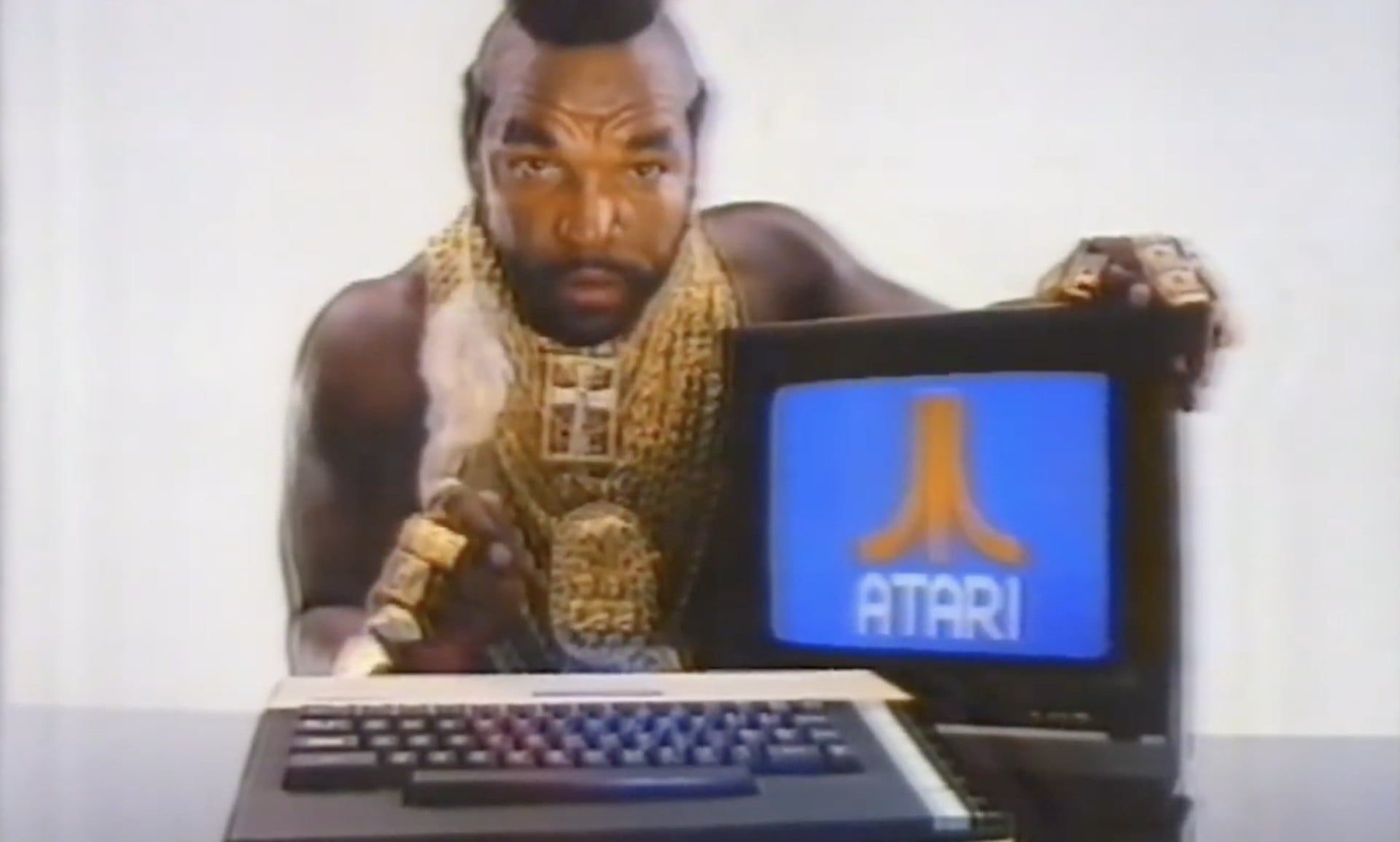
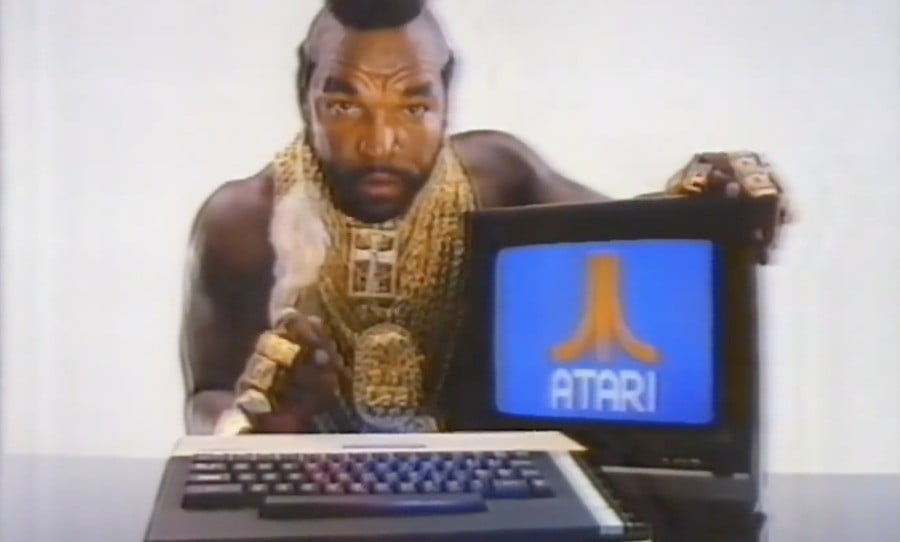
The cultural impact of the 800XL was also notable. Atari famously enlisted pop culture icons to promote the computer. In Australia, the formidable Laurence Tureaud, better known as Mr. T from "The A-Team," lent his star power to the advertising campaigns, embodying the computer’s strength and reliability. In North America, acclaimed actor Alan Alda, celebrated for his role in "MAS*H," served as the system’s spokesperson, appealing to a broader, family-oriented audience with a message emphasizing the computer’s accessibility and educational value. These high-profile endorsements underscored Atari’s ambition for the 800XL to be a mainstream success.
The Enduring Allure of the Mini Console Trend
The potential release of an Atari 800XL mini-console arrives amidst a thriving market for retro-themed hardware. The "mini console" trend, arguably popularized by Nintendo’s NES Classic Edition in 2016, has proven to be a highly lucrative niche. These devices offer a compact, HDMI-compatible re-imagining of classic systems, pre-loaded with a curated selection of iconic games, bypassing the complexities of original hardware, CRT televisions, and emulation software on modern PCs.
The success factors for these mini consoles are multifaceted:

- Nostalgia: They tap into a powerful sense of nostalgia for older gamers who grew up with these systems.
- Accessibility: Modern connectivity (HDMI) and simplified interfaces make them easy to set up and play.
- Curated Libraries: The inclusion of beloved, classic titles provides instant gratification.
- Affordability: Compared to collecting original hardware and games, mini consoles offer a relatively inexpensive entry point into retro gaming.
- Collectibility: The miniature form factor and faithful reproduction of original aesthetics appeal to collectors.
Examples beyond Nintendo’s offerings include the PlayStation Classic, Sega Mega Drive Mini, C64 Mini, and Amiga A500 Mini, all of which have found enthusiastic audiences. The market demonstrates a clear preference for devices that not only play classic games but also serve as tangible, aesthetically pleasing tributes to computing history. The total market size for retro gaming, encompassing hardware, software, and merchandise, is estimated to be in the billions of dollars annually, underscoring the commercial viability of such ventures.
Differentiating the 800XL Mini: A Strategic Imperative
A crucial question arises regarding how a potential Atari 800XL mini-console would differentiate itself from the recently released Atari 400 Mini. Both systems belong to the same 8-bit computer family, sharing largely identical internal architecture and, therefore, the same vast software library. The Atari 400 Mini already boasts compatibility with the entire 8-bit Atari computer range, allowing users to play games originally designed for the 800XL and other models.
Several avenues for differentiation exist, and Atari, likely in conjunction with its hardware partners, will need to carefully consider these:
-
Form Factor and Keyboard Functionality: The most apparent difference between the original 400 and 800XL was their keyboards. The 400 featured a membrane keyboard, while the 800XL offered a full-travel, mechanical keyboard. A key differentiator for an 800XL Mini could be the inclusion of a fully functional, miniature mechanical keyboard. This would appeal strongly to retro computing enthusiasts who value the tactile experience of typing and programming, rather than just gaming. This feature could unlock a broader range of software, including productivity applications and programming environments, making it a "mini computer" rather than solely a "video game machine." The 400 Mini, while emulating the 400, typically uses an aesthetic non-functional keyboard, requiring an external USB keyboard for actual typing. An 800XL Mini with a usable keyboard would be a significant upgrade for serious retro computing fans.
-
Expanded or Themed Game Library: While the 400 Mini already offers a diverse selection, an 800XL Mini could focus on a different curated set of games, perhaps emphasizing titles that truly showcased the 800XL’s capabilities, or including more educational and productivity software. Alternatively, it could simply offer a larger pre-installed library, building upon the success of the 400 Mini.
-
Peripheral Support and Connectivity: A new iteration could feature enhanced peripheral support, such as more USB ports, perhaps a dedicated joystick port that replicates the original feel, or even experimental features like integrated Wi-Fi for online scoreboards or game downloads (though this would depart from pure retro authenticity).
-
Targeted Marketing: The 800XL Mini could be marketed more explicitly towards the "retro computing" segment, emphasizing its historical significance as a home computer capable of more than just games, whereas the 400 Mini leaned more into the "gaming console" aspect. This subtle shift in branding could carve out a distinct identity.
Industry analysts suggest that Atari’s strategy is likely to capitalize on the distinct physical characteristics of the 800XL, particularly its superior keyboard. "The market for mini consoles is maturing," notes one hardware analyst. "Simply re-releasing the same internal tech in a different shell won’t cut it. Atari needs to give consumers a compelling reason to buy an 800XL Mini if they already own the 400 Mini, and a functional keyboard offers a clear, tangible advantage for a segment of the retro community."
Technical Considerations and Emulation Accuracy
Developing a retro mini-console involves complex engineering challenges to ensure accurate emulation while providing a modern user experience. The core of these devices is typically a system-on-a-chip (SoC) running an embedded Linux distribution, with specialized emulation software (like VICE for Commodore or Atari800 for Atari 8-bit) handling the recreation of the original hardware.
Key technical considerations include:

- Emulation Accuracy: Ensuring games and software run as they did on original hardware, replicating timing, graphics, and sound precisely.
- Performance: The SoC must be powerful enough to run the emulation smoothly without lag or glitches.
- Video Output: Scaling the original low-resolution video output to modern HDMI displays while maintaining aspect ratio and visual fidelity. Filters (e.g., CRT scanlines) are often included to enhance the retro feel.
- User Interface: A user-friendly graphical interface for selecting games, configuring settings, and managing saves.
- Expandability: The ability to load additional ROMs via USB, a feature highly valued by the community.
Given that the Atari 400 Mini already leverages the Atari800 emulator, a potential 800XL Mini would likely build upon this existing, proven technology. The challenge would be in optimizing the user experience, integrating any new physical features (like a functional keyboard), and ensuring seamless operation with the chosen game library.
Broader Impact and Future Implications for Atari
The potential introduction of an Atari 800XL mini-console signifies several broader implications for Atari and the retro gaming market:
- Reinforcement of Brand Strategy: It solidifies Atari’s commitment to its heritage hardware, demonstrating a consistent and coherent strategy under its current leadership. This helps to rebuild trust and excitement around a brand that has seen various tumultuous periods.
- Diversification of Retro Offerings: By introducing specific models from its 8-bit computer line, Atari can cater to different segments of the retro community – from casual gamers to serious retro computing enthusiasts who value the full keyboard experience.
- Market Leadership in Atari Emulation: With a series of official hardware releases, Atari is cementing its position as a primary purveyor of authentic Atari retro experiences, potentially outcompeting unofficial emulation solutions in terms of convenience and official support.
- Intellectual Property Valorization: Each new hardware release is a tangible expression of Atari’s vast intellectual property, turning dormant assets into revenue-generating products and reinforcing the value of the brand. This extends beyond hardware to include the licensing of games for modern platforms and the development of new titles.
- Future Expansions: A successful 800XL Mini could pave the way for other Atari retro computing revivals, such as the 65XE/130XE models, or even exploring other niche Atari systems if demand proves sufficient.
In conclusion, Atari’s trademark application for the 800XL is more than just a bureaucratic formality; it is a clear signal of intent. It suggests a thoughtful and strategic expansion of its highly successful retro hardware line, promising to bring another beloved piece of computing history into the modern era. While the specifics of the device remain speculative, the potential for a new mini-console that celebrates the full glory of the Atari 800XL, potentially with a functional keyboard and a meticulously curated software library, is undeniably exciting. For a generation that grew up with Mr. T and Alan Alda extolling the virtues of Atari’s 8-bit computers, and for new enthusiasts eager to explore the foundations of modern gaming and computing, the prospect of an 800XL Mini represents a compelling new chapter in Atari’s enduring legacy. The move underscores Atari’s dedication to its past, demonstrating how historical assets can be revitalized to captivate contemporary audiences and secure the brand’s future relevance in an ever-evolving digital landscape.
[source trademarks.justia.com, via bsky.app]