Farhan hamdan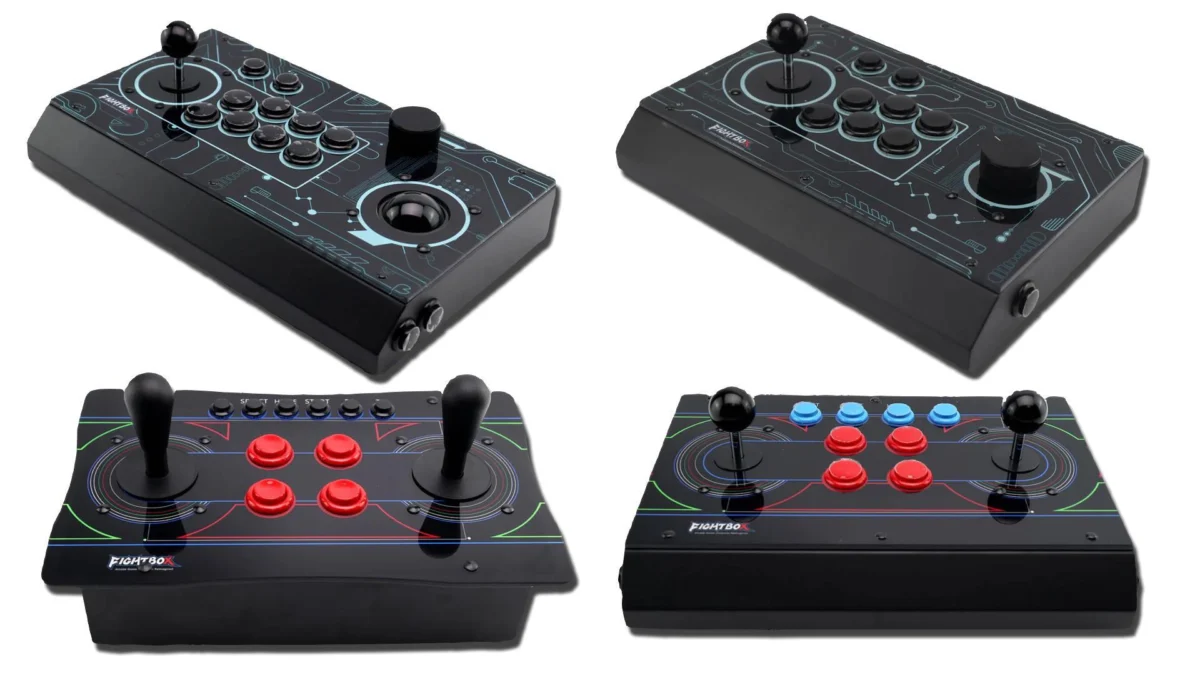
Stone Age Gamer, a prominent retailer in the retro gaming community, has announced the immediate availability of an innovative line of arcade sticks from FightBox, significantly expanding the options for enthusiasts seeking high-precision, low-latency input devices. These new FightBox controllers feature a range of configurations, including dedicated US and Japanese twin-stick setups, alongside standard arcade sticks enhanced with integrated spinner and trackball options, or even a combination of both. Central to their advanced performance is the adoption of Raspberry Pi Pico-based boards, meticulously flashed with the open-source GP2040 Community Edition firmware, promising an imperceptible input lag of 1ms or less, a crucial factor for demanding platforms like the MiSTer FPGA system. The collaboration between FightBox and Stone Age Gamer marks a strategic move to address the escalating demand for professional-grade retro gaming peripherals that combine versatility, authenticity, and cutting-edge technical performance.
The introduction of these FightBox arcade sticks represents a significant moment for the retro gaming hardware market, particularly for players who prioritize accuracy and a true arcade feel. Stone Age Gamer, known for its curated selection of classic gaming hardware, flash carts, and accessories, solidifies its position as a go-to source for high-quality, niche products. The partnership with FightBox brings to market controllers that are not merely functional but engineered to meet the stringent demands of competitive retro gaming and accurate arcade emulation. The inclusion of GP2040-CE firmware is a testament to this commitment, leveraging an open-source solution that has rapidly gained traction for its robust feature set and unparalleled responsiveness across multiple platforms.
The Genesis of Precision: GP2040 Community Edition Firmware
At the heart of the FightBox arcade sticks’ performance lies the GP2040 Community Edition firmware, an open-source project designed specifically for controller input devices built on the Raspberry Pi Pico and other RP2040 microcontrollers. The development of GP2040-CE began with a clear objective: to create a highly customizable, low-latency controller solution that could rival or surpass proprietary alternatives. Leveraging the RP2040’s dual-core ARM Cortex-M0+ processor and ample memory, the firmware achieves exceptionally low input lag, often measured in microseconds rather than milliseconds. For retro gaming, especially on platforms like the MiSTer FPGA, where hardware-accurate emulation strives for zero latency, a controller with sub-millisecond response times is not just a luxury but a necessity to preserve the original gameplay experience.
The GP2040-CE supports a wide array of input modes, including XInput for Windows, DInput for PC and Android, Switch mode for Nintendo Switch, PS4/PS5 compatibility (requiring specific authentication details), and keyboard mode. This broad compatibility ensures that FightBox controllers are not limited to a single system but can serve as a universal input device for a diverse gaming library. Furthermore, the firmware boasts extensive customization options through a built-in web configurator, allowing users to remap buttons, adjust input sensitivity, configure LED lighting, and fine-tune various parameters without requiring complex software installations. This user-centric design empowers players to tailor their controller experience precisely to their preferences and the specific demands of different games. The open-source nature of GP2040-CE also fosters continuous development and community support, ensuring ongoing improvements and adaptability to future gaming platforms and standards.
A Spectrum of Configurations: Meeting Diverse Gaming Needs
The FightBox line offered by Stone Age Gamer distinguishes itself through an impressive array of configurations, each designed to cater to specific genres and player preferences within the vast landscape of arcade and retro gaming.
-
Twin Stick Setups (US and Japanese Versions): For aficionados of classic arcade titles like Smash TV, Robotron 2084, or Total Carnage, a true twin-stick controller is indispensable. These games demand independent control over movement and firing direction, a requirement poorly met by standard single-stick setups. FightBox offers both US and Japanese style twin-stick configurations, allowing players to choose based on their ergonomic preference and the historical context of the games they enjoy. The difference often lies in the feel of the joystick actuators and gates, catering to the distinct tactile experiences preferred in different regions during the arcade era.
-
Standard Arcade Sticks with Spinner and Trackball Options: Beyond fighting games, many iconic arcade titles relied on specialized input methods. The FightBox standard arcade sticks address this by integrating high-quality spinners and trackballs.
- Spinners: Essential for games like Arkanoid, Tempest, Tron Deadly Discs, and Major Havoc, spinners provide precise rotational input, allowing for rapid, fluid control. The FightBox implementation ensures smooth, accurate tracking, vital for high scores in these reaction-based games.
- Trackballs: Games such as Centipede, Millipede, Missile Command, and Marble Madness are defined by their trackball control. The FightBox controllers with trackball options aim to replicate the authentic feel of these classic inputs, offering responsive and accurate cursor or player movement that is difficult to achieve with traditional joysticks or D-pads.
- Combined Options: The availability of models featuring both a trackball and a spinner on a single unit exemplifies FightBox’s commitment to versatility. This "all-in-one" approach is particularly appealing to MiSTer or Raspberry Pi users who desire a single peripheral to handle a wide range of arcade classics without needing to switch controllers. For instance, the proposed 8-button version with both trackball and spinner offers an unparalleled degree of flexibility, making it a potentially perfect fit for enthusiasts building comprehensive home arcade setups.
-
Driving Wheel Kit with Foot Pedals: Pushing the boundaries of integrated peripherals, FightBox also offers an innovative wheel option that can attach to the spinner, effectively transforming it into a functional driving controller. This kit, complete with foot pedals, opens up a world of classic racing games like Out Run, Pole Position, or Daytona USA, offering a far more immersive experience than digital inputs alone. While requiring a suitable setup for comfortable placement, this option highlights the modularity and expansive vision behind the FightBox product line.

Quality Components and Build Philosophy
While the original article broadly mentions "quality sticks and buttons," this detail is paramount in the arcade controller landscape. Professional-grade arcade sticks typically utilize components from renowned manufacturers like Sanwa Denshi or Seimitsu from Japan, or Happ/IL components from the USA, each offering distinct tactile feedback, durability, and aesthetic. FightBox’s commitment to quality implies the use of robust, responsive microswitches, durable plastics, and precise actuators that can withstand intense gaming sessions. The selection of high-grade materials not only enhances the gaming experience through superior feel and response but also ensures the longevity of the peripheral, a critical consideration for enthusiast-grade hardware. The physical construction of the FightBox controllers, as suggested by the imagery and feature list, appears robust, designed to provide a stable base for aggressive gameplay, preventing unwanted movement during critical moments.
The MiSTer Connection: Precision for FPGA Emulation
The mention of MiSTer FPGA as a primary beneficiary of the FightBox controllers’ low latency is highly significant. The MiSTer project aims to provide hardware-accurate recreations of classic arcade and console systems using Field-Programmable Gate Arrays. Unlike software emulation, which often introduces inherent input lag, FPGA recreations strive for latency figures identical to the original hardware. To fully capitalize on this, the input device itself must be equally responsive. A controller promising 1ms of lag or less perfectly complements the MiSTer’s capabilities, ensuring that the entire signal chain, from button press to on-screen action, is as close to instantaneous as possible. This synergy is crucial for competitive players and purists who demand the most authentic retro gaming experience available, free from the subtle delays that can impact timing-critical gameplay. The FightBox controllers, with their GP2040-CE core, are positioned as ideal companions for the MiSTer, offering a seamless and uncompromised interface to a vast library of meticulously recreated classics.
Market Reception and Industry Implications
The release of the FightBox arcade sticks through Stone Age Gamer is expected to generate considerable excitement within the retro gaming community. Forums, social media groups, and dedicated hardware review channels are likely to buzz with discussions, unboxing videos, and performance tests. The promise of sub-millisecond lag, combined with the versatility of integrated spinners, trackballs, and even driving wheels, directly addresses long-standing desires among enthusiasts for comprehensive, high-performance input solutions.
From an industry perspective, this launch underscores several trends:
- The Maturation of Open-Source Hardware: GP2040-CE exemplifies how open-source projects, driven by community collaboration, can produce commercial-grade, high-performance hardware solutions that challenge proprietary alternatives.
- Increased Demand for Specialized Peripherals: As retro gaming continues its resurgence, driven by platforms like MiSTer, Evercade, and dedicated mini-consoles, the market for specialized, high-quality peripherals is expanding. Generic USB controllers often fall short in replicating the nuanced experiences of classic arcade inputs.
- The Role of Retailers in Curating Quality: Retailers like Stone Age Gamer play a vital role in identifying and bringing these high-quality, niche products to a broader audience, bridging the gap between innovative manufacturers and discerning consumers.
- Integration and Consolidation: The trend towards "all-in-one" controllers that integrate multiple input types (joystick, trackball, spinner) within a single unit reflects a desire for convenience without sacrificing authenticity, particularly for home arcade setups where space might be limited.
The availability of robust testing methodologies, such as those performed by prominent figures in the retro gaming hardware analysis space, will be critical in validating the advertised low-latency figures. Independent verification reinforces consumer confidence and helps establish industry benchmarks for performance. The rigorous testing process, often involving high-speed cameras and specialized latency measurement tools, ensures that product claims align with real-world performance.
Looking Ahead: The Future of Retro Gaming Input
The FightBox arcade sticks represent more than just a new product launch; they embody the ongoing evolution of retro gaming hardware. The combination of cutting-edge microcontrollers, open-source firmware, and a deep understanding of arcade gaming’s diverse input requirements points towards a future where authentic, high-performance retro experiences are more accessible and customizable than ever before. As technology continues to advance, and the retro gaming community continues to grow, the demand for peripherals that bridge the gap between vintage gameplay and modern expectations will only intensify. FightBox, with its innovative approach and partnership with a trusted retailer like Stone Age Gamer, is well-positioned to be a significant player in shaping that future. This development not only enriches the options available to enthusiasts but also pushes the boundaries of what is possible in replicating the golden age of arcade gaming in the comfort of one’s home.