Cecilia Chamidah Nur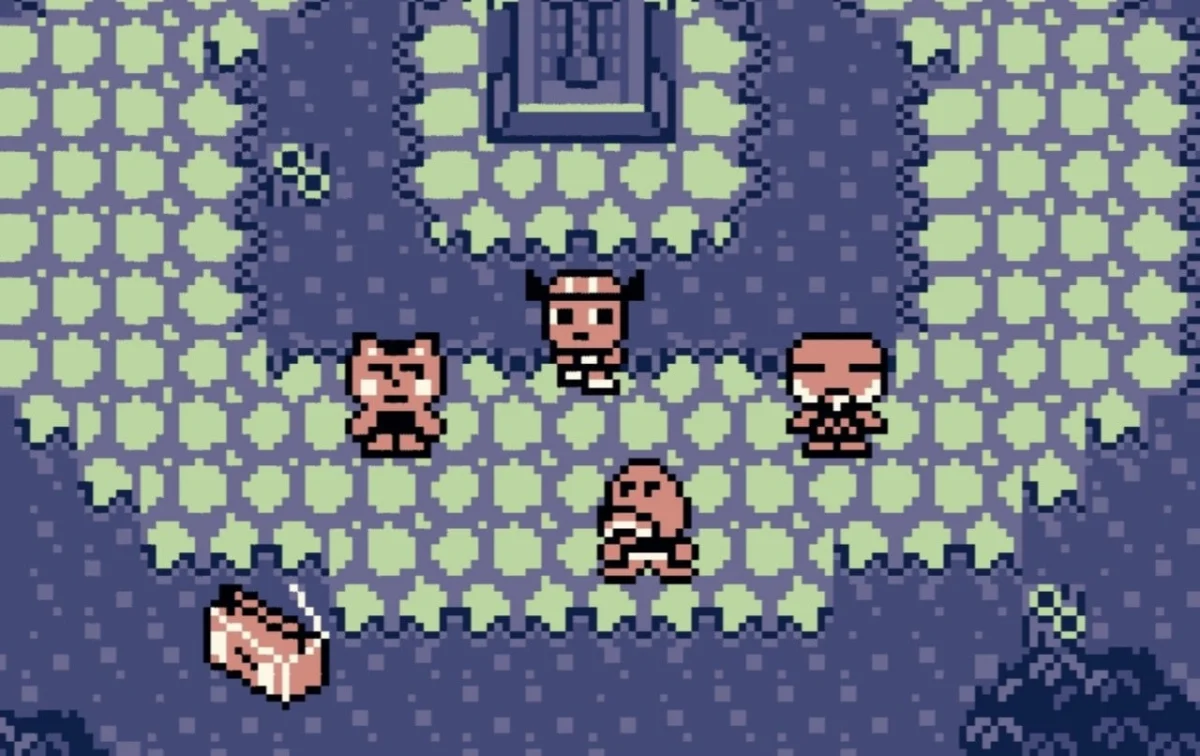
In a significant display of homebrew development prowess, independent coder Richter Wilker has successfully miniaturized two iconic video game franchises, Animal Crossing and Castlevania: Symphony of the Night, transforming them into fully playable demakes optimized for the retro Game Boy Color platform. This ambitious undertaking, which has garnered considerable attention within the retro gaming community, showcases the enduring creativity of fan developers and the surprising capabilities of vintage hardware.
The Emergence of the Demake Phenomenon
The concept of "demaking" involves taking a modern or technically advanced video game and recreating it to appear and function as if it were released on older, less powerful hardware. This trend, distinct from remakes or remasters, celebrates the aesthetic and technical limitations of classic gaming systems, often evoking a sense of nostalgia while demonstrating profound technical skill. Demakes frequently require developers to make creative compromises and ingenious optimizations to translate complex gameplay mechanics and graphical styles to a significantly constrained environment. The phenomenon has steadily grown over the past decade, fueled by the accessibility of development tools, a passionate retro gaming community, and a collective appreciation for the origins of digital entertainment. It serves not only as a creative outlet for coders but also as a form of digital art and a testament to the ingenuity required to push boundaries within historical technical parameters.
Animal Forest GB Folk: A Pastoral Life on a Pocket Screen
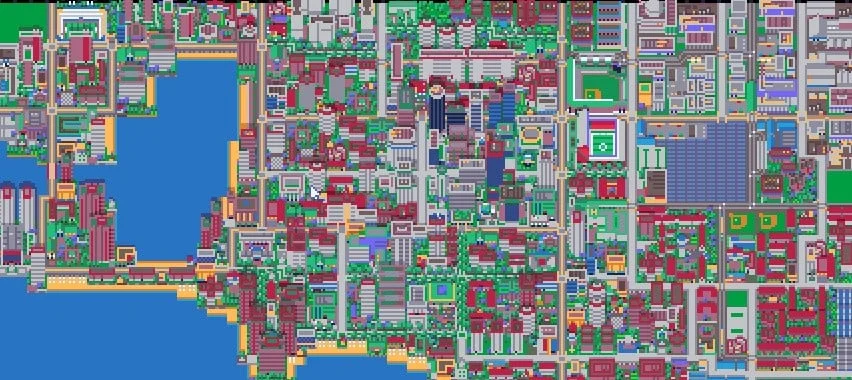
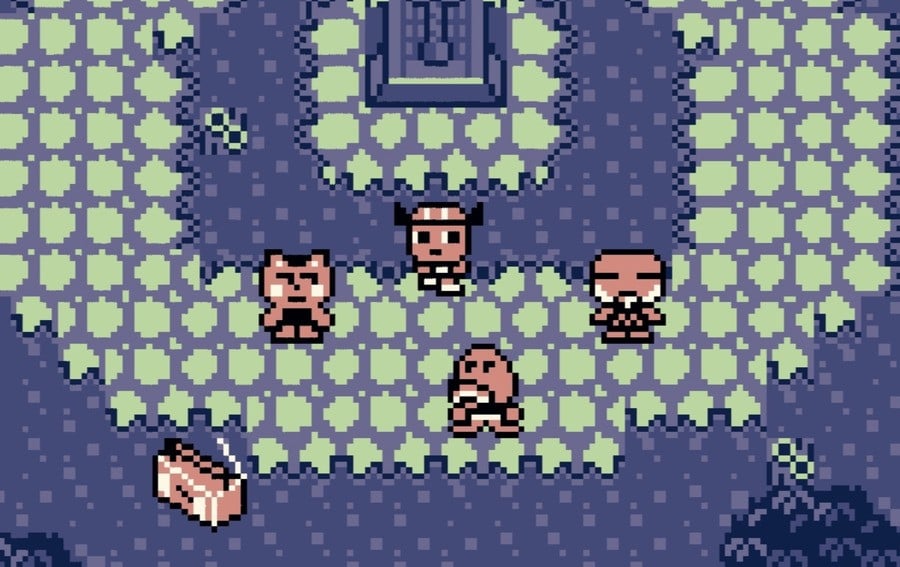
Wilker’s demake of Animal Crossing, titled Animal Forest GB Folk, meticulously captures the essence of Nintendo’s beloved life simulation series within the confines of the Game Boy Color. The original Animal Crossing (known as Dōbutsu no Mori in Japan), first released for the Nintendo 64 in April 2001 before its enhanced GameCube port in 2002, revolutionized the genre with its real-time clock, persistent world, and open-ended, non-linear gameplay. Players could engage in activities such as fishing, bug catching, fossil digging, decorating their homes, and interacting with anthropomorphic animal villagers. Its success led to a highly popular franchise, including the globally acclaimed Animal Crossing: New Horizons on the Nintendo Switch, which sold over 42.79 million units as of March 2023, making it one of the best-selling games of all time.
Animal Forest GB Folk mirrors many of these core gameplay loops, featuring dynamic villages populated by characters with whom players can build relationships. The demake incorporates time-based events and festivals, crucial elements that define the Animal Crossing experience and tie player activities to real-world time progression. Players can also engage in familiar activities such as collecting fruit, digging for buried treasures, and fishing in various water bodies. The technical challenge of implementing a persistent world with real-time elements on the Game Boy Color, which typically relies on simpler save structures and a more limited internal clock mechanism, is substantial. Wilker’s ability to compress these features into a viable form factor underscores a deep understanding of both the original game’s design principles and the Game Boy Color’s architecture. The demake successfully conveys the charm and relaxing pace of the series, demonstrating that even with a limited color palette of 32,768 possible colors (only 56 on screen at once) and a screen resolution of 160×144 pixels, the spirit of Animal Crossing can thrive.
Gospel of Belmont: A Metroidvania Epic for Handheld
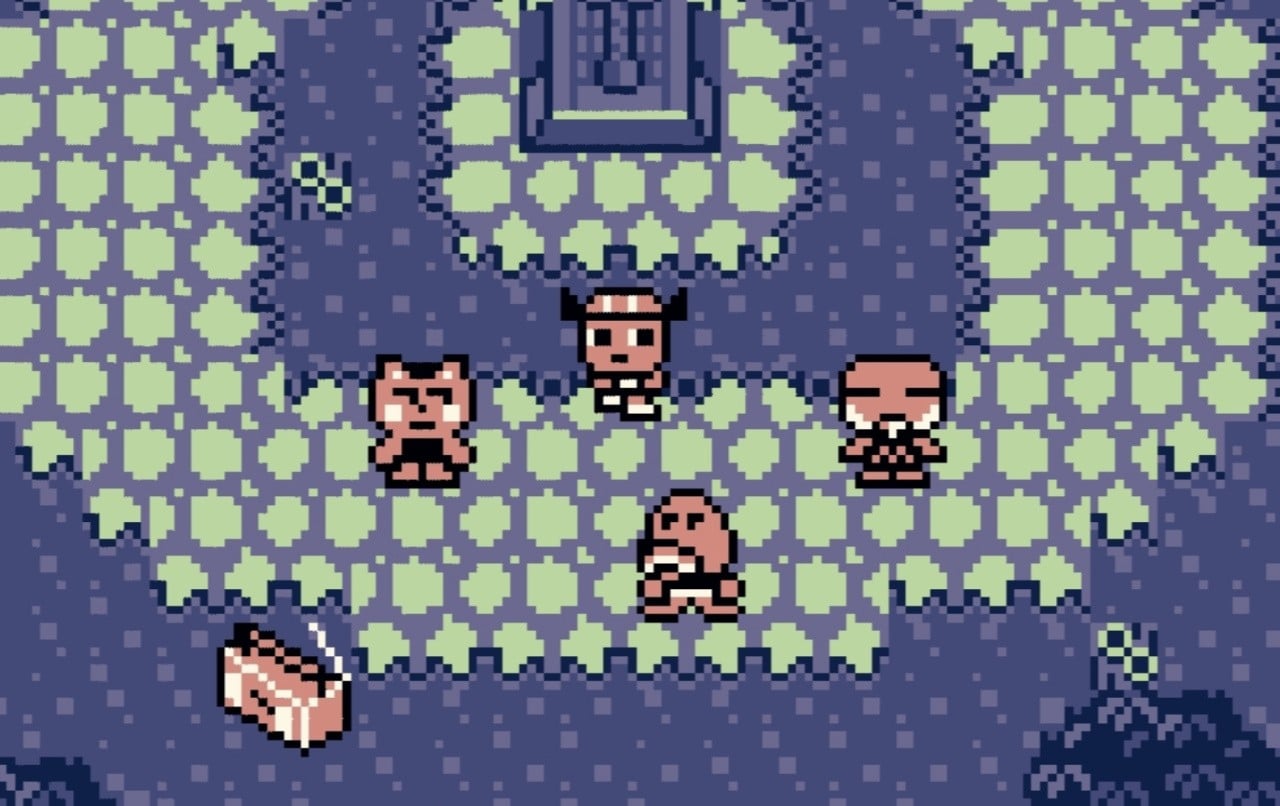
Parallel to Animal Forest GB Folk, Wilker also delivered Gospel of Belmont, a demake inspired by the Castlevania series, specifically drawing elements from Castlevania: Rondo of Blood and the seminal Castlevania: Symphony of the Night. Castlevania: Symphony of the Night, released for the PlayStation in 1997, is widely regarded as a masterpiece and a pivotal title that defined the "Metroidvania" subgenre. It broke away from the linear stage-based design of previous Castlevania titles, introducing an expansive, interconnected castle map, RPG elements such as experience points and equipment, and a non-linear progression that encouraged exploration and backtracking. Its critical acclaim led to numerous spiritual successors and directly influenced countless action-adventure games. Castlevania: Rondo of Blood, released in 1993 for the PC Engine Super CD-ROM², was a more traditional, yet highly polished, action-platformer that preceded Symphony of the Night and featured Richter Belmont, a central figure whose narrative is intertwined with Symphony of the Night.
Gospel of Belmont aims to retell parts of these narratives, adapting their complex mechanics and sprawling environments to the Game Boy Color’s constraints. The original Symphony of the Night featured hundreds of rooms, intricate enemy AI, and a diverse array of weapons and spells, all rendered with a rich 2D art style on a console with significantly more processing power and memory than the Game Boy Color. The GBC, with its 8-bit Z80-derivative processor running at 4.19 MHz and only 32 KB of work RAM and 16 KB of VRAM, presents an enormous challenge for recreating such a detailed world.
Wilker’s description of Gospel of Belmont highlights a particularly innovative approach to map design: "The castle is persistent in its layout, but rooms change in shape as you go back and forth, meaning that it is a true creature of chaos. No run may be the same." This dynamic room generation within a static overall layout is a clever solution to simulate the vastness and unpredictable nature of Dracula’s castle without exceeding the Game Boy Color’s memory limitations. It introduces an element of procedural generation, enhancing replayability and offering a fresh experience with each playthrough, a feature rarely seen in official Game Boy Color titles of its era. This design choice not only pays homage to the exploratory spirit of Symphony of the Night but also ingeniously leverages the hardware’s limitations to create a unique gameplay experience.
The Architect Behind the Pixels: Richter Wilker
Richter Wilker, the homebrew coder responsible for these demakes, operates within a vibrant community of independent developers who dedicate their time and expertise to creating new content for classic gaming systems. While specific biographical details about Wilker are not extensively publicized, their work on these two high-profile demakes positions them as a highly skilled and creative force in the homebrew scene. The choice of Animal Crossing and Castlevania: Symphony of the Night demonstrates a keen eye for games with enduring appeal and complex mechanics, which are particularly challenging to "demake" effectively. The quality and depth of both Animal Forest GB Folk and Gospel of Belmont suggest a deep understanding of game design, programming, and the specific quirks of retro hardware. Wilker’s projects are typically hosted on platforms like itch.io, a popular hub for independent game developers, allowing direct access to their creations by a global audience of retro enthusiasts and curious players.
Technical Marvels: The Game Boy Color’s Enduring Legacy
The Game Boy Color, launched by Nintendo in October 1998, served as an incremental upgrade to the original Game Boy, introducing a color screen and slightly enhanced processing power. Despite being superseded by more powerful handhelds like the Game Boy Advance, the GBC maintained a substantial install base, selling approximately 44.06 million units worldwide. Its technical specifications, while modest by today’s standards, offered enough flexibility for developers to create a vast library of beloved games. The development tools and community surrounding the GBC have remained active, fostering a robust homebrew scene that continues to push the console’s boundaries decades after its commercial peak. The ability to simulate complex modern game mechanics, like those found in Animal Crossing‘s persistent world or Castlevania‘s sprawling map and RPG systems, on such hardware is a testament to both the developers’ skill and the underlying robustness of the GBC’s design. These demakes serve as powerful examples of how creative coding can transcend hardware limitations, showcasing the platform’s enduring appeal and versatility.
The Broader Landscape of Fan Games and Intellectual Property
The creation of fan games and demakes like those by Richter Wilker exists in a fascinating, often ambiguous, legal space regarding intellectual property (IP) rights. While these projects are typically non-commercial and developed out of passion rather than profit, they utilize copyrighted characters, settings, and gameplay mechanics owned by major corporations like Nintendo and Konami. Historically, many IP holders have adopted a ‘don’t ask, don’t tell’ policy, tolerating fan creations as long as they do not directly compete with official products, generate significant revenue, or misrepresent the brand. Some companies even view them as valuable community engagement and a way to keep older franchises relevant.
However, the legal landscape is not static, and major publishers retain the right to issue cease-and-desist orders at any time, as seen with several high-profile fan projects over the years. This delicate balance highlights the need for fan developers to operate with caution and transparency, often making their creations freely available to avoid legal entanglements. Wilker’s projects, being free to download and play, align with this common practice within the homebrew community, allowing enthusiasts to enjoy these imaginative reimaginings without direct commercial conflict. These projects contribute significantly to the cultural fabric of gaming, demonstrating the power of community-driven content creation and the deep affection players hold for their favorite franchises.
Preserving Gaming History Through Homebrew
Beyond their entertainment value, demakes and fan projects play a crucial role in the preservation of video game history. As older hardware becomes obsolete and physical media deteriorates, the ability to reinterpret and adapt classic games, or even modern games in a retro style, helps to keep the spirit and mechanics of gaming alive across generations of technology. These projects often involve reverse engineering or deep dives into the technical specifications of vintage consoles, contributing to a collective knowledge base that might otherwise be lost.

By translating complex modern experiences like Animal Crossing and Symphony of the Night into the language of the Game Boy Color, Richter Wilker’s work not only celebrates these titles but also ensures their concepts can be appreciated through a different lens, making them accessible to those who might prefer or only have access to retro platforms. This continuous cycle of creation, adaptation, and appreciation underscores the dynamic nature of video game culture and its capacity for self-renewal through the dedication of its most passionate adherents.
The Future of Retro Reimagination
Richter Wilker’s demakes of Animal Crossing and Castlevania: Symphony of the Night stand as compelling examples of the vibrancy and technical artistry present in the homebrew gaming community. They are more than mere curiosities; they are fully realized tributes that demonstrate an intricate understanding of both the source material and the target hardware. As technology continues to advance, the appeal of retro gaming and the practice of demaking are likely to persist, offering a nostalgic bridge between gaming’s past and present. These projects not only entertain but also push the boundaries of what is thought possible on antiquated systems, inspiring a new generation of developers and ensuring that the legacy of iconic games continues to evolve in unexpected and delightful ways. Interested players can explore both Animal Forest GB Folk and Gospel of Belmont directly from Richter Wilker’s profile on itch.io, offering a unique opportunity to experience these beloved franchises through a distinctly retro lens.