
 Hartono Sudibyo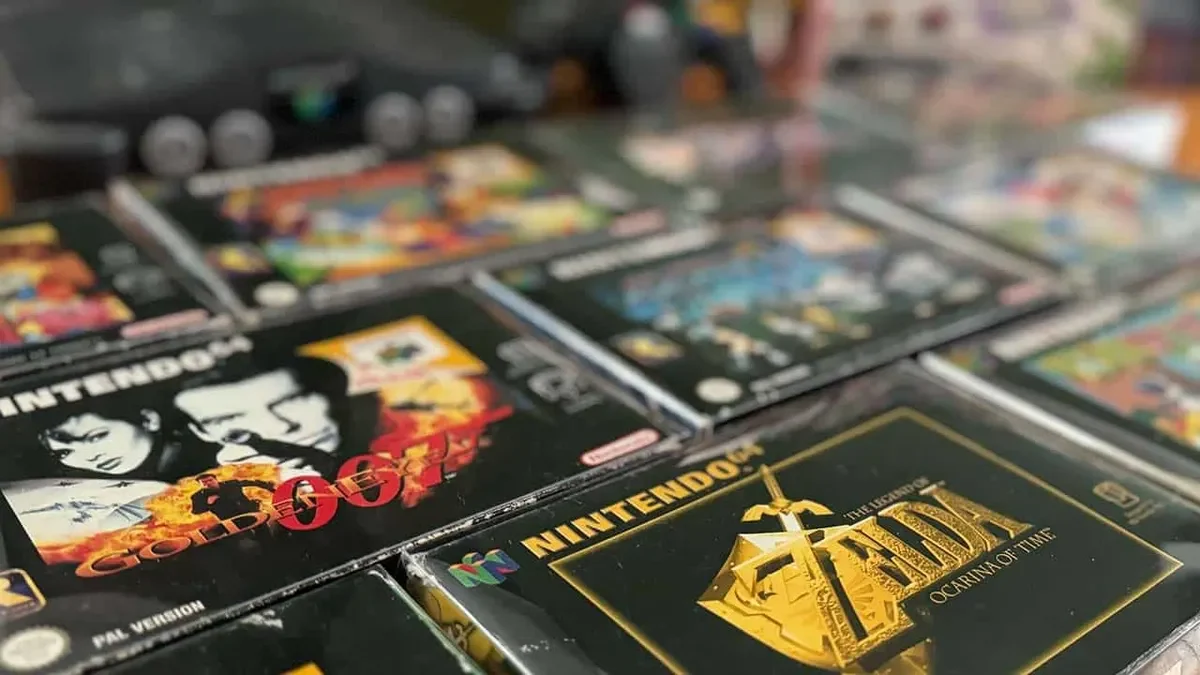
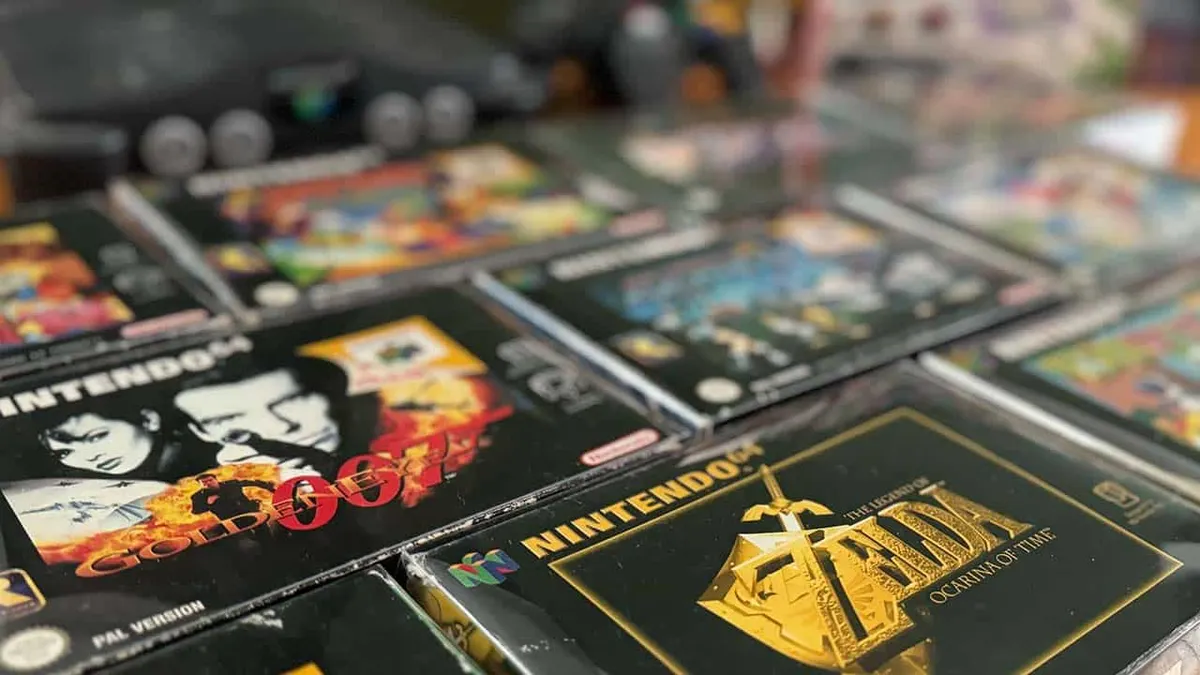
The Nintendo 64 era, a period often steeped in nostalgia for many gamers, was a transformative time for interactive entertainment. While the console boasted a library filled with groundbreaking titles, certain games stand out not only for their gameplay but for the tangible experiences they offered. Among these, Lylat Wars (known as Star Fox 64 in North America) holds a particularly significant place in the annals of gaming history, representing a pivotal moment in both technological advancement and immersive storytelling. The act of unboxing these games was itself a ritual, a tangible prelude to the digital worlds that awaited. The crisp cardboard, the sealed plastic wrap, and the anticipation of discovery transformed a simple purchase into a cherished memory. Titles like Mario Tennis and Yoshi’s Story evoked a sense of wonder, but it was the arrival of Star Fox 64 that truly redefined the gaming landscape for many.
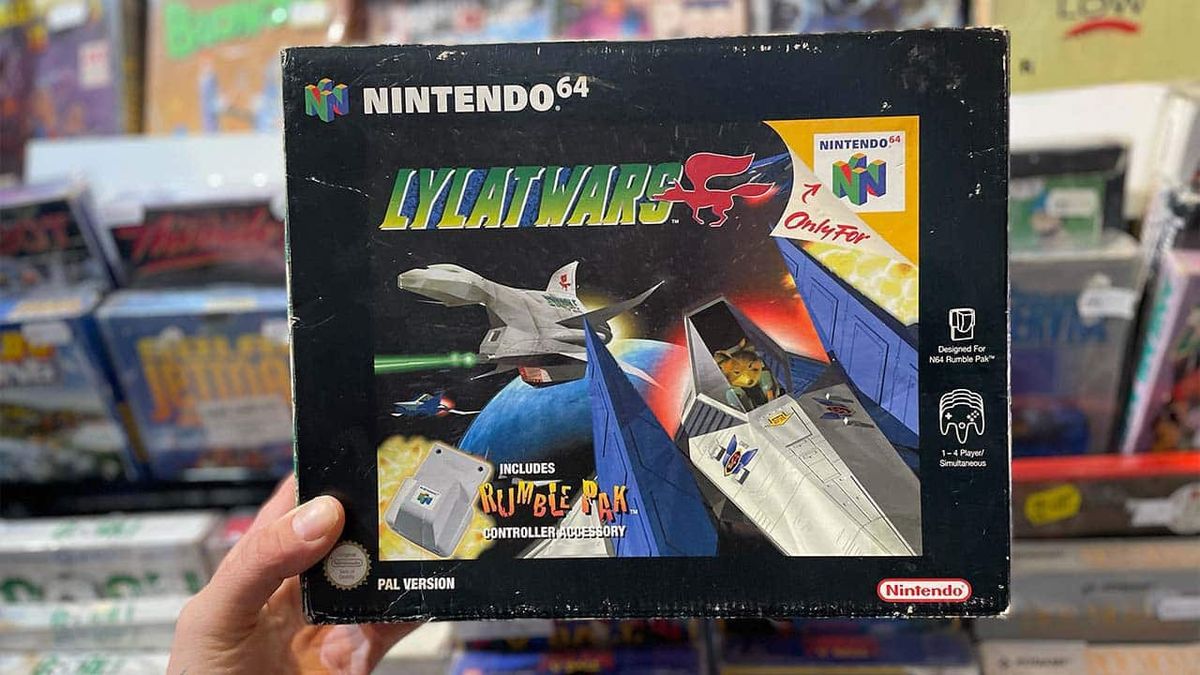
The journey into the Lylat system began with a palpable sense of excitement. For many, the acquisition of a new N64 game was an event, a trip to the local electronics store, the careful selection from the shelves, and the comforting weight of the game box. This tactile experience, the physical act of bringing a new adventure home, is a stark contrast to the instant gratification of digital downloads today. The scent of new plastic and paper, the satisfying rip of the seal, and the careful examination of the instruction manual—often a treasure trove of lore and gameplay tips—were integral parts of the gaming ritual. Games like Space Station Silicon Valley, Jet Force Gemini, and the seminal The Legend of Zelda: Ocarina of Time all contributed to the N64’s rich legacy, but Star Fox 64 offered a unique sensory dimension that elevated its impact.
A significant technological leap came with Donkey Kong 64, which necessitated the use of the N64’s Expansion Pak. This small, yellow adapter, inserted into the console, unlocked enhanced graphics, greater complexity, and more characters on screen, signaling a new era of graphical fidelity and gameplay depth for the platform. However, two years prior, a different accessory would revolutionize how players interacted with their games: the Rumble Pak.
The Dawn of Haptic Feedback: The Rumble Pak Revolution
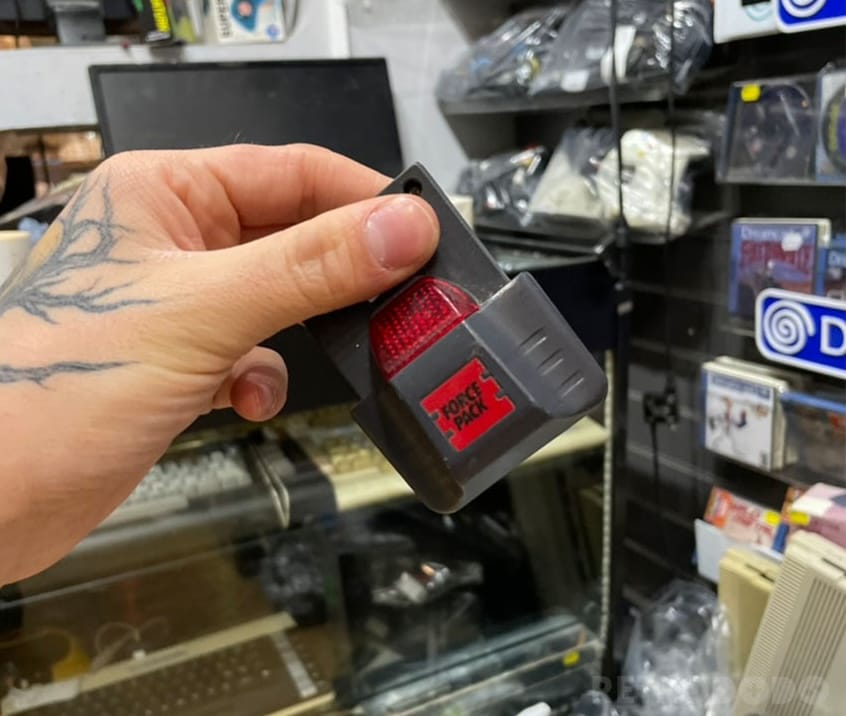
The introduction of the Rumble Pak alongside Lylat Wars was a watershed moment. For the first time, players could feel the action on screen. Explosions, collisions, and enemy fire were no longer just visual cues; they translated into physical sensations that heightened immersion. This was a profound shift from the era of "silent" gaming, where players relied solely on visual and auditory feedback to interpret in-game events. The Rumble Pak, a somewhat bulky adapter that slotted into the N64 controller, was a testament to Nintendo’s commitment to innovative gameplay experiences.
The decision to bundle the Rumble Pak with Lylat Wars was a strategic masterstroke. It ensured that a significant portion of the N64 user base would experience this new form of feedback, effectively setting a new standard for console gaming. This accessory presented a unique challenge for multi-game cartridges that also required the N64’s Memory Pak for saving progress. Players faced a difficult choice: feel the impact of every laser blast or have the ability to save their game. This "struggle" was a defining characteristic of 90s gaming, a testament to the limitations and innovations of the era. Powered by two batteries that seemed to possess an almost eternal lifespan, the Rumble Pak added a tangible weight to the controller, imbuing it with a futuristic feel, akin to something from a science fiction epic. The demand for this immersive experience quickly led to the purchase of additional Rumble Paks for multiplayer sessions, fostering a shared sense of tactile engagement among friends.
Saving the Lylat System: A Space Opera for the Ages
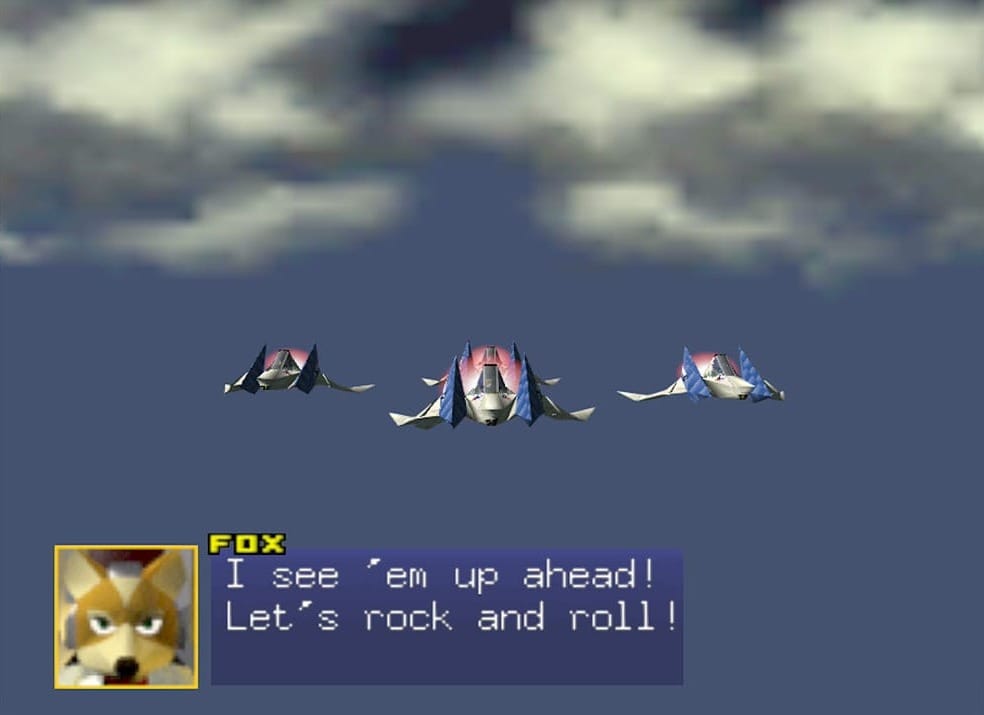
Lylat Wars, released in 1997, tapped into a deep-seated fascination with space combat, a genre that had captivated audiences for decades, particularly with the enduring popularity of franchises like Star Wars. The game allowed players to embody Fox McCloud, a courageous pilot leading the Star Fox team against the tyrannical forces of Andross. The visual parallels to iconic space dogfights, with Arwings performing daring maneuvers against enemy formations, resonated with a generation of gamers who dreamed of piloting their own starfighters. While Star Wars: Rogue Squadron would later offer a more simulation-focused space combat experience, Lylat Wars provided an arcade-style, cinematic adventure that captured the imagination.
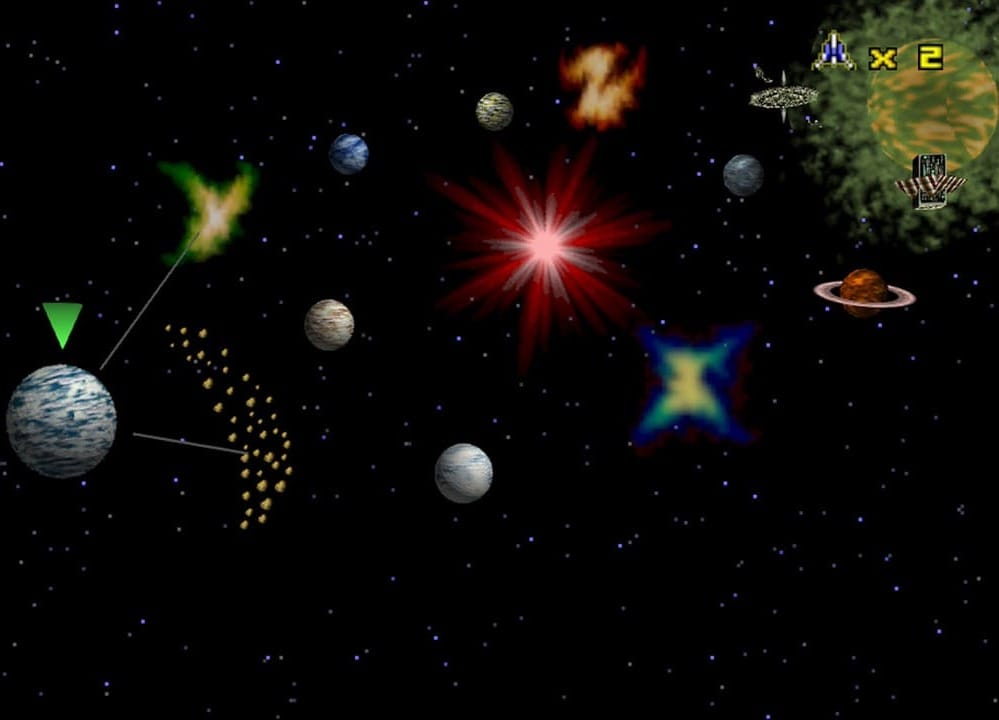
The game’s structure was particularly innovative for its time. The branching paths within the campaign, where specific actions or mission completions could alter the trajectory of the narrative and unlock new sectors of the Lylat System, encouraged replayability and fostered a sense of player agency. Discovering these hidden routes and missions on the fly was a source of immense satisfaction. The introduction of the Landmaster tank, a powerful new vehicle, offered a dramatic shift in gameplay dynamics, and the game’s memorable character quotes and voice acting further cemented its place in gaming history.
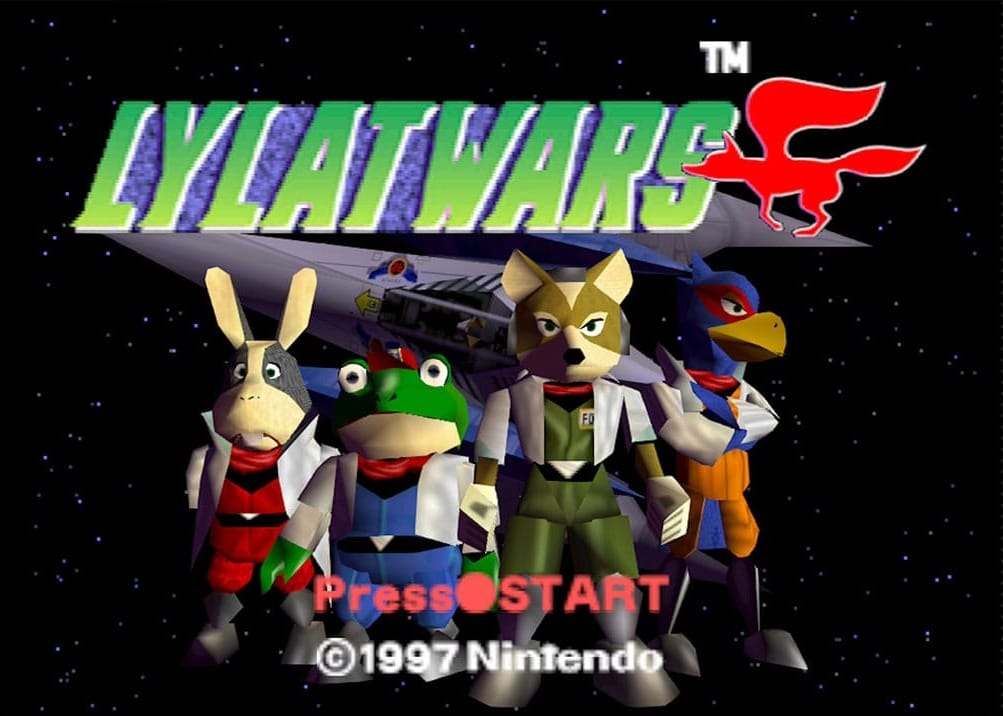
Beyond its core gameplay mechanics, Lylat Wars was lauded for its multifaceted appeal:
- Multiplayer Mayhem: The competitive multiplayer mode offered intense dogfights, allowing friends to test their piloting skills against each other.
- Power-Ups and Arsenal: The array of weapon upgrades and special abilities kept combat dynamic and engaging.
- Memorable Companions: The camaraderie and distinct personalities of characters like the gruff Falco Lombardi and the somewhat bumbling Slippy Toad added depth and humor to the narrative.
- Precision Targeting: The lock-on targeting system provided a satisfying sense of accuracy, reminiscent of piloting a T-16 skyhopper and blasting womp rats.
- The Barrel Roll: Perhaps the most iconic element of Lylat Wars is the "barrel roll" maneuver. This seemingly simple evasive action, executed with a flick of the analog stick, became a cultural phenomenon. It not only provided a tactical advantage in combat but also contributed to the game’s stylish presentation, evoking the heroic feats of cinematic space heroes like Han Solo. The phrase "Do a barrel roll!" has transcended the game itself, becoming a widely recognized pop culture meme.
The Evolution from SNES to N64: A Strategic Synthesis
The development of Star Fox 64 was a fascinating exercise in leveraging existing concepts and pushing technological boundaries. Shigeru Miyamoto, a key figure in Nintendo’s creative leadership, described the game as a synthesis of ideas from the original Super Nintendo title, Starwing (known as Star Fox in North America), and the unreleased Star Fox 2. Approximately 60% of Lylat Wars drew inspiration from the original game, 30% from the cancelled sequel, and only 10% represented entirely new concepts. This approach allowed Nintendo to build upon a proven foundation while capitalizing on the N64’s enhanced capabilities.
The transition from the Super FX chip-powered SNES to the N64’s 3D processing power was significant. Early development for Star Fox 64 began around the time Star Fox 2 was being conceptualized. Programmers like Kazuaki Morita and artist Takaya Imamura initially worked with development kits that adapted SNES controllers for the new hardware, recreating the 2D gameplay of the original Star Fox as a foundational exercise. The reveal of early footage at Space World ’95 generated immense excitement, showcasing a vision that was faster, more fluid, and more accessible than its predecessor. The inclusion of multiple progression paths was a deliberate design choice to ensure that players of varying skill levels could enjoy the game at their own pace.
Key innovations that distinguished the N64 version from its predecessors included:
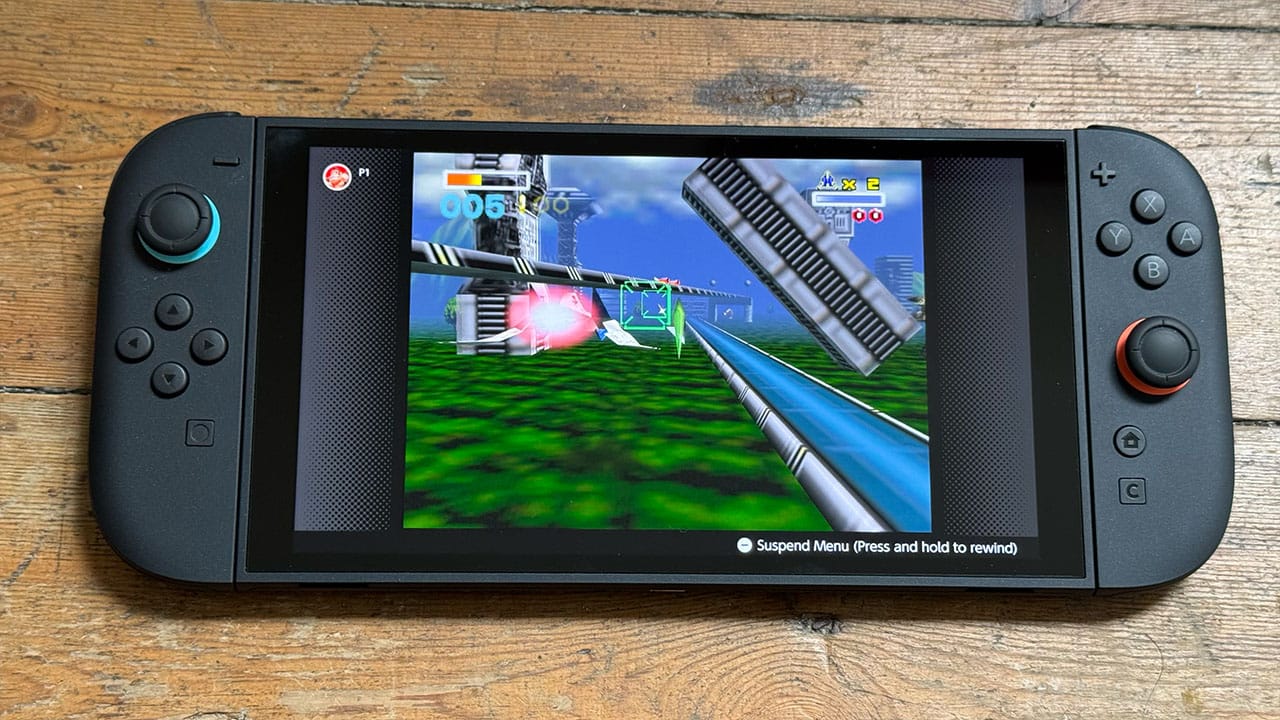
- All-Range Mode: This gameplay mode allowed players to freely navigate expansive 3D environments, a significant departure from the more linear on-rails segments of the SNES titles.
- Star Wolf Team: The inclusion of this rival squadron, a feature originally planned for Star Fox 2, added a compelling antagonistic element and provided challenging boss encounters.
- Full Voice Acting: The introduction of a complete voice cast for the characters significantly enhanced the narrative immersion, bringing the story of Fox’s quest for revenge and the team’s camaraderie to life. This narrative depth, even within a primarily action-oriented game, was crucial to its enduring appeal.
The Remake Phenomenon: A Glimpse into the Future
Decades after its initial release, Star Fox 64 continues to be celebrated, with numerous re-releases and remakes underscoring its lasting impact. The recent advent of enhanced graphics and gameplay capabilities in modern consoles has led to impressive reinterpretations of classic titles. While the original N64 graphics were groundbreaking for their time, modern remakes, such as the Star Fox 64 3D for the Nintendo 3DS and potential future iterations, offer a visual fidelity that can only be described as breathtaking.
The comparison between the original N64 visuals and those of contemporary remakes is striking. The level design, once vast and impressive, now appears sparser when contrasted with the intricate details and environmental richness of modern graphics. The textures, character models, and lighting effects in recent iterations bring the world of Corneria and the wider Lylat System to life in unprecedented ways. The fur on Fox’s coat, the feathers on Falco’s wings, and the intricate designs of the Arwings and enemy craft are rendered with a level of detail that often exceeds the wildest expectations of players from the N64 era. This evolution in visual fidelity not only enhances the aesthetic appeal but also deepens the player’s connection to the game’s universe, making the characters feel more alive and the environments more immersive.
Nintendo’s ongoing commitment to revitalizing its classic franchises, as seen with titles like The Legend of Zelda: Link’s Awakening and Super Mario All-Stars, suggests a strategic focus on leveraging nostalgia while delivering modern gaming experiences. The potential for a full-scale remake of Star Fox 64 on platforms like the Nintendo Switch 2, building upon the successes of previous remakes, is a tantalizing prospect for fans. Such a project would not only showcase the evolution of gaming technology but also introduce the beloved characters and gameplay of Star Fox 64 to a new generation of players.
The legacy of Star Fox 64 is multifaceted. It is a testament to the power of innovative hardware accessories like the Rumble Pak, a benchmark in cinematic storytelling within the shooter genre, and a foundational pillar in the evolution of 3D gaming. From the tactile sensation of its iconic accessory to the thrill of executing a perfect barrel roll, Star Fox 64 remains a touchstone for a generation of gamers, and its continued relevance in modern gaming discussions is a testament to its enduring brilliance. The journey from unboxing that substantial N64 cartridge to experiencing hyper-realistic graphics on current-generation consoles highlights the remarkable progress in the medium, yet the core magic of Lylat Wars—its engaging narrative, thrilling combat, and unforgettable characters—continues to resonate.








