Cecilia Chamidah Nur
Revitalizing a Classic: The MegaWiFi Addon Emerges
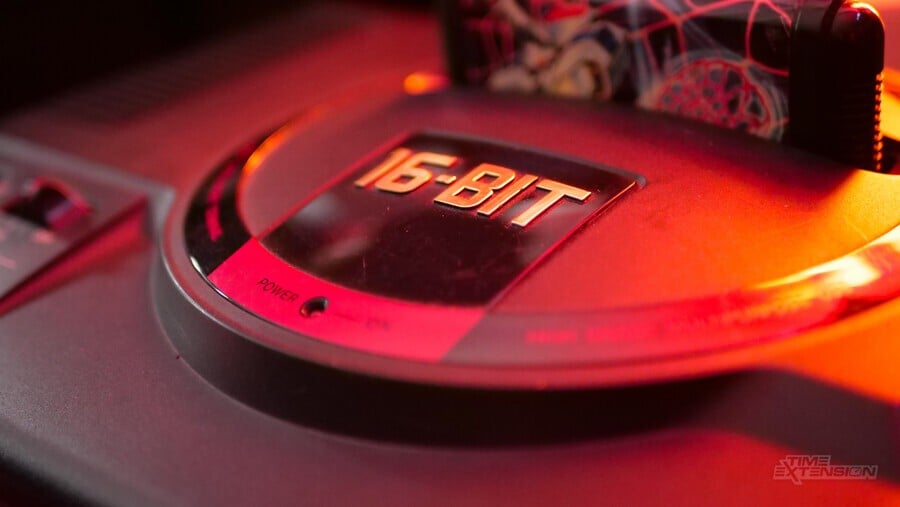
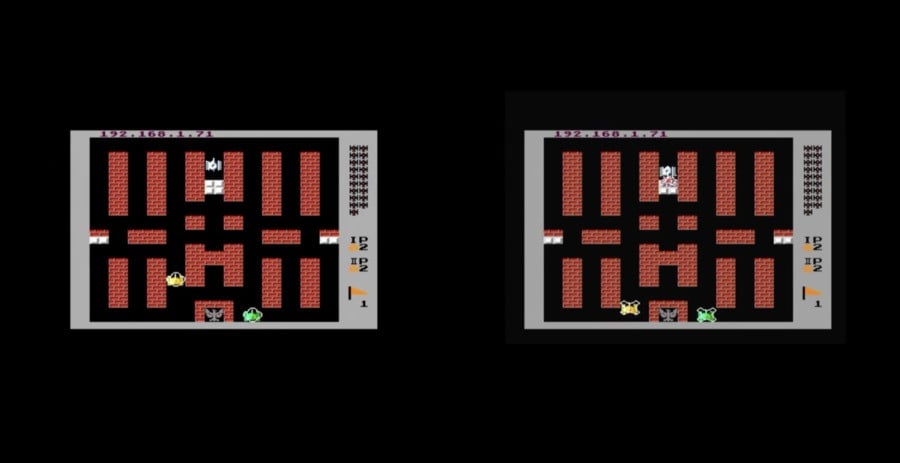
The MegaWiFi Addon represents an ambitious leap for retro gaming enthusiasts, proposing to integrate Wi-Fi capabilities into Sega’s iconic 16-bit system. The device, showcased in its Kickstarter video, demonstrates its functionality through a custom port of Namco’s classic tank combat game, Battle City, enabling competitive online play. This specific game choice is strategic, as its relatively simple graphics and gameplay mechanics are well-suited to the limited bandwidth and processing power of a 16-bit console, minimizing latency issues and ensuring a smoother online experience. The campaign’s emergence highlights a growing trend within the retro gaming community: a desire not merely to preserve classic hardware and software, but to enhance and extend their capabilities with modern technology.
A Look Back: The Genesis’s Prior Forays into Online Connectivity
The concept of connecting the Sega Genesis to a network is not entirely new; the console had nascent forms of online connectivity during its commercial lifespan in the 1990s. In Japan, Sega offered the "Mega Modem," launched in 1990, which allowed users to access online services, download small games, and even participate in early forms of online banking and stock trading. Similarly, in North America, Sega introduced the "Sega Channel" in 1994, a groundbreaking cable modem service that allowed subscribers to download and play a rotating library of Genesis games, demos, and cheat codes directly to their console.
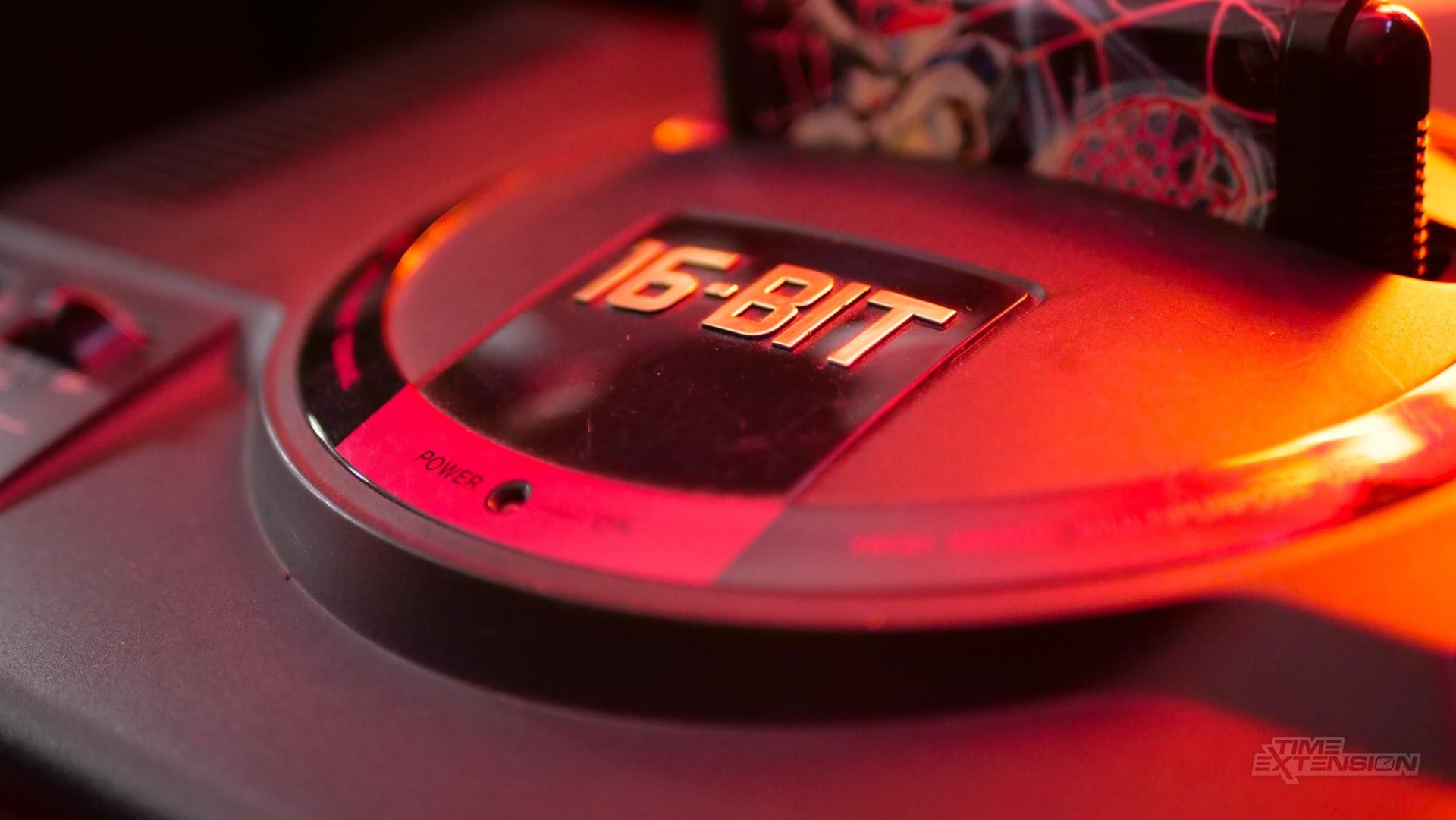
However, neither the Mega Modem nor the Sega Channel provided real-time multiplayer capabilities. These services were primarily designed for content delivery and asynchronous interactions. The true precursor to real-time online competitive play on the Genesis arrived with the "XBAND" service. Launched in 1994 by Catapult Entertainment, XBAND utilized a proprietary modem that connected to the Genesis’s cartridge slot and then to a standard telephone line. This innovative service allowed players in North America and Japan to compete against each other in popular titles like Mortal Kombat II, Street Fighter II’: Special Champion Edition, and NBA Jam Tournament Edition. XBAND operated on a subscription model and maintained a dedicated server infrastructure, providing a genuine online multiplayer experience for console gamers years before the widespread adoption of the internet for gaming. Despite its technological prowess and cult following, XBAND faced challenges with high subscription fees, limited game compatibility, and the eventual shift towards newer console generations, leading to its discontinuation in 1997.
The MegaWiFi Addon, therefore, aims to resurrect and modernize the spirit of XBAND, but with the advantages of contemporary Wi-Fi technology, eliminating the need for phone lines and offering potentially more stable and accessible connections.
The Vision Behind MegaWiFi Addon: Liberating a Legend
The Kickstarter campaign’s description, penned with a philosophical flair, articulates the core vision behind the MegaWiFi Addon. It opens with the evocative question: "MegaWifiAddon was born from a simple yet ambitious idea: what if the Mega Drive had never stopped evolving?" This statement resonates deeply with retro enthusiasts who often lament the technological stagnation of beloved consoles once their commercial cycles conclude. The developer emphasizes a long-standing commitment to "explor[ing] the limits of classic hardware, learning how to squeeze every last drop of performance from every cycle, every byte, and every signal." This dedication to hardware mastery is crucial for a project that seeks to imbue a 30-year-old console with modern network capabilities.
The description further frames the device not merely as an accessory, but as "a bridge between generations." It appeals to both those who grew up with the Genesis and its accompanying era of "cartridges, CRTs, and FM radio," and a newer generation curious about the untapped potential of retro hardware. The ultimate goal, as stated, is not to "reinvent the Mega Drive" but to "liberate it," suggesting an unlocking of inherent capabilities and a freeing of the console from the constraints of its original design limitations and the passage of time. This narrative is powerful, tapping into the emotional connection many players have with their childhood consoles and offering a tangible pathway to extend their relevance in a connected world.
Intriguingly, the campaign’s AI disclosure notes that artificial intelligence was used for "advice for decision making." In an era where AI tools are increasingly prevalent, this transparency can be interpreted in multiple ways. It could suggest a lean development team leveraging modern resources efficiently to refine their messaging or strategy. Alternatively, it might signal an innovative approach to project management, demonstrating a willingness to adopt new technologies even while working with vintage hardware. This pragmatic use of AI, if handled responsibly, does not detract from the technical ingenuity required to develop the hardware and software for the MegaWiFi Addon itself.
Crowdfunding Status and Market Reception
Despite the compelling vision and technical ambition, the MegaWiFi Addon’s crowdfunding campaign faces an uphill battle. With a modest goal of €1,500, the project aimed for what might appear to be a highly achievable target for a hardware accessory in the retro gaming niche. However, at the time of reporting, only €187 has been pledged, indicating a significant gap between the current contributions and the required funding for successful realization. This slow traction could be attributed to several factors, including the project’s relatively recent launch, limited initial visibility, or potential skepticism from a market that has seen numerous retro hardware projects with varying degrees of success.
The retro gaming market is robust and growing, with millions of enthusiasts worldwide actively seeking ways to enhance their classic gaming experiences. This demand has fueled a cottage industry of third-party developers creating everything from HDMI upscalers and wireless controller adapters to flash cartridges and custom console shells. Projects that offer novel functionalities, particularly those that solve long-standing desires like online multiplayer, often garner significant attention. However, the success of crowdfunding campaigns for hardware projects is highly dependent on effective marketing, clear demonstrations of functionality, and a track record of reliability or trust from the creators. A low initial pledge rate can sometimes be overcome with increased publicity and community engagement, but it also signals a need for the developer to intensify their outreach efforts.
Technical Hurdles and Implementation Insights
Bringing modern Wi-Fi connectivity and real-time online play to a 16-bit console like the Sega Genesis presents a unique set of technical challenges. The Genesis, powered by a Motorola 68000 processor clocked at 7.6 MHz, with 64 KB of RAM and 64 KB of video RAM, was never designed for complex network operations.
Implementing a network stack capable of handling Wi-Fi protocols (like TCP/IP) on such limited hardware requires significant ingenuity. The MegaWiFi Addon likely employs a dedicated microcontroller with its own Wi-Fi module, offloading most of the networking tasks from the Genesis’s main CPU. This external module would then communicate with the Genesis via its cartridge port or expansion bus, translating network data into a format the console can understand and process.
Latency management is another critical aspect. Online multiplayer games, especially competitive ones, demand low latency to ensure a smooth and fair experience. While Battle City is a relatively simple game with minimal data exchange, extending this functionality to more complex titles would necessitate highly optimized network code and potentially custom servers designed to minimize lag. The developers would need to account for varying internet speeds of players, packet loss, and the inherent delays introduced by processing data through the additional hardware layer.
Furthermore, the "custom port of Namco’s Battle City" suggests that standard Genesis ROMs cannot simply be played online out-of-the-box. Each game would likely require specific modifications or a dedicated wrapper to integrate with the MegaWiFi Addon’s online framework. This implies that the project’s long-term success and widespread adoption would depend on the developer’s ability to either port more games or release tools that allow the community to adapt existing titles for online play. This would require an open-source approach or significant ongoing development efforts. The selection of Battle City, a game known for its straightforward state synchronization and minimal sprite animation, makes it an ideal proof-of-concept, but also sets a baseline for the technical complexity that can be handled.
Broader Impact and Implications for Retro Gaming
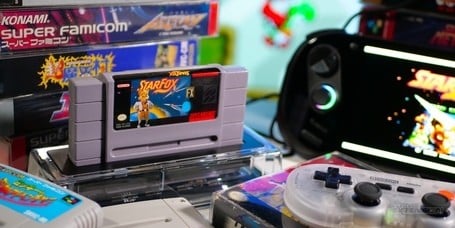
Should the MegaWiFi Addon successfully reach its funding goal and deliver on its promises, its implications for the retro gaming community could be significant. It would not only offer a tangible way to play classic Genesis games online but could also inspire similar projects for other consoles of the era. Imagine NES, SNES, or even TurboGrafx-16 systems gaining modern online capabilities. Such innovations inject new life into classic hardware, encouraging renewed interest in game development for these platforms and fostering vibrant online communities.
The success of such a project also underscores the enduring appeal of retro hardware. In an era dominated by hyper-realistic graphics and complex game engines, the simplicity and nostalgic charm of 16-bit gaming continue to captivate audiences. Devices like the MegaWiFi Addon demonstrate that retro gaming is not just about reliving the past but also about exploring its untapped potential and integrating it into contemporary gaming culture. It transforms passive nostalgia into an active, interactive experience, fostering competition and camaraderie among players who might be separated by vast geographical distances.
Moreover, such projects can serve as educational tools, illustrating the intricacies of hardware development, network programming, and the creative problem-solving required to push the boundaries of vintage technology. They highlight the ingenuity of developers who are passionate about preserving and evolving the legacy of classic gaming systems.
Conclusion
The MegaWiFi Addon represents an exciting proposition in the ever-evolving landscape of retro gaming. By aiming to equip the Sega Genesis with modern Wi-Fi for online play, it taps into a deep well of nostalgia and a persistent desire for enhanced classic gaming experiences. While the project faces the immediate challenge of securing adequate funding on Kickstarter, its vision of "liberating" the Mega Drive and bridging generational gaming experiences is compelling. Drawing parallels with historical attempts at console online connectivity like the XBAND, the MegaWiFi Addon seeks to leverage contemporary technology to fulfill a decades-old dream. Its potential success could not only revitalize the Sega Genesis community but also set a precedent for future innovations in retro hardware modification, demonstrating that the golden age of gaming can indeed continue to evolve. The journey from a modest crowdfunding goal to a fully realized product will be one to watch, as it exemplifies the enduring spirit of innovation within the dedicated world of retro gaming.