Cecilia Chamidah Nur
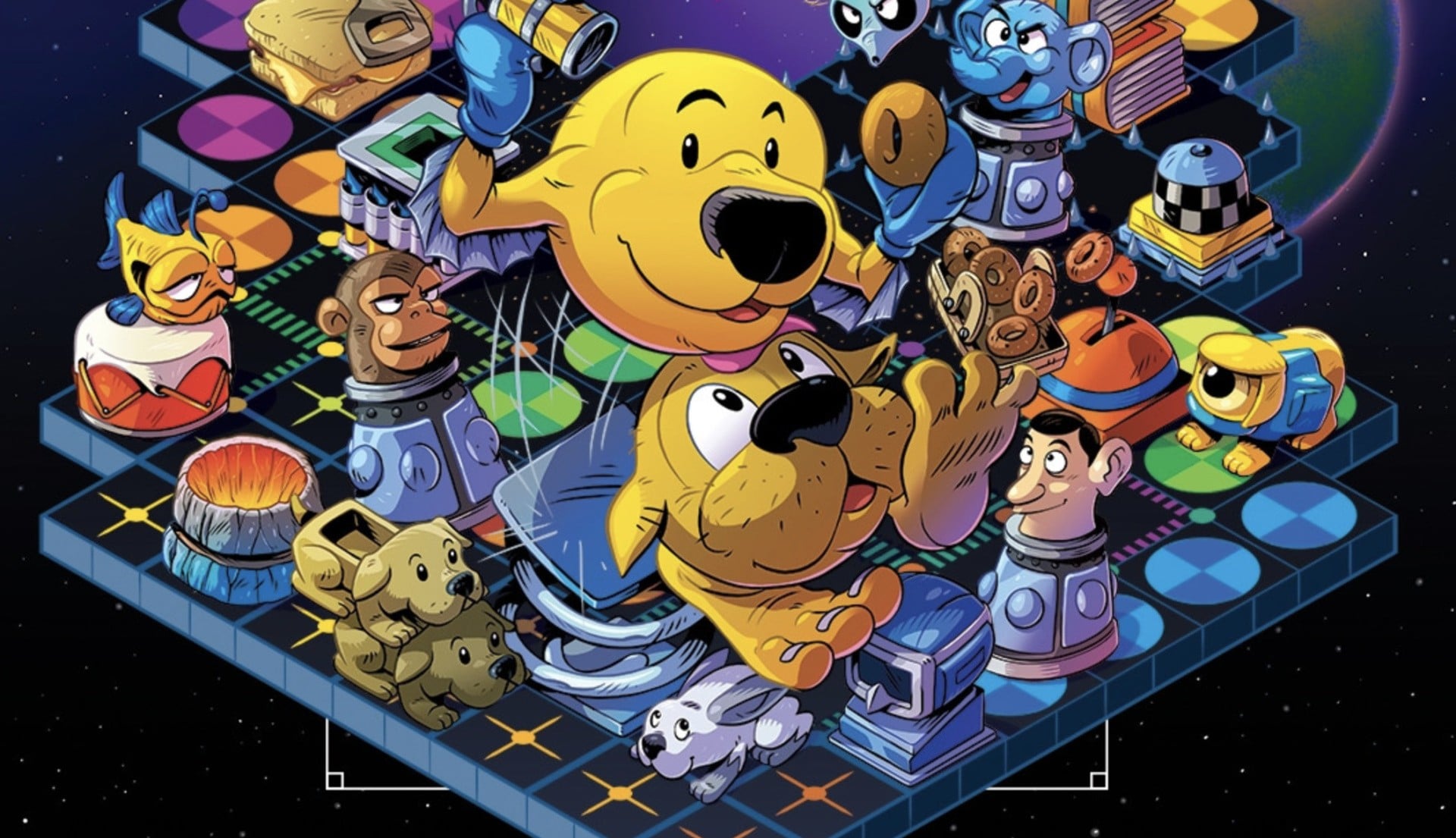
In a significant development for retro gaming enthusiasts, Thalamus Digital, the publisher behind the critically acclaimed title Return To Blacktooth: A Head Over Heels Adventure, has announced that full support for the Amiga CD32 controller will be integrated into the game. This highly anticipated feature will initially arrive as part of a dedicated Amiga CD32 version currently under development, with subsequent plans to patch the functionality into the existing Amiga release. The announcement comes swiftly after a recent review highlighted the absence of CD32 pad support, underscoring the publisher’s responsiveness to community feedback and commitment to delivering an authentic and enhanced player experience.
The Genesis of a Modern Classic: Return To Blacktooth
Return To Blacktooth: A Head Over Heels Adventure is a direct sequel to the iconic 1987 isometric puzzle-platformer Head Over Heels, originally developed by Jon Ritman and Bernie Drummond for various 8-bit home computers, including the ZX Spectrum, Amstrad CPC, and Commodore 64, before making its way to 16-bit platforms like the Amiga and Atari ST. The original Head Over Heels was celebrated for its innovative dual-character control mechanism, intricate level design, and charming pixel-art graphics, establishing itself as a benchmark for the isometric adventure genre. Players controlled two distinct characters, Head and Heels, each possessing unique abilities, requiring strategic use of both to solve puzzles and navigate the sprawling game world. Head could jump higher and fire projectiles, while Heels was faster and could carry items, necessitating seamless switching and cooperation to overcome obstacles. This unique gameplay loop, combined with a quirky sense of humor and memorable character designs, cemented its place in gaming history.
Decades later, Colin Porch undertook the ambitious task of crafting a true sequel, Return To Blacktooth. Published by Thalamus Digital, a company deeply rooted in the history of classic computing and gaming, the game was released to considerable praise for its ability to capture the spirit and essence of the original while introducing fresh challenges and an expanded narrative. Our recent review lauded Porch’s effort, stating that the sequel "builds on everything that made Ritman and Drummond’s classic so good and delivers one last drop of magic from a bygone era of gaming." This sentiment resonated widely within the retro gaming community, eager for new experiences that honor the legacy of their beloved platforms. The game meticulously recreates the isometric perspective and puzzle-solving methodology, inviting both veterans and newcomers to delve into a world rich with nostalgic charm and contemporary polish. It features new environments, characters, and puzzles that extend the lore of the Blacktooth world, while retaining the core mechanics that made the original so engaging. The decision to develop for the Amiga and Atari ST platforms from the outset underscored a dedication to the machines that fostered the original’s success, appealing directly to a dedicated and discerning audience.
The Amiga CD32: Commodore’s Final Roll of the Dice
The announcement of CD32 controller support necessitates a look back at the hardware itself. The Amiga CD32, launched in September 1993 in Europe and Australia (with a planned but ultimately aborted North American release), represented Commodore International’s ambitious attempt to carve out a share of the burgeoning 32-bit console market. At its core, the CD32 was essentially a stripped-down Amiga 1200 personal computer, re-engineered for the living room. It featured a Motorola 68EC020 CPU running at 14.32 MHz, the advanced AGA (Advanced Graphics Architecture) chipset for superior graphics capabilities, and the crucial Akiko chip, designed to accelerate CD-ROM operations and handle various system tasks, including color-depth conversion and planar-to-chunky pixel conversion for faster display of CD-based graphics.
Unlike its computer counterparts, the CD32 eschewed a keyboard, floppy disk drive, and most standard I/O ports in favor of a more console-like form factor and user experience. Its primary input device was a purpose-built joypad, which featured a D-pad, six action buttons (three main, three shoulder), and two additional "play" buttons, offering a more sophisticated control scheme than the single-button joysticks common with earlier Amiga games. This controller, designed for ergonomic comfort and versatility, became a hallmark of the console.
Commodore positioned the CD32 as a multimedia entertainment system, leveraging the CD-ROM format for larger game capacities, full-motion video playback, and CD-quality audio – features that were cutting-edge for the time. It entered a competitive landscape already populated by the Sega CD, Philips CD-i, and soon to be joined by the 3DO Interactive Multiplayer, and later, the Sony PlayStation and Sega Saturn. While it initially achieved decent sales in Europe, particularly in the UK and Germany, selling around 100,000 units in its first year, its success was hampered by several critical factors. A limited software library at launch, a high price point compared to established competitors, and Commodore’s increasingly precarious financial situation severely restricted its potential. The ultimate blow came with Commodore International’s bankruptcy in April 1994, which led to the immediate cessation of CD32 production and its withdrawal from sale. It remains a poignant footnote in gaming history: Commodore’s final piece of hardware and an intriguing "what if" story for the Amiga platform. Despite its commercial failure, the CD32 garnered a cult following, and its unique controller became an emblem of a distinct era in console design.
Enhancing the Player Experience: The Rationale for CD32 Pad Support
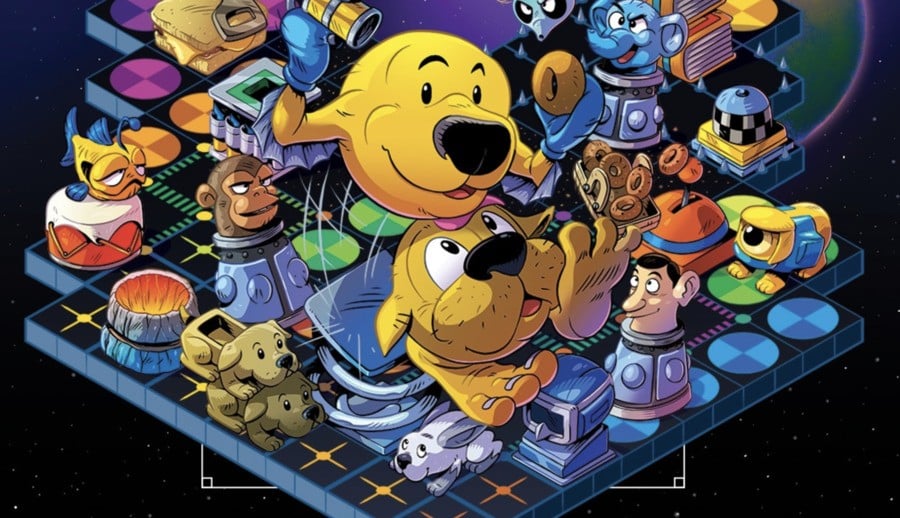
The initial lack of native Amiga CD32 controller support in Return To Blacktooth was a point of discussion among players and reviewers alike. While the game was playable with standard Amiga joysticks or keyboard controls, the CD32 pad offers a distinct advantage, particularly for a game with complex movement and action requirements. The ergonomic design and multiple buttons of the CD32 controller provide a more comfortable and precise input method, crucial for navigating the intricate isometric environments and executing the timed actions inherent in Return To Blacktooth‘s puzzle-platforming gameplay. For dedicated CD32 hardware owners or those utilizing CD32 emulation, the absence of this support meant compromising the authenticity of their experience.
Thalamus Digital’s prompt response to this feedback highlights a deep understanding of its target audience. The retro gaming community places a high value on authenticity and optimal control schemes, especially when revisiting or extending beloved classics. Implementing CD32 pad support is not merely a technical upgrade; it’s a gesture of respect to a segment of the Amiga faithful who cherish the console and its unique peripherals. An inferred statement from Thalamus Digital might emphasize their commitment to player satisfaction: "We listen closely to our community. The feedback regarding CD32 controller support was clear, and we are thrilled to confirm that we are working to integrate this feature. Our goal is always to provide the most authentic and enjoyable experience possible for all Amiga fans, and the CD32 pad is an integral part of that legacy for many." This proactive approach reinforces the publisher’s reputation for engaging with its player base and continually improving its titles.
The Development and Distribution Path
The core of the announcement is the development of a dedicated Amiga CD32 version of Return To Blacktooth. This implies a comprehensive effort to optimize the game specifically for the CD32’s hardware profile, potentially leveraging the Akiko chip for faster loading or graphics routines, and ensuring seamless compatibility with the console’s unique operating environment. A dedicated CD32 version could also pave the way for a physical release on CD-ROM, a highly desirable prospect for collectors and purists who enjoy acquiring games in their original format for retro consoles. Such a release would undoubtedly be a significant event within the Amiga collecting scene, adding tangible value to the game’s presence on the platform.
Once this specialized CD32 version is complete, the controller support will be back-ported and patched into the existing Amiga version of the game. This dual approach ensures that all players, regardless of whether they are playing on original Amiga computers, through emulation, or on actual CD32 hardware, will eventually benefit from the enhanced control scheme. The patching mechanism for existing Amiga users would likely involve a digital download from Thalamus Digital’s official channels or platforms where the game is sold, offering an updated ADF (Amiga Disk File) or HDF (Hardfile Disk File) image, or an installer that updates the relevant game files. This ensures accessibility and convenience for the broader Amiga audience.
The decision to develop a full CD32 version, rather than just patching controller support into the existing Amiga computer release, suggests a more profound commitment. It indicates an intent to offer a truly optimized and standalone experience for the console, potentially with specific CD32-exclusive features or optimizations that go beyond mere controller input. This could include bespoke intro sequences, enhanced audio tracks leveraging CD audio capabilities, or even subtle visual tweaks tailored to the CD32’s display output.
Broader Implications: Sustaining the Amiga Legacy and Retro Gaming Renaissance
This development for Return To Blacktooth is indicative of a vibrant and enduring retro gaming scene, particularly for the Amiga platform. Decades after its commercial decline, the Amiga continues to inspire new development, both from independent creators and established retro-focused publishers like Thalamus Digital. This commitment to legacy platforms serves multiple purposes: it satisfies the nostalgia of a dedicated fan base, introduces classic gaming styles to new generations, and ensures the continued evolution and relevance of these historic systems.
The trend of modern developers creating new games for classic platforms, often pushing the hardware to its limits, is a testament to the creativity and passion within the community. Projects like Return To Blacktooth demonstrate that there is a viable market for high-quality, newly developed retro games. This success is often fueled by crowdfunding, digital distribution platforms catering to retro gamers, and the strong community networks that facilitate communication and support. The inclusion of CD32 pad support exemplifies how developers can leverage platform-specific features to deepen the connection with their audience and enhance the authenticity of the retro experience.
Furthermore, this move underscores the critical role of community feedback in modern game development, even for retro titles. The prompt action by Thalamus Digital in response to player suggestions creates a positive feedback loop, encouraging more engagement and fostering a stronger sense of community ownership over these projects. It signals that the voice of the player base is valued and directly influences development decisions, which is a powerful incentive for continued support. The ability to play a modern Amiga game with the original Amiga CD32 controller on actual hardware, or through high-fidelity emulation, bridges the gap between past and present, offering a rich, immersive experience that transcends simple nostalgia.

Looking Ahead: Anticipation and Future Prospects
The confirmed CD32 pad support for Return To Blacktooth generates considerable anticipation within the Amiga and retro gaming communities. It promises an even more refined and enjoyable way to experience a game already praised for its faithfulness to a classic formula. For owners of Amiga CD32 hardware, this news is particularly exciting, breathing new life into a console that, despite its short lifespan, holds a special place in the hearts of many. The potential for a physical CD32 release also adds an enticing layer for collectors, further solidifying Return To Blacktooth‘s status as a landmark title in contemporary retro development.
This development may also serve as a precedent, encouraging other developers of new retro titles to consider platform-specific enhancements and controller support for a wider array of classic systems. As the retro gaming market continues to mature, attention to such details becomes increasingly important for distinguishing titles and catering to the discerning tastes of dedicated enthusiasts. The intersection of historical hardware, innovative new software, and responsive development marks a promising future for the preservation and evolution of gaming’s past glories.