
 Hartono Sudibyo
The handheld gaming market is experiencing a surge of activity as the third quarter, typically a peak period for new releases, draws nearer. This increased pace of teases, leaks, and official announcements provides consumers with valuable insight into upcoming devices, allowing for informed purchasing decisions and the opportunity to budget accordingly. Amidst this evolving landscape, an unexpected leak has surfaced, suggesting that AYANEO, a company known for its more premium handheld gaming PCs, is preparing to enter the affordable retro handheld segment with a compact, vertical device tentatively named the AYANEO Pocket Block. This move would position AYANEO to directly challenge established players in the budget-friendly retro emulation market, a space currently dominated by brands like Miyoo and ANBERNIC.
The Unforeseen Revelation: A Digital Manual Emerges
The initial disclosure of the AYANEO Pocket Block originated from RetroDeadFred on X (formerly Twitter), a prominent figure within the retro gaming community known for his knack for uncovering unannounced hardware. The leak’s genesis can be traced to the unexpected digital upload of a user manual for the device onto the website manuals.plus. This platform serves as a repository for technical documentation across a wide array of electronic devices. The manual’s appearance significantly predates any official communication from AYANEO, underscoring the unofficial nature of this reveal and warranting a degree of cautious interpretation from consumers and industry observers alike.
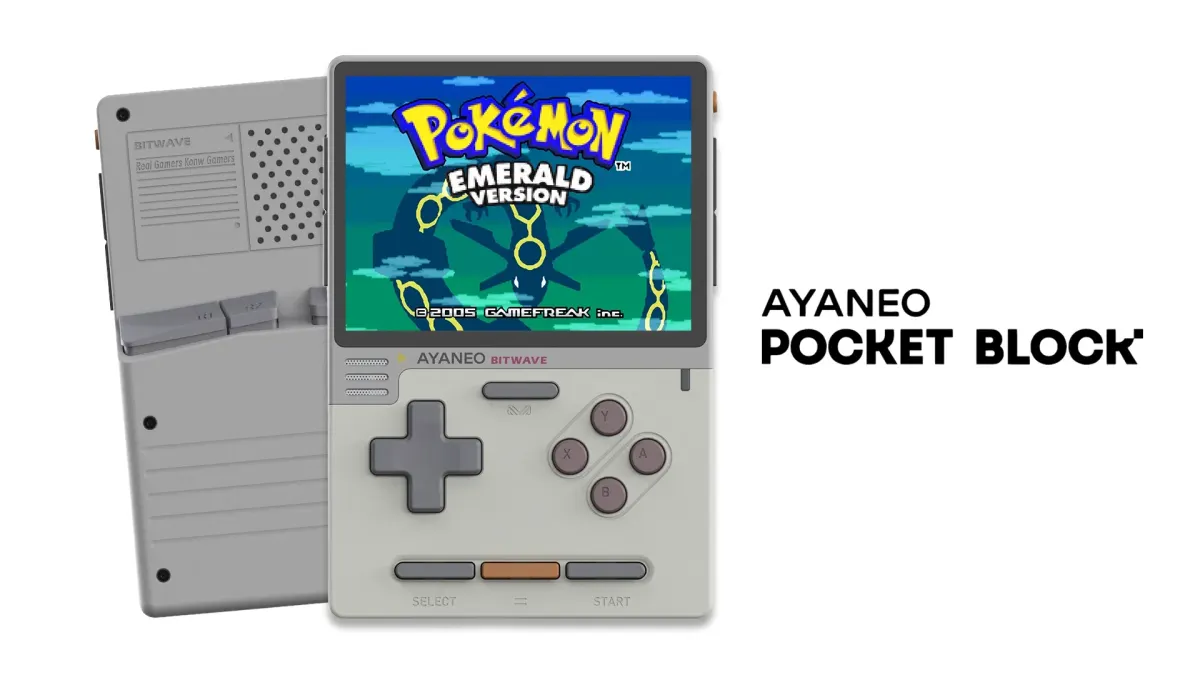
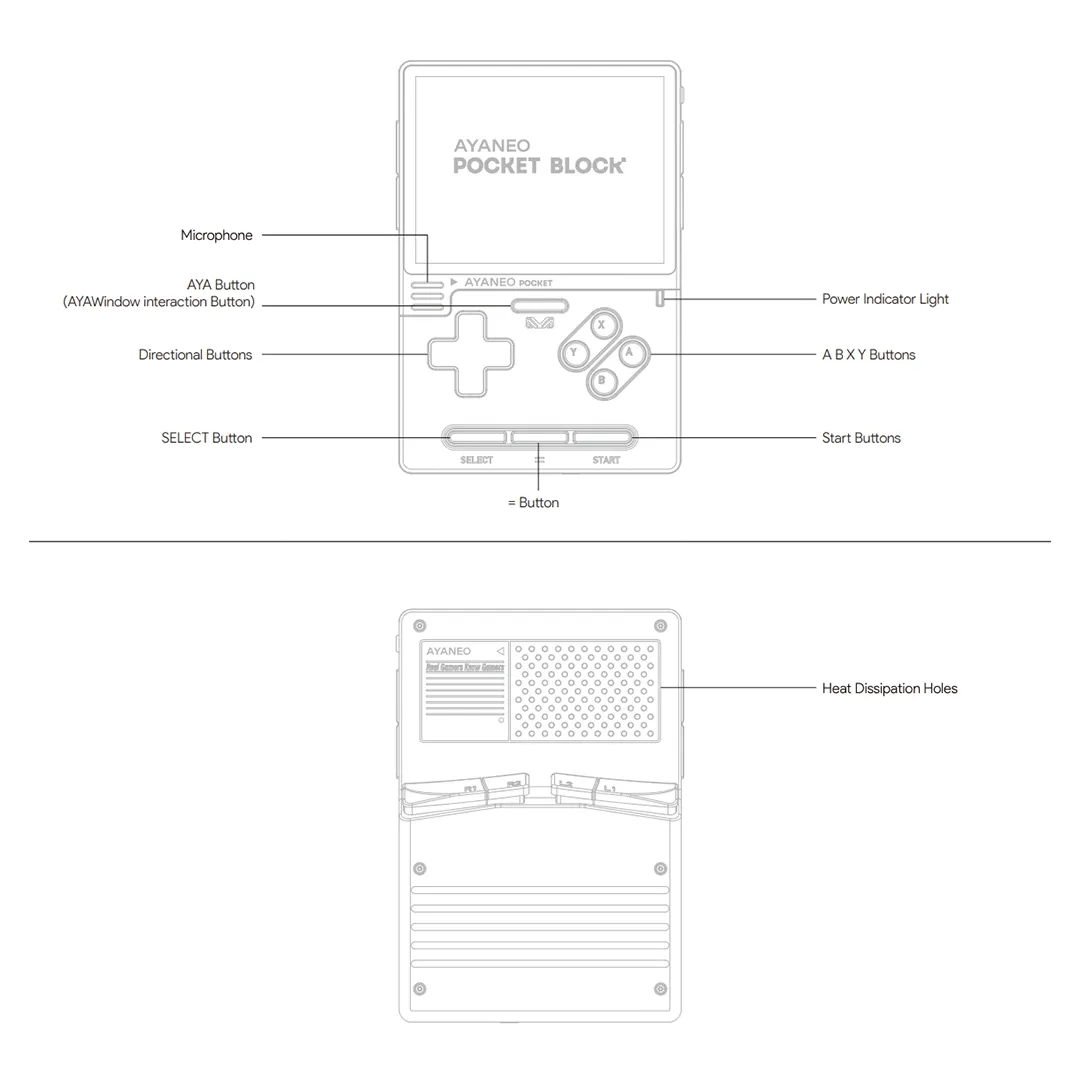
The publicly available user manual offers a foundational glimpse into the Pocket Block’s design and functionality. It outlines the physical form factor of the handheld, detailing the placement of its control inputs and providing rudimentary instructions for initial setup within the Android operating system. However, crucial specifications such as processing power, display resolution, battery capacity, and internal storage remain undisclosed. Similarly, information regarding the device’s pricing and projected release date is conspicuously absent from the leaked documentation. Despite these omissions, the manual, coupled with accompanying leaked images, provides sufficient visual evidence to infer AYANEO’s strategic intent: to launch a smaller, more accessible vertical handheld targeting the retro gaming and emulation enthusiast on a budget.
Design Philosophy and Market Positioning
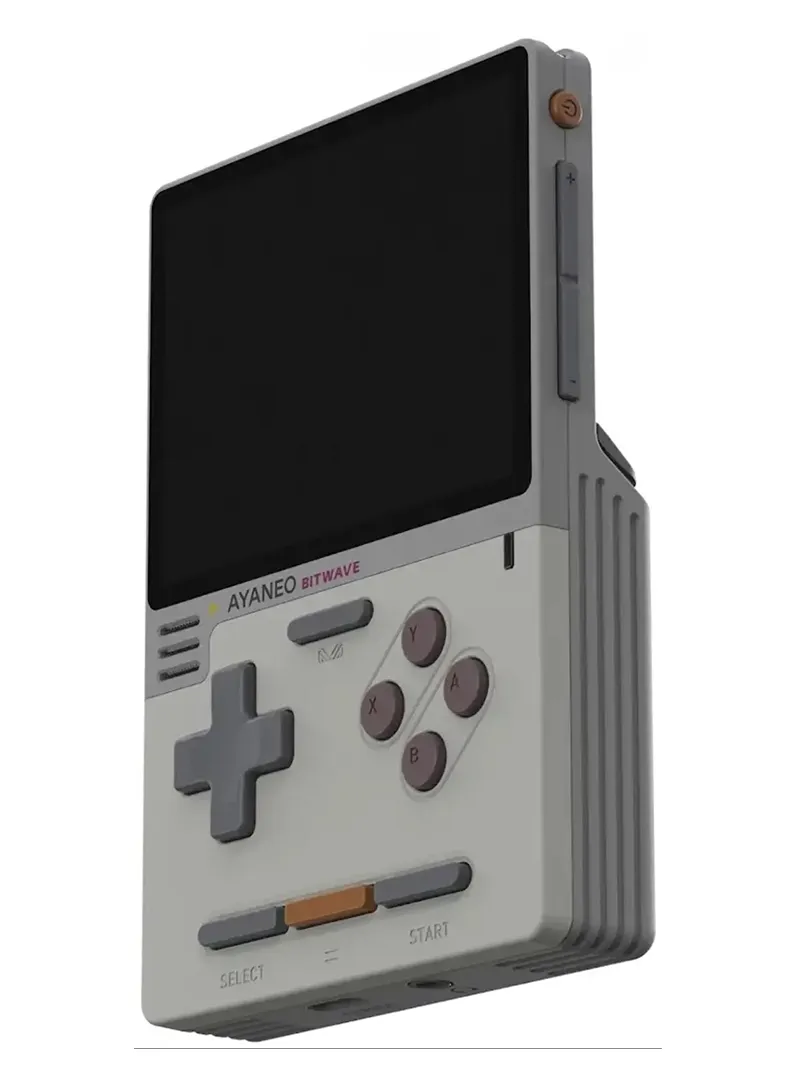
Visual analysis of the leaked imagery reveals a device that draws clear inspiration from classic handheld gaming consoles. The AYANEO Pocket Block appears to adopt a vertical orientation, a design choice that prioritizes portability and a familiar feel for those accustomed to iconic systems like the Game Boy. This form factor positions it directly against highly popular devices such as the Miyoo Mini Plus and the ANBERNIC RG35XX, both of which have garnered significant traction due to their compact size and robust emulation capabilities for systems up to the PlayStation 1 era.
The leaked device is depicted in a grey color scheme, strongly suggesting a nod to the original Game Boy (DMG) design, a common aesthetic choice within the retro handheld market. This retro influence is evident in the darker grey bezel that frames the display, which also incorporates a front-facing microphone, a detail often overlooked in earlier retro-inspired devices. The D-pad appears proportionally large within the device’s compact footprint, a design decision likely intended to enhance playability for various retro titles, particularly those that heavily rely on directional input. The face buttons, featuring a subtle red hue, are positioned beneath the prominent AYA button. This proprietary button is characteristic of AYANEO devices and typically serves as a gateway to the company’s custom menu system, allowing for on-the-fly adjustments to device settings.
Ergonomics and Connectivity: A Closer Look
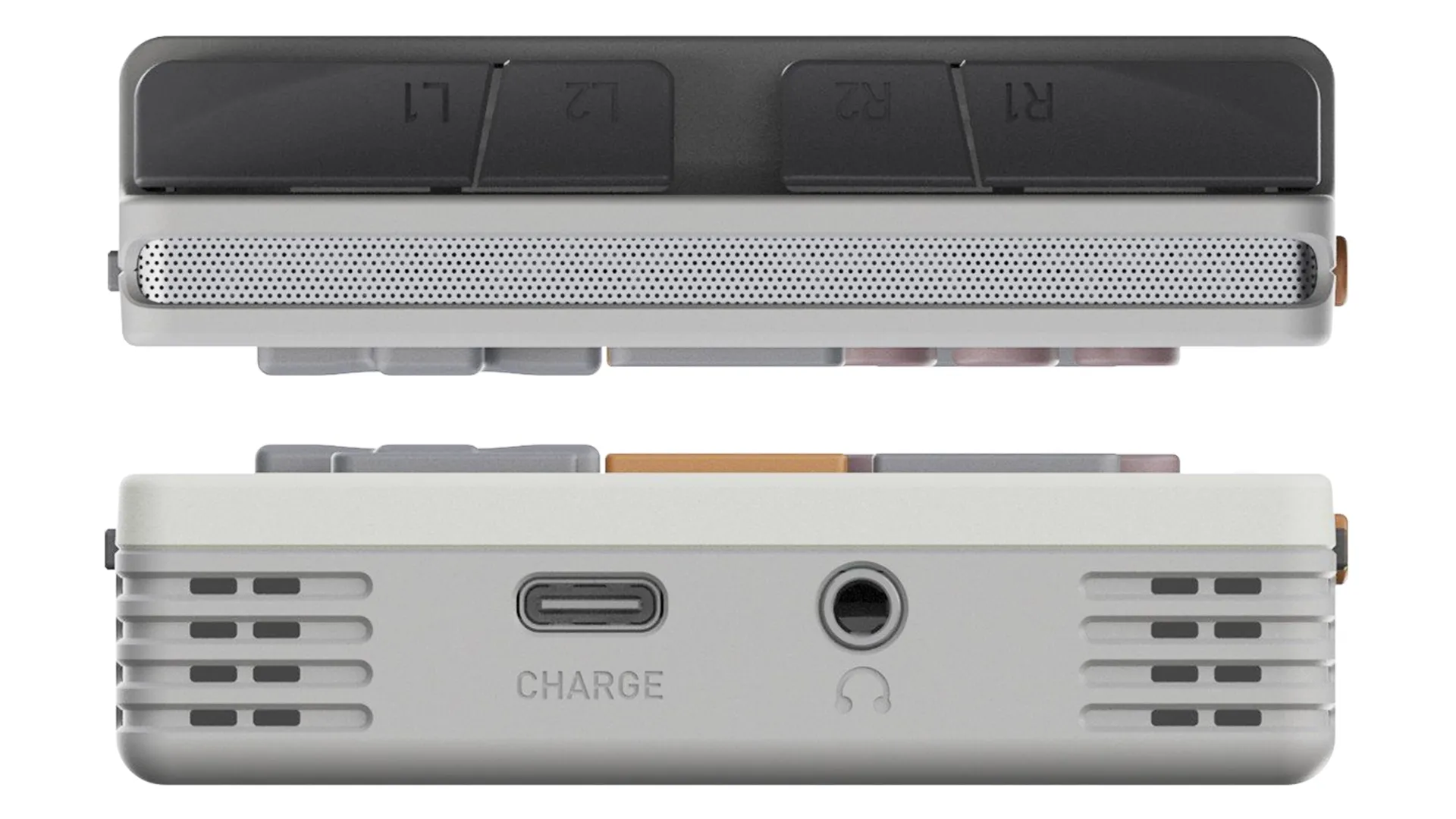
Further examination of the leaked manual and associated images provides a more granular understanding of the Pocket Block’s control layout and connectivity options. Positioned below the face buttons are the Start and Select buttons, essential for navigation within games and the Android operating system. The inclusion of an "=" button is also noted, which may serve a specific function within AYANEO’s software overlay or for general system interaction.
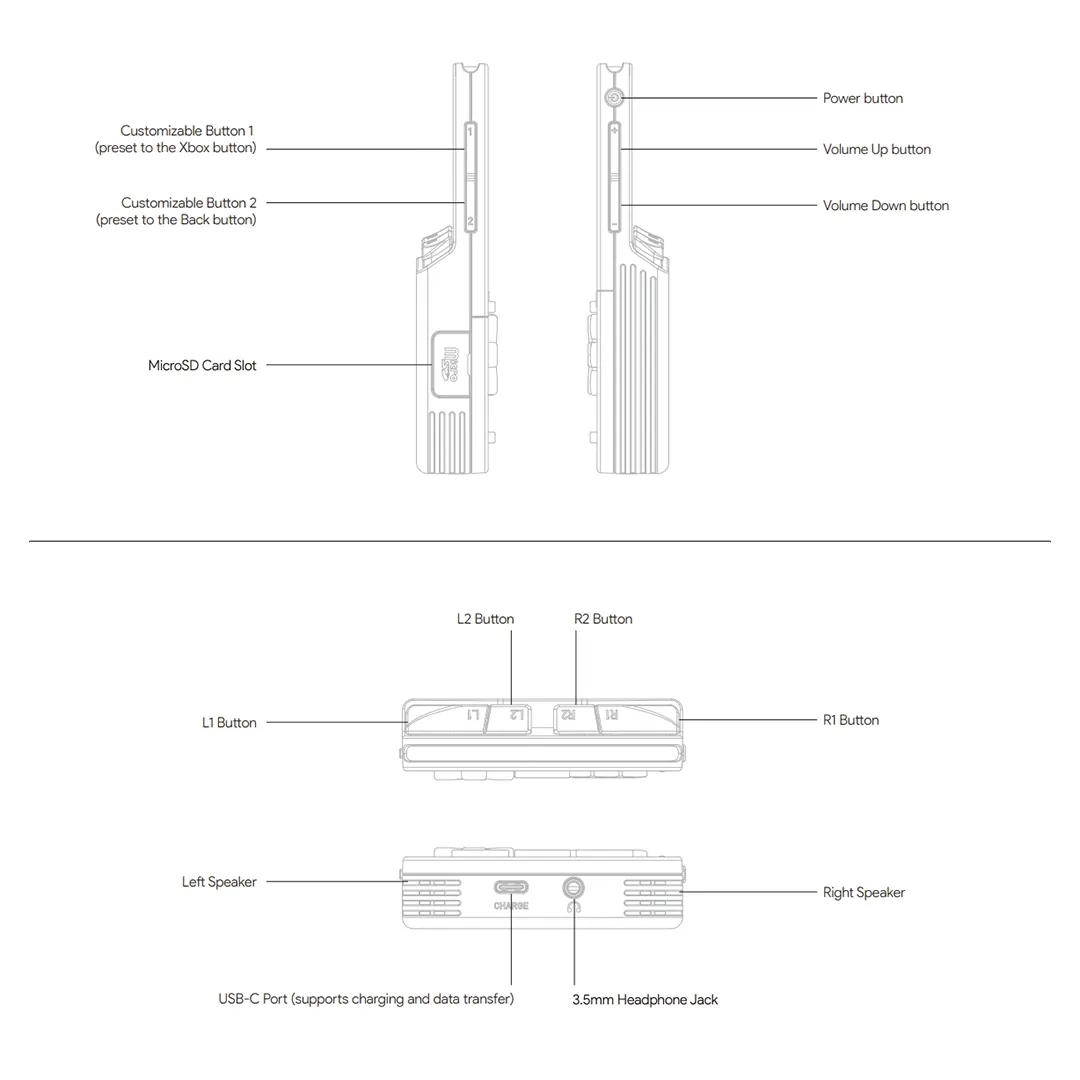
The rear of the device is described as "sleek," suggesting a minimalist design. Crucially, it appears to feature heat dissipation vents, hinting at the inclusion of an active cooling solution, possibly a small fan. This would be a notable addition for a device in the affordable retro segment, potentially allowing for sustained performance during more demanding emulation tasks. The handheld also sports four shoulder buttons, catering to systems that utilize these inputs. Connectivity is addressed with a microSD card slot for expanding storage, a USB-C port for charging and data transfer, and a standard 3.5mm headphone jack, a welcome inclusion for users who prefer wired audio.
The absence of analog sticks is a defining characteristic of the Pocket Block’s design, aligning it with the aforementioned Miyoo Mini Plus and ANBERNIC RG35XX. This design choice is a clear indicator of its intended market: primarily retro gaming and emulation of systems that predate the widespread adoption of dual analog controllers. While this design prioritizes portability and a classic feel, it also raises questions about its capability and user experience when attempting to emulate systems that benefit significantly from analog input, such as the Nintendo 64 or certain PlayStation 2 titles.
Pricing and Competitive Landscape: A Strategic Play?
While official pricing and release dates remain unconfirmed, industry analysts and observers are speculating about AYANEO’s potential pricing strategy for the Pocket Block. Based on the device’s feature set and its positioning against competitors, a price point around the $120 mark is a plausible estimation. This would place it in direct competition with devices like the AYANEO Pocket Air, which has achieved considerable popularity since its launch, and other devices in the sub-$150 category.
Should AYANEO manage to introduce the Pocket Block at a competitive price, it could significantly disrupt the affordable retro handheld market. The company’s reputation for delivering high-quality hardware and premium build materials, even in its more budget-conscious offerings, could give the Pocket Block a distinct advantage. However, there’s a potential pitfall, as observed in some recent releases from competitors like the ANBERNIC RG Rotate. The concern is that manufacturers might equip these compact, D-pad-centric devices with more processing power than is strictly necessary for their intended use case. While enhanced power might seem appealing, it can become a double-edged sword if the control scheme (lacking analog sticks) limits the practical benefits for emulating more complex systems. The key for AYANEO will be to strike a balance between capable hardware and an appropriate price point that aligns with the expectations of the retro gaming community.
Historical Context and AYANEO’s Evolving Strategy
AYANEO’s foray into the compact, vertical retro handheld market represents a significant evolution of its product strategy. Historically, AYANEO has been synonymous with high-performance, Windows-based handheld gaming PCs, devices that often command prices upwards of $500 and cater to enthusiasts seeking to play PC games on the go. Products like the AYANEO Geek, AYANEO 2S, and the AYANEO Slide exemplify this focus on raw power and a broad gaming library.
However, the success of more accessible, Android-based retro handhelds from competitors like Miyoo and ANBERNIC has clearly influenced AYANEO’s market outlook. The AYANEO Pocket Air, a device that offered a more streamlined Android emulation experience in a compact form factor, demonstrated AYANEO’s ability to adapt to different market segments. The potential release of the Pocket Block suggests a deliberate strategy to broaden its appeal and capture a segment of the market that prioritizes affordability and a dedicated retro gaming experience. This diversification could allow AYANEO to reach a wider consumer base and mitigate risks associated with relying solely on the higher-end PC handheld market, which can be subject to rapid technological advancements and intense competition.
Implications for the Retro Handheld Market
The potential entry of AYANEO into the affordable vertical retro handheld space carries several implications for the broader market. Firstly, it signals a growing maturity and increased competition within this segment. AYANEO’s established brand recognition and reputation for quality could elevate consumer expectations for devices in this price range, potentially pushing competitors to innovate further in terms of hardware, software, and build quality.
Secondly, AYANEO’s approach to the Pocket Block, particularly if they manage to balance performance with a competitive price, could redefine what consumers expect from budget-friendly retro devices. If the device offers a robust emulation experience for popular retro consoles without compromising on build quality or user interface, it could set a new benchmark for affordability and performance.
Thirdly, the success of the Pocket Block could encourage other established players in the PC handheld space to explore similar ventures into the retro market, further intensifying competition and driving innovation. The market is clearly demonstrating an appetite for devices that offer dedicated retro gaming experiences, and AYANEO’s potential move indicates a recognition of this trend.
Finally, the continued influx of new devices, fueled by leaks and early reveals, empowers consumers. The lead time provided by these disclosures allows individuals to research, compare, and save for devices that genuinely align with their gaming needs and budget. As the third quarter approaches, the AYANEO Pocket Block, despite its nascent and unconfirmed status, represents an intriguing development in the dynamic world of handheld gaming, promising more choice and potentially greater value for retro enthusiasts. The coming months will be crucial in observing AYANEO’s official announcements and how this new contender carves out its niche in a bustling market.








